REVIEW · DHARAVI SLUM TOURS
Dharavi Slum Walking Tour: Daily Life in Asia’s Largest Slum
Book on Viator →Operated by Colors Experiences · Bookable on Viator
Dharavi changes how you see Mumbai. This Dharavi slum walking tour is a focused, guided walk through everyday work and home life, starting at Third Wave Coffee and led by a guide fluent in Hindi and English. You get a clearer picture of what people actually do, from recycling and leatherwork to pottery and food production.
I especially like the way the route points you to Kumbharwada and Dhobi Ghat. Instead of treating Dharavi like one big story, you see specific trades and places, and you hear about the challenges alongside the pride residents feel in their homes and businesses.
One consideration: the tour runs about 2 to 2.5 hours and you’ll want moderate physical fitness. It also depends on good weather, so you may need to adapt your Mumbai plans if conditions are rough.
In This Review
- Key highlights
- Dharavi, explained on foot: what you’re really signing up for
- Meeting at Third Wave Coffee and the smart rhythm of a short tour
- Life and work in Dharavi: recycling, leatherwork, pottery, food, textiles
- Kumbharwada potters’ colony: seeing tradition at work
- Dhobi Ghat laundry stop: connecting a famous Mumbai sight to daily labor
- Your guide matters: what you can expect from the people leading the walk
- Price and value: $5.59 for a real, guided neighborhood experience
- Timing, weather, and fitness: the stuff that affects your comfort
- How respectful visiting works on a slum walking tour
- Should you book this Dharavi slum walking tour?
- FAQ
- How long is the Dharavi walking tour?
- Where do I meet the guide?
- Where does the tour end?
- What are the main places the tour visits?
- What language is the guide?
- Is this tour suitable if I have limited physical fitness?
- What happens if weather is bad?
Key highlights
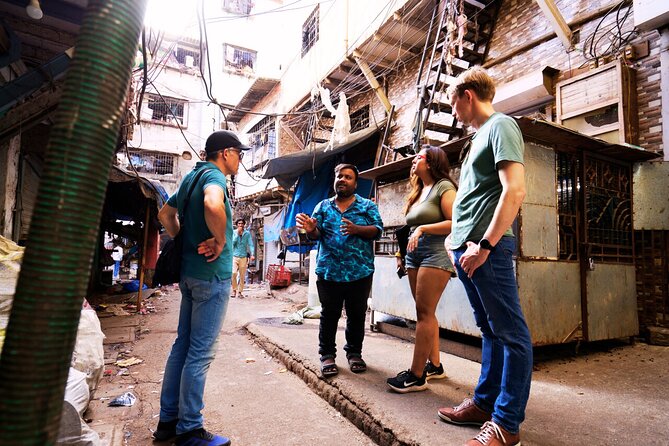
- Local-language guiding in Hindi and English, with clear explanations and plenty of time for questions
- Small groups (max 15), which makes the walk feel more human-sized
- Start at Third Wave Coffee and end in Dharavi near Sunder Vilas
- Two anchor stops: Kumbharwada (potters’ colony) and Dhobi Ghat (laundry area)
- Hands-on view of everyday industry: recycling, leatherwork, pottery, food production, textiles
- Good weather required, and the pace assumes moderate physical fitness
Dharavi, explained on foot: what you’re really signing up for
A walking tour of Dharavi can sound like a “shock-and-stare” idea. This one is different. It is built to show daily routines and real jobs, then connect them to bigger themes like hardship and pride—because both are part of life here.
The best part is the human scale. You’re not pushed through a checklist. You’re guided through narrow lanes and work areas where people make and repair things, run small businesses, and raise families. You’ll also hear about the challenges the community faces, which keeps the tour from turning into a one-note experience.
Also, this is small-group travel. With up to 15 people, you’re more likely to get direct answers and follow-up questions rather than feeling like a number in a big rush. That matters a lot in a place like Dharavi, where context is everything.
You can also read our reviews of more walking tours in Mumbai



Meeting at Third Wave Coffee and the smart rhythm of a short tour

You meet at Third Wave Coffee on Tip Road, Unit 58, Ground Floor, Ram Mahal, Senapati Bapat Marg, near Marinagar Colony, Mahim (Mumbai). Ending point is Sunder Vilas on 90 Feet Rd, Muslim Nagar, RP Nagar, Dharavi.
Why I like this kind of setup: you start in a clear, easy-to-find location, and then you transition into the neighborhood. That helps you get your bearings fast without turning the first five minutes into a mini scavenger hunt.
You’ll also appreciate that the walk lasts about 2 hours (approx.), sometimes described as 2 to 2.5 hours of guided exploration. It’s long enough to connect dots—industry here, homes nearby, trades and daily life woven together. But it’s not so long that you feel stuck out in the streets all day.
This tour also notes that it’s near public transportation. So even if you’re bouncing between other Mumbai sights, you can usually fit this into your day without a major detour.
Life and work in Dharavi: recycling, leatherwork, pottery, food, textiles
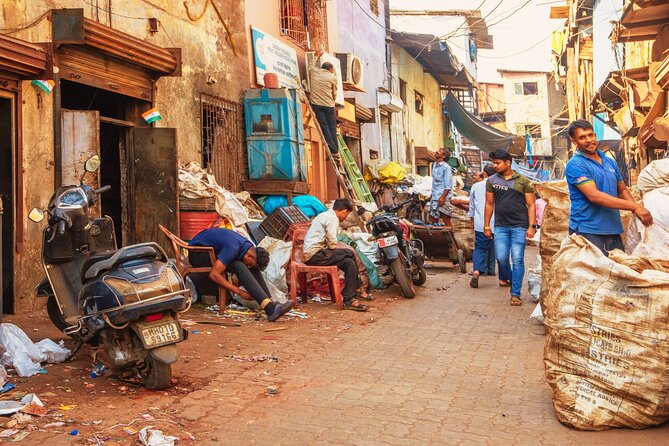
The tour begins in Dharavi and leans hard into the day-to-day economy. You’ll see areas where people work in recycling, leatherwork, pottery, food production, and textiles—plus the smaller details that show how the work gets done close to home.
Here’s what this does for you as a visitor. It flips the usual script. Instead of thinking of Dharavi only in terms of poverty, you start seeing skills, supply chains, and problem-solving. The creativity and resilience aren’t presented as a slogan. They show up in how goods get made and reused, and in the fact that people keep the wheels turning even with limited resources.
As you move from work spaces into residential lanes, the tour keeps switching gears. You’ll pass places where you can see everyday life: children playing, families cooking, and neighbors chatting across doorsteps. That contrast is one of the most useful parts of the experience because it reminds you that this is a neighborhood, not a museum.
One review highlight fits here: guides such as Sufiyan are repeatedly praised for clear English and for making the tour feel both safe and comfortable. In another case, Bala is mentioned for translating numbers into lived experience, which is a good sign that the guide isn’t just reciting facts.
Kumbharwada potters’ colony: seeing tradition at work

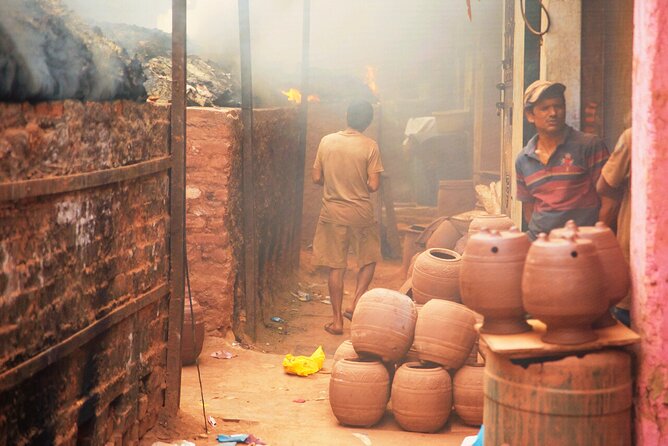
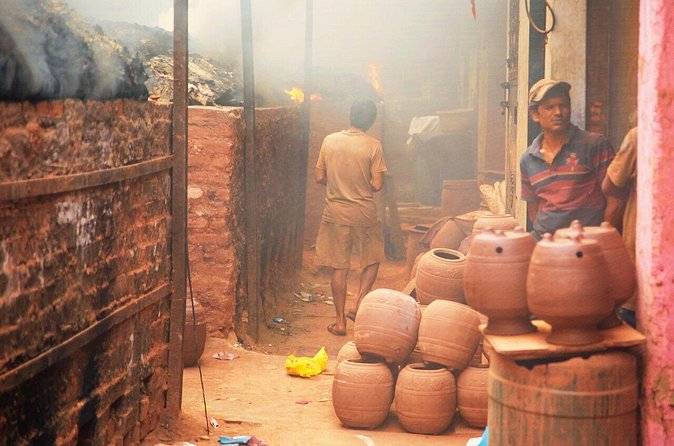
One of the strongest stops on this route is Kumbharwada, described as a historic potters’ colony. This is where the tour slows down just enough for you to connect the craft to the people keeping it alive.
You’ll learn about how artisans shape clay pots using traditions passed down through generations. Even if you don’t plan to buy anything, you’ll probably leave with a new kind of appreciation: craft as labor, labor as identity, and identity as something that can survive tough conditions.
This part also helps with understanding Dharavi’s internal geography. Kumbharwada isn’t just a “site.” It’s a working community where a specific trade creates routines, relationships, and pride. You’re not only observing outcomes (like finished pots). You’re also seeing the process and the continuity behind it.
If you care about craft work, small manufacturing, or how cities actually produce the everyday goods we use, this stop is a big win.
Dhobi Ghat laundry stop: connecting a famous Mumbai sight to daily labor
The tour includes a visit to Dhobi Ghat. Even if you’ve heard the name before, this kind of guided walk is the difference between seeing a photo-op scene and understanding what you’re looking at.
In Dhobi Ghat, the point is to link daily labor to a wider city function. Clothes need washing. Systems need workers. And in places like this, you see how routine work supports the larger rhythm of Mumbai.
What I like about including Dhobi Ghat on a Dharavi walk is that it broadens your understanding of the neighborhood’s role. Dharavi isn’t just one type of work. It spans many trades, and laundry is a powerful one because it connects to water usage, cleaning cycles, and steady, practical effort.
Just be ready for what this sort of stop means emotionally. Some tours in rough neighborhoods can feel shocking. The tour you’re considering also highlights that reality while keeping the focus on community pride and everyday life.




Your guide matters: what you can expect from the people leading the walk
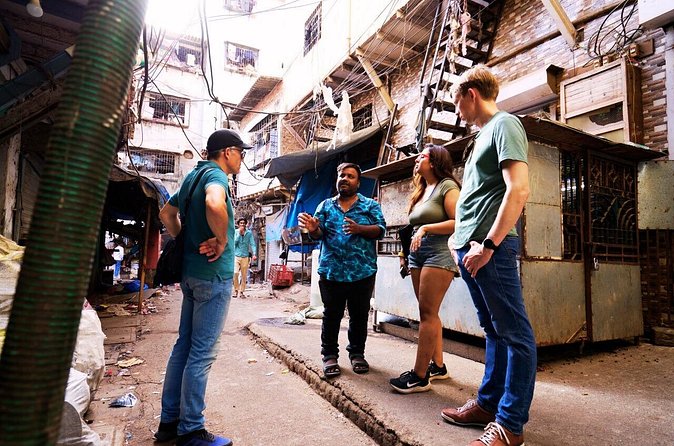
This experience is led by an engaging local guide fluent in Hindi and English, and the group size stays capped at 15 travelers. That combination is exactly what you want when you’re walking through a community where context matters.
Look at the pattern in the feedback: guides like Sufiyan are repeatedly described as easy to understand, cheerful, and good at answering questions. One review even mentions that the guide was born and raised in the slum, which can add depth because the explanations come from lived perspective rather than secondhand summaries.
The “ask me anything” vibe is part of what makes the tour valuable. Instead of you guessing, you get direct answers. And instead of you worrying about whether you’re missing something, the guide fills in the gaps as you walk.
It’s also worth noting that the tour aims to be respectful. It balances challenges and pride, which is important. A good guide won’t treat people as props. They’ll treat you as a learner moving carefully through their home area.
Price and value: $5.59 for a real, guided neighborhood experience

At $5.59 per person, this is one of the cheaper “real city life” tours you can book in a major world destination. The price is so low that you might wonder what’s included.
Here’s the practical take: you’re paying for a guided experience that lasts around 2 to 2.5 hours, includes key neighborhood stops like Kumbharwada and Dhobi Ghat, and runs with a small group. It also uses a mobile ticket, so you’re not dealing with paper hassles.
More importantly, the value comes from what cheap tours often skip: a local guide who can explain what you’re seeing in Hindi and English, plus time to ask questions. In a place where one sentence of context can change your whole interpretation, that guide-led structure is the real bargain.
Is it a luxury tour? No. You shouldn’t expect polished comfort. But for the money, the tradeoff is fair: you’re buying understanding, not amenities.
Timing, weather, and fitness: the stuff that affects your comfort
This tour requires good weather. If conditions are poor, you’ll be offered another date or a full refund. That matters for planning in Mumbai, where skies can change fast.
It also notes moderate physical fitness. That doesn’t mean you need to be an athlete. It does mean you should be comfortable with a walking-focused experience at neighborhood pace, likely on uneven and tight streets (you’ll feel this in your legs more than in your brain).
If you’re the kind of traveler who prefers short breaks, this one might feel like a solid block of time. But if you’re comfortable walking for a couple hours, you’ll probably find the length just right for keeping your focus.
A small practical note: your start and end points are different, with the end in Dharavi near Sunder Vilas. Plan how you’ll get back to your hotel or next destination after the tour, especially if you’re staying outside central Mumbai.
How respectful visiting works on a slum walking tour
You’re walking through homes and workplaces. That means your role is different than standard sightseeing. The tour’s goal is understanding and connection, and the guide steers the group toward places where daily life and industry intersect.
The best mindset is simple: you’re there to learn. You’re not there to judge. You’re not there to collect shocking stories like souvenirs. This tour is built to highlight both challenges and pride, which is a good reminder that the people here are not defined only by problems.
Also, because the guide is local and the group is small, you’ll likely get cultural cues in real time: where to look, when to move, and how to ask questions. Follow the lead. It keeps things smoother for everyone.
Should you book this Dharavi slum walking tour?
If you want a Mumbai experience that goes past the big-name landmarks, this is a strong option. I think it’s especially worth it if you care about how cities function at street level—how recycling, crafts, laundry work, food production, and textiles connect to daily life.
Book it if you:
- want Kumbharwada and Dhobi Ghat included in one guided route
- prefer a small group and clear explanations in Hindi/English
- are okay with learning through real neighborhoods, including stories about challenges
Skip it or reconsider if you:
- need a very easy, low-walking outing (this is around 2 to 2.5 hours)
- can’t be flexible about good-weather requirements
If you’re ready for an honest, respectful walk, this one offers serious value for the price. It’s not a theme park version of Mumbai. It’s Mumbai on foot, with a guide who can explain what your eyes alone might miss.
FAQ
How long is the Dharavi walking tour?
The guided exploration is about 2 to 2.5 hours.
Where do I meet the guide?
You meet at Third Wave Coffee on Tip Road, Unit no. 58, Ground, Ram Mahal, Senapati Bapat Marg, near Marinagar Colony, Mahim, Mumbai, Maharashtra 400016.
Where does the tour end?
The tour ends at Sunder Vilas on 90 Feet Rd, Muslim Nagar, RP Nagar, Dharavi, Mumbai, Maharashtra 400017.
What are the main places the tour visits?
The tour includes key sites such as Kumbharwada and Dhobi Ghat, along with walking through Dharavi’s residential and industrial areas.
What language is the guide?
The guide is fluent in Hindi and English.
Is this tour suitable if I have limited physical fitness?
The tour notes that you should have moderate physical fitness.
What happens if weather is bad?
The experience requires good weather. If it’s canceled due to poor weather, you’ll be offered a different date or a full refund.