REVIEW · DHARAVI SLUM TOURS
Dharavi Tour & Pottery Workshop
Book on Viator →Operated by Reality Tours & Travel Pvt Ltd · Bookable on Viator
Dharavi is not the kind of place you skim past. This tour takes you through day-to-day work across recycling, pottery-making, and more, plus colorful street art in residential lanes that most visitors never see.
Two things I really like: you meet at Mahim Junction Railway Station and move through the area with a local English-speaking guide, and you’re not left to figure it out alone in a part of Mumbai that’s hard to access independently. One possible drawback: it’s a walking tour, so if you’re sensitive to crowds and pavement, you’ll want sturdy shoes and a slower pace for breaks.
In This Review
- Key Things to Know Before You Go
- Why This Dharavi Tour Feels Like Real Mumbai (Not a Scripted Show)
- Getting There: Mahim Junction Makes the Logistics Easy
- Stop 1 in Dharavi: Working Businesses and Street Art on Foot
- What you might see: more than one type of work
- Residential lanes and the street art factor
- The practical reality: it’s educational walking, not a slow museum stroll
- Stop 2 at Reality Tours and Travel: A Community-Reinvestment Moment
- What Makes This Tour Valuable for Your Time (and Your Budget)
- Comfort Checklist: Wear Shoes, Bring Patience, Use the Water
- Tour Pace and Group Size: What 25 Travelers Really Means
- Who This Tour Suits Best (and Who Might Prefer Something Else)
- Small Details That Make a Big Difference
- Should You Book the Dharavi Tour & Pottery Workshop?
- FAQ
- Where does the Dharavi Tour & Pottery Workshop start and end?
- How long is the tour?
- What’s included in the price?
- Do I need hotel pickup or drop-off?
- Is there an admission fee for the stops?
- What is the cancellation policy?
Key Things to Know Before You Go
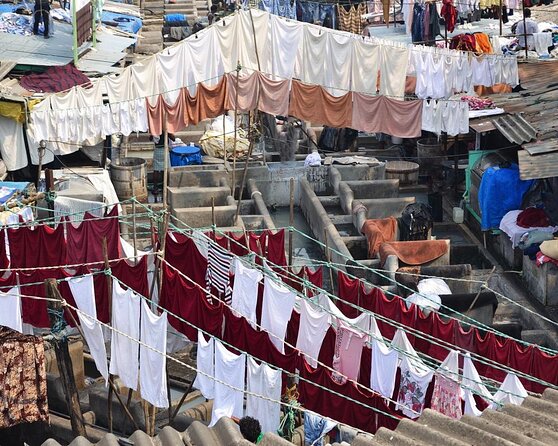
- Walking-first format: You’ll cover ground on foot, so plan for steady walking for about 3 hours.
- Mahim Junction is the hub: The tour starts and ends at Mahim Junction Railway Station, making the logistics fairly simple.
- Business variety, not one-shop viewing: You’ll see multiple types of work such as soap-making and recycling, not just one craft stop.
- Residential streets and street art: Expect murals and religious sites in close proximity, not only industrial activity.
- Small group size: The tour caps at 25 travelers, which generally helps the guide keep things organized.
- Water included: Bottled water and a cold drink are provided to keep you comfortable while walking.
Why This Dharavi Tour Feels Like Real Mumbai (Not a Scripted Show)
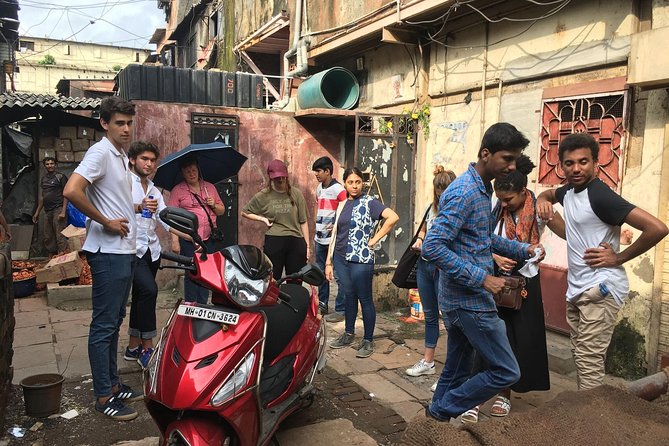
Dharavi has a reputation people talk about from a distance. This kind of tour shifts the focus from headlines to something more human: the daily engine of ordinary people and small businesses that keep things moving. The emphasis is on work you can see with your own eyes, from recycling-related activity to hands-on crafts like pottery-making, embroidery, and other food and household production.
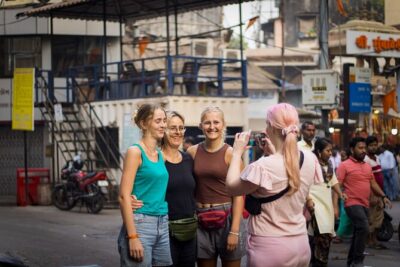
What makes it interesting is the mix. You’re not only walking through one type of neighborhood. You’re moving between workshop-style spaces, community areas, and streets with visible street art and religious landmarks. It’s a microcosm of India, where different communities live side by side and the city’s culture shows up in murals, temples, mosques, churches, and pagodas.
The tone tends to be practical. You get an organized path through an area most visitors would struggle to navigate without local help. If you like tours that trade big monuments for real-life scenes and honest context, this format usually lands well.
You can also read our reviews of more tours and experiences in Mumbai


Getting There: Mahim Junction Makes the Logistics Easy
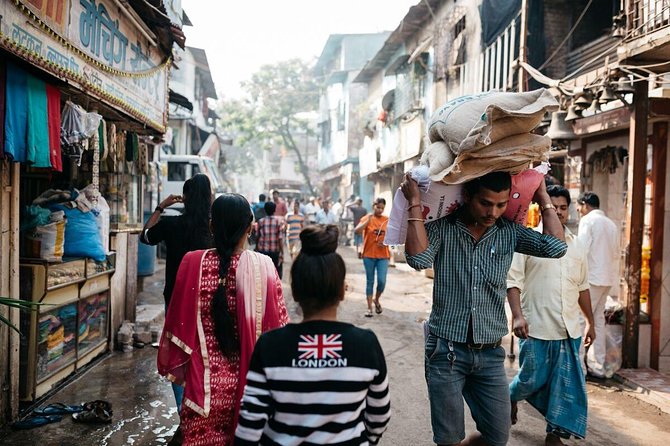
If you’re visiting Mumbai and already dealing with trains, traffic, and time pressure, the meeting point matters. This tour starts and ends at Mahim Junction Railway Station, so you’re not trying to decode a far-off address or guess which gate the group uses.
A couple things to plan for:
- Arrive a few minutes early. You’ll want time to find the right spot and settle before walking begins.
- Use the station as your anchor. Since you end there too, you don’t need a separate end-of-day navigation plan.
- After the tour, your guide will help you figure out transport, such as a taxi, to wherever you’re going next.
It’s also near public transportation, which is useful if your day is packed and you don’t want to waste time on long transfers.
Stop 1 in Dharavi: Working Businesses and Street Art on Foot
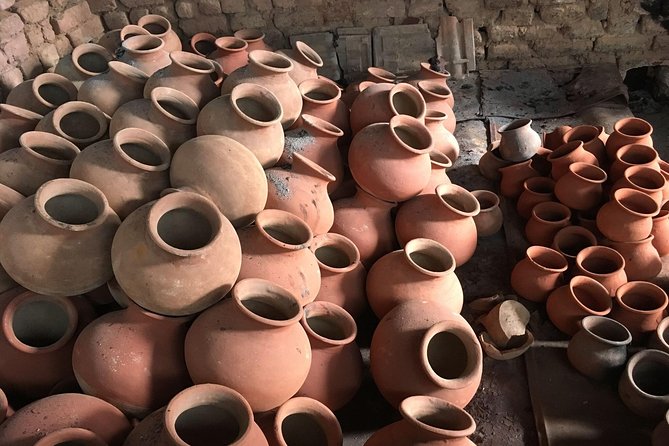
The main chunk of the experience takes place in Dharavi, roughly 2.5 hours. You’ll walk through areas where you can see a range of productive activities operating in tough conditions. The key is that the tour treats these businesses as normal economic life, not as a side attraction.
What you might see: more than one type of work
The route includes a broad mix of activities such as:
- Recycling
- Pottery-making
- Embroidery
- Bakery
- Soap factory
- Leather tanning
- Poppadom-making
- Plus other small, local operations the guide points out along the way
This variety is a big part of the value. A single-stoppage craft demonstration can feel thin. Here, the “story” is spread across different kinds of work, so you get a clearer picture of how many skills and supply chains fit together in one place.
Residential lanes and the street art factor
The tour also includes Dharavi’s residential areas. That matters because it changes the mood from work-only to community-life. You’ll see colorful street art, and the visual texture of everyday places where people actually live.
One of the most striking parts is how religious and cultural spaces show up side by side. The area includes murals, temples, mosques, churches, and pagodas close together. Even if you’re not deep into architecture, that kind of close mixing helps you understand the “microcosm” idea in a way that photos can’t.




The practical reality: it’s educational walking, not a slow museum stroll
This is still a walking tour. You should expect movement and frequent stops for explanations, not long seated breaks. If you tend to take your time, just know you may feel the pace in your legs by the end.
It can also be emotionally intense because you’re seeing livelihoods in dense conditions. The guide’s job is to keep it respectful and grounded. If you come in with a curious, calm mindset, the experience tends to feel more like understanding real systems than judging from the outside.
Stop 2 at Reality Tours and Travel: A Community-Reinvestment Moment
After Dharavi, you’ll move to Reality Tours and Travel (Dharavi) for a shorter stop of about 20 minutes. This part is lighter in time, but it adds context.
You can enjoy a soft drink here, and you’ll learn how funds are re-invested back into the community. That detail matters more than it sounds. When you book a tour in a place with complex social realities, the big question is who benefits after your visit. This stop gives you a clearer answer than a “trust us” pitch.
Also, this stop serves as a natural break before you head back out to your end point. By the time you leave, you’ll better understand what you’re supporting when you pay the tour price.
What Makes This Tour Valuable for Your Time (and Your Budget)
The price is $29.09 per person, and the tour is about 3 hours. For Mumbai, that’s very manageable for a guided experience that covers both working areas and residential streets.
Here’s where the value comes from:
- You get a local English-speaking guide, which is usually the difference between seeing things and understanding them.
- You get water/cold drink, so you’re not hunting for drinks while walking.
- You don’t have to plan a route yourself through areas that are difficult to access independently.
- The group size is capped at 25 travelers, so it’s not one of those huge cattle-train situations where you never hear the guide.
There are also practical perks like group discounts and a mobile ticket. If you’re juggling multiple bookings in a trip, mobile ticket access helps keep things smooth.
One more detail: on average, it’s booked about 9 days in advance. That suggests people plan ahead for the experience rather than treating it like a last-minute whim. If you’re traveling during peak season or have a tight schedule, booking earlier is usually the safer move.
Comfort Checklist: Wear Shoes, Bring Patience, Use the Water
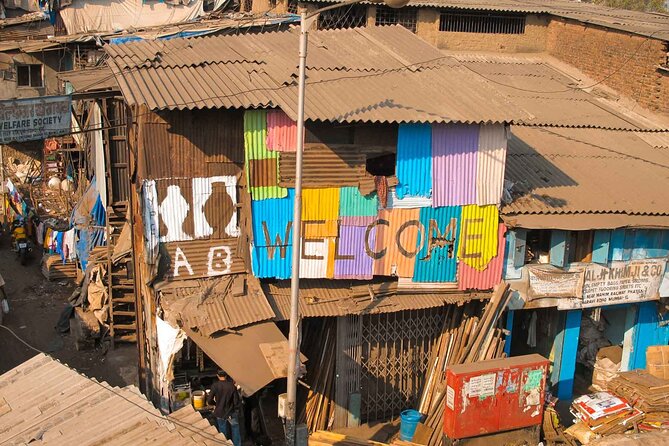
Because this tour is a walking experience, comfort is not optional. The simple advice is the best advice: wear comfortable shoes. Your feet will thank you, and your brain will focus more on what you’re seeing instead of the ache in your ankles.
Also make a point to use the provided drinks. Bottled water is included, and you’ll also have a cold drink at the second stop. In Mumbai’s conditions, staying hydrated is not glamorous, but it’s smart.
A few practical notes that help without overcomplicating:
- Dress for walking: light layers can help since you’ll be moving.
- Plan for close streets: you’ll likely be in crowded, narrow areas at times.
- Expect stops: the guide will pause for explanation, so keep your energy steady rather than powering through nonstop.
If you’re the type who likes to take photos, just remember that you’re walking through real working areas. Move with the group, and keep attention on the guide’s instructions so you don’t get stuck off-route.
Tour Pace and Group Size: What 25 Travelers Really Means
The cap of 25 travelers is important. It’s not tiny, but it’s also not so large that the guide can’t manage questions and movement. A manageable group size tends to make it easier to hear explanations and keep the walking route coordinated.
The tour is described as suitable for most travelers, which is helpful if you’re debating whether you can handle the walking and the neighborhood conditions. Still, the walking nature means it won’t suit everyone equally. If you have mobility limitations, you may want to choose a different format with less walking.
Timing-wise, you’re looking at about 2 hours 30 minutes in Dharavi plus the shorter stop at Reality Tours and Travel. That structure keeps the day focused and prevents the classic problem where “3 hours” turns into a long, unfocused hangout.
Who This Tour Suits Best (and Who Might Prefer Something Else)
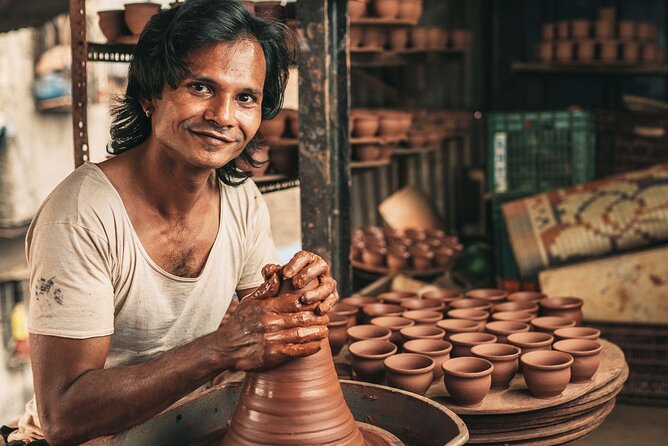
This Dharavi tour fits you well if you want:
- A working neighborhood experience rather than a monument checklist
- A guided explanation of businesses and daily life
- A realistic, budget-friendly tour that gives you context fast
- Street art and community visuals, not just industrial scenes
It’s also a good choice if you like tours that feel safe and supported. The route is designed for guests to move through a part of Mumbai that you’d have trouble accessing on your own.
You might want to skip it if:
- You’re looking for a mostly seated, low-walking itinerary
- You need a quiet, minimal-stimulation experience
- You’re uncomfortable with the density and intensity that come with seeing day-to-day work in a city neighborhood
Small Details That Make a Big Difference
Even though the tour is straightforward, a few details help it work smoothly:
- Local English-speaking guide: explanations matter here because you’re seeing many types of work in a compact time window.
- Bottled water and cold drink: you can focus instead of planning constant snack stops.
- Start and end at the same railway station: fewer headaches on arrival and departure.
- Guide helps with transport afterward: you won’t be left guessing whether taxis are the right option.
And from the strong satisfaction notes people have given, the guide’s Q&A style tends to be a standout. When you ask questions, you’re not just getting a rushed answer. You’re getting thoughtful responses, which makes the whole experience click.
Should You Book the Dharavi Tour & Pottery Workshop?
I think you should book this if you want a meaningful, well-paced Dharavi walking experience that balances working life with residential street visuals, all for a price that doesn’t feel like you’re paying premium money just to get a photo.
You’ll get the most out of it if you:
- Wear comfortable shoes and accept that it’s a walking day
- Go with curiosity about how small businesses and crafts connect
- Ask questions instead of trying to read everything yourself
If your dream Mumbai day is mostly sightseeing from a distance, this may not be your match. But if you want the city’s real engine room, this is one of the better ways to experience it in just a few hours.
FAQ
Where does the Dharavi Tour & Pottery Workshop start and end?
It starts and ends at Mahim Junction Railway Station in Mumbai.
How long is the tour?
The total duration is about 3 hours (approx.), with around 2 hours 30 minutes in Dharavi plus a shorter stop at Reality Tours and Travel.
What’s included in the price?
A local English-speaking guide is included, along with water and a cold drink.
Do I need hotel pickup or drop-off?
No. Hotel or residence pickup and drop-off are not included.
Is there an admission fee for the stops?
The ticket is listed as free for both the Dharavi stop and the Reality Tours and Travel (Dharavi) stop.
What is the cancellation policy?
You can cancel for a full refund if you cancel at least 24 hours before the experience’s start time. If you cancel less than 24 hours before, the amount paid is not refunded.