REVIEW · CYCLING TOURS
Small-Group Bike Tour of Mumbai
Book on Viator →Operated by Mystical Mumbai · Bookable on Viator
This is one of those Mumbai experiences where you get bearings fast while still seeing big-name landmarks. I like that the route mixes iconic stops like Gateway of India with smaller moments at Sassoon Dock and local markets, so you don’t just skim the postcard views. One thing to consider: you’ll be riding early and outside for the full 3 hours, so plan on a bit of morning sun and keep an eye on your energy.
What I really like is the pacing. The tour is built around a safe, easy ride led by a local expert, with short photo stops timed so you can actually look around (not just pass through). A small caution: the group can be up to 50 people, so there’s occasional slowing at busy corners even with a smooth guide.
In This Review
- Key things to know before you pedal off
- Why this morning Mumbai bike route works
- Meeting point in Colaba: what to expect at the start
- Sassoon Dock: fish-market energy without the long detour
- Gateway of India: a photo stop with context
- Chhatrapati Shivaji Maharaj Terminus: the UNESCO centerpiece
- Crawford Market and the art of moving through busy streets
- Mumbadevi Mandir: seeing Hindu practice up close
- Bombay Panjrapole: cows, birds, and the compassion angle
- Marine Drive ride: the sea view from a C-shaped bay road
- Bike, safety, timing, and the guide’s role in traffic
- Price and value: what $40 gets you (and what it doesn’t)
- Who this tour suits best
- Should you book this Mumbai bike tour?
- FAQ
- How long is the Small-Group Bike Tour of Mumbai?
- What time does the tour start?
- Where does the tour meet and where does it end?
- What’s included in the price?
- Is food included?
- What’s the minimum age?
- How big is the group?
Key things to know before you pedal off
- A 6:30 am start that helps you hit landmarks and markets before the day gets heavy
- UNESCO sights in the same ride: Chhatrapati Shivaji Maharaj Terminus plus the Gateway of India
- Sassoon Dock since 1875, one of the city’s oldest docks open to the public, and known for fish-market energy
- Real-world Mumbai stops, including Crawford Market and the Kalbadevi/Bhuleshwar bazaars
- A unique pause at Bombay Panjrapole, a two-acre animal shelter for cows and other rescued animals and birds
Why this morning Mumbai bike route works
Mumbai’s a city where traffic, crowds, and sensory overload can hit fast. A bike tour helps because it keeps you moving while a guide handles the hard parts: choosing calmer streets, timing stops, and keeping the group together. This tour is also long enough to feel like you traveled, but short enough (about 3 hours) that you’re not wiped out by midday.
You also get a rare combo: major landmarks plus everyday street life. You’ll swing by the Fort district sights, then ride down Marine Drive for sea views. That balance is the whole point. It turns Mumbai from something you look at into something you understand.
And because it runs in the morning, you get more pleasant light for photos and better odds of cooler temperatures. Morning also means the markets and dock area feel active in the right way—busy, but not fully maxed out.
You can also read our reviews of more cycling tours in Mumbai
Meeting point in Colaba: what to expect at the start
The tour starts at Kailash Parbat Hindu Hotel N Restaurants area, in Colaba (Sheila Mahal Society, shop no. 5, 1st Pasta Ln, Apollo Bandar area). It’s a practical meeting spot, and the description notes you’ll be near public transportation.
They start at 6:30 am, and the day’s schedule is built around that early departure. If you’re coming from elsewhere, give yourself extra time so you’re not stressed while finding the exact storefront and getting your bike fitted.
Once you meet up, you’ll get a bike rental. Helmets are available on request, and you’ll get a bottle of water. That small setup matters—especially in a city where you don’t want to be adjusting gear mid-ride.
Sassoon Dock: fish-market energy without the long detour
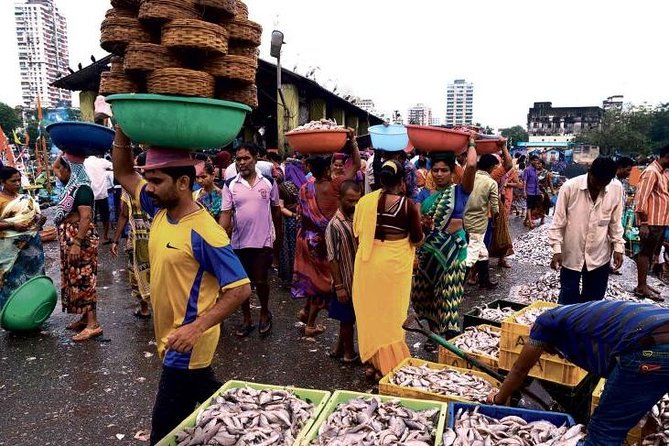
The first stop is Sassoon Dock, which has been operating since 1875. It’s one of Mumbai’s oldest docks and one of the few that’s open to the public. You’ll see it in its element: a major fish-market area, and a place where the dock life is the main event.
The best part of this stop is the perspective. Instead of treating Mumbai’s waterfront as a scenic backdrop, you see it as part of how the city feeds itself. Even if you aren’t a seafood person, docks have a particular rhythm—activity, smells, motion, and practical work happening right in front of you.
The time is about 20 minutes, so you can look around, take photos, and read the scene without turning it into a long break. If you’re sensitive to strong smells or crowded spaces, keep that in mind and consider where you’ll stand for photos.
Gateway of India: a photo stop with context
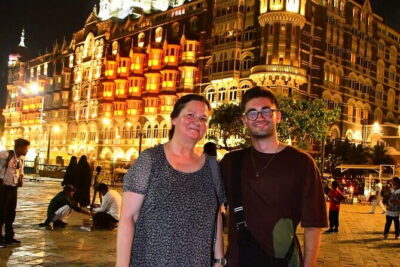
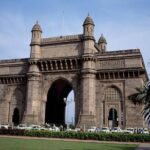
Next up: Gateway of India. This is an arch monument built during the 20th century, and it commemorates the landing of King-Emperor George V and Queen-Empress Mary at Apollo Bunder. Even if you’ve seen pictures, it’s one of those places where you get a better sense of scale in person.
Your stop here is about 15 minutes, so it’s intentionally short. That’s good for most people—you can grab your best angles without losing time you’ll want for the rail station and markets later.
Practical tip: in the morning, light can be a bit direct. Bring your phone camera patience and try a few positions instead of snapping at the first moment. The arch and the surrounding waterfront views can give you different compositions quickly.
Chhatrapati Shivaji Maharaj Terminus: the UNESCO centerpiece
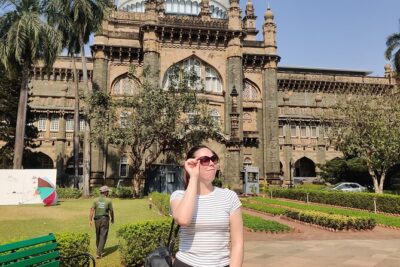
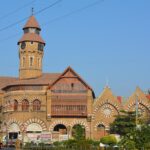
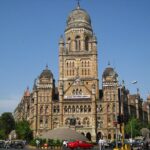
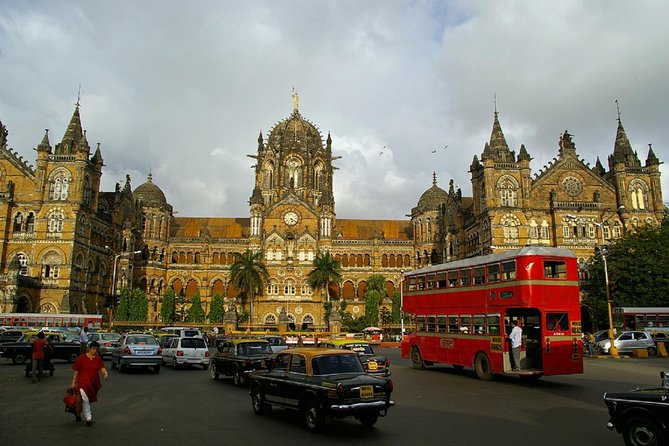
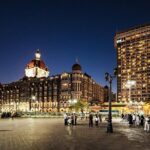
Then you’ll get to Chhatrapati Shivaji Maharaj Terminus, formerly Victoria Terminus, and a UNESCO World Heritage Site. It’s a historic railway station, and the architecture is what makes it a must-see.
This is a 20-minute stop, which is a helpful amount of time. A station like this doesn’t reward rushing, because the building’s details are spread across the facade. Even if you mostly photograph from the outside, you can still take in the station’s shape and the “grand but functional” feeling of the place.
If you like architecture or you just want one major landmark you can actually study for a few minutes, this stop is your payoff. It also gives you a strong contrast to the street-market areas that come later.

Crawford Market and the art of moving through busy streets
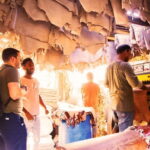
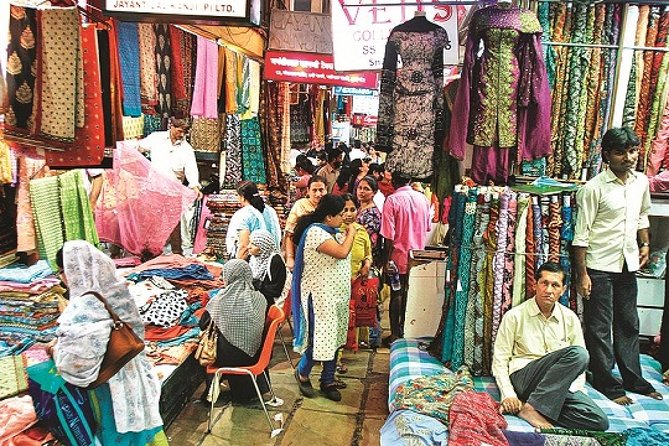
After the big monuments, you’ll head into the market world with Crawford Market. It’s one of South Mumbai’s famous markets, named after Arthur Crawford, the first Municipal Commissioner of the city. You’ll spend about 20 minutes here.
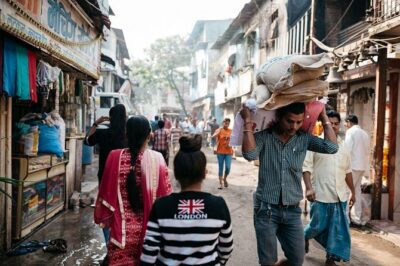
Markets can be noisy and crowded, and that’s where the value of a guide shows. The tour design favors a safe, easy ride and uses quieter streets to reach stops. You’re not left to figure out navigation or crossing busy areas on your own.
You’ll also browse vendors in areas described as Kalbadevi and Bhuleshwar bazaars after the Fort/downtown loop. Even if you’re not shopping, browsing is a way to understand Mumbai as a living city rather than a list of sights.
One consideration: markets are best for people who enjoy sensory detail. If you dislike close quarters, plan to focus on smaller pockets—watching how vendors arrange goods, noticing signage styles, and keeping your camera handy while your feet stay steady.
Mumbadevi Mandir: seeing Hindu practice up close
Next is a cultural stop at Mumbadevi Mandir (Mumbadevi Mandir is dedicated to the goddess Mumbā, a local incarnation of the Devi). The description specifically notes you’ll observe Hindu practices here.
This stop is about time to pause and look, not time to turn it into a checklist. A temple visit works best when you slow down and pay attention to what’s happening around you—people moving through spaces, the rhythm of prayers and activity, and the general sense of purpose.
Your stop duration is listed as part of the schedule (it’s not given as a separate “20 minutes” line the way some other stops are), but the experience is clearly paced for a short visit within the larger ride. If you want longer reflection time, you can always revisit later on your own, but the tour gives you the first taste right in the middle of the morning.
Bombay Panjrapole: cows, birds, and the compassion angle
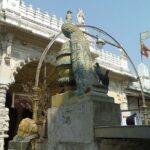
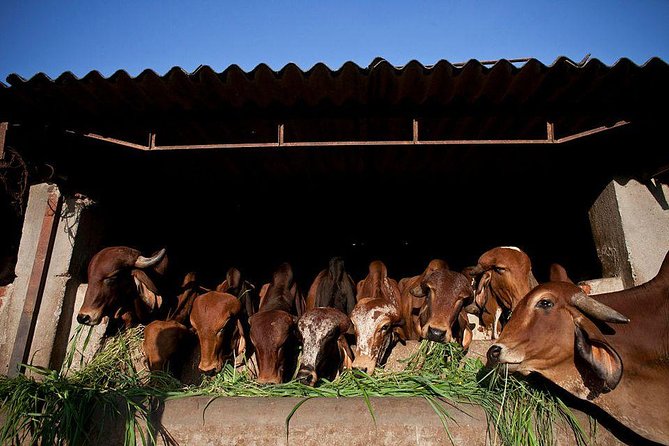
One of the most unusual stops is Shri Mumbai Panjrapole, a two-acre shelter that cares for hundreds of cows, plus other rescued stray animals and birds. This is one of the stops where the emotional tone shifts—so it helps to go in prepared for that.
You’ll have about 20 minutes, and this stop’s admission is listed as included. The tour also builds in time for you to understand the place, not just snap a quick photo and leave.
If you’re the type who likes seeing how cities handle animal welfare, this is a standout. You’re getting a real social service story, not just a tourist attraction.
Possible drawback: if animal-related situations make you uncomfortable, keep that in mind. It’s not framed as a spectacle; it’s framed as a shelter, and you’ll be seeing living animals in a care environment.
Marine Drive ride: the sea view from a C-shaped bay road
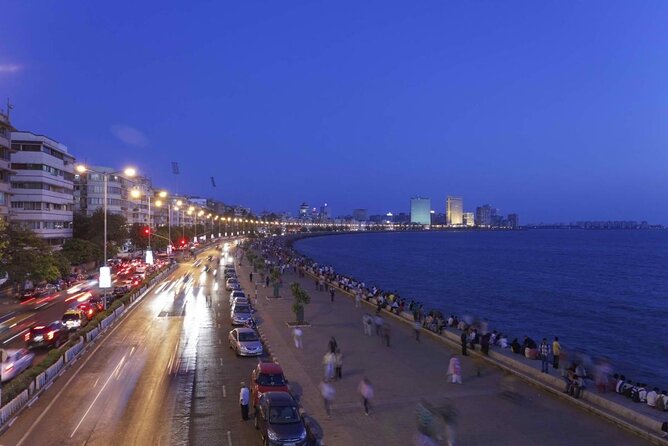
To finish the day’s loop, you’ll ride down Marine Drive—described as a C-shaped six-lane concrete road along the coast, which forms a natural bay. This is where you get the open-air feeling you don’t always get in the dense parts of Mumbai.
The point of Marine Drive isn’t just the view. It’s also a change in pace. After docks, markets, and temples, pedaling along a coastal road feels like exhale time—your brain catches up with what you saw earlier.
Also, you’ll have clear photo opportunities. The Arabian Sea view is part of why this tour is so memorable. You get to end with something calmer and more open after the city’s tighter streets.
Bike, safety, timing, and the guide’s role in traffic
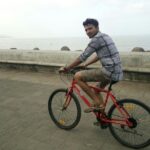
Mumbai traffic can be intimidating if you’re used to quieter cities. What makes this tour feel worth it is the focus on a safe and easy ride with an expert local guide.
A detail from real-world feedback is that the guide handles traffic exceptionally well—like they’re fully in control of the flow. That’s exactly what you want to feel. If you’re riding a bike in an active city, your guide’s skill isn’t a bonus; it’s the foundation.
The tour also includes:
- Bike rental
- Bottle of water
- Helmet on request
The ride is listed as maximum 50 travelers, so you should expect a bigger-group feel at times. In practical terms, that means some slowdowns at intersections and clustered moments when the whole group has to stop for a landmark.
But the schedule is tight enough to keep momentum. With a 3-hour overall duration and short stops, you’re usually moving between moments rather than waiting around.
Price and value: what $40 gets you (and what it doesn’t)
At $40 per person for about 3 hours, this is positioned as a value-forward way to see multiple top attractions without spending all day on transport. You’re paying for convenience, a guide who understands traffic and routes, and the bike itself.
It’s also smart that food and drinks aren’t included. That means you can choose what you want nearby instead of being locked into a tour-provided option that might not fit your tastes. Just plan ahead: bring some light snack money or plan to eat after the tour.
You’ll also get pickup offered and group discounts, plus a mobile ticket. If you like having less guesswork, those small logistics pieces make the experience easier to plan.
Most of the stops are listed with free admission (like Sassoon Dock, Gateway of India, and Chhatrapati Shivaji Maharaj Terminus), and Panjrapole is included. So your spend stays mostly tied to the tour itself.
Who this tour suits best
This bike tour is a great fit if you want:
- A morning plan that’s more active than sightseeing on foot
- A route that combines landmarks + markets + one unusual animal shelter
- A guide who makes city riding feel manageable
- Photo stops that don’t eat your whole day
It may be less ideal if you:
- Don’t enjoy early starts
- Prefer very quiet sightseeing with minimal crowds
- Want lots of time inside monuments (this is a ride-and-pause style)
Minimum age is 6 years, which suggests it can work for families with kids who can handle an urban bike experience. Still, the group size and traffic environment mean you should gauge comfort levels carefully.
Should you book this Mumbai bike tour?
I’d book it if you want a smart way to see Mumbai’s highlights without turning your vacation into transport logistics. The combo is strong: Fort district icons, the UNESCO railway station, classic markets, a temple stop for observing Hindu practice, and then the compassion-focused stop at Bombay Panjrapole, ending with the sea views along Marine Drive.
The big deciding factor is whether you’re comfortable riding in a busy city with a larger group. If you are, this tour gives you a lot of variety for the time—plus the kind of guide-led traffic confidence you really notice in Mumbai.
If you hate early mornings, or if animal-shelter visits would be emotionally hard for you, consider skipping or pairing with a different tour that matches your mood. Otherwise, it’s a solid use of a morning.
FAQ
How long is the Small-Group Bike Tour of Mumbai?
The tour is approximately 3 hours.
What time does the tour start?
The start time is 6:30 am.
Where does the tour meet and where does it end?
The meeting point is at Kailash Parbat Hindu Hotel N Restaurants area in Colaba (Sheila Mahal Society shop no 5, 1st Pasta Ln, Apollo Bandar, Colaba). The tour ends back at the same meeting point.
What’s included in the price?
Included items are bike rental, a professional guide, a bottle of water, and helmet on request.
Is food included?
No. Food and drinks are not included.
What’s the minimum age?
The minimum age is 6 years.
How big is the group?
The tour has a maximum of 50 travelers.