REVIEW · KANHERI CAVES & PAGODA TOURS
Mumbai: Buddhist Kanheri Caves with Golden Pagoda Temple
Book on GetYourGuide →Operated by India Tour · Bookable on GetYourGuide
Stone caves, then gold peace—an odd combo that works. The Kanheri Caves drop you into rock-cut Buddhist life near Mumbai, and the day ends at the Global Vipassana Pagoda where Vipassana meditation is explained through the temple’s design. It’s a smart switch from city noise to quiet stone and—once you’re moving—proper views.
I love two things most: first, walking through the Kanheri complex with its chaityas, viharas, stupas, and ancient carvings, including Brahmi-script inscriptions. Second, I like that the tour doesn’t treat the golden pagoda as a photo stop—it gives you the meaning behind it, tying the architecture to Vipassana teachings.
One thing to plan for: you’ll do walking in heat, and Kanheri Caves are closed every Monday. Also, the tour is not suitable for pregnant women, so think twice if mobility is a concern.
In This Review
- Key highlights worth marking on your plan
- Kanheri Caves: Rock-Cut Buddhism Near Mumbai’s City Pulse
- Reading the Caves: Chaityas, Meditation Cells, and Brahmi Inscriptions
- Sanjay Gandhi National Park Stop: Quick Views and a Breather
- Global Vipassana Pagoda: The Golden Symbol and What Vipassana Means
- Timing, Walking, and What to Wear in Mumbai Heat
- Value for $28: Transport, Tickets, and the Stress-Saver Factor
- What Makes the Guided Part Worth It (Even if You Usually DIY)
- Who This Tour Fits Best (And Who Should Think Twice)
- Should You Book This Kanheri Caves and Golden Pagoda Tour?
- FAQ
- How long is the Kanheri Caves and Golden Pagoda tour?
- How much does the tour cost?
- Do I get hotel pickup and drop-off?
- Where do the drop-offs happen?
- Are the Kanheri Caves open every day?
- What should I bring?
- Is the entry ticket included?
- Is bottled water provided?
- Is there a way to avoid long entry lines?
- Is this tour pet-friendly?
- What are the cancellation and payment options?
Key highlights worth marking on your plan
- Kanheri Caves: 100+ rock-cut caves in volcanic basalt, dating back to the 1st century BCE
- Real Buddhist features: chaityas, meditation cells, viharas, stupas, and residential halls
- Vipassana focus at the Global Vipassana Pagoda near Gorai Beach, built for peace and harmony
- English-speaking guide who can point out carvings, sculptures, and inscriptions you’d miss alone
- Skip-the-line access via a separate entrance, plus parking and charges handled
- Hotel pickup/drop-off option with air-conditioned transport and bottled water
Kanheri Caves: Rock-Cut Buddhism Near Mumbai’s City Pulse
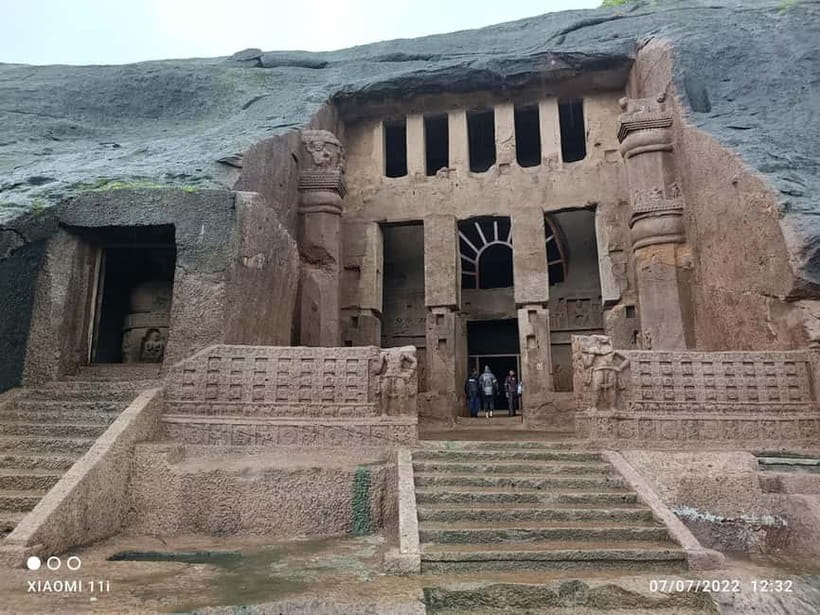
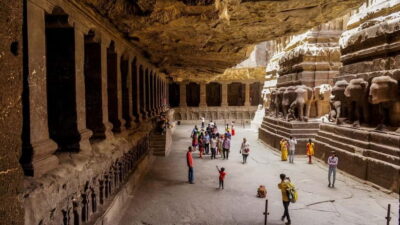
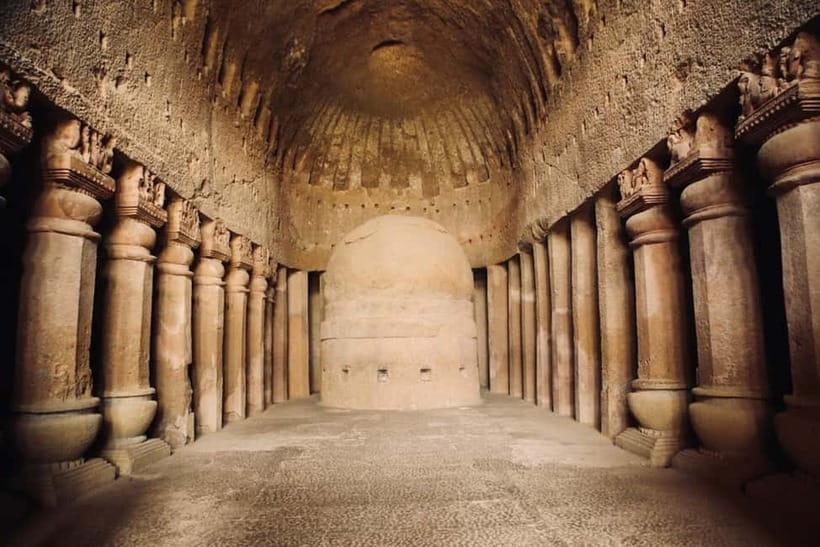
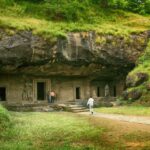
The Kanheri Caves are the kind of place that makes Mumbai feel bigger in your head. You start with one of the biggest cave complexes around—100+ caves carved from volcanic basalt—and you quickly realize these weren’t just shelters. This was an active Buddhist learning and monastic center.
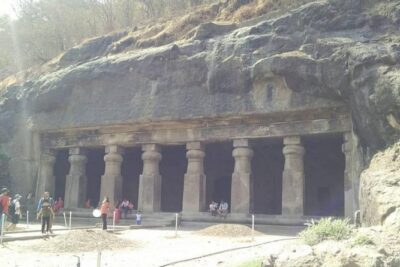
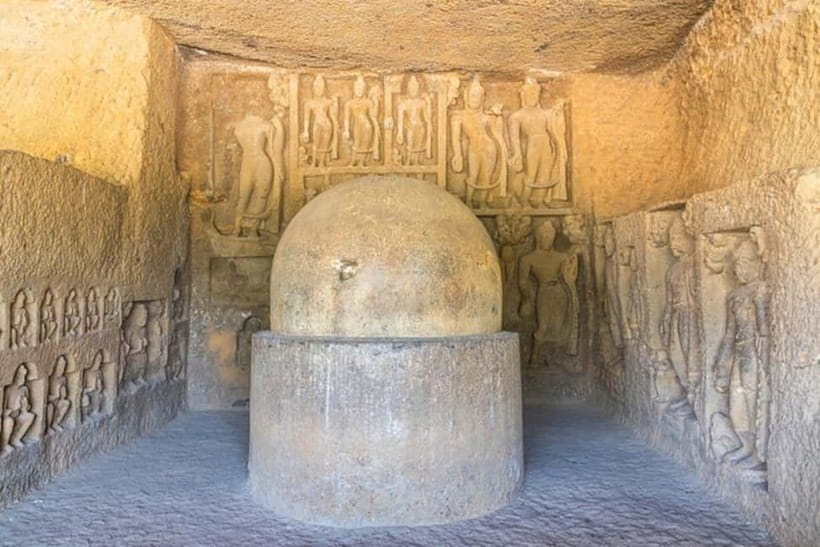
The complex dates back to the 1st century BCE, and the caves show how Buddhism traveled and grew in western India. As you move through, you’ll see prayer halls (chaityas) and quieter spaces meant for meditation. You also get monasteries (viharas) and structures linked to worship like stupas, plus residential halls that hint at day-to-day life.
What makes Kanheri genuinely worth your time is how “physical” it all is. It’s not a museum display. It’s architecture made of stone, shaped for people to pray, teach, study, and live. If you’ve only seen India’s Buddhism through temples in cities, Kanheri adds a completely different texture.
You can also read our reviews of more tours and experiences in Mumbai.


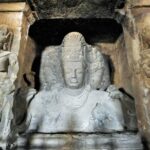
Reading the Caves: Chaityas, Meditation Cells, and Brahmi Inscriptions
Here’s the trick: without a guide, it’s easy to walk past details and end up with mostly photos. With the tour’s live English guide, you’re more likely to understand what you’re looking at—especially the parts that are hard to spot from a quick glance.
You’ll spend time on core cave types like chaityas (prayer halls) and meditation cells, plus monasteries (viharas), stupas, and residential halls. The guide also helps connect the carvings and sculptures to the bigger story of Buddhist practice and spread in the region.
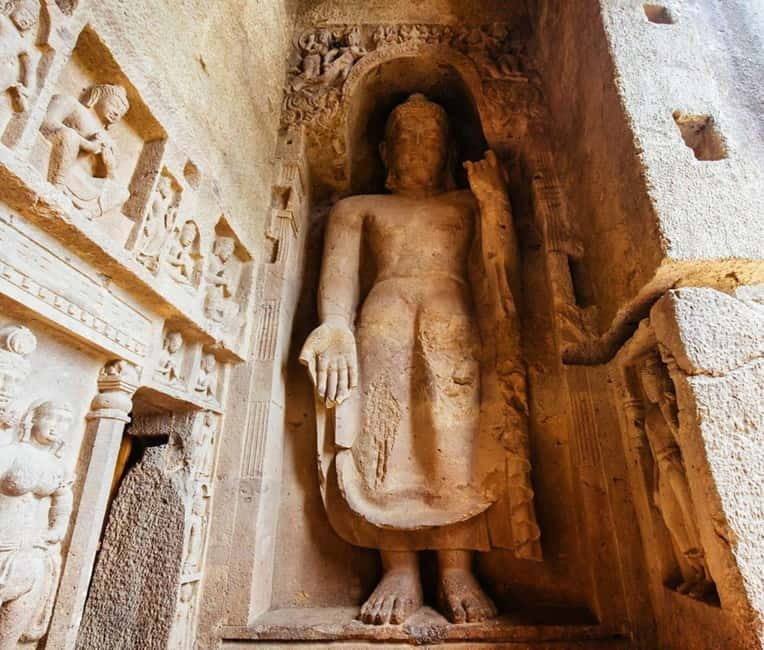
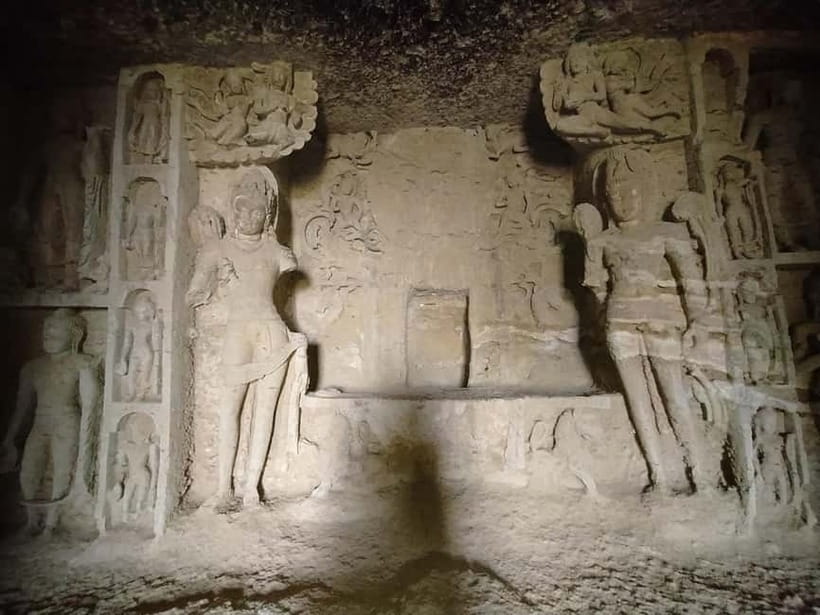
One detail I’d call out: the caves include intricate carvings, sculptures, and inscriptions, including ancient Brahmi script. One booking noted that a guide helped translate parts of what you’re seeing, which can turn the experience from pretty to meaningful fast. Even when you can’t read everything, having someone point out what’s symbolic makes the stone feel less random.
Kanheri is also described as having outstanding heritage value, which you can feel in the preservation and the sheer scale. You’re standing in a site that scholars and visitors come for because it captures a long, continuous tradition in a very compact walkable area (once you’re in the flow).
Sanjay Gandhi National Park Stop: Quick Views and a Breather
Between cave walking and the next temple, there’s a Sanjay Gandhi National Park photo stop. It’s brief, but it breaks up the day so the cave portion doesn’t feel like one long grind.
You don’t go deep into the park on foot here, so don’t book this expecting a full safari-style excursion. Think of it as a pause—an angle on the outdoors that helps reset your eyes before the Global Vipassana Pagoda.
Also, it’s practical: you’re dealing with Mumbai heat. A short stop where you can step out, take a few pictures, and regroup helps you keep the day enjoyable instead of exhausting.
Global Vipassana Pagoda: The Golden Symbol and What Vipassana Means
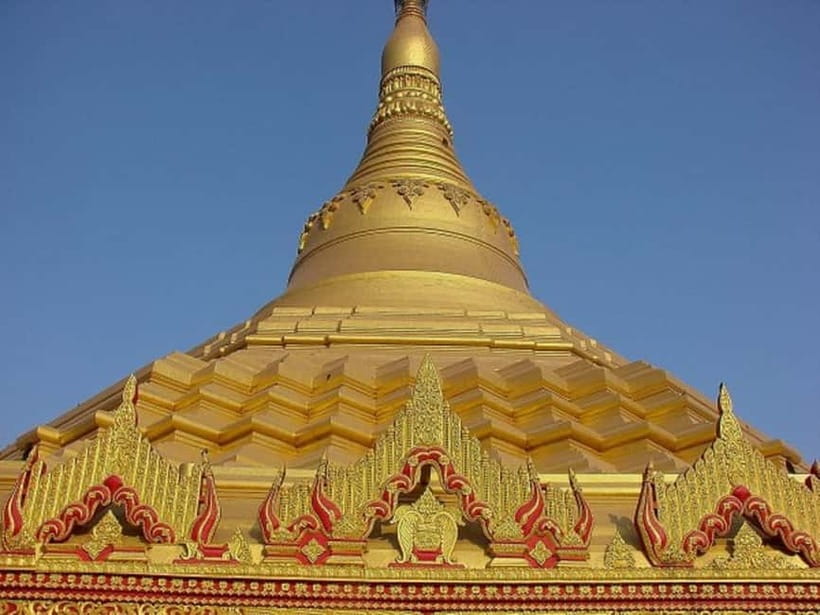
Then you reach the Global Vipassana Pagoda, often described as Mumbai’s largest Golden Vipassana Pagoda. It sits near Gorai Beach, so the setting feels calmer than you’d expect once you’re away from the busiest streets.
This is where the tour shifts from archaeology to ideas. The pagoda is presented as a symbol of peace and harmony, and the guide explains the basics of Vipassana meditation—its philosophy and its global significance. You’ll get context before you start looking hard at the building itself.
I like this approach because it prevents the classic temple problem: you stare at architecture, then forget why it matters. Here, the emphasis stays on understanding what you’re seeing and why it’s designed the way it is.
From there, the time at the pagoda feels less like rushing to a viewpoint and more like slowing down on purpose. You’ll still want your camera ready, but you’ll likely spend more time observing and listening than you do at typical sightseeing stops.
Timing, Walking, and What to Wear in Mumbai Heat
This tour can be 4 to 8 hours, and that range matters because your pace and the day’s temperature change everything. One recurring note is that it can be hot, especially if your route includes stretches at higher points. The caves themselves can feel like a cool break, but you still have to get there and keep moving.
Plan around that. Wear comfortable shoes—this is the one item the tour explicitly tells you to bring. If you’re the type who likes flexible comfort, you’ll be happier in walking shoes instead of sandals.
For the pagoda, clothing rules can be strict. One booking mentioned that shorts that don’t cover the legs aren’t allowed inside the temple, so I’d treat that as a real-world hint. If you want to avoid last-minute fuss, wear clothing that covers your legs comfortably and lets you stay focused on the experience.
And if you’re sensitive to heat, go early and stay hydrated. Bottled water is included, but your own drinking rhythm still matters. Take breaks when you need them and don’t treat the caves like a race.




Value for $28: Transport, Tickets, and the Stress-Saver Factor
At $28 per person, this tour can be a genuinely good deal—mainly because it bundles the stuff that usually costs time and effort. You get air-conditioned transport, entry ticket access, bottled water, and all parking and charges. That means you spend your energy on the caves and the pagoda, not on logistics.
There’s also a real time-saver: skip the line via a separate entrance. Even if you’re comfortable waiting, line time in Mumbai adds up fast, especially on a hot day when everyone’s trying to be efficient.
The tour also offers pickup and drop-off if you choose that option, with drivers meeting you at your hotel area. That matters more than you’d think when you’re trying to fit something meaningful into limited time. Instead of navigating and coordinating, you just show up ready to walk.
And the transport has strong performance notes—87% of past ratings gave it a perfect score. While you can’t control traffic, it’s still reassuring that the day has a track record of smooth execution.
What Makes the Guided Part Worth It (Even if You Usually DIY)
You can visit these places on your own, yes. But the guided element is where the tour earns its keep.
At Kanheri, the value is in interpretation. The caves have multiple functions—prayer halls, teaching spaces, meditation cells, monastic areas—and the carvings and inscriptions can look similar until someone explains what each area is for. One booking highlighted that there’s limited explanation if you go without guidance, and that the on-site pointers make you notice paintings and carvings that you might otherwise miss.
At the pagoda, the guide ties the architecture to Vipassana teachings. That’s a big difference between taking photos of a beautiful building and actually understanding why it’s there.
Also, pace matters on a walking day. Multiple bookings mention that guides adapt to the group’s comfort level and keep the experience moving without rushing. If you prefer slow sightseeing, you’ll likely find this style more comfortable than a strict checklist.
Who This Tour Fits Best (And Who Should Think Twice)
This is a strong match if you want a cultural day that doesn’t feel like a marathon. You’ll get Buddhist architecture, archaeological context, and meditation philosophy in one route.
It’s especially good for:
- People on a tight Mumbai schedule who still want depth
- Visitors curious about Buddhist history beyond mainstream temple stops
- Anyone who appreciates explanation more than just sightseeing photos
- Travelers who want the ease of pickup/drop-off and handled entry logistics
It may be a weak fit if:
- You’re not comfortable with heat and walking distances
- You’re looking for a full-day nature outing inside the national park
- You’re pregnant (the tour isn’t suitable)
- You’re visiting on a Monday, since Kanheri Caves are closed
If you’re traveling with parents or anyone who needs a gentler pace, this tour has a private-group setup, which can make it easier to slow down when needed.
Should You Book This Kanheri Caves and Golden Pagoda Tour?
Book it if you want a day with actual meaning, not just movement. The mix of Kanheri’s rock-cut Buddhist caves and the Global Vipassana Pagoda gives you both history and a living tradition tied to meditation teachings. With hotel pickup, air-conditioned transport, entry included, and skip-the-line access, you’re paying mostly to buy time back for yourself.
Skip (or switch plans) if you’re visiting on Monday or you know you can’t manage walking in heat. And if you’re the type who hates listening to explanations, you might find the guided portion less exciting than the stone and gold visuals alone. For most people, though, the guide-led interpretation is exactly what makes the day click.
FAQ
How long is the Kanheri Caves and Golden Pagoda tour?
It runs about 4 to 8 hours, depending on the starting time and how the day is scheduled.
How much does the tour cost?
The price is listed as $28 per person.
Do I get hotel pickup and drop-off?
Pickup is optional. If you select the option, the tour includes pickup and drop-off connected to your Mumbai hotel.
Where do the drop-offs happen?
Drop-offs are available in Mumbai and also at the Sanjay Ghandi National Park Ticket Counter.
Are the Kanheri Caves open every day?
No. The Kanheri Caves are closed every Monday.
What should I bring?
Wear comfortable shoes for the walking involved.
Is the entry ticket included?
Yes, entry tickets are included in the tour.
Is bottled water provided?
Yes, bottled water is included.
Is there a way to avoid long entry lines?
Yes. The tour includes skip-the-line access through a separate entrance.
Is this tour pet-friendly?
No. Pets are not allowed.
What are the cancellation and payment options?
You can cancel up to 24 hours in advance for a full refund. There’s also a reserve now & pay later option.
If you tell me what day of the week you’re going and whether you prefer a slower pace, I can help you judge whether this fits your schedule and energy level.