REVIEW · MUMBAI
Gufran’s Slum Home Tour in the Mumbai Slums
Book on Viator →Operated by Goofy Tour and Travel · Bookable on Viator
A slum tour can feel like a mirror. You’ll spend about two hours with Gufran in the Ganesh Murti Nagar area of South Mumbai, moving from classic landmarks to everyday routines and finally into a real home story. What I like most is how the tour is led by someone who grew up there—so the details come with context, not pity. The second big win: you get to see the neighborhood through daily life, including the way laundry is done and how community ties work.
There’s one thing to keep in mind: this is a close-up look at systemic poverty in an active community, so you’ll want the right mindset. Also, the experience depends on good weather, and if conditions are poor it may be rescheduled or refunded.
In This Review
- Key highlights worth your time
- Regal Cinema meet-up: tea before the real Mumbai
- Sassoon Docks fish market: built in 1875, still working
- Ganesh Nagar laundry-washing: watching work that never pauses
- Inside Gufran’s home: stories, Slum Care, and real faces
- The Shantaram connection at Ganesh Murti Nagar
- How to get the most from this slum home experience
- Value and price: why $11.35 can make sense here
- Timing, weather, and where you start and end
- Who should book this tour—and who should skip
- Should you book Gufran’s Slum Home Tour?
- FAQ
- How much does Gufran’s Slum Home Tour cost?
- How long is the tour?
- Where does the tour start?
- What’s included in the price?
- Is lunch included?
- Is the tour private?
- Does the tour run at specific times?
- What happens if the weather is bad?
- Can I cancel for free?
Key highlights worth your time

- Gufran’s personal connection: he shares stories from growing up in the neighborhood and runs an initiative called Slum Care.
- Regal Cinema meet-up: start with a hot cup of Indian tea at the iconic Art Deco Colaba theater.
- Sassoon Docks stop: built in 1875, now one of the big fish-market hubs in the area.
- Laundry-washing observation: watch a traditional routine that’s part of daily survival and community rhythm.
- Home visit with family and friends: expect conversation, curiosity, and a human-scale Mumbai experience.
- Value for money: all fees and taxes are included, with tea and bottled water in the price.
Regal Cinema meet-up: tea before the real Mumbai
Your tour starts at Regal Cinema in Apollo Bandar, Colaba. It’s a great choice of meeting point: it’s easy to find, and the Art Deco building feels like a calm “before” moment in a city that never really pauses. You’ll get a hot cup of Indian tea before you head out, which matters more than it sounds. In Mumbai, the day can turn hot fast, and having something warm in your hand helps you settle in.
This first stop also sets the tone. Instead of launching straight into “tour mode,” you get a soft landing with Gufran and the group. It’s the kind of start that helps you ask better questions later, and that makes the visit inside the slum feel more human and less like a photo opportunity.
You can also read our reviews of more tours and experiences in Mumbai.



Sassoon Docks fish market: built in 1875, still working

Next you’ll go to Sassoon Docks, one of the oldest docks in Mumbai, originally built in 1875. Today it’s known as one of the major fish markets, and that’s exactly why it’s worth including. This isn’t a staged market. It’s a working place where you can see the pace of trade and the practical energy of people doing their jobs.
Even if fish markets aren’t your personal style, this stop gives you a useful frame for the rest of the day. You start to understand what “near jobs, near markets” looks like when you’re not far from the docks. You’ll likely notice how commerce shapes movement—who’s where, what gets done first, and how quickly the whole scene turns over.
Some similar market stops come up in day-to-day reality around the docks area, and you may see related stalls in the wider neighborhood context. The key idea is simple: you’re not just looking at food; you’re watching the city’s supply chain in action.
Practical tip: wear comfortable shoes. Market areas tend to be crowded, and you’ll want your feet to be happy so your attention stays on the sights and conversation.
Ganesh Nagar laundry-washing: watching work that never pauses

The tour then shifts from the docks to a traditional laundry washing routine in Ganesh Murti Nagar. This is one of those stops that can hit you in the best way—because it shows daily work at close range. Laundry isn’t just a chore here; it’s part of keeping families functioning in a city where time and space are both tight.
What I like about this segment is that it’s not only about hardship. It’s also about skill and routine. You’ll be able to observe how people handle washing day-to-day, and that changes how you interpret everything else you see. Poverty becomes less like a headline and more like a system of small, repeated tasks that keep people going.
This stop also helps you adjust your expectations. A home visit can feel intense if you go in cold. Seeing laundry first gives you a “daily life” baseline, so when the tour moves into Gufran’s home, it feels like the next page of the same story.
Inside Gufran’s home: stories, Slum Care, and real faces

Then comes the heart of the tour: a visit to Gufran’s home, where he’s lived for 23 years. This isn’t a museum-style walkthrough. You’ll meet Gufran’s family and friends, and you’ll spend about an hour talking and moving through the space with genuine curiosity on both sides.
Gufran shares what life was like growing up there and talks about Slum Care, the social initiative he runs. That matters. Too many “poverty tours” only show conditions. Here, you also hear about action—how people try to improve their community while continuing to live in it.
There’s also a human element that comes through in the way the day is framed: smiles, curiosity, and conversation. You should go in ready to listen more than to “collect” impressions. If you treat it like a respectful chat guided by a local, the experience tends to land differently—less shock, more connection.
One more detail that adds texture: Gufran’s tour is described as a window into an authentic slice of Mumbai life. In practice, that means you’re not just learning facts; you’re getting context for how people see the city around them.
The Shantaram connection at Ganesh Murti Nagar
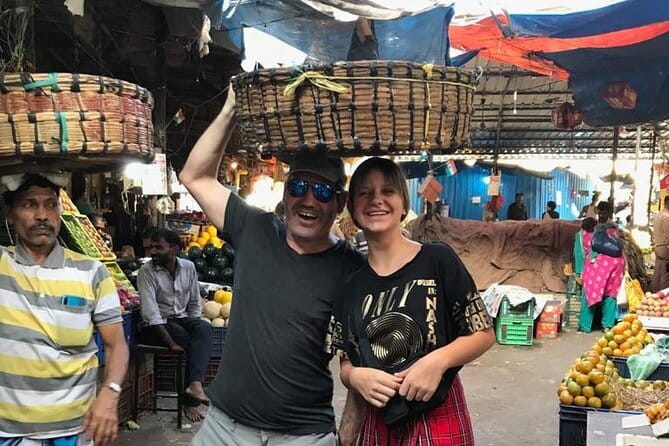
One of the most interesting details tied to the neighborhood is the link to Gregory Roberts, the author of the worldwide bestseller Shantaram. He lived in the Ganesh Murti Nagar area for a long time, and that’s the kind of fact that adds perspective if you read the book.
But here’s the practical point: don’t treat that connection as a celebrity trivia stop. It’s useful because it reminds you this neighborhood has always been more than outsiders’ labels. People have lived full lives here for decades, including writers, workers, and families shaping their own day-to-day reality.
If you’re a reader of Shantaram, you’ll probably notice how your sense of place changes after you’ve seen where people actually live and how the neighborhood functions.





How to get the most from this slum home experience

This is one of those tours where your attitude shapes the whole day. You’ll be seeing real living conditions, so aim for curiosity and respect over intensity. Ask questions that invite explanation: what daily life looks like, what changed over the years, and what Gufran’s work means on the ground.
Also, plan for a mindset shift. The tour moves from big landmarks (Regal Cinema) to a major market (Sassoon Docks) to everyday work (laundry) and then to a home. That order isn’t random. It helps you build understanding step by step.
A few practical notes from the tour setup:
- It’s a private tour/activity, meaning only your group participates.
- You get bottled water and tea/coffee.
- It lasts about 2 hours, so it’s not an all-day commitment.
If you’re worried about emotional strain, consider easing in. You’ll have tea at the start, then a market stop to get your bearings, and only afterward does the home visit begin.
Value and price: why $11.35 can make sense here

The price is $11.35 per person, and that’s hard to compare to the usual “city sightseeing” model. Here, the cost covers more than transport. The tour includes:
- Coffee and/or tea
- Bottled water
- All fees and taxes
- A local guide (Gufran)
And you’re not doing it as a faceless group. It’s private, and the guiding is personal because the host is tied to the neighborhood. That matters for value. You’re paying for access—access to stories, spaces, and daily life guided by someone who lives that reality.
What’s not included is lunch, so plan on eating before or after. The good news: because this runs about two hours, you can usually fit it into a half-day plan without derailing your meals.
Timing, weather, and where you start and end

The meeting point is Regal Cinema (Apollo Bandar, Colaba). The tour ends back at the meeting point, which keeps logistics simple. The operating window runs daily 11:00 AM to 5:00 PM.
One practical consideration: the experience requires good weather. If it’s cloudy or rainy, you might need to reschedule. This is worth thinking about if you’re trying to pack tours around monsoon season.
Because the tour is “near public transportation,” you should be able to reach the start area without too much hassle. Still, I’d keep buffer time, since Mumbai traffic and crowds can vary.
Who should book this tour—and who should skip
This tour is a strong match if you want more than skyline photos. If you like seeing how cities actually work—markets, routines, neighborhoods—this fits your style. It’s also ideal if you’re interested in social initiatives like Slum Care, because you’ll hear what the work looks like from inside the community.
If you prefer comfortable distance from poverty and don’t want close-up human stories, you may find the emotional weight heavy. The neighborhood is active, and the tour is designed to be real. Going in with the right expectations is the difference between a good day and a rough one.
Should you book Gufran’s Slum Home Tour?
My take: if you’re in Mumbai for long enough to do one meaningful “local life” experience, this is a smart choice. For the modest price of $11.35, you get tea at an iconic Colaba theater, a dock-era market stop, laundry routine context, and then a home visit led by someone who lives there and runs a community initiative.
Book it if you’re curious, respectful, and comfortable hearing real stories about poverty and daily work. Consider skipping or postponing if you’re traveling on a day where weather could be unreliable, or if you know you don’t handle intense subject matter well.
If you do book, go early in your thinking: plan for a short, focused two-hour window, bring comfortable shoes, and keep your questions thoughtful. This tour rewards that kind of approach.
FAQ
How much does Gufran’s Slum Home Tour cost?
It costs $11.35 per person.
How long is the tour?
The tour lasts about 2 hours.
Where does the tour start?
Meet at Regal Cinema, Apollo Bandar, Colaba, Mumbai, Maharashtra 400001, India.
What’s included in the price?
The tour includes coffee and/or tea, bottled water, all fees and taxes, and a local guide.
Is lunch included?
No. Lunch is not included.
Is the tour private?
Yes. It’s a private tour/activity, so only your group participates.
Does the tour run at specific times?
Yes. The opening hours are 11:00 AM to 5:00 PM, Monday through Sunday.
What happens if the weather is bad?
The experience requires good weather. If it’s canceled due to poor weather, you’ll be offered a different date or a full refund.
Can I cancel for free?
Yes. You can cancel for a full refund up to 24 hours in advance of the experience start time.