REVIEW · HERITAGE WALKING TOURS
Victorian Gothic Heritage Quarter and Art Deco Walking Tour
Book on GetYourGuide →Operated by Cityscape Mumbai Tours · Bookable on GetYourGuide
Mumbai’s architecture tells stories fast. This tour strings together Victorian Gothic and Art Deco landmarks in a short, satisfying walk, and the guide actually makes the details make sense. I especially liked how smoothly it connects the big icons like Rajabai Clock Tower and the Chhatrapati Shivaji Maharaj Terminus to the wider idea of Mumbai’s colonial past meeting modern ambition. A small drawback: it’s still a street-walking format, so if you’re heat-sensitive, plan for sun and stamina.
Another win is the human touch. Guides like Sharon, Jawwad (Jay), and Abhi are described as careful with questions and pacing, and you’ll also get practical extras like vada pav and pani puri with bottled water. If you want a super slow, sit-down museum day, you might feel the pace is more city-walk than full stop-and-stare.
In This Review
- Key Things I’d Watch For
- Why This Gothic-to-Art-Deco Walk Works in 2.5 Hours
- Start at Colaba: PizzaExpress, Gateway of India, and Quick Orientation
- The Street-Level Stops That Add Flavor (Without Eating Up Time)
- Chhatrapati Shivaji Maharaj Terminus: Victorian Gothic You Can Actually Read
- Oval Maidan: Where Gothic and Art Deco Sit Side by Side
- High Court and Mumbai University: Institutions Behind the Style
- The Eros Cinema Finale: Art Deco in a Human Scale
- Included Street Food: Vada Pav, Pani Puri, and What to Do With It
- Price and Value: Is $16 Actually Fair for This Route?
- Guides Matter: Sharon, Jawwad (Jay), and Abhi Set the Tone
- Who This Tour Suits Best (And Who Might Want Something Different)
- Should You Book This Tour?
- FAQ
- Where is the meeting point?
- How long is the tour?
- What does the tour cost?
- What food is included?
- Which sites are part of the experience?
- Is the tour guide available in English?
- Is transportation included?
- What’s included besides the guide?
Key Things I’d Watch For

- PizzaExpress in Colaba is the launch point, so you start in a busy, real neighborhood instead of a remote hotel pickup.
- Chhatrapati Shivaji Maharaj Terminus gets a guided visit with UNESCO-level focus and time to actually look.
- Oval Maidan is the visual payoff, where Gothic shapes and Art Deco angles land side by side.
- You get street food tastings (including vada pav and pani puri), not just photos of buildings.
- The tour ends at Churchgate Station, which helps you flow onward without backtracking.
- English-speaking guides keep the walk conversational, including room for questions and small requests.
Why This Gothic-to-Art-Deco Walk Works in 2.5 Hours
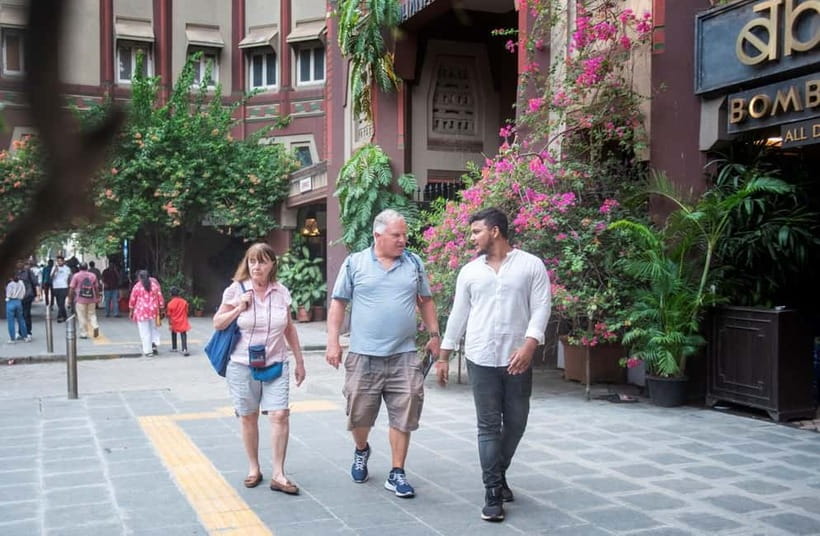
This tour is built for people who want real architecture context without spending the whole day in transit. In about 2.5 hours, you move through the historic core where Mumbai’s style history shows up in stone, lines, and façades—not in a textbook.
I like the structure because it doesn’t treat styles like trivia. You’re shown how Victorian Gothic ties to the colonial-era look of institutions, while Art Deco reflects a later wave of modern aspirations. The contrast at Oval Maidan makes the point instantly: you don’t just learn that these styles exist, you see how they sit in the same urban frame.
One more value point: the price is low enough that you feel okay spending it on a guided walk that also feeds you. At $16 per person, you’re buying a trained guide, timed stops, and included tastings rather than paying museum-style fees.
You can also read our reviews of more walking tours in Mumbai


Start at Colaba: PizzaExpress, Gateway of India, and Quick Orientation
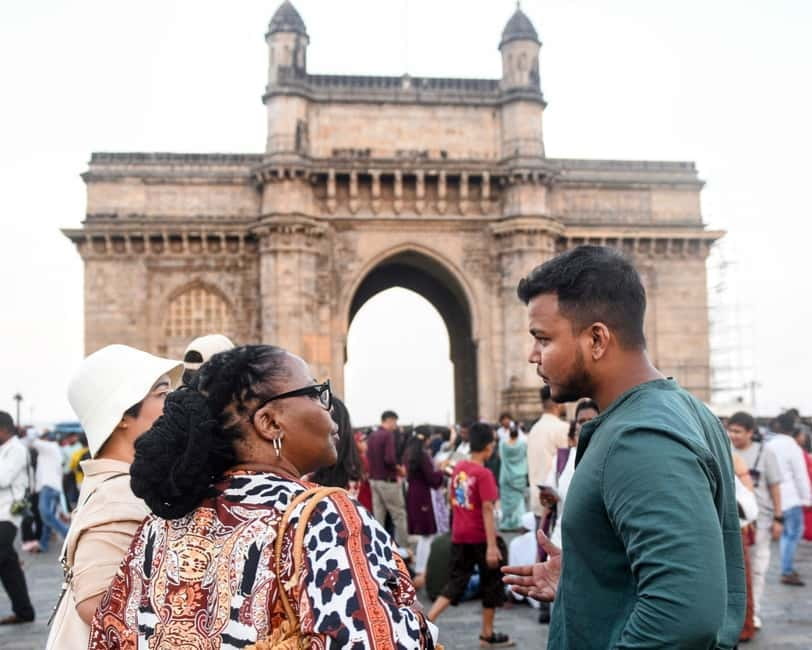
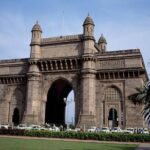
You meet your guide at PizzaExpress in Colaba, which is convenient because Colaba is already where a lot of first-time Mumbai sightseeing happens. That matters because you can arrive with a sense of place instead of trying to decode a distant meeting point.
From there, you head toward the Gateway of India area for a short guided segment (around 15 minutes). You’re not stuck there forever, which is smart, because the real architectural story is coming next. Still, the Gateway stop is useful because it gives you a mental map for how the city’s grand public spaces relate to the surrounding heritage district.
A practical note for you: this is a walking tour, so you’ll want comfortable shoes early. If it’s sunny, it also helps to have water ready even though bottled water is included.
The Street-Level Stops That Add Flavor (Without Eating Up Time)
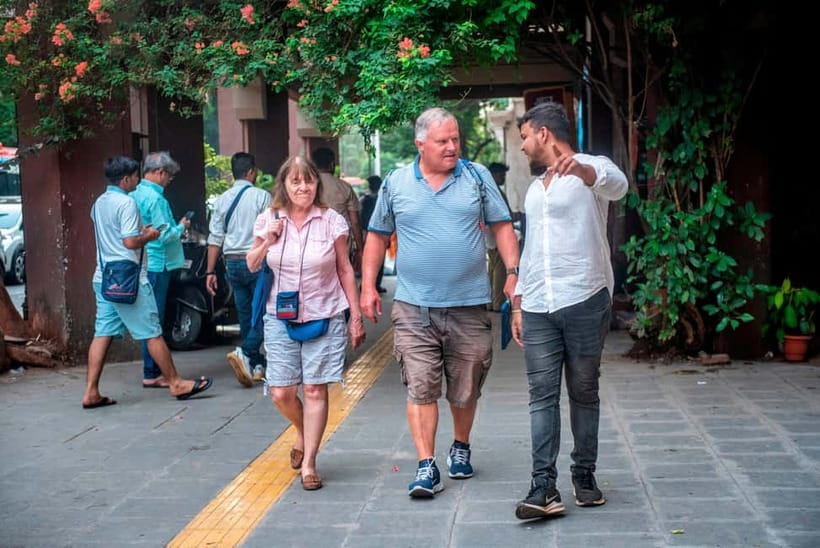
The itinerary includes a couple of quick photo moments and guided pauses in the historic area (each around 15 minutes for the guided portion). You might not recognize every exact corner at first, but these breaks are doing important work: they keep the pace moving while giving you enough context to connect the buildings you’ll see later.
This is also where you’ll start getting the idea of how the guide thinks. Good guides don’t just point at pretty façades. They connect streets, institutions, and public spaces so the architecture becomes part of Mumbai’s story rather than separate sights.
And yes, this is when the included food tastings start to matter. Since street food is part of the tour, the stops act like natural rest breaks. That makes the walk feel less like homework and more like a guided wandering with a plan.
Chhatrapati Shivaji Maharaj Terminus: Victorian Gothic You Can Actually Read
The tour’s first major architectural anchor is Chhatrapati Shivaji Maharaj Terminus (CST). It’s a UNESCO World Heritage site, and the guide gives it a 20-minute visit with an eye for what you’re seeing.
Here’s what I think you’ll appreciate: Victorian Gothic isn’t only about “gothic” vibes. It’s about complexity—patterns, ornament, structure, and how the building announces importance. At CST, you get time to slow down just enough to notice how the design communicates civic pride.
Also, there’s a big practical benefit: skip the ticket line is included. That means you spend more time looking and less time waiting. In a 2.5-hour tour, waiting is basically lost memory.
If you’re the type who likes architecture but gets bored when the explanation turns into pure dates, keep an ear open for the way the guide connects CST to the colonial-era institutional look—because it sets you up for the later contrast with Art Deco.
Oval Maidan: Where Gothic and Art Deco Sit Side by Side

Then you hit Oval Maidan, and this is the stop that justifies the whole trip. The guided time here is about 10 minutes, plus you get a photo stop to take in the big picture.
The key point: this is a visual comparison zone. One side shows 19th-century Gothic facades; the other side shows sleek Art Deco buildings. The tour explains the difference in a way you can see immediately: Gothic design leans into verticality and ornate structure, while Art Deco tends to favor cleaner lines and a more streamlined look.
Oval Maidan also gives you a sense of urban planning. It’s a central open area that helps the surrounding buildings look like an intentional gallery. So even though the walking segment is short, your brain gets a layout reference you’ll remember long after you leave.
One consideration: if you’re visiting around midday, heat can hit hard in Mumbai. One review noted it got quite warm toward noon and wished the start was earlier. If your schedule allows, plan for cooler morning timing when you can, and keep your water habit steady.
You can also read our reviews of more historical tours in Mumbai






High Court and Mumbai University: Institutions Behind the Style

The tour also includes standout Gothic Revival architecture tied to Mumbai High Court and Mumbai University. Even if you only get brief viewing time from the street, the guide’s job is to translate what you’re seeing into why it exists.
This is where the tour becomes more than sightseeing. When Gothic style shows up on civic and educational buildings, it’s part of how a city projects authority and permanence. It’s not decorative just for decoration’s sake. It’s tied to institutions and the era that built them.
If you like history but hate long lectures, I think you’ll like the guide’s approach here: they focus on architectural features and cultural significance rather than dumping a list of dates. You’ll walk away with an easier way to interpret Mumbai from street level.
The Eros Cinema Finale: Art Deco in a Human Scale
The tour concludes with a visit to Eros Cinema, described as an Art Deco masterpiece. This makes sense as a final stop because Art Deco can feel sleek and abstract until you see it attached to something real—something people actually go to.
Eros Cinema is a strong ending note because it shifts the experience from “buildings as museum objects” to “buildings as lived city spaces.” You get to feel how style affects everyday life, not just how it looks in a photo.
If you’re planning your afternoon afterward, ending here also helps. You can keep your momentum and flow into nearby sights, instead of needing a complicated return plan.
Included Street Food: Vada Pav, Pani Puri, and What to Do With It
One of the best parts of this tour is that it doesn’t ask you to choose between culture and calories. The tour includes street food tastings like vada pav and pani puri, plus additional local tastings, along with bottled water.
I like this arrangement because it’s practical. Food breaks the walking rhythm and gives you a sensory layer that architecture alone can’t deliver. Also, when a guide is present, you’re more likely to know what you’re eating and how to handle it safely and comfortably in a new environment.
For your own planning: eat mindfully. Start with small bites when possible, and pause if anything feels too spicy or intense. You’re not on a food sprint—you’re on an architecture-and-city story walk.
Price and Value: Is $16 Actually Fair for This Route?
At $16 per person, this tour is priced like a bargain. That’s partly because it’s built around walking, not expensive transport. But the value isn’t only in the low cost.
You’re also paying for:
- a professional English-speaking guide
- UNESCO-level context at CST
- time at key Gothic and Art Deco contrast points like Oval Maidan
- included street food tastings (vada pav, pani puri, and more)
- bottled water
- the practical win of skipping the ticket line
If you were to do this as a self-guided walk, you’d still be able to see many of the buildings. The difference is you’d likely miss the “why” that connects styles to colonial-era institutions and later modern aspirations. With a guide, the area feels like a coherent story instead of disconnected photos.
Guides Matter: Sharon, Jawwad (Jay), and Abhi Set the Tone
What stands out in the feedback is that the guides are tuned into people, not just facts.
- Sharon is praised for being highly informative about both the tour sights and Mumbai in general, and for navigating in a way that felt comfortable.
- Jawwad, also referred to as Jay, is described as very knowledgeable, friendly, and responsive—taking time for special requests like resting, buying things, or seeing specific places.
- Abhi is mentioned as a great guide, with travelers appreciating the experience.
Even when you’re not getting a detailed lecture at every corner, that kind of guide presence changes the feel of a walking tour. You’re less likely to get lost in the details, and more likely to feel safe moving through busy streets.
Who This Tour Suits Best (And Who Might Want Something Different)
This is a great fit if:
- you’re a first-timer in Mumbai and want a fast, focused architecture hit
- you like Gothic and Art Deco styles and want the contrast explained
- you want a guided walk with local food included
- you prefer English narration and like asking questions
You might want a different format if:
- you’re expecting long indoor museum time (this is street-facing architecture)
- you’re sensitive to sun and walking (plan for heat, especially if you’re starting around noon)
- you prefer private, slower pacing rather than a group rhythm
Should You Book This Tour?
If you want a short way to understand why Mumbai looks the way it does, I’d book it. The combo of Victorian Gothic icons, the Gothic-versus-Art-Deco showdown at Oval Maidan, and an Art Deco ending at Eros Cinema makes this more than a checklist walk. Add in the included food tastings like vada pav and pani puri, and you get a tour that feels like real city life instead of just architecture viewing.
My practical tip: if your schedule gives you options, choose a start time that avoids the hottest part of the day. Bring water habits even though bottled water is provided, and wear shoes you can trust for uneven sidewalks.
If that sounds like your kind of day, this is a smart, good-value way to see Mumbai’s style history without wasting hours.
FAQ
Where is the meeting point?
You’ll meet your guide at PizzaExpress in Colaba.
How long is the tour?
The tour runs for about 2.5 hours.
What does the tour cost?
It costs $16 per person.
What food is included?
The tour includes street food tastings, including vada pav and pani puri, plus other tastings.
Which sites are part of the experience?
You’ll visit or view major heritage and architecture stops such as Chhatrapati Shivaji Maharaj Terminus, Oval Maidan, Gateway of India, and the tour concludes at Eros Cinema.
Is the tour guide available in English?
Yes, the tour includes a live English-speaking guide.
Is transportation included?
No. Private transportation and pickup/drop off are not included. You’ll meet at the scheduled meeting point and then follow the walking route to the finish at Churchgate Station.
What’s included besides the guide?
You get street food tastings and bottled water included in the tour.