REVIEW · CITY TOURS
Private Full-Day Mumbai City Tour with Elephanta Caves Excursion
Book on Viator →Operated by Pacific Classic Tours India · Bookable on Viator
A private day in Mumbai saves you headaches. You’ll knock out Elephanta Caves plus key South Mumbai sights in one smooth loop, with ferry rides and city driving handled for you. I especially like the air-conditioned vehicle and hotel or cruise pickup so you can start at 8:00 am without wasting your morning in taxis.
The second win is the human touch. I love having a local guide who can explain what you’re looking at, from Shiva’s stone carvings to why places like CST and Mani Bhavan matter.
Do plan for the one trade-off: entrance fees and a long, full day. Elephanta and some other stops charge extra (around $16 per person), and the ferry to the island runs only with clear weather.
In This Review
- Key things to know before you go
- Mumbai in One Long Morning: Why This Tour Makes Sense
- Elephanta Caves by Ferry and Toy Train: What You Should Expect
- Gateway of India, CST, and Crawford Market: The South Mumbai Starter Pack
- Hanging Gardens, Marine Drive, and Scenic Views With Real Timing
- Mani Bhavan and Dhobi Ghat: History You Can Actually Feel
- Vastu Sangrahalaya (Formerly Prince of Wales Museum): Architecture + Artifacts
- Price and Value: What $192.86 Buys You in Real Life
- Logistics That Affect Your Day: Traffic, Crowds, and Ferry Weather
- Who This Tour Suits Best (and Who Might Not)
- Guides, Personalization, and How to Get More From the Day
- Should You Book This Mumbai and Elephanta Day Trip?
- FAQ
- What time does the tour start?
- How long is the private Mumbai City Tour with Elephanta Caves?
- Is pickup and drop-off included?
- Is this a private tour?
- How do we get to Elephanta Caves?
- Is the admission ticket included for Elephanta Caves?
- Are entrance fees included for all stops?
- Is lunch included?
- Is the ferry ride included?
- What if the ferry can’t operate due to weather?
Key things to know before you go
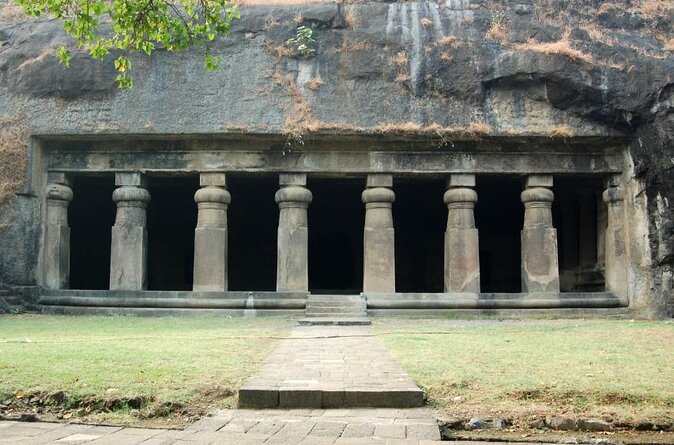
- Elephanta Caves are reached by ferry, with a toy train ride to the cave steps area
- You get a true private tour with your own guide and driver in an air-conditioned vehicle
- South Mumbai highlights are packed in efficiently: Gateway of India, CST, Crawford Market, Marine Drive
- You’ll include viewpoints like Hanging Gardens for wide harbor and sea views
- Culture stops go beyond photos at Mani Bhavan Gandhi Museum and Dhobi Ghat
- Budget time and money for entrances since admission is not included for all sights
Mumbai in One Long Morning: Why This Tour Makes Sense
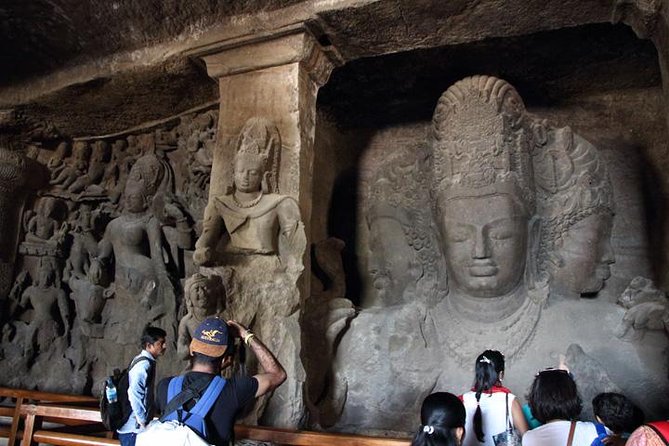
This is the kind of day that feels like you’re cheating the calendar—in a good way. You start with an early pickup, then move between Mumbai’s big-ticket history and the island’s older-than-old temple carvings, all without planning routes or timing ferries yourself.
The itinerary is built for real-world Mumbai. Traffic can be heavy, and that’s exactly why the tour leans on a private driver and a tight plan. You get the comfort of an AC car and the advantage of not figuring out where to stand, where to queue, and how long the transit pieces will take.
There’s also a practical upside to doing this as a private tour. Your guide can keep you on track, but you’re still free to linger at the parts that catch your eye, especially at Elephanta where the carvings reward a slower walk.
You can also read our reviews of more city tours in Mumbai

Elephanta Caves by Ferry and Toy Train: What You Should Expect
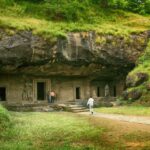
The day’s anchor is Elephanta Caves, accessed only by ferry. Once you reach the harbor area, you board the boat to Elephanta Island, then spend about two hours exploring the cave temples.
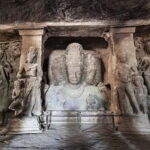
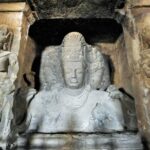
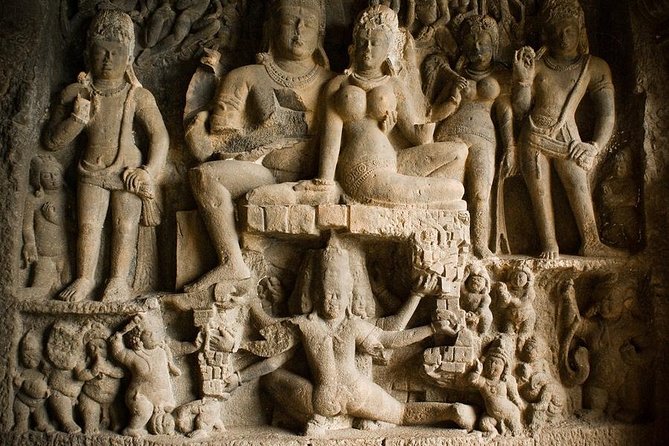
Here’s what makes the caves worth the time: the stone work dates back to around the fifth century, carved as rock-cut temple spaces with reliefs and statues honoring Shiva. If you stand still for a minute, the carving details start to make sense—hands, faces, and symbolic forms that feel less like decoration and more like storytelling.
One small detail that helps your legs: the included toy train ride. Instead of walking the whole way, you’ll use that short transport segment to reach the cave steps area, which is handy if you’re visiting in warmer months or just want to conserve energy for the cave interior.
Two things to keep your expectations realistic. First, entrance tickets are extra (not included). Second, the ferry is weather-dependent, and clear conditions are required for operations. If the sea is rough, plans can shift, so I’d mentally treat Elephanta as the most “sensitive” part of the day.
Also, quick planning note: smart casual dress is suggested, and cave visits mean you’ll want comfortable footwear. The caves reward patience, but you still need to move over stone surfaces.
Gateway of India, CST, and Crawford Market: The South Mumbai Starter Pack
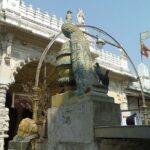
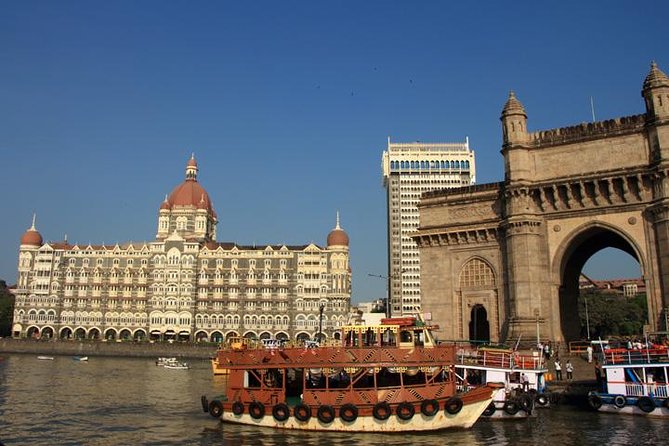
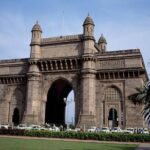
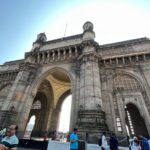
After you return by ferry, you roll straight into classic South Mumbai. Your first stop is the Gateway of India, a bold basalt monument completed in 1924 that looks directly over Mumbai Harbour. It’s a great place to reset your bearings because you can literally see the city’s relationship to the water.
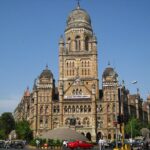
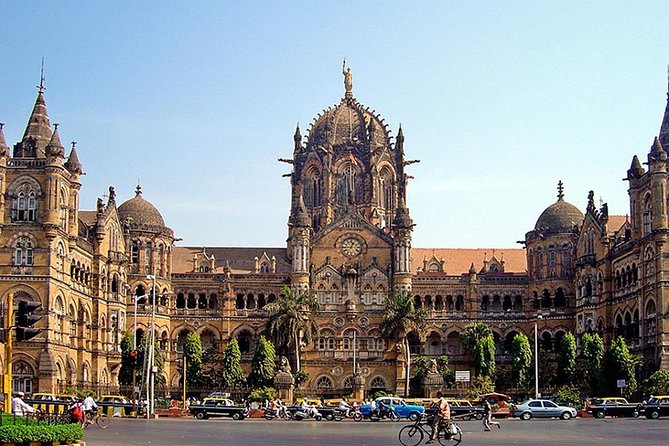
Next comes Chhatrapati Shivaji Maharaj Vastu Sangrahalaya later in the day, but your earlier stop at Chhatrapati Shivaji Terminus (CST, formerly Victoria Terminus) hits a different note. CST is a UNESCO-listed Victorian Gothic masterpiece, and even if you’re not a rail fan, the building’s energy shows up fast. It’s an architecture moment, plus a people moment—expect crowds if you time it near busy arrival or departure periods.
Then you head to Mahatma Jyotiba Phule Mandai (Crawford Market), a wholesale market with a very old-school feel. This is where you see Mumbai as a working city. You won’t just look at stalls; you’ll get a sense of how daily commerce shapes the neighborhoods around it.
One thing I like about clustering these stops is how different each one feels. Gateway is monumental and coastal. CST is structured and theatrical. Crawford Market is practical and loud (in the best way). Together, they give you a fast, readable introduction to how Mumbai is layered.
Hanging Gardens, Marine Drive, and Scenic Views With Real Timing
South Mumbai’s best photos often depend on where the light is and how crowded a viewpoint gets. This tour balances that by adding viewpoint stops rather than only museum-style interiors.
You’ll spend time at Hanging Gardens (Pherozeshah Mehta Gardens) on Malabar Hill. These terraced gardens are known for wide views over the Arabian Sea. From here you can connect dots between inland city life and the harbor edge you saw earlier.
Then you get a Marine Drive photo stop, stretching from Nariman Point toward Girgaum Chowpatty and beyond. At this point in the day, the sea air and skyline views give you a welcome break from walking and indoor history. Marine Drive is one of those places where people come to watch the world go by, and even a short stop helps you understand why.
Because traffic and timing can affect the day, I’d treat these viewpoint stops as “take the photo, then breathe” moments. Don’t rush; just don’t expect a long sit-down picnic. The value here is stacking views with the rest of the itinerary.
Mani Bhavan and Dhobi Ghat: History You Can Actually Feel
Two stops that often separate a good city tour from a great one are places where you feel the human layer of the city. This tour includes both Mani Bhavan Gandhi Museum and Dhobi Ghat.
At Mani Bhavan, you visit a Gujarati-style residence that served as Mahatma Gandhi’s organizing headquarters during visits to Bombay from 1917 to 1934. The museum is small, but it’s designed to make those years personal—Gandhi’s room, the photographic record, and the sense that big movements were built from real offices and real desks.
Next comes Mahalaxmi Dhobi Ghat, described as the world’s largest unmechanized laundry facility. You’ll spend around fifteen minutes here, long enough to watch the rhythm of the washing routines and understand this as living industry, not a staged attraction. It’s a cultural reality check, and it’s one of those experiences that sticks because it’s ordinary life with a strong visual identity.
If you’re sensitive to crowds or noise, Dhobi Ghat can feel intense. Go in with respect, keep your distance, and remember this is work—people are doing their jobs.
You can also read our reviews of more private tours in Mumbai



Vastu Sangrahalaya (Formerly Prince of Wales Museum): Architecture + Artifacts
Later in the day you’ll visit Chhatrapati Shivaji Maharaj Vastu Sangrahalaya, formerly known as the Prince of Wales Museum. It’s designed by George Wittet, and it’s a strong stop if you want the day’s story to include how Mumbai presented itself to the world.
This is also your museum decompression moment. You’ll have about an hour here, which is long enough to see the architecture and pick up enough context to make the rest of the city feel clearer.
If you’re aiming for value, this stop is the right kind of “interior time” in a day that’s mostly outdoor landmarks and ferry travel. It also helps balance the spiritual tone of Elephanta earlier in the day.
Price and Value: What $192.86 Buys You in Real Life
At $192.86 per person, this isn’t a cheap “see everything” add-on. But it is priced like a full-day private service, not like a quick hop-bus.
Here’s what you’re paying for that matters:
- Pickup and drop-off from hotel, airport, or cruise port
- Private air-conditioned vehicle for the city loop
- A professional local private guide to connect the dots between sites
- Round-trip ferry to Elephanta
- Toy train access to the cave steps area
- Bottled water
Then come the extras you should budget:
- Entrance fees are not included for the sights
- Lunch is own expense
That’s a big point for value. If you tried to DIY this with local taxis, you’d still pay for transit, probably waste time figuring out schedules, and risk missing ferry timing. This tour buys time and reduces stress, especially if it’s your first day in Mumbai or you’re short on days.
Also, it’s booked far in advance on average (around 135 days). That tells you something: it’s popular for a reason, and early booking helps you lock in your pickup and guide timing.
Logistics That Affect Your Day: Traffic, Crowds, and Ferry Weather
Mumbai’s traffic isn’t just a nuisance; it’s a planning factor. The tour’s schedule anticipates that by using a private driver and keeping each stop time-boxed. You’ll still feel the pace of a long day, but you’re less likely to spend your hours stuck in random waiting.
Crowds also matter. CST and the market area can be busy, and you’ll share space with lots of local movement. The upside is that these are not empty “theme-park versions” of Mumbai. The downside is you’ll want to keep your expectations flexible.
Finally, ferry weather is the big variable. Since Elephanta is reachable only by ferry and operations depend on clear conditions, it’s smart to bring a little extra patience and not treat the day as perfectly fixed to the minute.
Who This Tour Suits Best (and Who Might Not)
This tour fits you best if:
- You have a limited amount of time in Mumbai and want major sights covered
- You want a private guide who can explain what you’re seeing, not just read a script
- You like mixing big monuments with working-city stops like Dhobi Ghat
- You’d rather pay for convenience than spend your day planning transit
It might be less ideal if:
- You prefer very slow, museum-heavy days with lots of downtime
- You dislike long schedules and are easily exhausted by early starts plus travel
- You want everything included in the price without any extra payments
- You’re traveling when weather risk is high and ferry reliability is uncertain
Guides, Personalization, and How to Get More From the Day
One thing that comes through in how this tour is run is the focus on keeping you moving while still letting you steer the details. People often highlight guides who can explain not just facts, but the story behind carvings, architecture, and civic life.
You’ll also benefit from personalization. If you care more about Gandhi-era history than rail architecture, you can ask your guide to emphasize what you like. If you love photo stops, you can spend a few extra minutes at Marine Drive or Malabar Hill, as long as the overall schedule stays workable.
Practical tip: ask your guide what to prioritize inside the caves before you enter. Elephanta can feel like a maze of stone spaces, and a quick orientation helps you catch the main carvings faster.
One more smart move: if any stop feels like it’s turning into hard selling, ask politely to skip. A “respectful but firm” approach works well in markets and shopping detours.
Should You Book This Mumbai and Elephanta Day Trip?
Book it if you want an efficient, private day that pairs the world-famous draw of Elephanta Caves with the best-known South Mumbai landmarks. The mix is strong: island temples, colonial harbor views, UNESCO architecture, working-market energy, and Gandhi-era history, all in one long outing.
Skip or reconsider if your schedule is tight due to weather risk, you don’t want to pay extra entrance fees, or you prefer a slower style of sightseeing. In Mumbai, the difference between a great day and a tiring one often comes down to expectations and pacing.
If you’re weighing this against DIY, the deciding factor for me is simple: you’re buying time, comfort, and guide-led context. For most first-time (or short-time) visitors, that’s exactly the kind of value that makes a trip feel effortless.
FAQ
What time does the tour start?
The start time is 8:00 am.
How long is the private Mumbai City Tour with Elephanta Caves?
It runs about 9 to 10 hours, including transfers (duration can vary with traffic).
Is pickup and drop-off included?
Yes. Pickup and drop-off are offered from the hotel, airport, or cruise port.
Is this a private tour?
Yes. It’s private, so only your group participates.
How do we get to Elephanta Caves?
You travel by ferry to Elephanta Island. Elephanta Caves are accessible only by ferry.
Is the admission ticket included for Elephanta Caves?
No. Admission for Elephanta Caves is not included, and entrance fees for sights are extra.
Are entrance fees included for all stops?
No. Entrance fees are at your own expense (entrance fees for sights are listed as $16.00 per person).
Is lunch included?
No. Lunch isn’t included, and you’ll purchase it at a local restaurant (own expense).
Is the ferry ride included?
Yes. The tour includes the round-trip ferry ride to Elephanta Caves.
What if the ferry can’t operate due to weather?
Ferry operation depends on clear weather conditions, so you may face schedule changes if conditions aren’t suitable.