REVIEW · CITY TOURS
Mumbai City Tour with Licensed Guide and Lunch
Book on Viator →Operated by Mumbai Moments · Bookable on Viator
Mumbai has a million moving parts. This tour organizes them for you.
What I like most is the accessible, hands-on support so you can keep up at your pace, whether you use a wheelchair, walk slowly, or rely on crutches. I also love the mix of big-ticket landmarks and everyday Mumbai moments, from Dhobi Ghat laundry life to the iconic Chhatrapati Shivaji Terminus. One thing to keep in mind: it’s a tight 5–6 hour run, so you’ll get good stops for photos and context, but not long hanging-out time at every location.
The day is guided by a local English-speaking host, and the name that comes up again and again is Amish Sheth, praised for humor and for making Bombay feel human, not just historic. If you want a smooth, low-stress way to see South Mumbai’s highlights with real local context, this is built for that.
In This Review
- Key Points at a Glance
- Accessibility Support That Changes the Whole Day
- Meeting at Ballard Pier: Start Time and How the Tour Runs
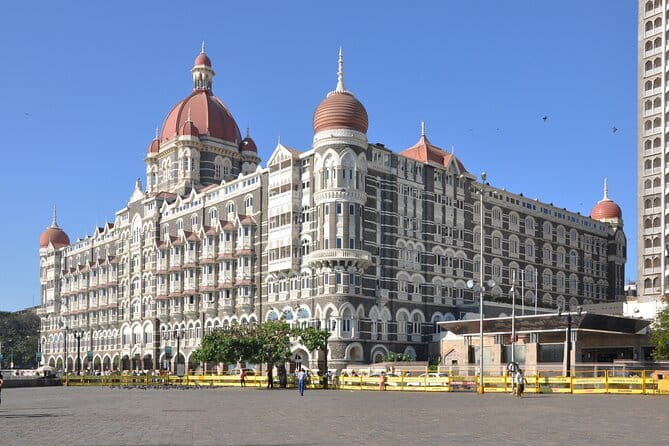
- Gateway of India to Colaba: A British-Era Start at the Water’s Edge
- Marine Drive’s Queen’s Necklace: Skyline Views Without the Stress
- Dhobi Ghat: Hand Laundry, Real Routine, Real Perspective
- Chowpatty Beach: Where the City Takes a Break
- Mani Bhavan Gandhi Museum: A Focused Stop with Meaning
- Oval Maidan and the Cricket Connection
- Mumbai University Clock Tower: Gothic Style Meets City Views
- BMC Headquarters and Chhatrapati Shivaji Terminus: Power and UNESCO Rail History
- Lunch, Bottled Water, and Masala Chai That Keep You Going
- Price and Value: What $238.67 Buys You
- Who Should Book This Mumbai City Tour (and Who Might Skip It)
- Should You Book This Tour?
- FAQ
- What time does the Mumbai City Tour start?
- How long does the tour last?
- Where is the meeting point?
- Where does the tour end?
- Is there an English-speaking guide and care attendants included?
- Is lunch included, and is it vegetarian?
- Are admission fees included for the stops?
- Does the tour include drinks and water?
Key Points at a Glance
- Care assistants included for accessibility needs, plus support during transfers
- Small group size (up to 6 travelers) helps the pace feel manageable
- English-speaking local guide with stories tying together architecture, faith, and Bollywood
- Admissions covered where the tour lists entry fees (Dhobi Ghat, Mani Bhavan, and Chhatrapati Shivaji Terminus)
- Vegetarian Indian lunch + chai plus bottled water, built into the flow
- Classic South Mumbai route from Colaba and Marine Drive through Gandhi sites and UNESCO rail history
Accessibility Support That Changes the Whole Day
This is not a typical sightseeing tour that assumes everyone walks the same speed. The focus here is on travelers with limited mobility—slow walkers, wheelchair users, and people with crutches—and the key difference is that you don’t just get a label. You get professional care attendants who stay with you and provide personalized help, including assistance with transfers.
That matters because Mumbai’s older neighborhoods can be unpredictable underfoot and full of stairs, crowds, and bottlenecks. With the right support, you can spend your energy looking at the city instead of negotiating logistics.
Even if you’re not using a mobility aid, I still think the “care + guide” format is smart. It usually means fewer awkward pauses, clearer movement from stop to stop, and more time spent learning than figuring out how to catch up.
You can also read our reviews of more guided tours in Mumbai


Meeting at Ballard Pier: Start Time and How the Tour Runs
You’ll meet at Ballard Pier / Alexandra Dock / Green Gate (Fort area), with the tour starting at 9:30 am. The tour ends back at the same meeting point, so you’re not left planning your return once the day is done.
A few practical pieces make the day feel smoother:
- You travel in an air-conditioned vehicle
- You get a mobile ticket
- Timing includes travel time, so the sightseeing stops are more intentional than random driving loops
- The group is limited to a maximum of 6 travelers, which helps when you need extra time at a curb or doorway
If you hate feeling rushed, this is one of those tours where the schedule is still tight, but the pace is easier to control with the support team.
Gateway of India to Colaba: A British-Era Start at the Water’s Edge
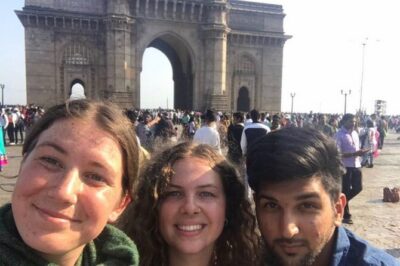
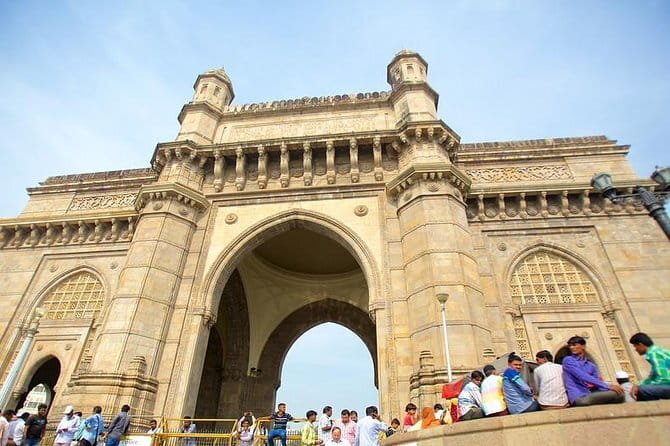
The day begins with a major landmark at the southern tip of Colaba: the arch-shaped Gateway of India. It was built to commemorate the arrival of the first British Viceroy in India, and that colonial origin gives you a starting point for understanding how South Mumbai grew.
What I like about starting here is that it sets the tone. You’re not just seeing a monument—you’re getting a backdrop for the stories you’ll hear later about colonial-era architecture and how different cultural threads shaped the city.
Also, because it’s near the water, you often get that mix of sea breeze and street life. It’s a good place to reset your senses before the day shifts from big monuments to daily routines.
Marine Drive’s Queen’s Necklace: Skyline Views Without the Stress
Next comes a classic Mumbai promenade: Marine Drive, famous for its nickname, the Queen’s Necklace, along the Arabian Sea. It’s a popular stretch for evening walks, jogging, and cycling, and the views over the skyline are a big part of why people keep coming back.
Even if you’re there earlier in the day, this area gives you a fast sense of scale: Mumbai rises close to the sea, and you can see how the coastline shapes the city’s rhythm.
One practical note: promenades can get crowded. Since this tour runs with care attendants and a small group, you’re less likely to end up separated or stuck in the wrong spot while the crowd thickens.
Dhobi Ghat: Hand Laundry, Real Routine, Real Perspective
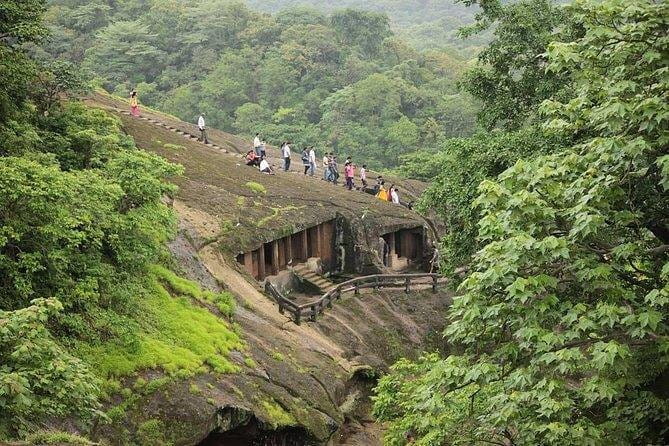
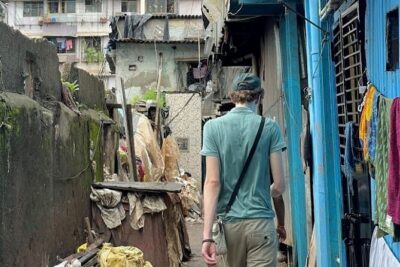
Then you hit one of the most memorable stops for understanding “day-to-day Mumbai”: Dhobi Ghat, the open-air laundry where dhobis wash clothes by hand using traditional methods.
This isn’t a staged attraction. It’s working life, and that’s why it lands so well. You learn how a city keeps itself running, not just how it poses for photos.
The tour includes admission here, and that’s important value. It means you’re not hunting for ticket lines while your group is trying to move on.
Since this is active work, it also helps to be flexible with your expectations. You may see different stages of washing and drying, and the scene can change quickly as people and cloth shift around you.
You can also read our reviews of more city tours in Mumbai





Chowpatty Beach: Where the City Takes a Break
From Marine Drive you move toward Chowpatty Beach, known for its lively atmosphere—especially in the evenings. Even during a daytime visit, the area’s energy comes through in the way locals gather and stroll.
Chowpatty is also described as a place for street food, so if you’re the type who likes eating your way through a neighborhood, this is where you’ll naturally gravitate. Just plan it as a personal add-on, since alcoholic beverages aren’t part of what’s included.
What I like here is the pacing. After seeing Gandhi-era artifacts and major institutions, you get an open-air reset with sea views and people watching.
If you’re sensitive to crowds, focus on a short loop and then step back with your group. With a maximum of six travelers, it’s easier to manage than in larger bus tours.
Mani Bhavan Gandhi Museum: A Focused Stop with Meaning

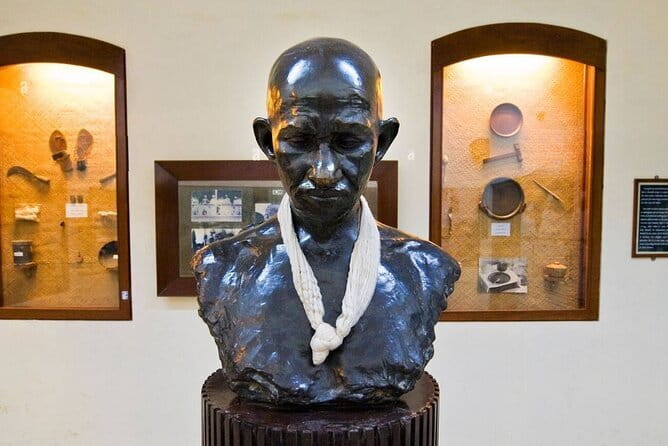
Next up is Mani Bhavan Gandhi Museum, dedicated to Mahatma Gandhi’s life and work in Mumbai. The museum centers on his home and work space during his time in the city, with personal belongings, photographs, and exhibits related to his philosophy.
This stop works because it’s specific. Instead of trying to cover every world event in Gandhi’s life, you get a Mumbai lens—how ideas and actions played out here.
The tour includes entry time, so you can step inside without thinking about tickets. And because you only spend about 30 minutes at this kind of museum stop, you’ll get the main beats without getting fatigued.
Oval Maidan and the Cricket Connection
A big local-sounding stop follows: Oval Maidan, a historic cricket ground that’s hosted international matches. It’s also a popular spot for locals, which matters. This isn’t only about what happened on match days; it’s about how sports and public space overlap in everyday city life.
A 30-minute stop is just long enough to get context and take in the feel of the place without turning the day into a sports-only itinerary.
If you like the way architecture and institutions tell stories, this is a good counterbalance to the religious and colonial themes. Cricket is part of the social fabric here, and Oval Maidan gives you a physical anchor.
Mumbai University Clock Tower: Gothic Style Meets City Views
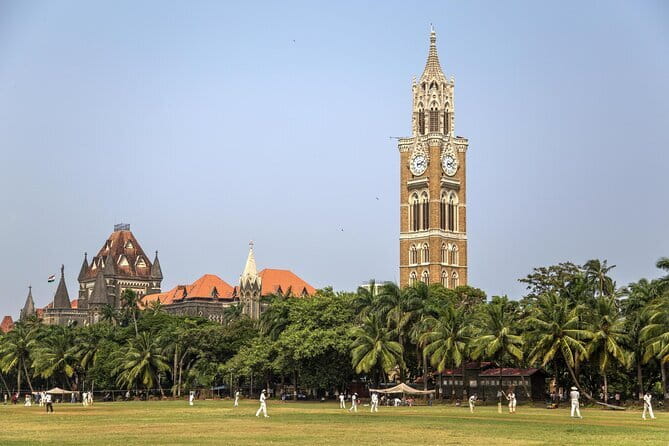
You’ll also see a Gothic-style clock tower on the campus of Mumbai University. It’s described as one of the tallest clock towers in India, and it offers stunning views over the city.
Even if you’re not obsessed with clocks, this stop gives you something useful: perspective. From elevated views, Mumbai stops feeling like separate sights and starts feeling like one connected city.
This is a good moment to slow down slightly, take photos, and reorient yourself. When a day is packed, view points are where you mentally “plot” the rest of your trip.
BMC Headquarters and Chhatrapati Shivaji Terminus: Power and UNESCO Rail History
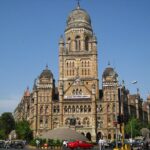
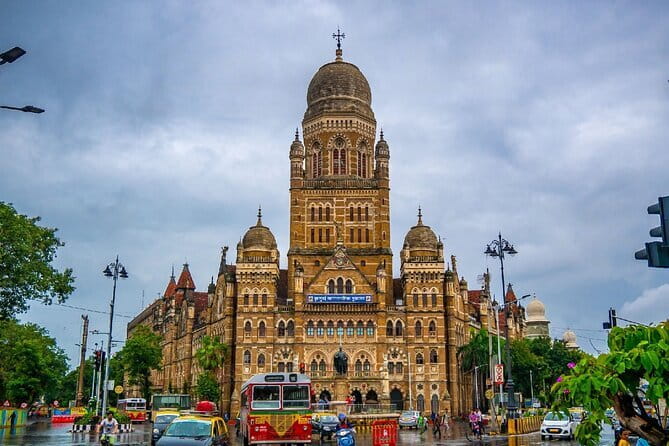
Later you’ll pass the Brihanmumbai Municipal Corporation building, the headquarters of the civic body responsible for governing Mumbai. It’s a significant government building, and even a short stop helps you notice how formal institutions sit next to street-level life in this city.
Then comes the crown jewel for many visitors: Chhatrapati Shivaji Terminus (also known as Victoria Terminus), a UNESCO World Heritage Site. It’s also Mumbai’s main railway station, and the architecture is the kind that makes you pause even if you don’t normally care about train stations.
The tour includes admission here, which is another value point because this site is one of the ones you’d likely pay for on your own.
This is where the day turns from “seeing” to “understanding.” The station’s grandeur reflects the era that built it, and the UNESCO status shows why it still matters now.
Lunch, Bottled Water, and Masala Chai That Keep You Going
You’re not left to fend for yourself at the most annoying time of day. Lunch is included as a delicious Indian vegetarian lunch, and you’ll also have bottled mineral water.
On top of that, you get coffee and/or tea, including masala chai. That’s not a random add-on. In a hot, fast-moving city, tea breaks are how you keep energy stable and avoid the classic travel-day crash.
There’s also a small parting gift at the end. It’s a minor thing, but it gives the day a complete feeling instead of turning into a drop-off and goodbye.
Price and Value: What $238.67 Buys You
At $238.67 per person, you’re paying for more than a driver and a checklist. You’re paying for:
- Licensed local guidance in English
- Special care attendants throughout the tour (the biggest differentiator for accessibility)
- Air-conditioned transport
- Admissions where the tour lists entry fees
- Lunch and chai
- A small group of up to six people
If you’re comparing options, this tour is often worth it when you value time and comfort. Paying extra for the right support is usually cheaper than spending your day battling stairs, crowds, or pacing issues on your own.
The one caution on value: it’s still a 5–6 hour sampler. If you want a slow, deep exploration day with long museum time and extended photo stops, you might feel constrained.
But if you want to see the major South Mumbai anchors with fewer headaches, the price is easier to justify.
Who Should Book This Mumbai City Tour (and Who Might Skip It)
This tour is a great fit if you:
- Need accessible assistance and want transfers and support handled for you
- Prefer small group pacing rather than a big bus crowd
- Want a guided mix of colonial-era landmarks, public spaces, spirituality-focused history, and recognizable city icons
- Like having chai + lunch built into the schedule
You might consider another plan if you:
- Hate short museum stops and want hours at one site
- Are determined to roam independently without a vehicle or a tight route
- Want lots of free time for unplanned detours (the tour is designed to keep things moving)
Should You Book This Tour?
If you want a Mumbai day that feels organized, supported, and grounded in real local life, I’d book it. The accessibility focus is the headline, and the sightseeing lineup makes the day feel purposeful: Colaba and the waterfront monument start you off, Dhobi Ghat shows daily routine, Gandhi adds meaning, and Chhatrapati Shivaji Terminus ties it together with UNESCO architecture.
My “yes” comes with one practical suggestion: wear comfortable shoes and plan your energy for walking-in-the-spaces-you-stop. With care attendants and a small group, you’ll likely be fine, but South Mumbai is still South Mumbai.
If you’re traveling with limited mobility or just want less hassle, this tour is a strong way to get your bearings fast.
FAQ
What time does the Mumbai City Tour start?
The tour starts at 9:30 am.
How long does the tour last?
It runs about 5 to 6 hours.
Where is the meeting point?
The meeting point is The Ballard Pier Mumbai / Alexandra Dock / Green Gate (WRMR+9WV, Fort, Mumbai, Maharashtra 400001, India).
Where does the tour end?
The tour ends back at the same meeting point.
Is there an English-speaking guide and care attendants included?
Yes. You’ll be accompanied by an English-speaking local tour guide and professional special care attendants throughout the tour.
Is lunch included, and is it vegetarian?
Yes. Lunch is included as a delicious Indian vegetarian lunch.
Are admission fees included for the stops?
Admission fees are included where applicable during the tour, including Dhobi Ghat, Mani Bhavan Gandhi Museum, and Chhatrapati Shivaji Terminus.
Does the tour include drinks and water?
Yes. Bottled mineral water is included, along with coffee and/or tea (masala chai is included).