REVIEW · DHARAVI SLUM TOURS
Private Tour in Mumbai Slum with Sightseeing
Book on Viator →Operated by Colors Experiences · Bookable on Viator
Mumbai teaches best through contrast. This private tour pairs Dharavi Slum learning with famous sights like Gateway of India and Chhatrapati Shivaji Terminus. You get an 8-hour plan that mixes everyday life, a working laundry district, and major city landmarks.
I love the way this day is set up for variety: one big block is human-scale industry and community in Dharavi, and another is classic Mumbai sightseeing. I also like the practical side—private air-conditioned transport with pickup keeps you moving without turning the day into a heat-and-traffic slog. One thing to consider: it’s a full day with lots of stops, and you’ll be on your feet more than a typical “sit and watch” tour.
In This Review
- Key Highlights Worth Clearing Your Schedule For
- A Private Day That Mixes Dharavi Reality With Classic Mumbai Sights
- Dharavi Slum: Seeing Local Industry and Everyday Life (With Context)
- Dhobi Ghat: Mumbai’s Outdoor Laundry That Actually Runs
- Antilia and the Shock of Contrast (You’ll Feel It)
- Banganga, Jain Temple, and Mani Bhavan: Spiritual and Historical Threads
- Crawford Market and Chhatrapati Shivaji Terminus: Mumbai’s Daily Engine
- Gateway of India and Kamala Nehru Park: Where the City Opens Up
- Price and Value: Why This One Costs About $61 for 8 Hours
- How the Whole Itinerary Feels in Real Time
- Who This Tour Fits Best
- Should You Book This Mumbai Slum and Landmarks Tour?
- FAQ
- What’s included in the tour price?
- How long is the tour?
- Is this a group tour or private tour?
- Are admissions included for all stops?
- Do I need to be able to walk a moderate amount?
- Is pickup offered?
- Does the tour run in any weather?
- What’s the cancellation policy?
Key Highlights Worth Clearing Your Schedule For
- Dharavi Slum visit with local-life context, plus time to ask questions about daily routines and social issues
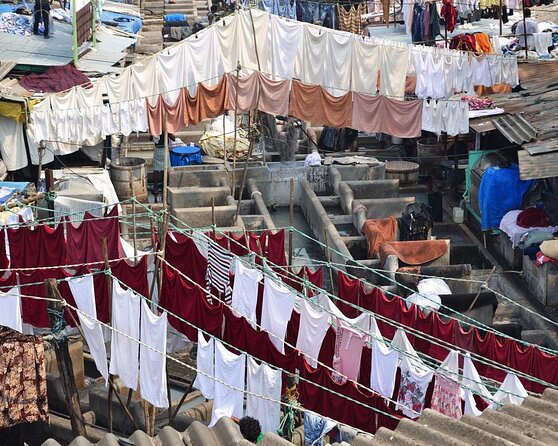
- Dhobi Ghat, one of the world’s biggest outdoor laundromats, where wash pens are color-coded and tied to family work
- A private day with pickup in an air-conditioned vehicle, so you can focus on learning and photos without transit stress
- A landmark run that hits major Mumbai icons, including Gateway of India, Mani Bhavan Gandhi Museum, and Chhatrapati Shivaji Terminus
- Most sightseeing stops are free, while Dharavi and Dhobi Ghat admissions are included in the tour
- Guides who speak strong English and adapt to your interests, with names like Abhi, Sajid, Bala, Suraj, and Jeeta showing up often in past tours
A Private Day That Mixes Dharavi Reality With Classic Mumbai Sights

This is a structured but flexible day: you start with life and work in Dharavi, then head into Mumbai’s best-known sights. The balance matters, because it prevents Dharavi from feeling like a one-off photo stop, and it also keeps your day from turning into only sightseeing postcards.
You’re traveling in a private air-conditioned vehicle with pickup, which is a big deal in Mumbai. Traffic and distance can drain your energy fast, so having the comfort part handled helps you enjoy both the intense and the scenic parts of the day. It’s also a private tour, meaning it’s just your group—no seat-swapping chaos.
You can also read our reviews of more private tours in Mumbai

Dharavi Slum: Seeing Local Industry and Everyday Life (With Context)
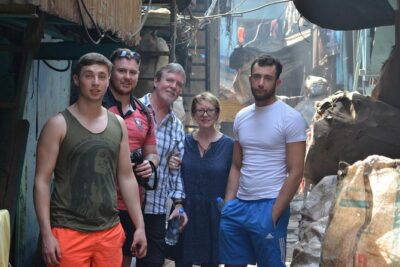
Dharavi is often described in headlines, but the point of this stop is to understand the place as lived-in neighborhoods with real routines. You’ll spend about 3 hours in different areas, with discussion centered on everyday life and social issues. It’s not framed as a shock tactic; it’s framed as an education on how people build stability and income.
This is where the guide quality really shows. In past tours, guides like Abhi and Bala were praised for explaining daily life clearly, including work areas and residential zones. Some guides have been described as locals from Dharavi, like Sajid, which can make the conversation feel grounded rather than scripted.
A practical note: this stop is longer than you might expect for a slum visit. That’s good for learning, but it also means you’ll likely be walking and watching for longer stretches than a typical museum circuit. If you’re bringing camera gear, keep it easy to manage—your hands and attention will be busy.
Dhobi Ghat: Mumbai’s Outdoor Laundry That Actually Runs
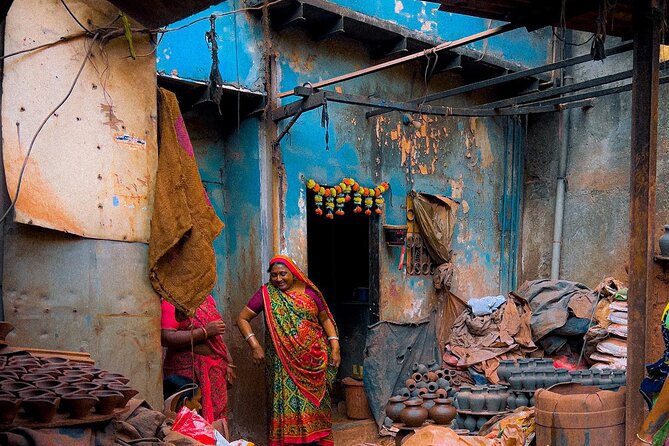
After Dharavi, you’ll go to Dhobi Ghat, one of the world’s largest outdoor laundromats. The “wow” factor isn’t only the scale—it’s the operational detail: the wash pens are color-coded, and in many cases the work is family-run across generations.
This stop is timed at about 1 hour, which is long enough to watch the flow and understand the system without rushing. The description also notes it has appeared in Bollywood films, so you may recognize it visually even before you fully understand what you’re seeing.
One thing I’d plan for: the smells and steam are part of the experience. If you’re sensitive, bring a small mask or have a strategy for when the airflow shifts. Also, aim for patience—this is an active workplace, so your guide will help you observe without turning it into a disruption.
Antilia and the Shock of Contrast (You’ll Feel It)
Then comes one of the day’s biggest contrast moments: Antilia, a modern architectural landmark and one of the world’s most expensive private residences. The time here is short—about 30 minutes—and admission is not included.
This stop can feel awkward if you’re expecting “only Dharavi and Mumbai life.” But it’s useful because it forces a comparison you can’t unsee: wealth and poverty sharing the same city grid. With a good guide, this isn’t just a photo stop—it becomes a conversation about how Mumbai grows around extremes.
If you prefer a deeper focus on either poverty context or strictly historical sites, tell the guide at the start. The tour is described as customizable, and adjusting priorities can help you keep the day aligned with how you want to process what you’re seeing.
Banganga, Jain Temple, and Mani Bhavan: Spiritual and Historical Threads
Next, you’ll move into quieter stops that add cultural texture.
At Banganga, you’ll hear the legend of Lord Rama shooting an arrow into the ground, creating the tank. The name is explained through the words ban (arrow) and Ganga (river), which gives you a simple myth-to-place connection you can remember later when you see the water tank in front of you. Admission here is free, and the stop is about 30 minutes.
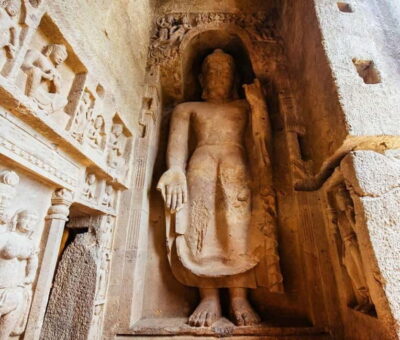
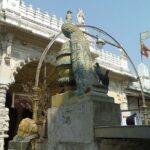
Then comes the Jain Temple – Mumbai. Jainism is a minority religion in India, but the tour frames its influence on culture and philosophy—especially the idea of non-violence and spiritual enlightenment as a path out of the cycle of birth and death. This stop is free and around 30 minutes.
After that, you’ll visit Mani Bhavan Gandhi Museum, about 30 minutes, focused on Gandhi’s legacy and the independence movement using non-violence and civil disobedience. It’s free, and it adds a clear “why India’s modern story matters” layer to the day.
The big value of stacking these stops is that you get more than architecture. You get motivations: faith, ethics, and political resistance. That helps the Dharavi section land with more meaning, rather than leaving it as only an observation.



Crawford Market and Chhatrapati Shivaji Terminus: Mumbai’s Daily Engine
A big part of Mumbai is how people shop, move, and trade. Crawford Market is included as a 30-minute stop, and it’s framed as both historical and practical—a place where Mumbai’s commercial and cultural mix shows up in plain sight. Admission is free.
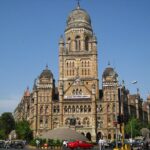
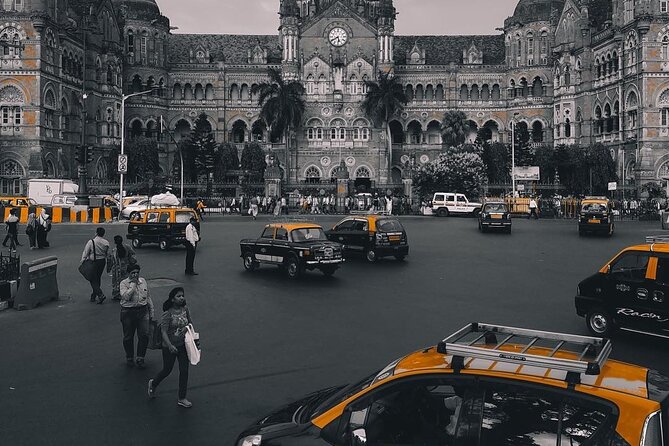
Then you’ll see Chhatrapati Shivaji Terminus (CST), another free 30-minute stop. Even if you’ve only seen it in pictures, it has that “stop the taxi, point the camera” effect. The tour description emphasizes it as an architectural gem and a working landmark with colonial-era connections.
This section is a good place to catch your breath. Your day has been intense—Dharavi and Dhobi Ghat do that—but these stops give you visual structure and street-level energy. If you’re the type who likes to understand a city through its movement systems, you’ll enjoy this part.
Gateway of India and Kamala Nehru Park: Where the City Opens Up
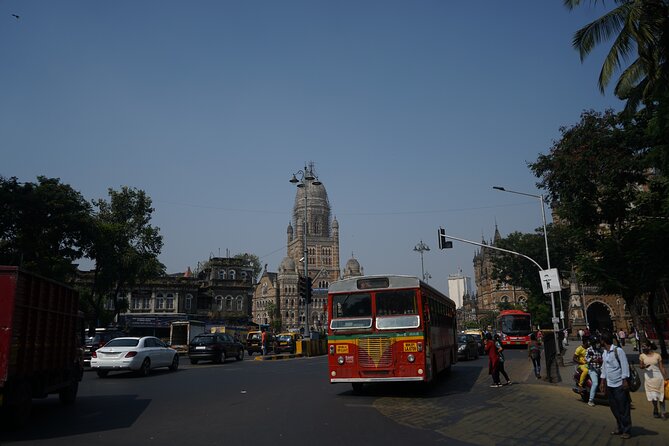
Finally, you’ll head to two famous viewpoints and city symbols.
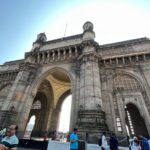
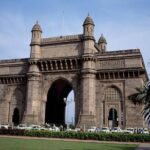
The Gateway of India is a 30-minute stop with a free admission label. It’s presented as a symbol of Mumbai’s history and independence. Even if you don’t time a cruise or linger for long, this is an effective “end-of-day marker” that helps your brain connect the whole route into one storyline.
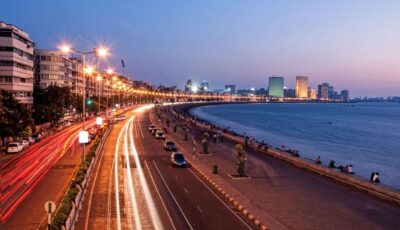
You’ll also stop at Kamala Nehru Park for about 30 minutes. The description notes it’s famous for a layout shaped like a giant shoe, and from the top you can get city views, including Marine Drive. Admission here is not included.
This part is especially useful if you’re trying to remember Mumbai after you leave. You’ll get those iconic sightlines in a short window, which makes the full day feel complete.
Price and Value: Why This One Costs About $61 for 8 Hours
At $61.37 per person for about 8 hours, this tour is priced more like a full-day city experience than a narrow “specialty excursion.” You’re paying for private transport with pickup, water included, and admissions for two key parts (Dharavi and Dhobi Ghat).
Most other stops are free, including the Jain Temple, Mani Bhavan Gandhi Museum, Crawford Market, Chhatrapati Shivaji Terminus, and Gateway of India. Antilia and Kamala Nehru Park are the exceptions where admission is not included, so if those are top priorities for you, budget accordingly.
The value gets even better if your group wants privacy. Group discounts are mentioned, and even for small groups, a private vehicle means you don’t spend half your time coordinating trains, taxis, or waiting.
And one more practical point: this tour is often booked about 38 days in advance. If you’re traveling during peak periods, lock it in earlier rather than assuming you’ll find a last-minute slot.
How the Whole Itinerary Feels in Real Time
This day is intentionally paced. You start with a deeper immersion block in Dharavi (3 hours), then switch gears to Dhobi Ghat (1 hour), then move through a set of landmark and cultural stops at about 30 minutes each.
That rhythm works because it prevents “information overload in one place.” Instead, your brain resets between heavy topics and lighter visual sightseeing. It also helps you avoid the classic problem of sightseeing tours that rush everything and leave you with only photos.
Still, it’s not a gentle day. The tour notes a moderate physical fitness level, which makes sense given the Dharavi walking and the amount of time spent moving between sites. Comfortable shoes matter. If you need lots of frequent breaks, bring that up early so your guide can manage timing.
Who This Tour Fits Best
This is a strong match if you want Mumbai beyond the usual highlights. You’ll like it if you’re the kind of traveler who enjoys asking questions, noticing how work shapes daily life, and using landmarks to understand the city’s layers.
It also works well for people who want a personalized and customizable experience. If you tell the guide you’re more focused on history and culture, you can shape where time goes.
One fair consideration: some guides may include time near shops as part of certain stops. The tour experience includes a mix of sightseeing and visits around these areas, so if you hate sales pressure, tell your guide upfront that you want fewer shopping interruptions. In past examples, some guides were careful to avoid commission-driven store stops, which you’ll appreciate if you prefer a calmer day.
Should You Book This Mumbai Slum and Landmarks Tour?
Book it if you want one day that actually explains Mumbai. The combination of Dharavi, Dhobi Ghat, and major landmarks in a private air-conditioned vehicle is a smart use of time, especially when you care about both human context and city icons.
Skip it (or tailor it heavily) if you want a totally relaxed, low-walking itinerary, or if you’re strictly focused on architectural sightseeing only. Also think twice if you get uncomfortable with seeing stark contrasts between wealth and poverty side by side, because this tour intentionally places those moments next to each other.
If you can handle a full day and you’re curious, this tour is likely to feel meaningful rather than checkbox-ish.
FAQ
What’s included in the tour price?
You get an air-conditioned vehicle, pickup, and a water bottle. Dharavi Slum and Dhobi Ghat admission tickets are included. Tips are not included.
How long is the tour?
The tour lasts about 8 hours.
Is this a group tour or private tour?
It’s a private tour/activity, meaning only your group participates.
Are admissions included for all stops?
Not all stops. Admission is included for Dharavi Slum and Dhobi Ghat. Antilia admission is not included, and Kamala Nehru Park admission is not included. Several other stops are free.
Do I need to be able to walk a moderate amount?
Yes. The tour calls for a moderate physical fitness level, so comfortable walking shoes are a good idea.
Is pickup offered?
Yes, pickup is offered.
Does the tour run in any weather?
The tour requires good weather. If it’s canceled due to poor weather, you’ll be offered a different date or a full refund.
What’s the cancellation policy?
You can cancel for a full refund up to 24 hours in advance. If you cancel less than 24 hours before the experience starts, the amount paid isn’t refunded.