REVIEW · MARKETS
Mumbai Market Tour
Book on GetYourGuide →Operated by Mumbai Dream Tours · Bookable on GetYourGuide
South Mumbai markets can feel like a living set. This tour threads historic streets with major bazaars, so you see how people actually buy, bargain, snack, and chat. You’ll also catch colonial buildings, plus temples and mosques, right alongside the shopping chaos.
I like that it turns the idea of Mumbai upside down. Instead of being only about landmarks, you focus on the markets where the city’s daily rhythm happens—alleyways, wide streets, and vendors calling out from carts. One thing to note: the experience can veer into shopping-forward stops, and if you want more temple time than shop time, you might feel a bit let down.
In This Review
- Key things that make this tour worth your time
- South Mumbai Markets Feel Like the City’s Real Front Door
- Crawford Market: Candles, Exotic Fruit, and Party-Wear Surprises
- Mangaldas Textile Market: Where Bargaining Skills Matter
- Spice Market and the Cumin–Turmeric–Cardamom Trail
- Jewelry Market: Gold, Silver, Diamonds, and Stone Choices
- Flower Market: Color, Fragrance, and a Real Marketplace Mood
- Jama Masjid, Mumba Devi Temple, and Madhav Baugh: Spiritual Stops in the Middle of Trade
- Colonial Buildings and Narrow Lanes: What You Notice on Day Two
- Price and Value at About $23
- Who Should Book This Market Tour (and Who Might Skip)
- Should You Book the Mumbai Market Tour?
- FAQ
- What is the price of the Mumbai Market Tour?
- What markets and stops are included?
- What language are the tours offered in?
- Does this tour include religious sites?
- Is there a flexible booking option?
- Is full cancellation available?
Key things that make this tour worth your time
- South Mumbai bazaar route: historic markets where stalls feel woven into everyday life
- Guide-led market skills: you’ll get help with what to look for and how to bargain
- Big variety in a single outing: candles and fruit, textiles, spices, jewelry, and flowers
- Religious stops included: Jama Masjid, Mumba Devi Temple, plus Madhav Baugh
- A relaxing pace for many people: not a sprint through shops
South Mumbai Markets Feel Like the City’s Real Front Door
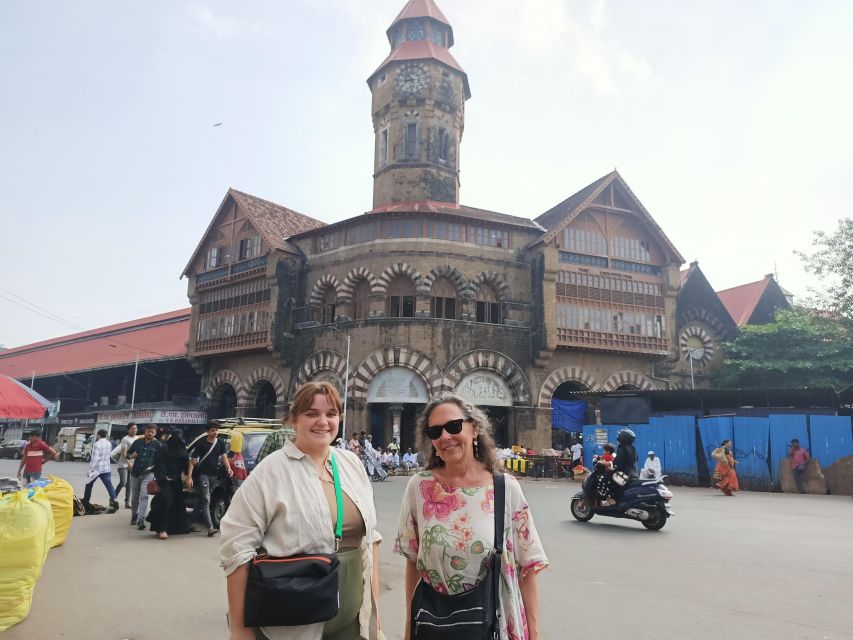
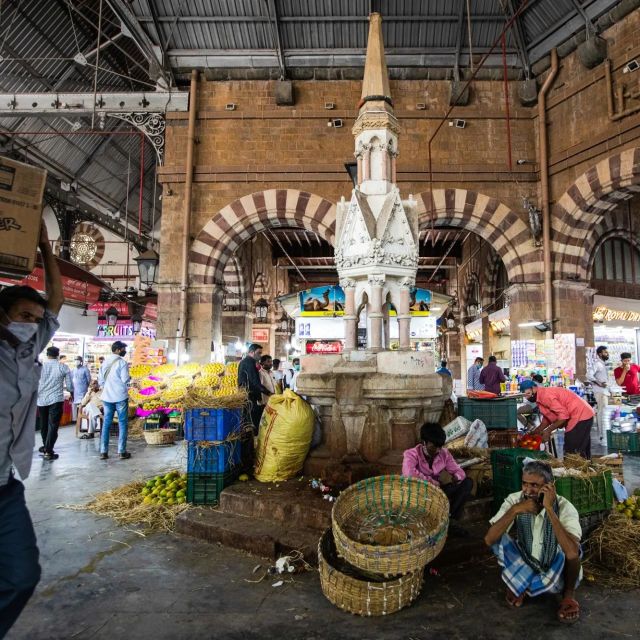
If you want Mumbai without the filter, you go to the places where people come every day. This tour takes you through historic markets in South Mumbai, where broad roads spill into tight lanes and everything feels close—smells of spices, bright piles of flowers, and shopfronts pressed together like pages in a book.
You also get more than commerce. The route runs past colonial buildings, and it includes Jama Masjid, Mumba Devi Temple, and Madhav Baugh. The result is a good reality check: Mumbai is not just monuments. It’s religion, trade, and street life, all happening at once.
That said, understand the tone. One traveler summarized it bluntly: the first stops felt like a shopping sequence (textiles/pashminas, then spices, then women’s clothing), with limited cultural sightseeing along the way. If you’re the type who wants quiet corners and long temple visits, plan to set expectations for markets first, religious stops second.
You can also read our reviews of more shopping tours in Mumbai


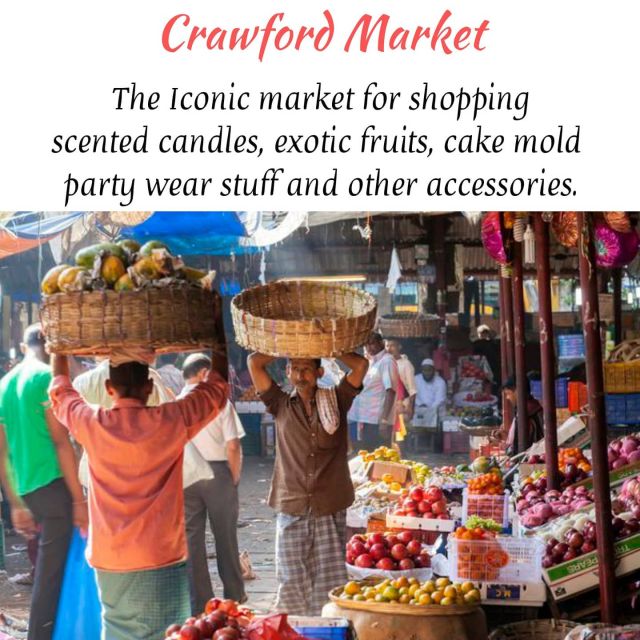
Crawford Market: Candles, Exotic Fruit, and Party-Wear Surprises
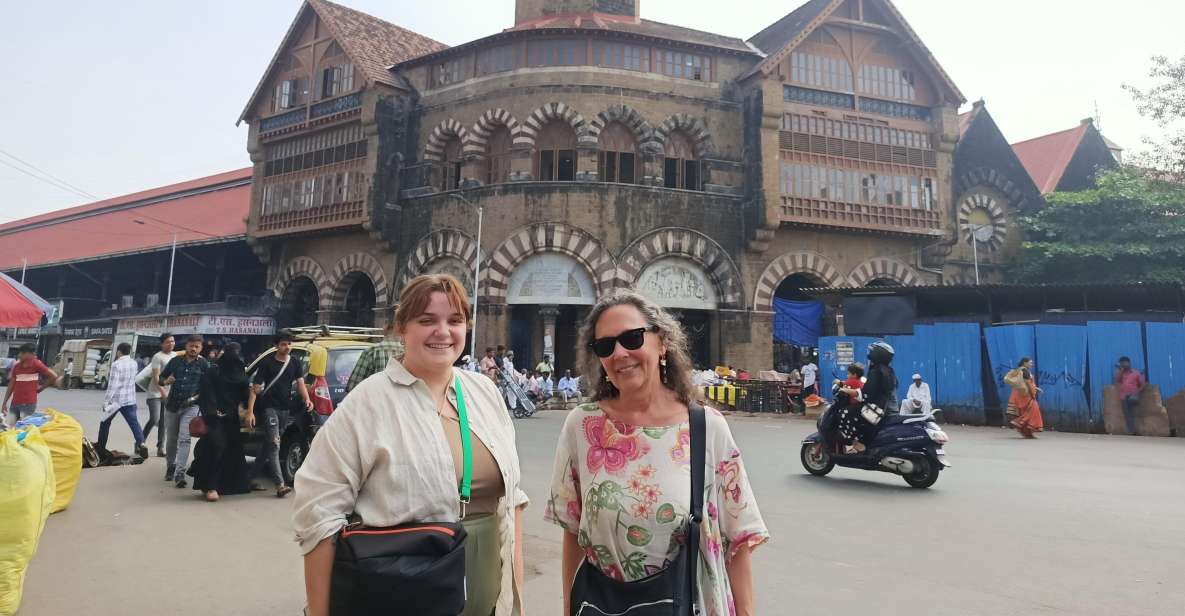
Crawford Market is the kind of place where you look up and think, ok, this is a landmark—but then you look around and realize it’s a working bazaar. On this tour, Crawford is a stop built for browsing and buying.
What you can look for here includes:
- Scented candles (good for gifts, easy to compare scents and sizes)
- Exotic fruits (a fun way to sample the market’s energy even if you’re not buying much)
- Cake molds and party wear accessories
- Other small accessories you can actually use later
Why I think it’s smart to start (or at least include) Crawford: it helps you get your bearings fast. You see the “market logic” immediately—who sells what, how stalls are grouped, and how shoppers move. It also sets you up for the next stops where you’ll compare quality and pricing.
Potential drawback: because it’s geared toward shopping, you may feel pressure to buy. If you’re trying to keep costs low, treat Crawford like a scouting mission first. Decide what you really want before you start saying yes.
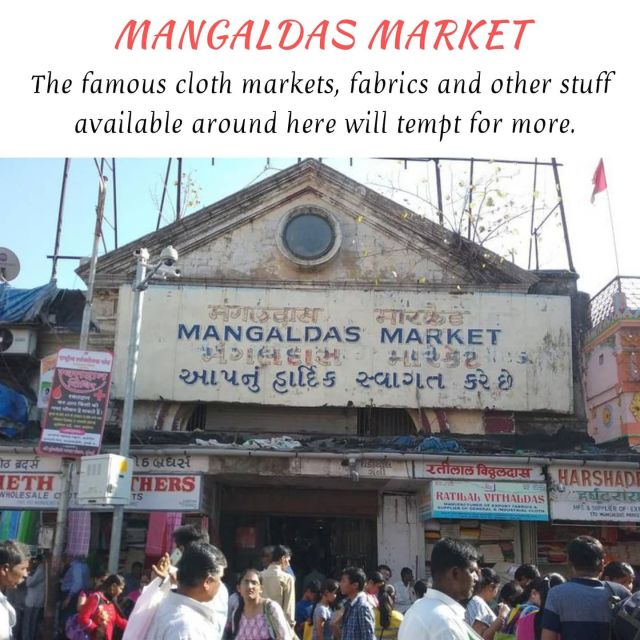
Mangaldas Textile Market: Where Bargaining Skills Matter
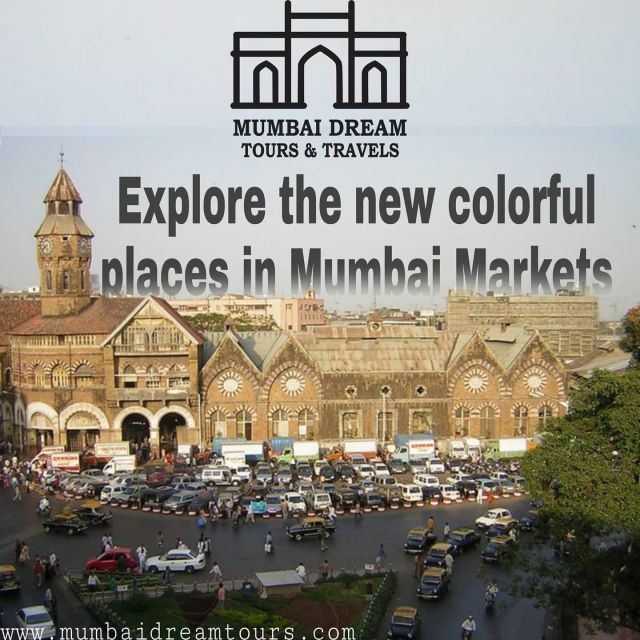
Mangaldas Market is where this tour can feel most like a true market experience—and where your budget can swing, depending on your approach. The stop focuses on cloth, fabrics, and textile items, and it’s the sort of place that rewards a guide’s patience.
In the feedback, a guide named Kieran was singled out for taking time with the textile market. That matters because textiles aren’t a quick look-and-go. Fabric choices can be personal, and sellers often respond to how you ask questions—quality, finish, feel, and comparisons between pieces.
You’ll also benefit from a guide who can coach you on how to bargain. One review specifically called out that the guide taught bargaining at the markets, which is a huge advantage if you’re not used to negotiating.
My practical advice: set a small shopping plan. For example, decide whether you want:
- one fabric item you’ll actually use
- a few smaller textile gifts
- or just to practice bargaining and learn what prices mean
If you hate shopping or negotiating, this is the one stop that can test your patience.
Spice Market and the Cumin–Turmeric–Cardamom Trail
Spices are the easiest way to understand how Mumbai markets work. You don’t need a shopping list; you just need eyes and a sense of curiosity.
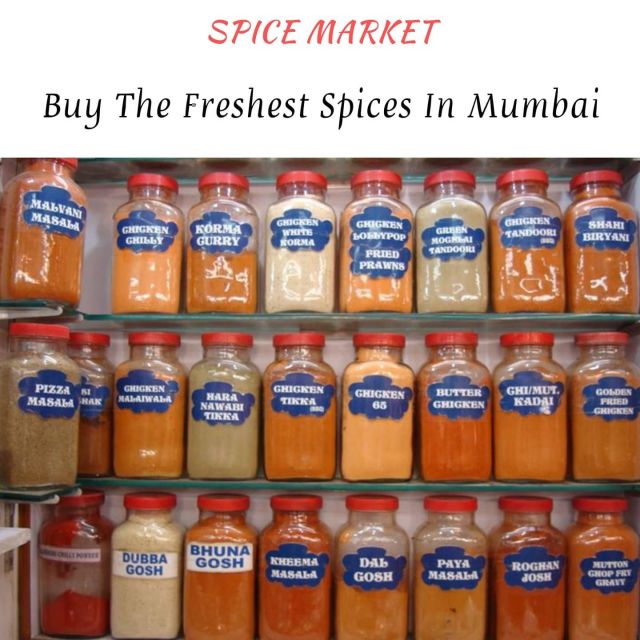
This tour includes a spice market stop with a wide range of common Indian spices such as:
- cumin and coriander
- turmeric
- cardamom
If you’ve only tasted spices in restaurant food, this is where you see the raw ingredients—and how sellers present them. You’ll likely notice differences in color, texture, and how spices are packaged and displayed.
The best part: you get to connect smell to meaning. When you learn what something is, it stops being abstract. It becomes something you can buy, carry, and cook with later.
One caution: spice shopping can turn into a value test. Prices may vary widely from stall to stall, and you can easily overpay if you don’t compare. If your goal is just to learn, ask for small samples (if offered) or plan to buy only what you can confidently use at home.
Also remember: the market route already includes Crawford Market, which is described as having fresh produce and spices around it. So spice flavors may show up more than once depending on how the day is structured.
Jewelry Market: Gold, Silver, Diamonds, and Stone Choices
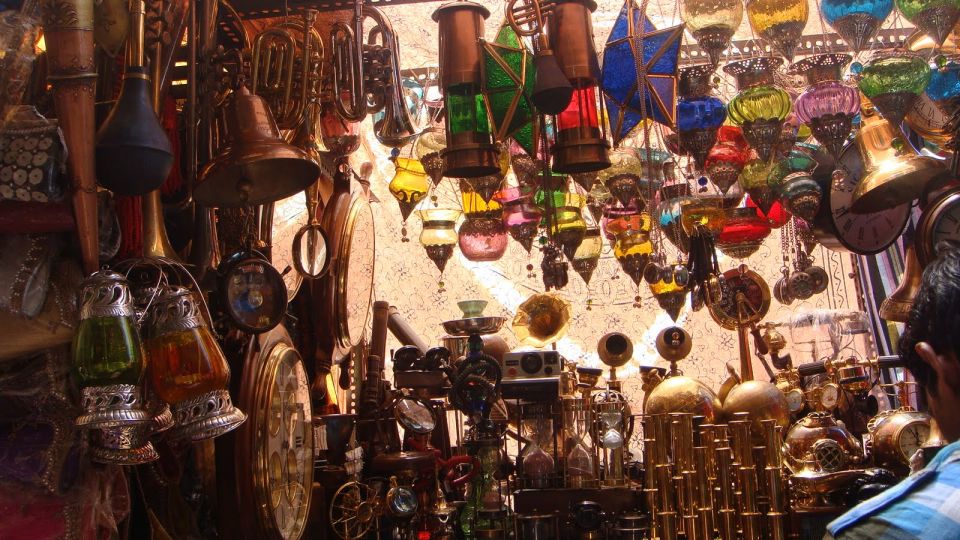
The jewelry market is one of the busiest parts of the route, and it’s not shy about variety. Here you can find jewelry in categories like:
- gold and silver jewelry
- diamond jewelry
- precious and semi-precious stones
This stop is valuable even if you don’t buy. Why? Because it teaches you how big-city value and craftsmanship conversations happen in a market setting. You’ll see how sellers talk about stones, how people inspect details, and how quickly prices can shift during bargaining.
If you’re considering a purchase, think in terms of risk control:
- Bring a clear budget range
- Compare at least a couple of stalls before committing
- If you’re buying for sentimental reasons, focus on what matters to you (color, cut style, metal type), not just the first offer
If you only want photos and browsing, you’ll still enjoy the energy. Just don’t let the tempo push you into decisions you’ll regret later.
You can also read our reviews of more tours and experiences in Mumbai




Flower Market: Color, Fragrance, and a Real Marketplace Mood
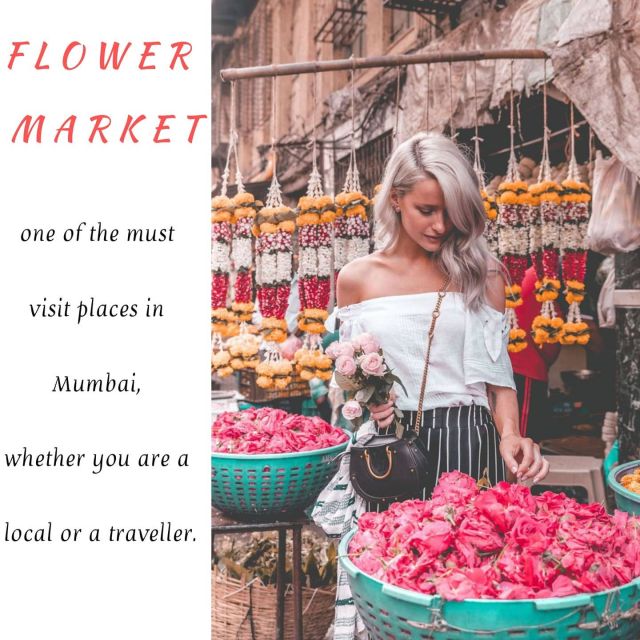
The flower market is described as the largest in Mumbai and a show in its own right. Expect bright, packed stalls and a strong sense of fragrance.
Flowers you may see include:
- marigolds and roses
- lilies and orchids
This stop adds a different pace to the tour. Spices and textiles pull your attention with sharp sensory cues. Flowers work slower. You’ll have more time to notice the colors, the arrangement styles, and how vendors handle bundles and stems.
It’s also one of the more memorable places to buy a small, tangible souvenir. Even if you can’t take everything home, you can often choose compact items or plan purchases that fit your travel days.
Practical note: flowers are time-sensitive. If you’re touring later in the day, think about storage and how long you’ll be able to keep anything fresh after purchase.
Jama Masjid, Mumba Devi Temple, and Madhav Baugh: Spiritual Stops in the Middle of Trade
This tour doesn’t treat religion as a separate checklist item. It includes Jama Masjid and Mumba Devi Temple, plus Madhav Baugh, and you’ll experience them as part of the same neighborhoods where markets operate.
That matters because it shows Mumbai as it is. Markets and prayer aren’t different worlds. They overlap in timing, foot traffic, and the way people move through space.
However, set expectations carefully. The most critical review said cultural sightseeing at temples didn’t feel like it got enough time, and the tour felt more shopping-focused than market-to-culture. Translation: the spiritual stops may be brief, and your experience will depend on how the guide balances the route that day.
If temples are your main goal, use the markets as context rather than expecting a full religious immersion. You’ll still learn something, but it’s a market tour first.
Colonial Buildings and Narrow Lanes: What You Notice on Day Two
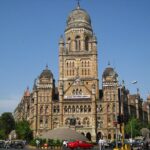
One of the tour’s best elements is the setting. You’re not just in a single mall-like market zone. You pass colonial buildings, then move into lanes where the city looks more intimate—tight alleys, fast conversations, and stalls set right along the flow of people.
That’s where the tour feels different from a simple shopping spree. You’re getting a walkthrough of space: how Mumbai’s built environment shapes how people trade, pray, and socialize.
Guide quality affects this a lot. Reviews name Dinesh as knowing a lot about the markets and keeping a relaxing pace. When pacing is good, you don’t miss details like vendor routines, the way shoppers compare goods, or how neighborhoods feel as you move.
If you’re the type who likes to walk slowly and notice, this matters. If you’re looking for a nonstop shopping fix, a relaxed pace might feel slower than you expected.
Price and Value at About $23
At $23 per person, this is the kind of tour that can make sense as a first entry to South Mumbai markets. The value isn’t just the cost—it’s the “guided friction” you save.
Here’s what you’re buying with your ticket:
- A route through major markets, rather than trying to stitch it together yourself
- Help interpreting what you’re seeing in places like spice, jewelry, textiles, and flowers
- Tips on bargaining and shopping behavior from a guide who works that terrain
If you end up buying items, the tour can feel like it pays for itself. If you only browse and do a bit of tasting, it still can be worth it because you get to witness how the market system works in real time.
But price-value depends on your tolerance for shopping. If you expected a culture-first walk with lots of stops that feel like “temples and heritage,” you could feel disappointed even with a good guide. The market-first structure is part of the deal here.
Who Should Book This Market Tour (and Who Might Skip)
This tour is a strong match if you:
- want a practical introduction to South Mumbai bazaars
- enjoy shopping but also want guidance so you don’t overpay instantly
- like learning how bargaining works in a market environment
- enjoy food and sensory stops, especially around spices and market snacks
You might want to skip or shop for a different option if you:
- dislike negotiating and shopping pressure
- want long, quiet visits inside religious sites
- prefer a tour where the main focus is cultural storytelling rather than vendor stalls
One detail I find useful from the feedback: the tour can be relaxing when paced well. If you’ve got limited time and you want one organized route, it’s a smart way to cover multiple markets without getting lost.
Should You Book the Mumbai Market Tour?
I’d book it if you’re planning a first visit to Mumbai and you want the market side of the city on day one. At $23, with English-language guidance, it’s a practical way to hit Crawford, Mangaldas, spice, jewelry, and flower markets, plus religious stops like Jama Masjid and Mumba Devi Temple.
I would not book it if you want a mostly cultural tour with minimal shopping. The market route is real, and some days can feel strongly sales-and-shopping oriented. If you do book, go in with a simple mindset: treat it as a guided route through markets, and let the temples be bonus context.
FAQ
What is the price of the Mumbai Market Tour?
The tour price is listed as $23 per person.
What markets and stops are included?
The tour includes stops such as Crawford Market, Mangaldas Market, a Spice Market, the Jewelry Market, the Flower Market, Jama Masjid, Mumba Devi Temple, and Madhav Baugh.
What language are the tours offered in?
The tour information says the language is English.
Does this tour include religious sites?
Yes. Included stops mention Jama Masjid and Mumba Devi Temple, along with Madhav Baugh.
Is there a flexible booking option?
Yes. The tour includes reserve & pay later, meaning you can book your spot and pay nothing today.
Is full cancellation available?
Cancellation is listed as possible up to 24 hours in advance for a full refund.