REVIEW · DHARAVI SLUM TOURS
Mumbai: Dharavi Slum Walking Tour with Local Slum Dweller
Book on GetYourGuide →Operated by Mumbai Dream Tours · Bookable on GetYourGuide
Dharavi is more workshop than stereotype. This Mumbai walking tour puts you face-to-face with daily life and small industry through the eyes of people who live there, including stops tied to the Slumdog Millionaire filming location.
I really like that the tour stresses real work and real craft, not pity. You also get a hands-on option with pottery, so your brain doesn’t just watch and judge. Guides such as Abhishek, Bharti, Dhruvesh, and Hardik Tank are repeatedly highlighted for making you feel safe, welcome, and respectful of residents while still answering questions.
One consideration: this is an active neighborhood with narrow alleyways and working spaces. Come ready with closed-toe shoes and a scarf, and expect a more direct, street-level experience than a polished “tourist” day.
In This Review
- Key things that make this tour worth your time
- From Third Wave Coffee into Dharavi’s everyday rhythm
- The Slumdog Millionaire stop that reframes the whole story
- Leather workshops and other small-scale industries in tight spaces
- Recycling in Dharavi: how plastic and oil cans become money and materials
- Faith in everyday life: community shrines and mixed neighborhoods
- Pottery workshop option: throwing on the wheel and making Kumbharwade art
- Vegetarian lunch with a local family: eat like they do
- Guides who live the story: Abhishek, Bharti, Dhruvesh, Hardik Tank, and Rakesh
- Price and value: what $14 buys you in real access
- What to bring, and how to act in a working neighborhood
- Should you book the Dharavi Slum Walking Tour?
- FAQ
- Where does the tour start?
- Where does the tour end?
- How much does the tour cost?
- What language is the tour in?
- What is included in the standard tour?
- Is lunch included?
- Is the pottery workshop included?
- What should I bring?
- What is the cancellation policy?
- Does payment lock in your plans?
Key things that make this tour worth your time
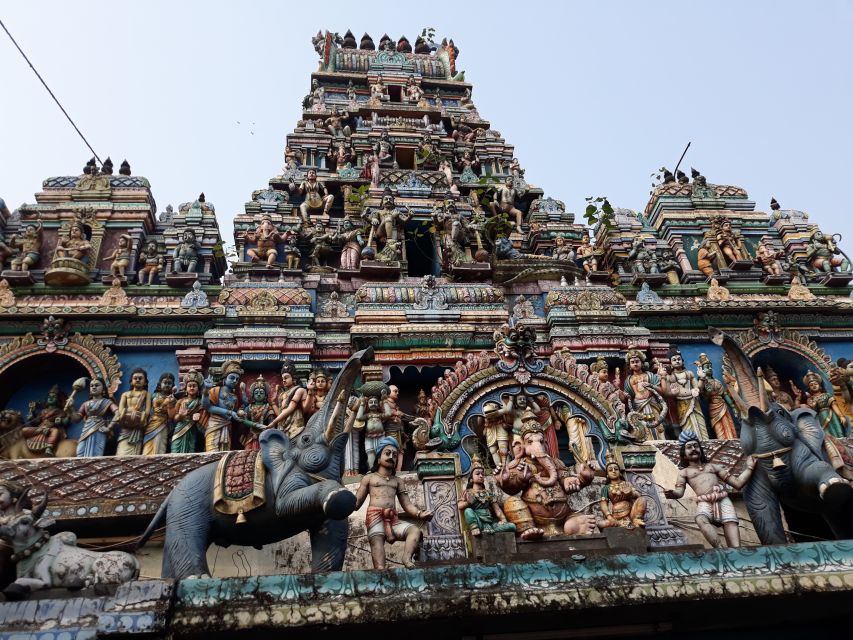
- Local resident perspective: you walk with someone who actually lives the routines and trade routes of Dharavi
- Slumdog Millionaire filming spot: a surprising stop that turns a movie reference into context
- Micro-industries in tiny spaces: leather, soap-making, colored dyes, and other production you can see up close
- Recycling as the engine: plastic and vegetable oil can reuse explained in practical, on-the-ground terms
- Faith and daily life side by side: you’ll see community rituals and shared spaces during the walk
- Two optional add-ons: try pottery on a wheel, and/or join a vegetarian lunch with a local family
From Third Wave Coffee into Dharavi’s everyday rhythm
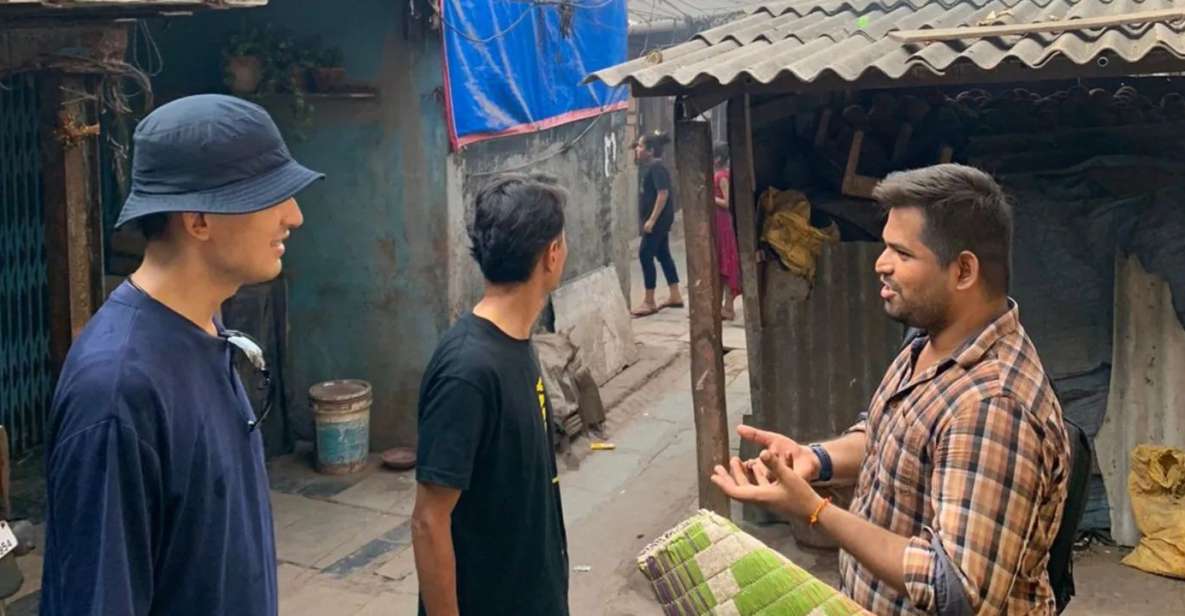
The tour starts where city life feels ordinary: you meet your guide at Third Wave Coffee in Mumbai. That matters, because it sets the tone. You’re not dropped into a sealed attraction. You’re walking into a working place, guided by someone who knows what’s sensitive, what’s public, and where your presence should be low-key.
After you meet, you’ll head into the lanes where business happens. Expect alleyways, storefronts, workshops, and quick introductions to people along the way. This isn’t about cramming every sight into your camera roll. It’s about understanding how the community organizes around making, repairing, trading, and recycling.
And yes, you’ll still see the parts that visitors expect to hear about. But the point is the balance: the tour shows the pressures and the ingenuity in the same breath.
You can also read our reviews of more walking tours in Mumbai


The Slumdog Millionaire stop that reframes the whole story
One highlight is visiting the place connected to the Slumdog Millionaire shooting. If you only know Dharavi from headlines or movies, this stop can feel like a random celebrity detour.
It’s not. It’s a reality check. When you stand somewhere tied to a film reference, you start asking better questions: Who lived here before the cameras? What stayed the same? What changed? What do residents want outsiders to understand now?
By the time you move on from that stop, you’re usually ready for the rest of the day to hit differently. Instead of thinking Dharavi as a single image, you start seeing it as a network of work, families, and systems that keep people fed and employed.
Leather workshops and other small-scale industries in tight spaces
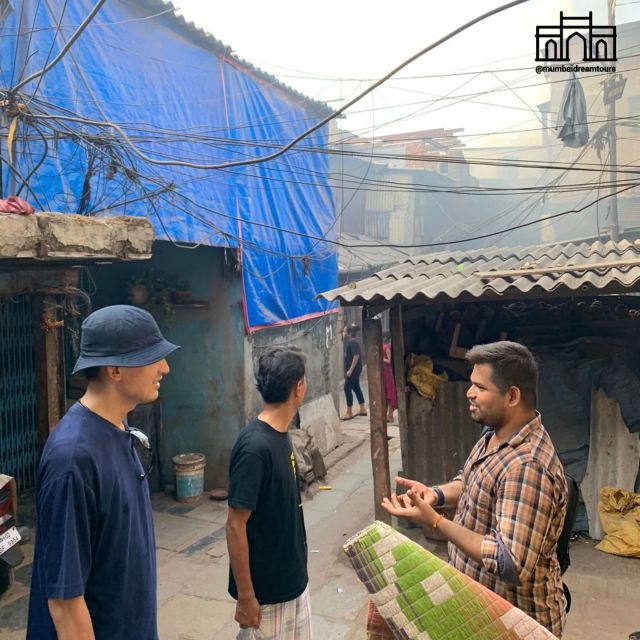
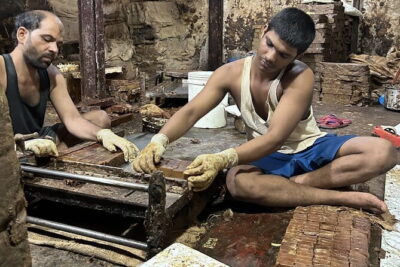
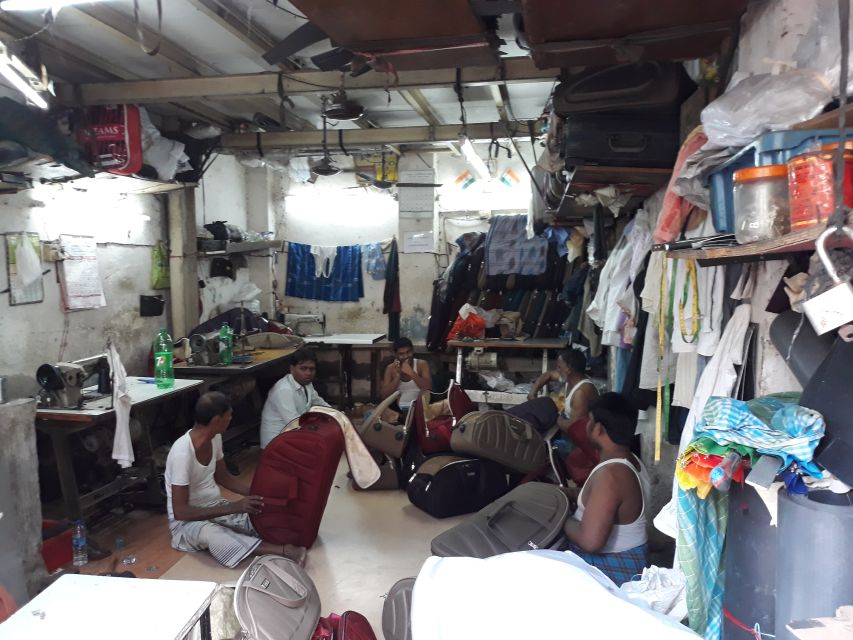
Dharavi is famous for industry, and the tour does a good job of making that industry visible. You’ll see leather workshops and also production related to soap manufacturing and colored dyes. There may also be other small-scale trades along the route, depending on what’s active that day.
What I like about this part is that it forces you to slow down. It’s easy to think of “small spaces” as limits. Here, the tour frames the same tight setting as a design challenge people learned to solve: tools in corners, work organized by workflow, and skills passed from one generation to the next.
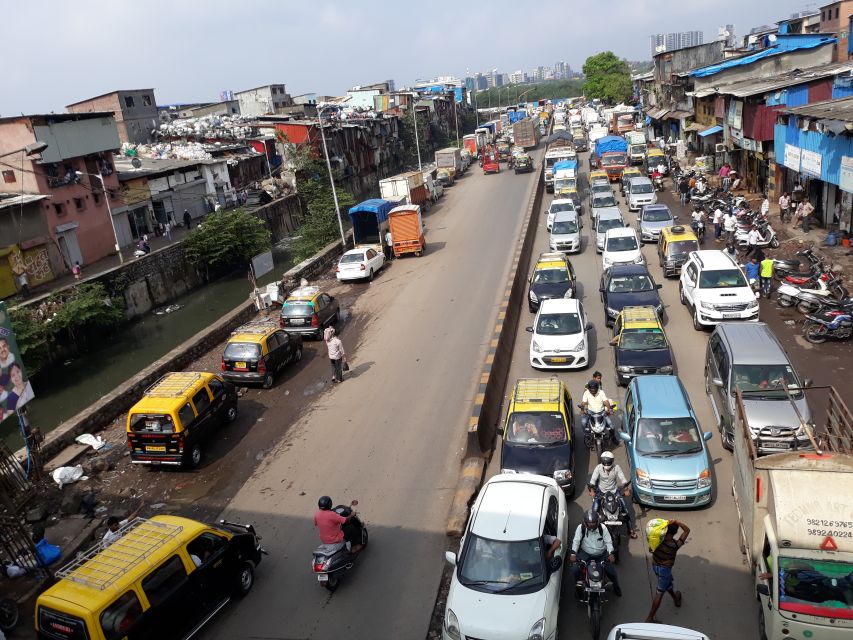
You’ll also pass everyday infrastructure. The walk includes mentions of schools, hospitals, and houses. That’s important because it shows that Dharavi isn’t only factories and workshops. It’s also homes, classrooms, and health services—part of the same living system.
Recycling in Dharavi: how plastic and oil cans become money and materials

If you remember one idea from the tour, make it this: recycling is a major economic pathway here. Dharavi’s economic output is estimated to be about 1 billion US dollars annually, with a large share tied to informal recycling—specifically described as Rubie’s recycling industry.
On the ground, you’ll learn about the importance of plastic recycling and you’ll see examples of what that looks like in practice. A standout example is how vegetable oil cans get recycled in creative ways. This isn’t a lecture; it’s the kind of explanation that helps you understand what becomes useful again, and why that matters to household income.
The practical takeaway for you: when you see bags, bottles, and containers moving through Dharavi, you shouldn’t just think trash. Think raw materials. Think supply chains without the glossy packaging.
Faith in everyday life: community shrines and mixed neighborhoods
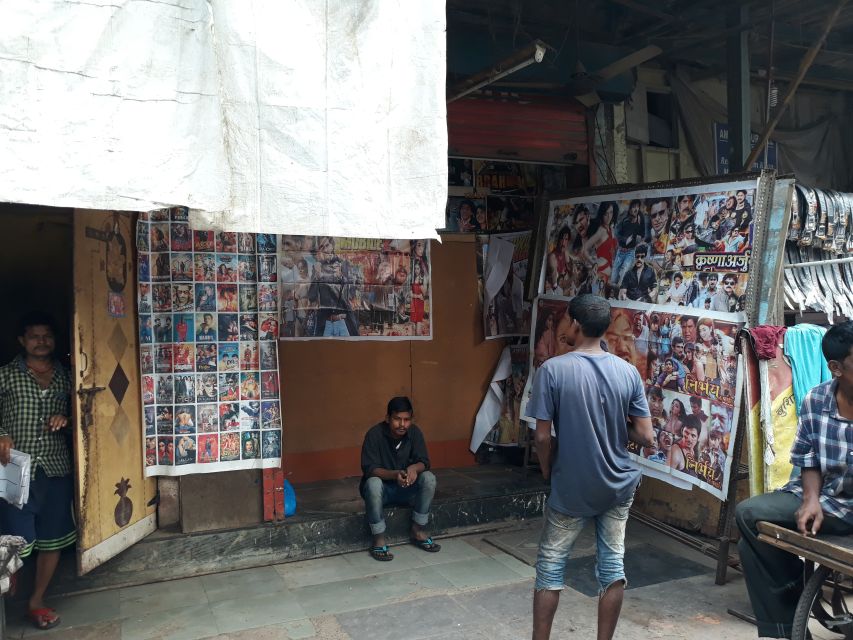
The tour also points out the social fabric—how different communities share space and time. One moment described on the route involves Muslims making a shrine for Hindus, which is the kind of detail that breaks the stereotype box fast.
Why does this matter for your understanding? Because a slum tour can accidentally reduce a place to economics alone. Here, the point is that people handle work and devotion side by side. Community life isn’t scheduled only around markets and recycling lines. It also happens around rituals, shared neighborhoods, and visits that don’t wait for outsiders’ opinions.
When your guide talks about these interactions, listen for the tone: it’s less about drama and more about normal life carried on with care.



Pottery workshop option: throwing on the wheel and making Kumbharwade art

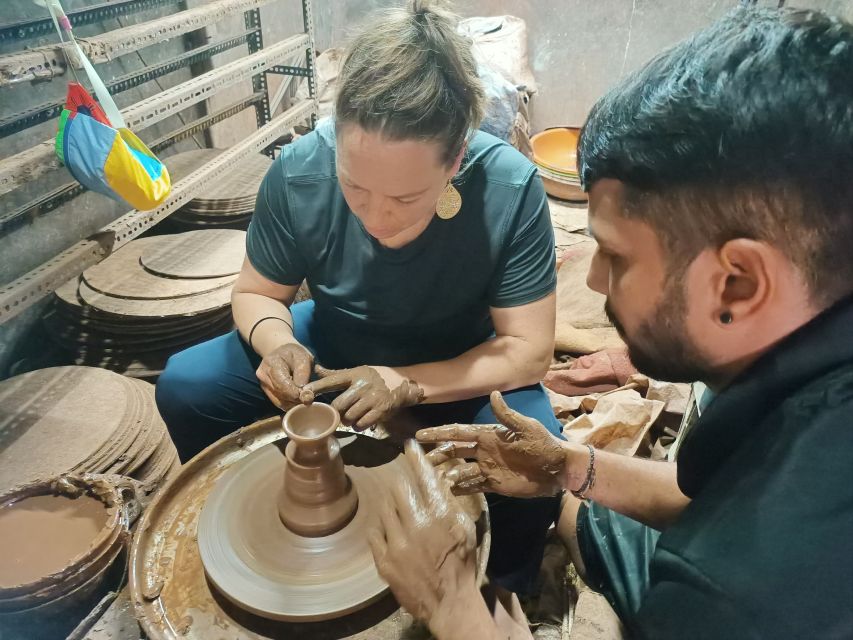
You can add a hands-on pottery option. The workshop starts with a general overview of pottery making, then gives you a chance to work on a wheel. The goal is not perfection. The goal is a quick, real sense of what the craft demands—timing, pressure, patience, and coordination.
The specific outcome mentioned is making Kumbharwade art. You’ll get a guided experience from a local potter’s workshop, which usually makes the process feel grounded instead of staged.
Practical note: if you’re choosing pottery, think about what kind of souvenir you want. This is one of those tours where the “best photo” might be the one where you can actually say what you made and why it’s difficult.
Vegetarian lunch with a local family: eat like they do
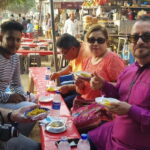
Another optional add-on is lunch with a local family. The tour describes a vegetarian lunch eaten with the family, sitting on the floor and eating with your hands.
This is one of the most valuable ways to understand daily life because food is not a separate topic. It’s part of routine, part of hospitality, and part of how a household shares time.
If you go this route, bring your best self: be curious, keep questions respectful, and expect that your guide will handle the most delicate pacing so everyone stays comfortable. The food itself is practical here—filling and familiar in the local sense, not a fancy restaurant performance.
Guides who live the story: Abhishek, Bharti, Dhruvesh, Hardik Tank, and Rakesh

A walking tour of Dharavi lives or dies on the guide. The strongest praise centers on guides who do three things well: they explain clearly, they act respectfully around residents, and they answer questions without turning the day into an interrogation.
You’ll see names mentioned often, including Abhishek and Bharti, with both noted for being warm, welcoming, and strongly focused on making you feel safe and comfortable. Dhruvesh is praised for organization and respectful, polite storytelling. Hardik Tank (also referenced as Hardik Tak) is described as having deep insight and a thoughtful approach that keeps the experience low-impact for people living and working nearby. Rakesh also appears as an effective, enthusiastic guide.
One recurring theme: the guide makes you feel like you’re walking in the real neighborhood, not standing outside a fence. That’s why the best tours aren’t about spectacle. They’re about context.
Price and value: what $14 buys you in real access
At $14 per person, this tour is priced for access, not luxury. You’re paying for a local guide, a structured route through working areas, and the chance to see and ask questions where most visitors can’t comfortably go on their own.
What’s included depends on your selected option. The tour includes the slum tour, guide, and water, and it can also include a vegetarian lunch or a pottery workshop based on what you choose. That matters because those add-ons turn the visit from observation into participation.
Also, guides who are careful about not disrupting residents and who explain trade processes clearly can save you a ton of mental energy. You don’t just watch. You understand what you’re looking at.
What to bring, and how to act in a working neighborhood
The tour is straightforward about essentials: bring a scarf and wear closed-toe shoes. That’s not a fashion suggestion. It’s practical for walking and for staying comfortable in tighter lanes.
Beyond that, keep your behavior simple and respectful:
- Keep your camera use thoughtful and follow your guide’s cues
- Assume you’re entering active work spaces, not staged sets
- Ask questions, but let your guide set the pace
- Dress comfortably enough to move on foot
If you want a tour that feels human and low-pressure, choose the option that fits you best. If you want creative participation, pick pottery. If you want a family-style cultural moment, pick lunch.
Should you book the Dharavi Slum Walking Tour?
Book it if you want a Dharavi visit that focuses on work, recycling, and everyday community—not fear or shock value. The strong point is the way the route links industry (leather, soaps, dyes), recycling systems (plastic and oil can reuse), and local life (schools, hospitals, houses, community rituals) into one picture you can actually hold in your head.
Skip it if you’re looking for a quiet, comfortable, strictly tourist setting. This is a real neighborhood with real production, and your presence needs to be light.
If you do book, choose the add-on that matches your curiosity. Pottery helps you understand craft by doing. Lunch helps you understand hospitality and routine through a shared meal. Either way, go with open eyes, good shoes, and the patience to let the place show itself at street speed.
FAQ
Where does the tour start?
The tour starts with you meeting your guide at Third Wave Coffee.
Where does the tour end?
The tour ends back at the meeting point.
How much does the tour cost?
The price is $14 per person.
What language is the tour in?
The tour is offered in English.
What is included in the standard tour?
The standard inclusions are the slum tour, a guide, and water.
Is lunch included?
A vegetarian lunch is included if you choose the lunch option.
Is the pottery workshop included?
A pottery workshop is included if you choose the pottery option.
What should I bring?
Bring a scarf and wear closed-toe shoes.
What is the cancellation policy?
You can cancel up to 24 hours in advance for a full refund.
Does payment lock in your plans?
You can reserve and pay later, meaning you can book your spot and pay nothing today.