REVIEW · MARKETS
Mumbai Morning Market Tour of Flowers, Fish, and More
Book on GetYourGuide →Operated by Cityscape Mumbai Tours · Bookable on GetYourGuide
Mumbai doesn’t wait for you to wake up. A morning tour through flower, fish, and vegetable markets turns the city into a full-sensory experience before the traffic has even decided to start. Along the way you’ll also see a working side of Mumbai that most sightseeing routes skip, including Dhobi Ghat and a stop at CSMT, with an English-speaking guide keeping everything understandable.
What I like most is the way this tour lines up the senses with the story. The fish market at Sassoon Dock hits first, with the daily rhythm of sellers and the work happening right in front of you, and guides like Subhan or Jawwad (Jay) make it easy to know what you’re seeing. I also love the local train ride and the Dhobi Ghat visit, where the laundry operations can move over 2,000 clothes a day, so it’s not just a photo stop, it’s a real look at how the city functions.
One thing to plan for: it’s early. You’ll start while the city is still waking up, and the fish market area can be smelly and a bit wet, so bring sturdy shoes and be ready for a morning that’s all action, not slow coffee.
In This Review
- Key points before you go
- Why the markets-before-breakfast timing matters in Mumbai
- Price and what you actually get for $19
- Meeting at Colaba and getting into the right mindset
- Sassoon Dock fish market: the first hit of smell and work
- Churchgate Railway Station: a quick orientation before you ride
- Dhobi Ghat: 2,000 clothes a day and a lot more meaning
- Dadar vegetable market: fragrance, sorting, and the daily supply chain
- Flower Market Dadar: the fragrance stop you won’t forget
- Local train ride plus CSMT: the skyline moment with real function
- What to eat and drink when foods aren’t included
- Who this tour suits best (and who should think twice)
- Should you book this morning market tour?
- FAQ
- Where do I meet the guide?
- Is hotel pickup included?
- How long is the tour?
- How much does it cost?
- What’s included in the tour?
- Is there a local train ride?
- Are foods and drinks included?
- What language is the tour guide?
- Can I cancel for a full refund?
- Is there an option to pay later?
Key points before you go
- Sassoon Dock fish market at the start: you’re there before most people and before the day heats up
- Dhobi Ghat laundry stop: you’ll see how the city handles daily cleaning at massive scale
- Dadar vegetable and flower markets: coriander, chili, and flower fragrance are part of the experience
- Local train ride experience: a practical way to learn Mumbai’s public transport flow
- English-speaking guides (like Subhan, Jawwad, or Chirag): explanations keep the chaos readable
Why the markets-before-breakfast timing matters in Mumbai
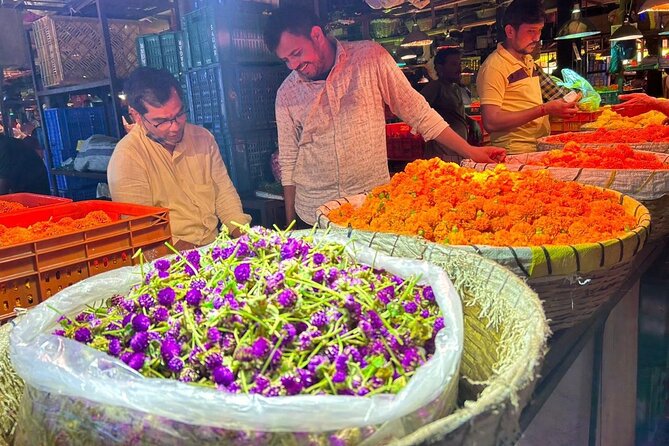
Mumbai’s markets don’t behave like museum exhibits. They work on a clock, and that clock starts early. This tour is built around that fact: you’re moving through Sassoon Dock, Dhobi Ghat, and the Dadar markets while vendors are in full rhythm and before many areas start winding down later in the day. If you’ve only seen Mumbai in the late morning or afternoon, you’ll notice the big difference right away: the energy is sharper, the work is visible, and the city looks less like a postcard.
You’ll also get a “two worlds at once” feeling. One side is trade and transport—seafood handled for the day, vegetables sorted for daily demand, flowers prepared for visitors and worship. The other side is daily labor as a system—Dhobi Ghat as a working hub, feeding hotels, hospitals, and private homes. That pairing is what makes the morning so memorable.
You can also read our reviews of more shopping tours in Mumbai

Price and what you actually get for $19
At $19 per person for about 3 to 3.5 hours, this is one of the more value-packed ways to get “local access” without doing everything yourself. Here’s what you’re paying for beyond a guide walking beside you:
- Hotel pickup and drop-off (in the option you choose), plus transport support
- Guided market time through the Dadar flower and vegetable markets
- Exploration at Sassoon Dock fish market and Dhobi Ghat
- A visit to Chhatrapati Shivaji Maharaj Terminus (CSMT)
- A local train ride experience included in the package
What’s not included: food and drink. That’s not a deal-breaker, but it does affect value if you expect breakfast to be covered. In practice, you’ll likely want to plan a small snack budget for things like chai and a street bite (some tours include a snack stop in the route style, but the package itself says foods/drink are not included).
Meeting at Colaba and getting into the right mindset
Your day starts with a clear meeting point: Pizza Express Colaba, near the Gateway of India. If you pick the hotel pickup option, you’ll meet your guide and driver at your hotel instead. Either way, you’re set up to begin before the city turns chaotic for everyone else.
That early structure matters. You’re not just wandering into crowded spaces on your own; you’re being routed through the best moments, with stops that connect logically. Guides in this program (I’ve heard names like Subhan, Jawwad/Jay, Chirag, and Sharon) focus on helping you understand what’s happening, not just where to stand for a photo.
One practical tip: start the day dressed for real street conditions. At the fish market, the air can be strong and the ground can feel wet. A quick change from “city walking shoes” to something you trust is a smart move.
Sassoon Dock fish market: the first hit of smell and work
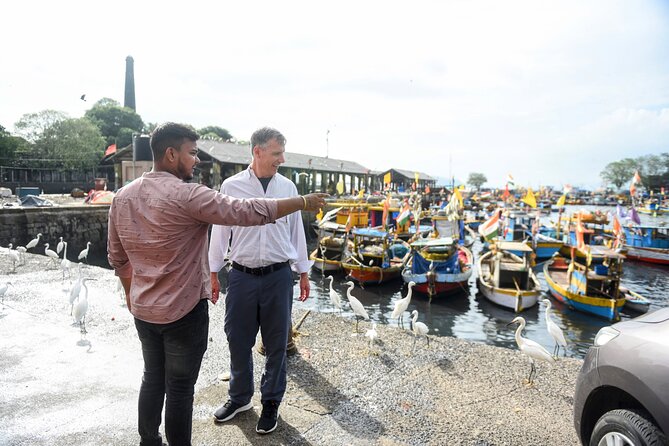
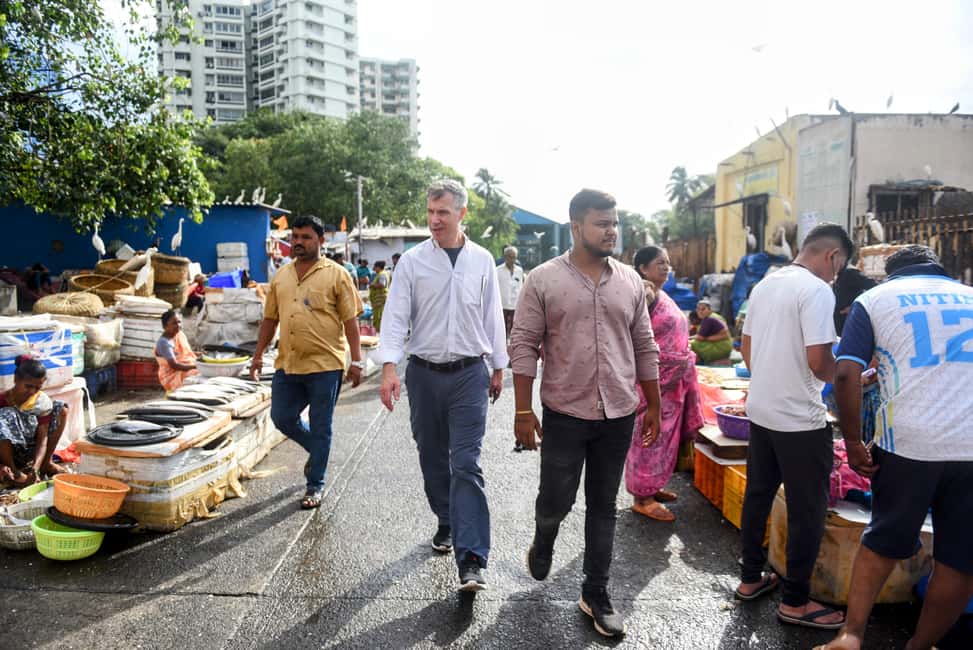
Sassoon Dock is your first major stop, and it sets the tone for the tour. You’ll get a guided walk and then time in the market where sellers and workers handle seafood for the day. Expect the contrast: the women who sell fish, the men displaying daily catch, and the constant movement around cutting, cleaning, and preparation.
This is where the senses show up. Fresh fish has a sharp smell, and it’s not the gentle perfume kind. Along with that, you’ll notice the spice-and-vegetable context too—coriander and chili show up in the broader market atmosphere. The guide’s job is to translate the scene into something you can follow: what’s happening now, why it matters, and how the daily flow works.
Drawback to keep in mind: this is not a slow sightseeing stop. It’s active work. If you’re uncomfortable with close-up smells, seafood handling, or crowds, you’ll want to keep your expectations realistic and stick close to your guide.
Churchgate Railway Station: a quick orientation before you ride
After the docks, you’ll visit Churchgate Railway Station for a short stop. This is one of those quiet-but-important moments. You’re not spending hours there, but you’re getting situated in the transport system before stepping into it fully.
In other words: you’re being taught the “how” before the “where.” That can make the later train ride feel less stressful. You’ll also get practice with the basic rhythm of getting around in Mumbai, which is half the value of doing this tour instead of only following maps.
You can also read our reviews of more tours and experiences in Mumbai



Dhobi Ghat: 2,000 clothes a day and a lot more meaning
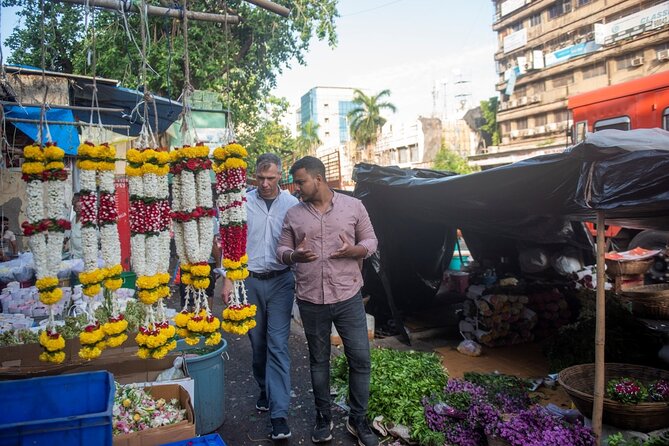
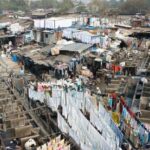
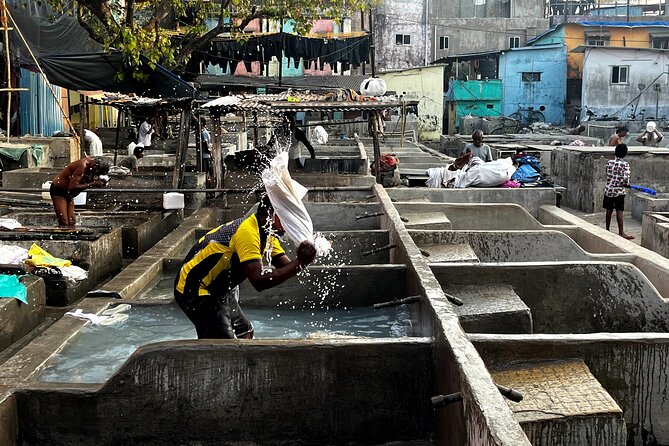
Next comes Dhobi Ghat, a place people recognize by name but often don’t understand as a working system. You’ll have a photo stop, then guided time to see how laundry is cleaned and handled at scale.
The headline detail is the scale: the wash area processes over 2,000 clothes daily, including items from hotels, hospitals, and private homes. That fact changes how you look at the place. You’re not just seeing work; you’re seeing infrastructure for city life.
What I like about this stop is that the guide’s explanations turn the scene into context. A good guide helps you notice patterns—how clothing arrives, how it’s processed, and why the operation stays so busy. Guides have also emphasized safety and comfort in crowded spots, including helping you move confidently through busy areas.
Possible drawback: Dhobi Ghat can feel intense in a sensory way. It’s a working yard, so plan on being close to the practical realities of the job. If you go in with respect and a steady pace, it becomes one of the most human stops on the route.
Dadar vegetable market: fragrance, sorting, and the daily supply chain
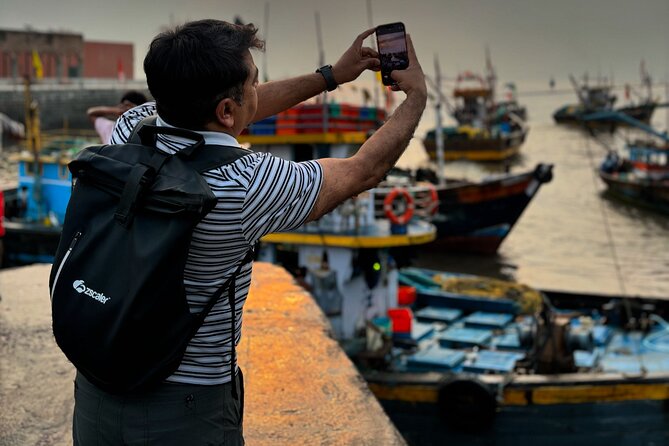
Then you head to Dadar Fruit and Vegetable Market, with time to visit and a guided walkthrough. This is where you get the shift from sea smell and laundry reality to food supply. You’ll notice the colors first, but the smell is the real clue: fresh herbs and spices hang in the air—coriander, chili, and the general scent of produce being handled all morning.
This stop is useful because it explains the market logic. You’ll get a guided read on how vendors present goods, how the morning flow moves, and how buyers fit into the picture. Even if you’re not shopping, it gives you a clearer view of how daily life gets fed.
The drawback here is less about comfort and more about pace. Markets are active by nature. You’ll want to wear something you can move in and expect short bursts of crowd density.
Flower Market Dadar: the fragrance stop you won’t forget
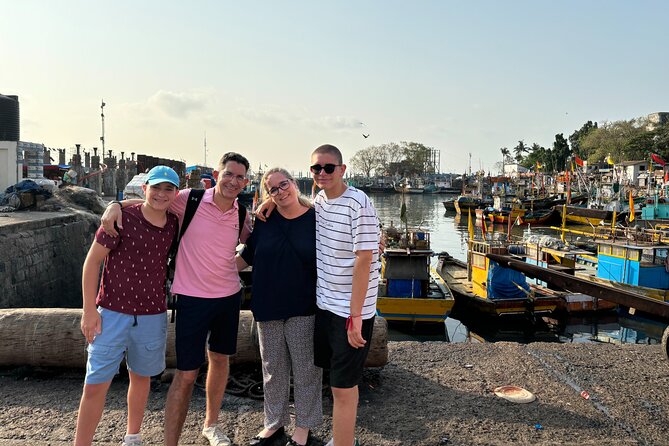
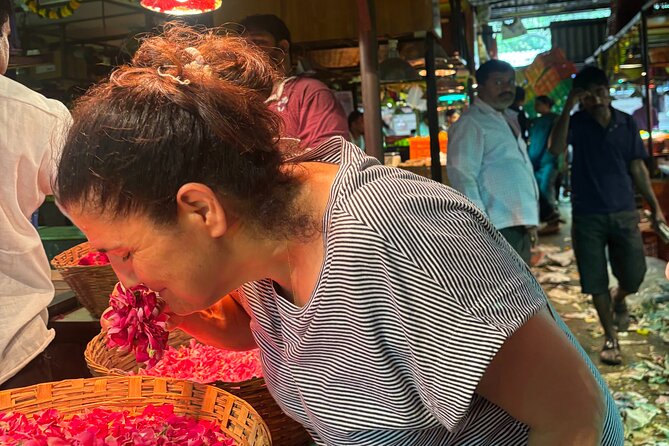
The final market stop is Flower Market Dadar, again with a photo stop plus guided time. If the fish and vegetables are about daily supply, flowers are about daily meaning. The colors can be startling, and the fragrance makes it feel like a different kind of market entirely.
This is also one of the best places to slow down a touch, because flower sellers often show you the craft of preparing arrangements. You can take photos, look at the way vendors bundle and present stems, and listen to the guide’s explanation of how this market fits into Mumbai’s routines.
One small practical note: if you’re planning to buy flowers, keep your packaging expectations realistic and follow whatever guidance your guide provides for handling purchases in the street environment.
Local train ride plus CSMT: the skyline moment with real function
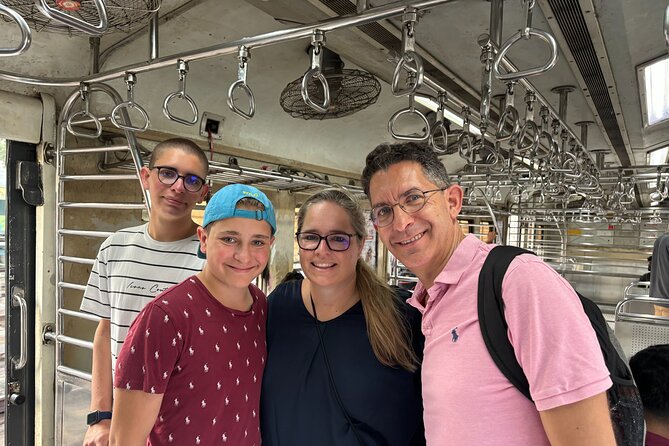
A big part of the tour’s value is that it includes a local train ride experience, not just a bus hop. That train segment is where you feel Mumbai as a moving city. The guide helps you figure out when and how to move through the station areas so you don’t spend the ride worried about the next step.
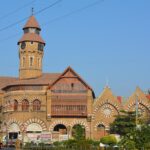
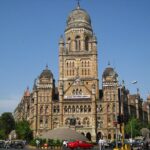
You’ll also see CSMT (Chhatrapati Shivaji Maharaj Terminus) during the tour. This matters because it’s an iconic building you’d normally approach as a standalone sight. Here, it’s folded into a route that already makes sense, so it feels less like a checklist stop and more like a natural part of the day’s movement.
What to eat and drink when foods aren’t included
Foods and drink are not included in the tour price, so don’t plan your budget like it’s a breakfast tour package. That said, the route often includes the kind of street snack moment people remember, like chai and small bites such as samosa in similar morning market formats.
My advice: bring a little cash for a simple breakfast snack and chai. Keep it light enough that you can keep moving through wet, crowded spaces comfortably. If you’re sensitive to strong smells, pick your snack timing carefully and avoid anything that doesn’t travel well with you.
Who this tour suits best (and who should think twice)
This tour is best for you if you want:
- A morning-focused Mumbai experience when the markets are active and before many areas close
- A guided walk-through that helps you understand what you’re seeing at Sassoon Dock, Dhobi Ghat, and the Dadar markets
- A chance to try local transit with a guide rather than figuring it all out under pressure
- A sensory itinerary: fish, herbs and spices, and flowers all in one stretch
Think twice if:
- You’re not comfortable with strong smells or wet surfaces around fish and laundry areas
- You prefer a slower pace with minimal crowd exposure
- You expect food to be fully included (it isn’t)
Should you book this morning market tour?
Yes, if you want a high-value snapshot of Mumbai’s daily systems—food supply, floral trade, and large-scale laundry—wrapped into a short morning window. At $19, the combination of hotel pickup/drop-off (option-based), English guidance, market time, CSMT, and a local train ride is a strong deal compared to piecing it together yourself.
Book it especially if early mornings don’t scare you. The strongest moments happen before the city fully wakes up, and the tour’s structure is clearly built for that timing. Just do yourself a favor and pack the basics: sturdy shoes, clothes you don’t mind getting a bit smelly, and a small snack budget since foods/drink aren’t included.
If you’re aiming to go beyond landmarks and see how people actually work and shop in Mumbai, this tour is an easy yes.
FAQ
Where do I meet the guide?
You’ll meet your guide at Pizza Express Colaba, near the Gateway of India.
Is hotel pickup included?
Hotel pickup and drop-off are included as part of the tour options. If you choose pickup, you’ll meet the guide and driver at your hotel.
How long is the tour?
The duration is 3 to 3.5 hours.
How much does it cost?
The price is $19 per person.
What’s included in the tour?
Included items are hotel pickup and drop-off, a guided tour through Dadar Flower Market and Vegetable Market, exploration of Sassoon Dock Fish Market and Dhobi Ghat, a visit to CSMT, and a local train ride experience.
Is there a local train ride?
Yes. A local train ride is included in the tour package.
Are foods and drinks included?
No. Foods and drink are not included.
What language is the tour guide?
The tour guide provides live guidance in English.
Can I cancel for a full refund?
Yes. You can cancel up to 24 hours in advance for a full refund.
Is there an option to pay later?
Yes. The listing offers a reserve now and pay later option, so you can book and pay later.