REVIEW · DHARAVI SLUM TOURS
Mumbai: Dharavi Slum Tour with Dhobi Ghat (Open-Air Laundry)
Book on GetYourGuide →Operated by Beautiful Bombay Tours · Bookable on GetYourGuide
Dharavi runs on work, not pity. This short tour links Dharavi with Dhobi Ghat, showing how Mumbai turns everyday labor into real value. You’ll walk through narrow lanes, then watch the famous open-air laundry where clothes move from wash to drying and sorting by hand.
I especially like the tour’s focus on the economic side of daily life: recycling, pottery, leatherwork, and small industries that keep the neighborhood functioning. I also like the contrast of ending at Dhobi Ghat, where the scale is obvious and the pace feels almost rhythmic, like you’re seeing a living production line.
One heads-up: you’ll be walking through tight, busy streets, and restroom options may be limited, so plan for comfort and pace. Also, photography needs extra care since this is a working community, not a theme park.
In This Review
- Key things I’d watch for on this Dharavi + Dhobi Ghat combo
- Why this 3-hour pairing makes sense
- Starting at Third Wave Coffee: your simple game plan
- Dharavi on foot: what you’ll actually see
- Market streets, textiles, and why the shopping feels different
- The guide’s role: stories you remember after the walk
- Dhobi Ghat viewing deck: watching Mumbai’s open-air laundry at scale
- Photography, privacy, and the respectful way to move through homes
- Comfort, timing, and weather: plan like you’re walking all day
- Price and value: why about $5 can be a smart deal
- Who should book (and who might want a different plan)
- Should you book this Dharavi + Dhobi Ghat tour?
- FAQ
- Where do I meet the guide?
- How long is the tour?
- What’s included in the price?
- Is food provided during the tour?
- Can I take photos in Dharavi and Dhobi Ghat?
- What should I bring, and what’s not allowed?
Key things I’d watch for on this Dharavi + Dhobi Ghat combo
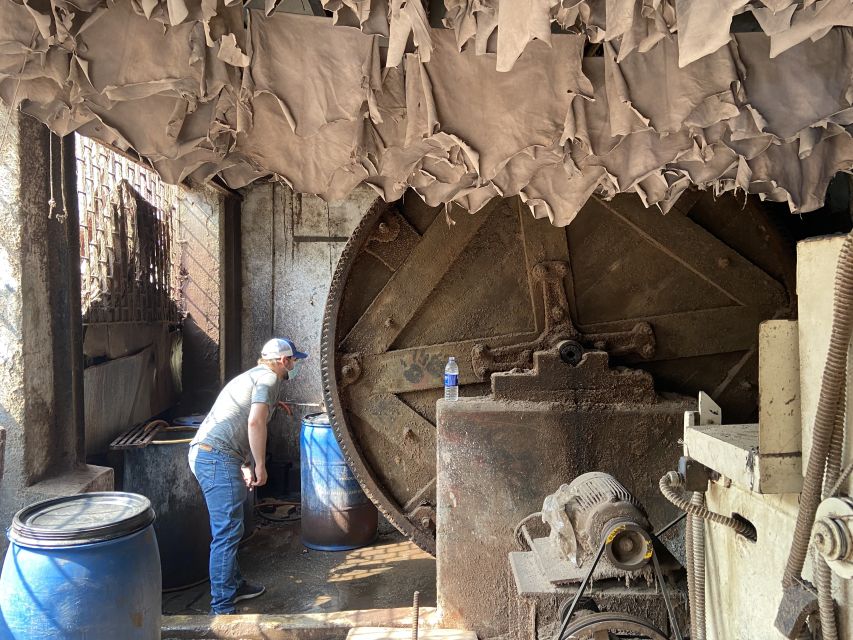
- A work-first view of Dharavi, including recycling and small-scale trades that turn waste into usable products
- Hand labor at Dhobi Ghat, where clothes are washed, dried, ironed, and sorted in a huge open-air operation
- Market time for textiles and handicrafts, which helps you connect the industries to what people actually buy
- A strong local guide matters, and names like Pooja, Anushka, Varsha, and Smehe have been praised for clear explanations
- Photo rules you should follow, because privacy and dignity come first
Why this 3-hour pairing makes sense
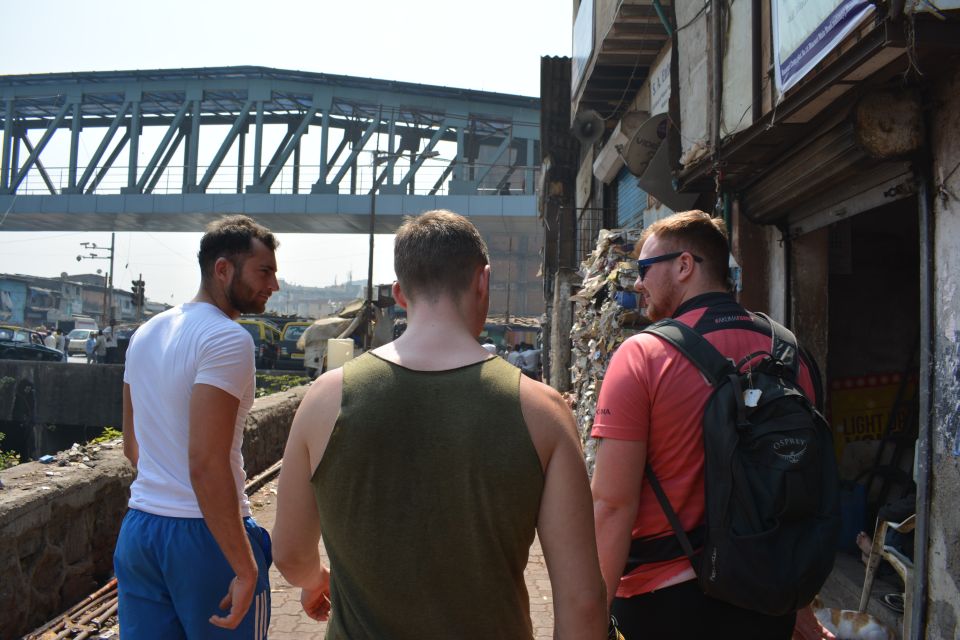
You get a rare double perspective in one block of time: first, Dharavi as a place where making and repairing happen close to home; then Dhobi Ghat as a giant public workplace that pulls the city’s laundry into one visible rhythm. The smart part is how the two settings connect through the same theme: value created through labor.
In just three hours, you’re not asked to pretend you’re there for entertainment. You’re asked to pay attention—how materials move, how workers organize tasks, and how small businesses keep goods flowing. That’s why the tour works so well for first-timers who want something real, but still manageable in time.
You can also read our reviews of more tours and experiences in Mumbai.



Starting at Third Wave Coffee: your simple game plan
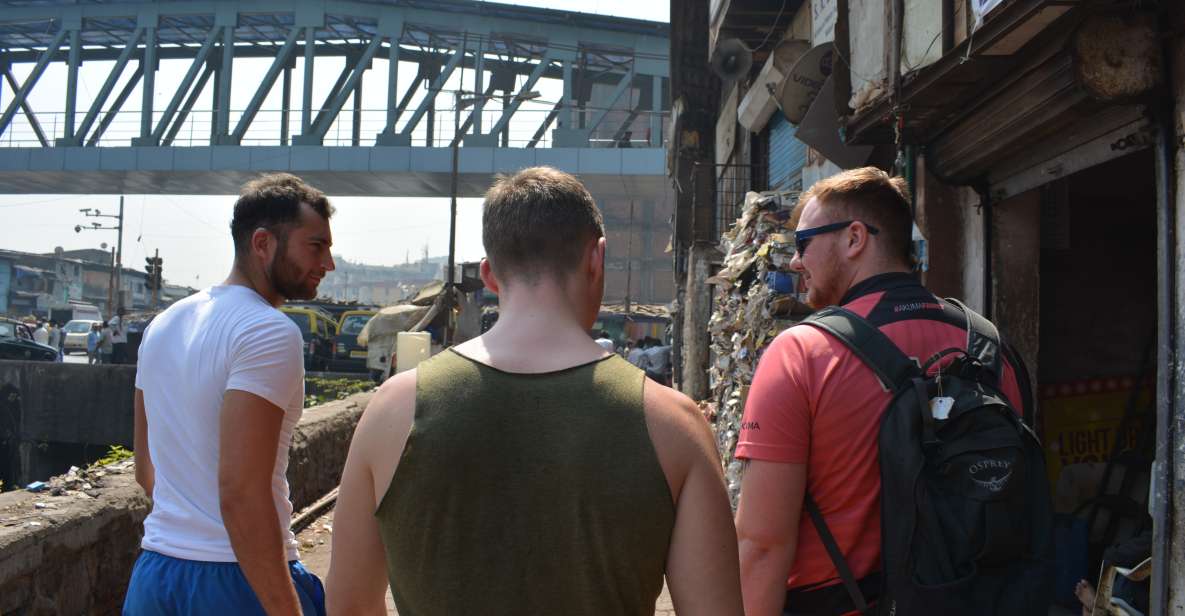
You meet your guide outside Third Wave Coffee, and you’ll want to arrive about 15 minutes early so you don’t slow the group down. This start matters more than you think, because once you hit Dharavi’s lanes, you’re in walking mode almost immediately.
Bring comfortable shoes, a hat, and a camera if you want photos. I’d also strongly consider a reusable water bottle, since staying hydrated is encouraged and the route runs through busy streets with limited stop opportunities.
Also check what you can’t bring: no baby strollers, and no luggage or large bags. If you travel with carry-on sized items, plan ahead so you’re not stuck managing it mid-walk.
Dharavi on foot: what you’ll actually see
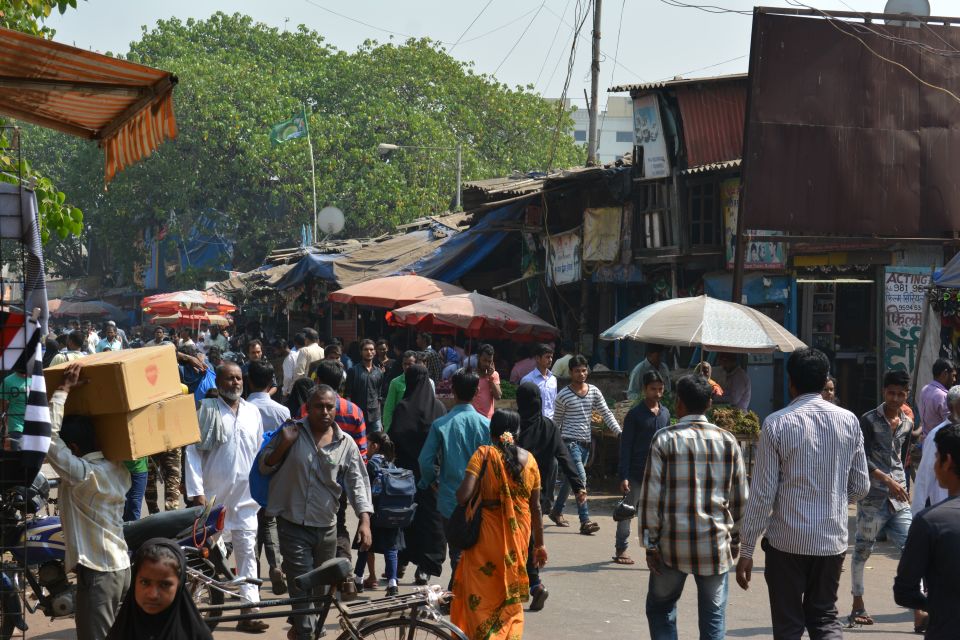
The Dharavi portion runs about 2.5 hours, mainly as a guided walk through narrow lanes and active streets. The biggest thing you’ll notice is that this isn’t just housing—it’s production, trade, and ongoing business.
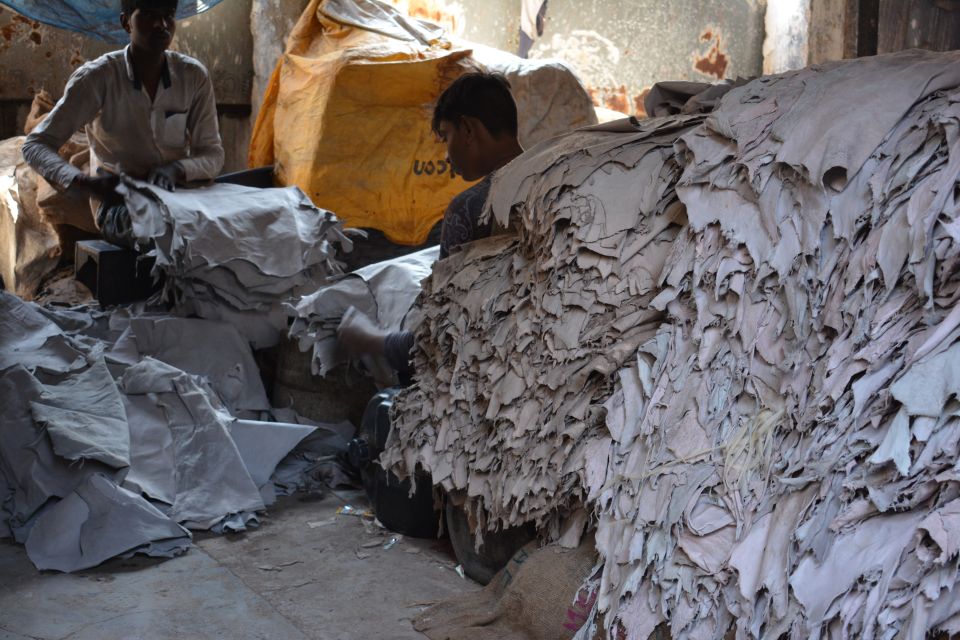
You’ll learn how Dharavi contributes to Mumbai’s economy through hands-on industries like pottery, leatherwork, recycling, and bakery units. The point isn’t to treat the area like a single story of poverty. It’s to see the practical systems—work skills, informal supply chains, and the way residents adapt and keep going.
And yes, you may also see the “behind the headline” side of recycling: how waste materials can be turned into something useful. When you watch that process with a guide’s explanation, it clicks that recycling here is not just environmental—it’s economic survival and job creation.
Market streets, textiles, and why the shopping feels different
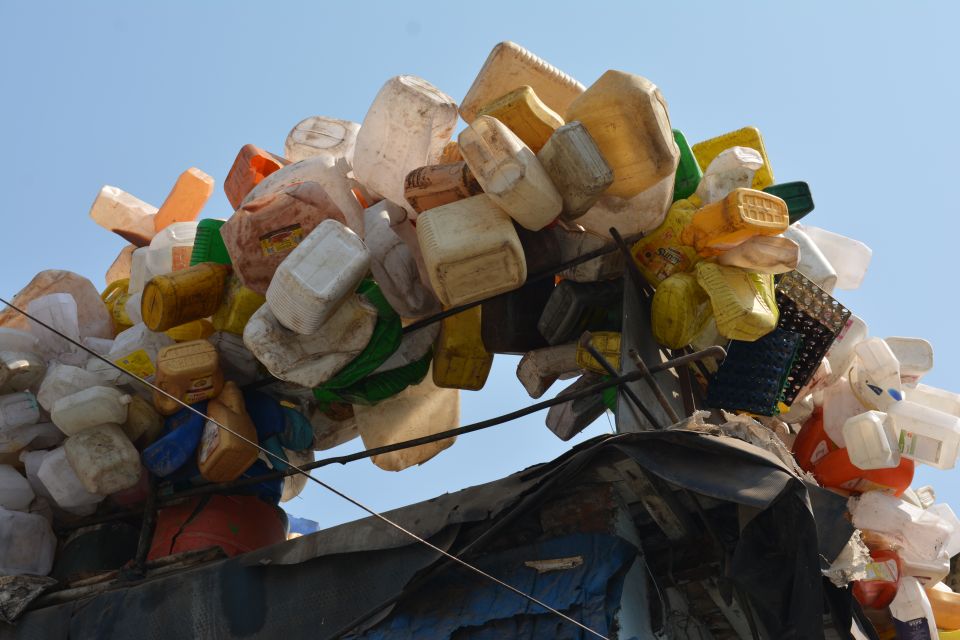
A big part of why I like this tour is that it doesn’t only point at factories and workshops. You’ll also explore bustling market areas where you can discover handicrafts and textiles.
That matters because it gives you a bridge between what you see and what ends up as products. If you’ve only ever thought of “handmade goods” as souvenirs, this portion reframes it: these crafts and textiles come from actual local work, not a production line built for visitors.
This is also where you can slow down. Look closely at materials and the way goods are categorized and sold. Even if you don’t buy much, you’ll walk away with a better sense of what Dharavi’s trades produce and how people connect those goods to the rest of the city.
The guide’s role: stories you remember after the walk
This tour is led by an English-speaking guide, and the difference between an okay visit and a memorable one is often the human layer—how someone explains what you’re seeing and why it matters. Recent groups have praised guides like Pooja, Anushka, and Varsha for being sharp on details and responsive to questions.
You should expect the guide to help you interpret what you’re passing: which work is connected to recycling, where industries overlap, and what it means that many residents operate small-scale businesses. You’ll also get direction on how to behave, especially with photography, since the area is people’s homes and workplaces.
If you care about asking questions—why certain materials are reused, how work is organized, what skills are traded—this tour format is built for that. Come curious and you’ll leave with a clearer mental map.




Dhobi Ghat viewing deck: watching Mumbai’s open-air laundry at scale
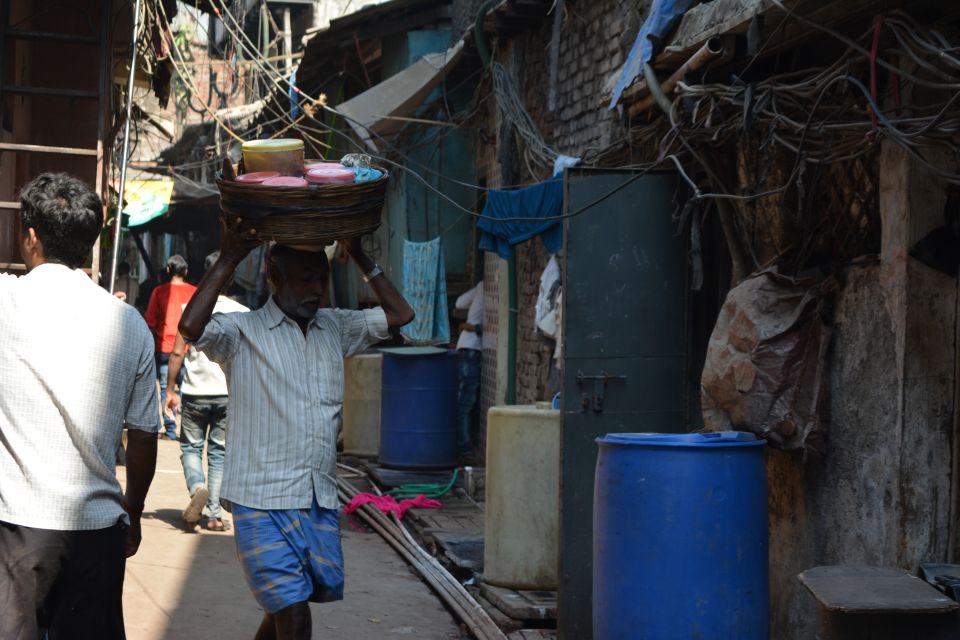
After Dharavi, you finish at Dhobi Ghat on the viewing deck. This is one of Mumbai’s signature sights for a reason: you’re not looking at a museum display, you’re watching an active system.
The laundry is described as the world’s largest open-air setup, with hundreds of washermen working in a coordinated rhythm. From the deck, you’ll see clothes washed, dried, ironed, and sorted by hand—all of it done outdoors, using traditional methods rather than an industrial factory setup.
What I like here is the clarity. Even if you don’t understand every step, you can see the sequence of labor: wash, move, dry, press, sort. It feels like you’re watching a workflow, not random tasks. And because the operation is so large, you get a sense of how much work keeps the city supplied with clean clothes.
One practical note: because you end at the viewing deck, plan for viewing rather than a full hands-on walkthrough inside the densest areas. If you want more close-up access, you’ll need to follow whatever your guide says on the day.
Photography, privacy, and the respectful way to move through homes
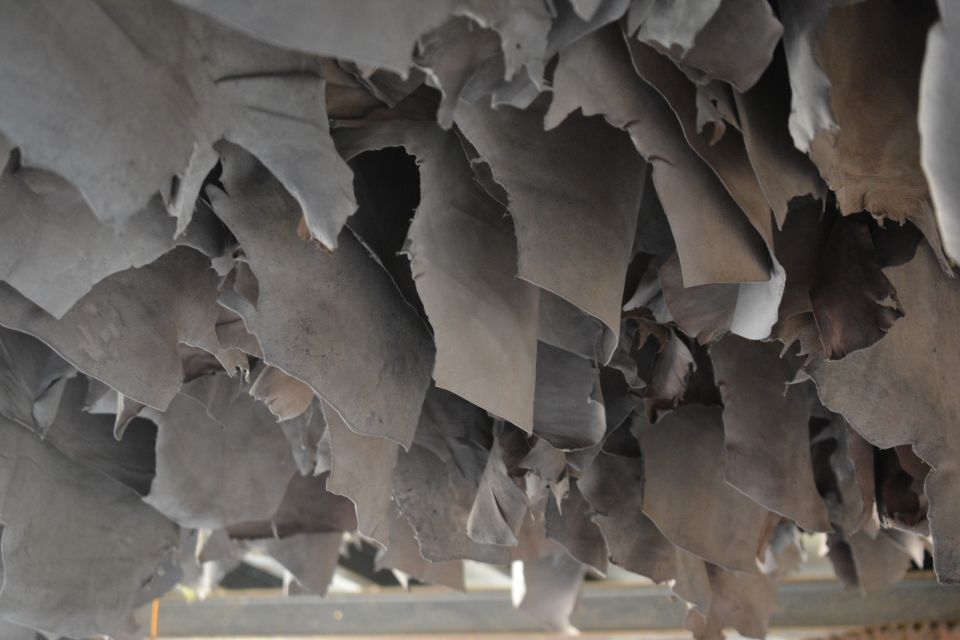
Photography is allowed, but the rules matter. The tour emphasizes that you should respect the privacy and dignity of residents and follow your guide’s instructions on when and where it’s appropriate to take photos.
Here’s the simple approach I’d use: ask yourself if a photo would make someone feel exposed. If you’re unsure, skip the shot. If your guide says it’s okay, keep it quick and avoid lingering in personal spaces.
Also remember: you’re walking through busy streets and narrow lanes. If you stop suddenly to frame a photo, you risk creating friction with both your group and locals moving through the same space.
Comfort, timing, and weather: plan like you’re walking all day
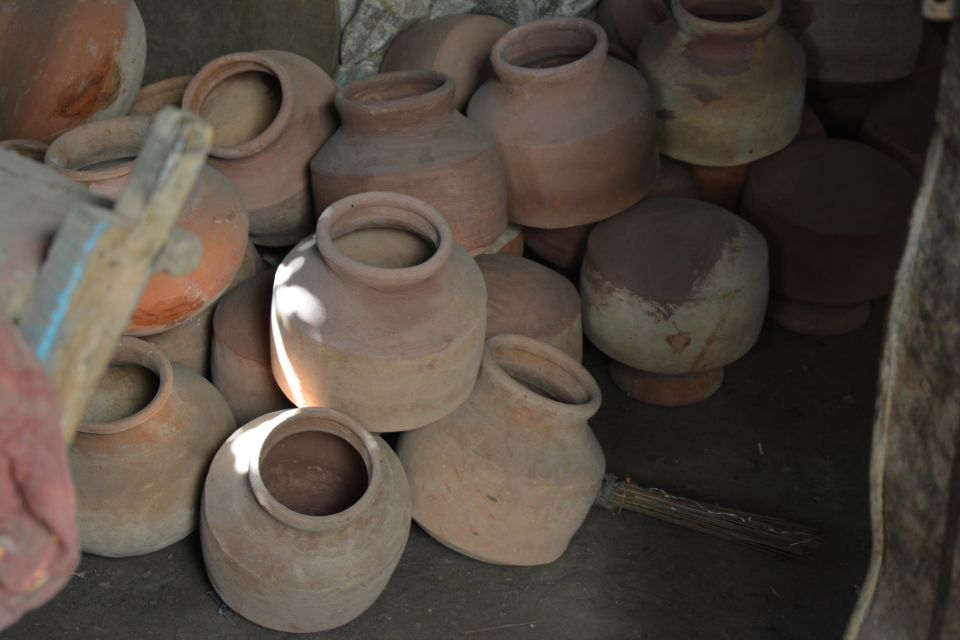
This is a walk-forward experience. Expect narrow lanes, crowded movement, and constant footwork. Comfortable shoes aren’t optional—you’ll feel every step.
The tour runs rain or shine, so pack for that reality. If you come in hot dry weather, wear sun protection (a hat is recommended). If it might rain, bring a light umbrella or appropriate outerwear so you can keep moving.
Restrooms can be limited during the tour, so the good move is to use facilities before you start. Then focus on steady hydration, because the route is active and you’ll be outside for the majority of the experience.
Price and value: why about $5 can be a smart deal
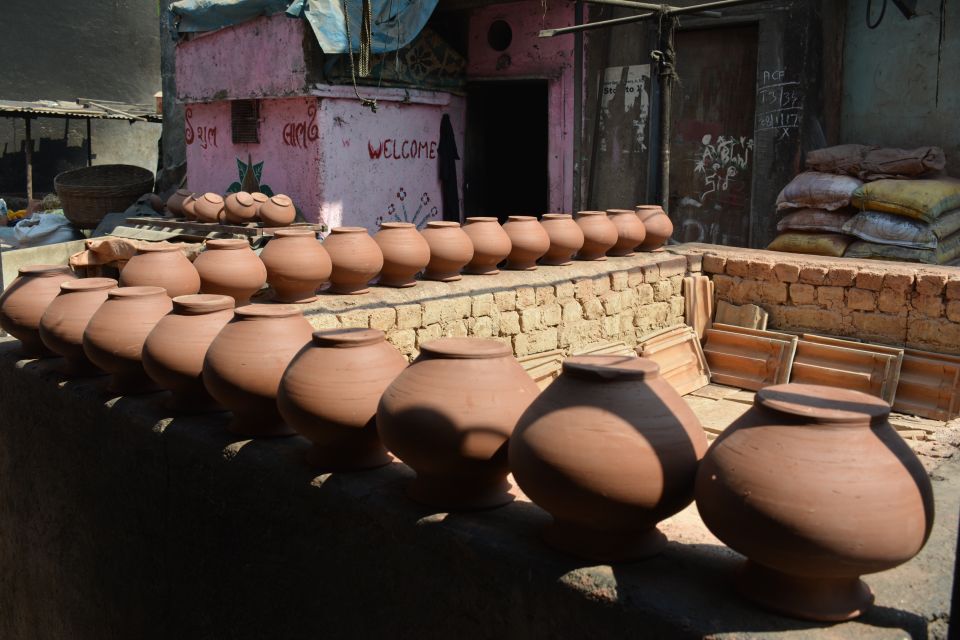
At roughly $4.94 per person for a 3-hour experience, this price looks shockingly low by typical tour standards. The value isn’t just the time—it’s what’s included.
You get entry tickets to Dharavi, described as Asia’s largest slum area, plus an English-speaking guide. You also get a structured two-part experience: Dharavi (about 2.5 hours) plus Dhobi Ghat at the end.
What’s not included: hotel pickup and drop-off, and food and drinks. So you’ll want to eat beforehand (or plan to eat after). If you’re staying nearby, you might save money on transfers. If you’re far, budget for getting yourself to Third Wave Coffee and back.
Net: the price makes sense if you value guided context and if you’re okay with walking and a no-frills pace. It’s not a luxury sit-down tour. It’s a focused look at how Mumbai works.
Who should book (and who might want a different plan)
This tour is a good fit for you if you want a practical, labor-centered view of Mumbai. You’ll likely enjoy it if you like street-level observations, markets, and seeing how local work connects to bigger city systems.
It’s also a strong choice if you’re worried about turning a sensitive place into “poverty tourism.” The tour’s emphasis on industries, recycling, and entrepreneurship helps shift the tone toward work and capability rather than pity.
It’s not a fit for wheelchair users. It also lists people over 95 years as not suitable. If you have mobility limitations beyond normal walking, this one may be harder than it looks.
Should you book this Dharavi + Dhobi Ghat tour?
If you want a short, meaningful outing that links two of Mumbai’s most recognizable workspaces, I’d book it. The best part is the pairing: Dharavi shows how skills and recycling create value inside a neighborhood, while Dhobi Ghat shows that same idea scaled up into one massive open-air routine.
Do book it if you’re comfortable walking, respect privacy, and treat the day like a learning walk instead of a sightseeing checklist. Skip it if you need lots of stops for breaks, prefer very predictable comfort, or dislike walking through crowded, tight streets.
If you do book, take one extra step to make the experience better: go in with questions. Ask how the recycling work turns into products, how industries connect, and what you should watch for at Dhobi Ghat. A good guide will turn those answers into the parts you remember long after you’ve left the neighborhood.
FAQ
Where do I meet the guide?
Meet your guide outside Third Wave Coffee. Arrive about 15 minutes early so you’re ready to start on time.
How long is the tour?
The total duration is 3 hours, with about 2.5 hours in Dharavi and the tour finishing at Dhobi Ghat.
What’s included in the price?
The tour includes entry tickets to Dharavi and an English-speaking tour guide.
Is food provided during the tour?
No. Food and drinks are not included, so eat before or after your tour.
Can I take photos in Dharavi and Dhobi Ghat?
Photography is allowed, but you must respect residents’ privacy and dignity and follow your guide’s photo instructions.
What should I bring, and what’s not allowed?
Bring comfortable shoes, a hat, and your camera (plus hydration since it’s encouraged). Baby strollers and luggage/large bags are not allowed.