REVIEW · MUMBAI MARKETS & BAZAAR TOURS
Mumbai Markets and Temples Tour
Book on Viator →Operated by Reality Tours & Travel Pvt Ltd · Bookable on Viator
Markets, temples, and cows in one walk. This late-afternoon route is a smart mix of shopping streets and sacred stops, with stops like Crawford Market and the Bombay Panjrapole cow sanctuary. I really like how the guides (some of the names I saw: Sabina, Nilesh, Biju, and Bipin Kumar) handle the crowds so you feel calm, not shoved around.
I also love the way the tour connects everyday life—what you see in the markets—to faith at the Mumbadevi Temple, including a chance to receive prasad. One possible drawback: it’s a fast-moving walk through busy places, so if you want to linger for long stretches, plan to treat each stop as a short, focused taste.
In This Review
- Key highlights I’d plan around
- Regal Cinema to Charni Road: what this 2.5-hour walk really feels like
- Crawford Market’s food-and-goods chaos: color, architecture, and an important heads-up
- Mangaldas Market textile lanes: why wedding-and-Diwali cloth matters
- Mumbadevi Temple: a quick lesson you can use in real life
- Bombay Panjrapole cow sanctuary: faith, caretaking, and a human-scale stop
- Guides in the market maze: why the names matter
- Price and value: why $27.97 can make sense here
- Who this tour suits (and when to choose something else)
- Should you book this Mumbai Markets and Temples Tour?
- FAQ
- What is the duration of the Mumbai Markets and Temples Tour?
- Where does the tour start and end?
- What time does the tour begin?
- How much does the tour cost?
- What’s included in the price?
- Is admission included at the stops?
- What’s not included?
- What places does the tour visit?
- Do I need to dress conservatively?
- Can I get a refund if I cancel?
Key highlights I’d plan around
- Crawford Market’s Gothic-Romanesque building and its famous early electricity claim
- Mangaldas Market’s wholesale textile energy, with fabric for weddings and Diwali
- Mumbadevi Temple plus a simple, practical explanation of Hinduism from your guide
- Bombay Panjrapole and its care for more than 350 cows
- English-speaking local guides who help you navigate crowds and keep things respectful
- Value pricing that includes water/cold drink and free admission at every stop
Regal Cinema to Charni Road: what this 2.5-hour walk really feels like
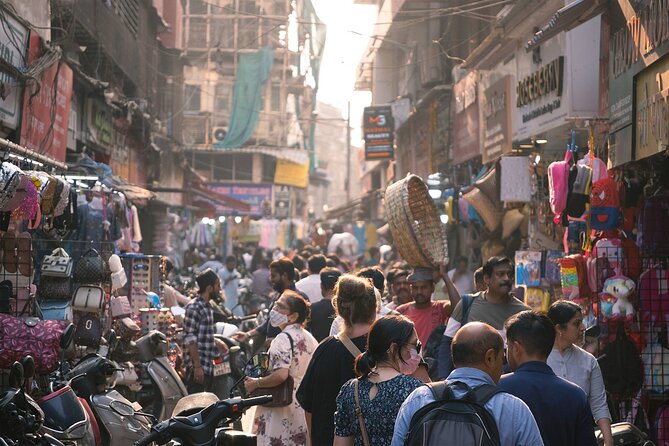
This is a late-afternoon walking tour that starts at Regal Cinema in Colaba at 3:30 pm and ends at Charni Road Railway Station. Plan on about 2 hours 15 minutes total, with four main stops. It’s not a slow stroll. It’s more like: walk, stop, look, ask questions, then move on.
The group size stays small—max 25 travelers—which matters in Mumbai. In tight lanes and market aisles, that difference is the moment you stop feeling like a moving crowd and start feeling like a group that can actually pause.
You’ll also want practical shoes. The route goes through markets and alleyways, where the ground can feel uneven and busy. Bring a bottle of water? The tour already includes water or a cold drink, so you’re covered there.
One small planning tip: because the tour ends at Charni Road, it’s easy to grab dinner nearby or continue by train. If you’re staying further south, just know you won’t finish in Colaba.
You can also read our reviews of more tours and experiences in Mumbai.


Crawford Market’s food-and-goods chaos: color, architecture, and an important heads-up
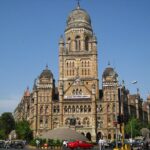
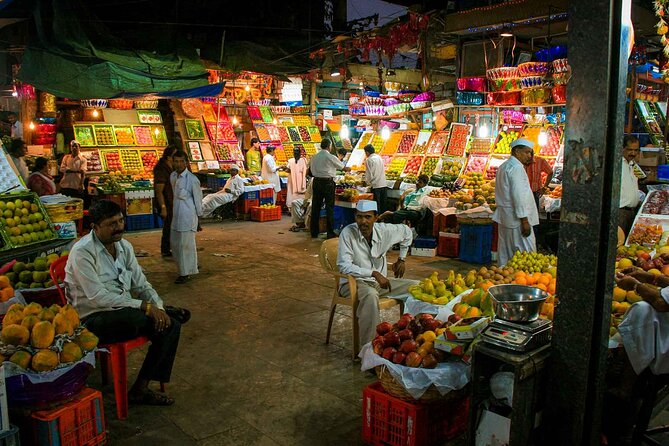
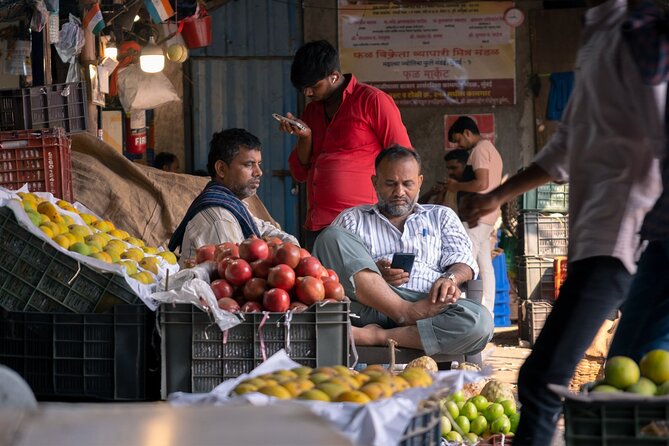
Crawford Market is the first stop and it sets the tone fast. It’s one of the city’s big wholesale hubs for fruit, vegetables, and meat, inside a building dating to 1871 with Gothic and Romanesque features—a look that feels unusually formal for a place so intense.
You’ll spend about 30 minutes here, and the visual mix is the point: colorful produce displays, meats, and other goods that make the market feel like a working machine. The tour also flags an unusual detail you might not expect: Crawford Market is said to have been the first building in India to get electricity. It’s a fun fact, but the real value is that the guide helps you “read” the place instead of just passing through it.
Here’s the heads-up that can matter to you: the tour notes that some endangered and exotic animals are sold at Crawford Market. If that’s a deal-breaker for your travel ethics or comfort, you can stay focused on produce and prepared displays and let your guide know you’d rather not go near those sections.
Also, expect crowds. A recurring theme from guides’ feedback is that they keep you oriented and help you avoid getting pulled into unwanted attention. If you’re arriving in Mumbai for the first time and want a safer way into the market maze, this first stop is where that support pays off.
Mangaldas Market textile lanes: why wedding-and-Diwali cloth matters
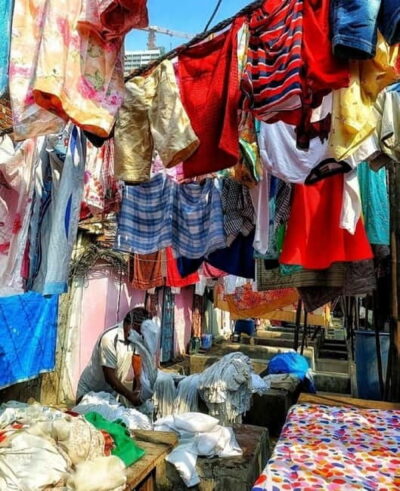
Next you head to Mangaldas Market, another 30-minute stop. This one runs on textiles. It’s described as the largest indoor wholesale textile market in Mumbai, and it’s the sort of place where local shoppers come for special occasions—especially weddings and Diwali.
What I like about this stop is the shift from food-market noise to fabric-focused “business as usual.” Your guide can help you connect what you’re seeing with why it matters: cloth choices, tailoring needs, and how fashionable designers source materials. The tour also mentions that famous fashion designers purchase cloth here for their creations.
In practice, Mangaldas is where you’ll be tempted to buy. Not because you need a souvenir, but because fabrics are hands-on and the selection can be dramatic. If shopping is part of your goal, this stop is the best time to browse carefully—things are easier when your guide gives context and you’re not guessing what’s what.
Possible downside? If you’re not into textiles, the market can feel like a lot of close-up detail without a “wow view.” Still, it’s a strong cultural slice. It shows how Mumbai plans for celebrations through supply chains that feel local and practical, not touristy.
Mumbadevi Temple: a quick lesson you can use in real life
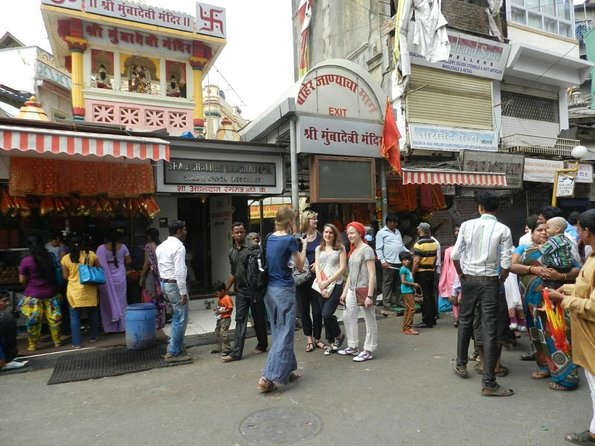
Then you get a breather: Mumbadevi Temple. It’s about 30 minutes and it’s one of the reasons this tour feels more than shopping. The temple is described as the historic Hindu temple that the city’s name Mumbai comes from—so you’re not just popping into a landmark. You’re walking into a foundation story.
Inside, you might see devotees being blessed by Hindu priests. Your guide explains the basics of Hinduism, which is helpful if you’re trying to understand what you’re witnessing without turning it into a checklist.
Your tour also mentions prasad. If you’re up for it, receiving prasad is a simple way to participate respectfully in a ritual moment. Just follow the lead of your guide and the temple staff on what’s appropriate.
This stop’s biggest value is context. Markets can make a city feel like a roar. The temple helps you notice what that roar is attached to—religion, family life, and daily meaning. It’s also a useful reminder to dress thoughtfully and move calmly. Conservative coverage is recommended throughout India—shoulders and knees covered—and that matters even more in sacred spaces.
Time-wise, it’s not a long ceremony. So if you’re hoping for an all-day temple experience, this isn’t that. But for a short walking tour, it’s a strong balance.
Bombay Panjrapole cow sanctuary: faith, caretaking, and a human-scale stop
Finally you reach Bombay Panjrapole, an animal welfare shelter in South Mumbai that cares for more than 350 cows. The cow is described as sacred to Hindus, and the tour frames the visit around how devotees care for stray cows—and how that care connects to faith.
You’ll spend about 20 minutes here. That short time is intentional. The sanctuary is tucked away from the main market flow, so the point is to see the place, understand what it does, and leave with a clearer picture of how sacred animals are treated in daily life—not as entertainment, but as responsibility.
One detail from guide-led visits I saw in feedback: some groups are able to feed the cows. If that’s part of the experience you want, ask your guide when you arrive what’s permitted at that moment, and follow their lead on safety and respectful behavior.
The best way to enjoy this stop is to lower your pace and let it register. In a tour full of hands-and-hustle visuals, this is the moment that shifts tone. It’s also where the tour’s purpose feels most grounded: not just seeing Mumbai, but seeing how communities care for vulnerable animals.



Guides in the market maze: why the names matter
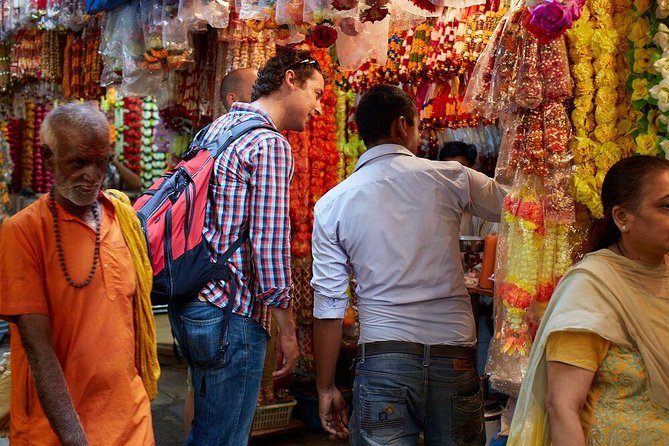
This tour lives or dies on the guide. The best reviews kept circling back to the same practical benefit: you stay oriented, you feel safe, and you’re not stuck translating everything on your own.
I saw several guide names connected to excellent experiences, including Sabina, Nilesh, Biju, Bipin Kumar, Cham, Jaden, and Chetan. The common thread in the feedback wasn’t fancy talk. It was real-world help: keeping groups from getting pulled into trouble, making sure you understand what you’re seeing, and adjusting to the pace of the group.
Some guides also stood out for how they handled difficult street moments. For example, one review specifically praised respect toward local beggars while making sure the rest of the group wasn’t bothered. That kind of calm leadership is exactly what you want in crowded markets.
If you prefer structure, this tour gives it: you know where you’re going and you know why you’re there. And if you like questions, you’ll likely get answers. The tour is set up for commentary about local life in the city, not just rapid-fire facts.
Price and value: why $27.97 can make sense here
At $27.97 per person, this is priced for people who want an efficient evening plan in Mumbai. Here’s what makes that price feel reasonable: you get an English-speaking local guide, water/cold drink, and included visits with free admission tickets at the market and temple stops listed.
You’re also paying for access to context. Markets are easy to get lost in, even if you’re street-smart. A guide helps you avoid wandering around confused, and that saves time. It can also help you avoid the “we walked around but didn’t learn anything” feeling that happens when tours don’t explain what the place is.
The tour also includes group discounts and a mobile ticket. The mobile ticket part is practical—less paper, fewer steps before you meet your guide.
One more value angle: the tour operator notes that a significant portion of proceeds goes back into the local community for educational projects. Feedback I saw specifically referenced adult education in slum areas. If that matters to you, it’s one more reason to choose a local operator over a purely commercial option.
Who this tour suits (and when to choose something else)
This works best if you want a guided snapshot of South Mumbai’s daily rhythms—shopping for food and textiles, plus the temple connection, plus an animal-care stop. It also suits first-timers who don’t want to navigate market streets alone.
You’ll enjoy it most if you can handle a busy afternoon. Crawford and Mangaldas can feel intense. People move fast. You’ll be standing in close quarters for parts of the stops. If you prefer quiet, slow museum-style touring, you might find this one a little too loud and too fast.
Dress code is important here. Conservative clothing that covers shoulders and knees is recommended, and you’ll likely feel better if you come prepared rather than improvising.
Also, if you’re sensitive to the mention of animal sales at Crawford Market, know that this tour includes that market stop. You can still enjoy the markets, but you’ll want to be ready to focus your attention and skip sections that don’t feel right to you.
Should you book this Mumbai Markets and Temples Tour?
Yes, if you want a short, focused plan that shows Mumbai in layers—markets for the senses, a temple for context, and a sanctuary for compassion. This is also a good buy for the money because the guide, water, and free entry at each stop make the total feel balanced.
Before booking, check your comfort level with crowd and walking intensity. If you need lots of time to browse or you prefer calmer environments, consider whether another longer market tour would fit you better.
If you do book, do yourself a favor: wear comfortable shoes, dress conservatively, and come with at least one question you actually care about. That’s when the guide’s explanations—and the names like Sabina, Nilesh, Biju, Bipin Kumar, Cham, Jaden, or Chetan that people reported—turn the walk into something you’ll remember.
FAQ
What is the duration of the Mumbai Markets and Temples Tour?
It runs for about 2 hours 15 minutes.
Where does the tour start and end?
It starts at Regal Cinema, Colaba Causeway (opposite Chhatrapati Shivaji Maharaj Vastu Sangrahalaya) and ends at Charni Road Railway Station.
What time does the tour begin?
The start time is 3:30 pm.
How much does the tour cost?
The price is $27.97 per person.
What’s included in the price?
You get a local English-speaking guide and water/cold drink.
Is admission included at the stops?
The tour notes free admission tickets for the listed stops.
What’s not included?
Food is not included, and hotel/residence car pickup and drop-off are not included.
What places does the tour visit?
You’ll visit Crawford Market, Mangaldas Market, Mumbadevi Temple, and Bombay Panjrapole.
Do I need to dress conservatively?
Yes. Conservative clothing is recommended, with shoulders and knees covered.
Can I get a refund if I cancel?
You can cancel for a full refund if you cancel up to 24 hours in advance. Within 24 hours, the amount is not refunded.