REVIEW · CRUISES & BOAT TOURS
Mumbai Tours for Cruise Travellers (Private & Group Options)
Book on Viator →Operated by Magical Mumbai Tours · Bookable on Viator
Mumbai hits fast, especially from your cruise port. This shore excursion strings together classic sights with real local scenes, including Dhobi Ghat and the waterfront. I like that you get port pickup and drop-off plus a professional guide and driver, which saves you from the usual Mumbai taxi chaos. One thing to keep in mind: the day runs on a tight clock, so it can feel rushed if you’re hoping to linger at every stop.
What makes this work is the way it mixes landmarks with day-to-day Mumbai. On other similar days, I’ve seen guides like Sahil and Neha steer the conversation well—so you’re not just collecting photos, you’re picking up context as you move. Your tour also includes quick photo breaks and a smooth route through several neighborhoods, so you leave with a real sense of how the city fits together.
The possible downside is simple: since this is built for cruise timing, you may not get the exact pace you want at every listed photo stop. If you care about a specific place most, tell your guide early and be clear about what you want to prioritize.
In This Review
- Key things to notice before you go
- Cruise-ship timing: the real value of port pickup
- Gateway of India to Mani Bhavan: starting with the icons
- Tower of Silence, Jain Temple, and the quiet side of Mumbai
- Marine Drive and Malabar Hill: sea air plus skyline views
- Colaba Causeway and Kamala Nehru Park: street life you can actually enjoy
- Oval Maidan and Afghan Church: classic shapes in short time
- Dhobi Ghat: the working scene that makes the day
- Hanging Gardens and Sassoon Dock: quick stops with route logic
- Dharavi add-on: choose it with clear expectations
- Value and price: what $65.27 buys you
- Guide and driver: why the best days feel personal
- Tips to get more out of your 4–5 hours
- Should you book this Mumbai cruise shore excursion?
- FAQ
- How long is the Mumbai cruise tour?
- Where do we meet for the tour?
- Is pickup and drop-off included?
- What are the main stops on the route?
- Are entrance fees included?
- Can I add a Dharavi slum walk?
- What should I wear and bring?
- Is this tour private?
Key things to notice before you go
- Cruise-port convenience: pickup and drop-off make it easier to stay on schedule
- A big mix of stops in 4–5 hours: from Gateway of India to Marine Drive to Colaba
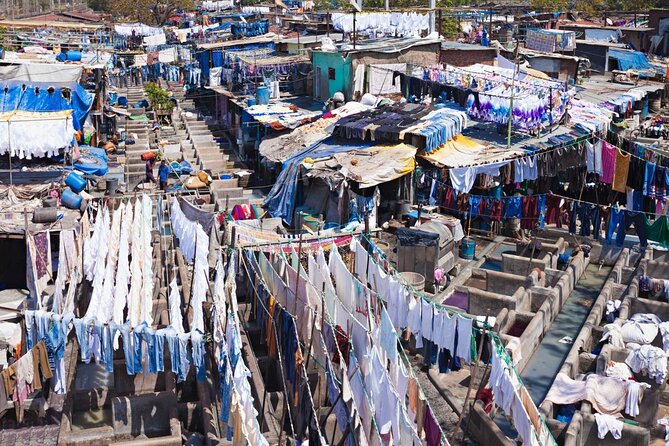
- Dhobi Ghat on your route: see the famous open-air laundry in action
- Optional Dharavi add-on: available if you want a deeper look into Mumbai’s realities
- Admission tickets vary by stop: some sites are covered, others are listed as free entries
- Smart casual + walking shoes: Mumbai’s streets mean you’ll be on foot more than you expect
Cruise-ship timing: the real value of port pickup
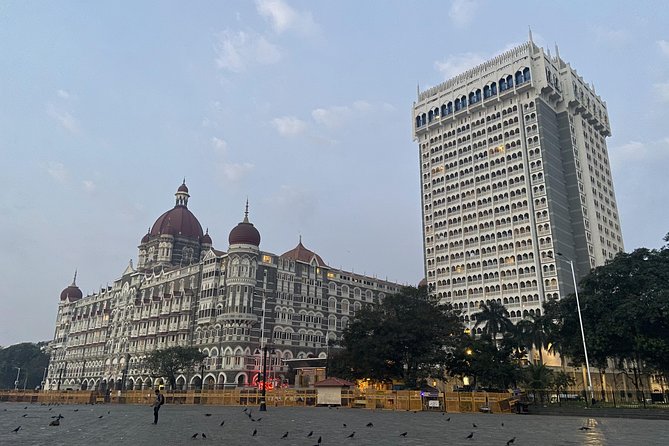
If your ship docks in Mumbai for a day, time is the boss. What I like here is the straightforward setup: you meet at the Mumbai Port Authority area and get taken out and back by private vehicle with a guide and driver. That matters because Mumbai traffic can turn a short drive into a long detour, and cruise excursions are judged on whether you return on time.
You’re also not expected to solve logistics with a map while people are drifting around the port area. You show up, meet the team, and start moving. The tour runs about 4 to 5 hours, which is a sweet spot for cruise days when you still want to see more than one neighborhood.
Dress-wise, this is smart casual. Bring comfortable walking shoes, because even when each stop is short, you’ll do plenty of walking in and around the sightseeing points. Bottled water is included, which is a quiet but meaningful comfort in warm weather.
You can also read our reviews of more boat tours in Mumbai

Gateway of India to Mani Bhavan: starting with the icons
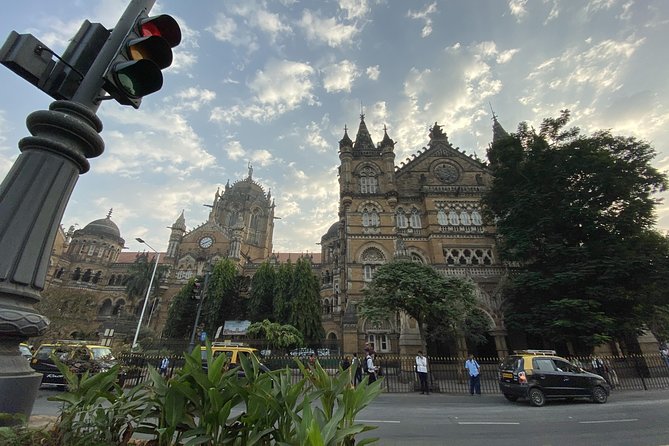
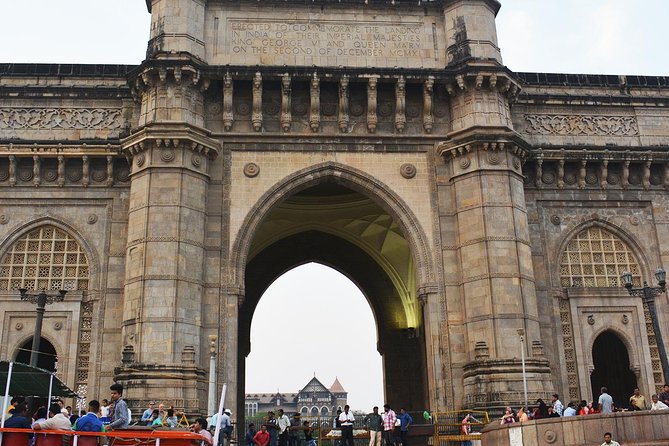
Most shore excursions start with a “yes, of course” highlight. Here, you begin at Gateway of India, with a guide taking time to explain what you’re looking at before you move on. It’s a classic place for a reason: it helps you get your bearings fast, and it sets the tone for the rest of the day.
From there, the tour heads to Mani Bhavan Gandhi Museum. This is one of those stops that makes your city tour feel less like a photo sprint. Gandhi’s story is tied to modern India, and the museum context helps you understand why some landmarks in Mumbai are not just pretty—they’re part of larger narratives.
Timing is tight (about 20 minutes at Gateway, about 30 minutes at Mani Bhavan), so don’t expect a deep museum session. But you will get enough orientation to make the visit feel purposeful instead of random.
Tower of Silence, Jain Temple, and the quiet side of Mumbai
After the bigger names, you get a change of pace with religious sites like Jain Temple – Mumbai and Tower of Silence. These stops are short, and that’s on purpose. They’re there to widen your view of Mumbai beyond the obvious tourist headline spots.
You’ll also pass through areas where the city feels layered—people commuting, worship continuing, and streets doing what streets do. Even with a quick stop, a good guide can add meaning fast. If you’re the kind of traveler who likes to understand why a place exists, these are the moments that separate a generic city drive from a more thoughtful experience.
Admission and entry notes here are listed as free for these specific stops, which helps you keep an eye on what costs are bundled.
Marine Drive and Malabar Hill: sea air plus skyline views
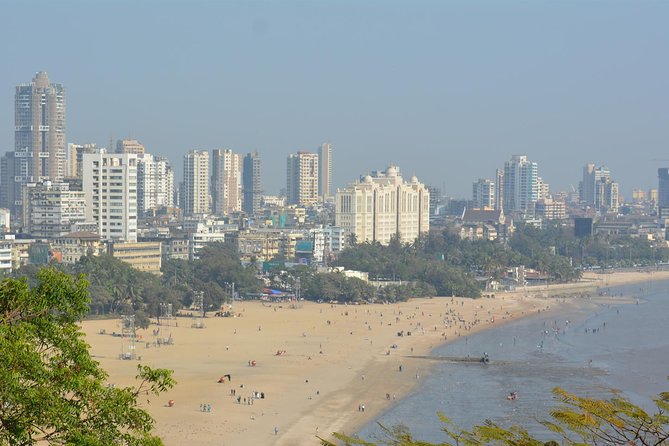
Next, you reach Marine Drive, a spot people often describe as Mumbai’s postcard boulevard. In practical terms, it’s a good place to see the city’s scale and how neighborhoods connect. You get a short visit with explanation from your guide, which is perfect for cruise travelers who don’t want to burn the whole morning waiting for the perfect photo.
Then the route includes Malabar Hill, again with admission listed as included. This is a smart move because Malabar Hill offers a different “feel” than Colaba and the waterfront. You notice how the city’s geography shapes where wealth, views, and institutions cluster.
Even if you don’t care about architecture details, these skyline moments help you understand Mumbai’s energy: it’s not one vibe, it’s a patchwork of moods close together.
Colaba Causeway and Kamala Nehru Park: street life you can actually enjoy
If you’re craving a little shopping energy and street energy without getting stuck in a time sink, Colaba Causeway and Kamala Nehru Park help balance the day. You get brief stop times (around 20 minutes each), so you can wander, snap a few photos, and get a feel for the neighborhood rhythm.
Colaba is the kind of place where you can burn an hour quickly if you let yourself. The short guided windows here are helpful. You can browse, pick up a small souvenir, and then keep moving—without ending up late for the next stop.
If you’re sensitive to crowds, be ready for them. Colaba and the waterfront zones can feel intense, especially when you’re mixing cruise schedules with local foot traffic.
You can also read our reviews of more private tours in Mumbai



Oval Maidan and Afghan Church: classic shapes in short time
The itinerary also includes Oval Maidan and Afghan Church. These are not the places most people think of first when they land in Mumbai, but they add variety to your route.
Oval Maidan gives you that open-space contrast—Mumbai’s built density is easier to understand when you see a wide, open area nearby. Afghan Church is another quick stop that can add texture to your mental map of the city.
Both of these help the tour avoid turning into only “monuments, monuments, monuments.” And if your guide is on top of the storytelling—as some guides have been with strong English and flexibility—you’ll get a clearer picture of how different communities shaped what you see today.
Dhobi Ghat: the working scene that makes the day
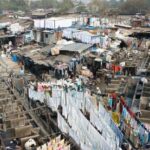
If there’s one stop that tends to make people remember the tour, it’s Dhobi Ghat—Mumbai’s 140-year-old open-air laundromat. This is not a staged museum scene. It’s a working place, and seeing the process for yourself changes how the city feels in your head.
The tour gives you about 20 minutes here. That sounds brief, but it’s enough time to walk along a viewpoint line, see the activity, and understand what the place is. A good guide will explain how the laundry system functions and why the location matters in Mumbai’s ecosystem.
Practical tip: expect that this stop can be visually intense and busy. Wear comfortable shoes and be ready to move slowly through crowds. It’s an excellent way to connect Mumbai’s glamour with its everyday reality.
Hanging Gardens and Sassoon Dock: quick stops with route logic
You’ll also see Hanging Gardens. This one can be a mixed bag depending on the day—some people love it for the idea, others find that traffic and the quick stop time make it feel less satisfying than it sounds. Still, it’s useful as a viewpoint break when your schedule has you bouncing between denser areas.
Finally, you end with Sassoon Dock, a port-zone location that fits the cruise-traveler rhythm. It’s a reminder that Mumbai’s economy is tied to the sea, and it gives the day a “we started at the city’s gateway and ended near the working waterfront” feel.
The drive between stops is where your guide earns their keep. In a city like Mumbai, a skilled driver and route choices can save you time and stress.
Dharavi add-on: choose it with clear expectations
The tour offers an optional walk through Dharavi, described as Asia’s biggest slum and connected in popular culture through Slumdog Millionaire. If you want a reality check and a more human look at how people live and work, this is the add-on that can make your shore day feel meaningful beyond landmarks.
Here’s how I’d approach it: go in with respect, keep your questions simple, and don’t treat it like a theme park stop. Also, since the main tour is already timed to 4–5 hours, adding Dharavi can change how much time you have at the other sights. If your top priority is Dhobi Ghat or the major waterfront icons, decide which you value more before you say yes.
Value and price: what $65.27 buys you
At $65.27 per person, you’re paying for a few things cruise travelers usually struggle to assemble on their own: port pickup, a professional guide, and private vehicle transport. The day isn’t a whole-day city immersion; it’s a curated sprint built to fit your ship schedule.
Whether that’s good value comes down to your priorities:
- If you want Dhobi Ghat and the waterfront highlights without figuring out transit, it’s a solid deal.
- If you want long visits, deep museum time, or lots of independent wandering, this may feel too short.
Also, note what’s included: all taxes, fees, and handling charges, private transport, a guide, and bottled water. Food and drinks are not included, so plan to buy a snack if you’re hungry.
Guide and driver: why the best days feel personal
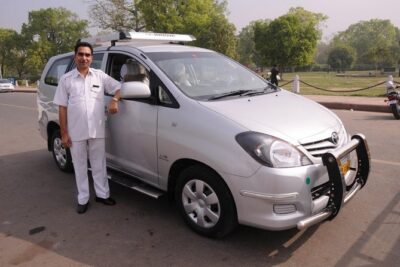
This tour is only as good as the people running it, and the overall feedback points to guides and drivers who handle busy Mumbai traffic well and tell stories that connect the stops. Names that have shown up include Sahil, Nik, Neha, Yash, Chirag, Hakim, and Joya, with drivers like Nasir, Sharuk, and JQ referenced as doing a strong job around traffic.
Language can vary because the tour may be run by a multi-lingual guide. When the guide’s English is clear, the whole day feels easier to follow—especially at places like Gandhi’s museum and Dhobi Ghat, where context matters.
My advice: during the first 10 minutes, ask what your guide recommends you prioritize. If you care about Dhobi Ghat the most, say it. If you want the best views at Marine Drive or Malabar Hill, say it. When you communicate early, you avoid that last-half-hour regret.
Tips to get more out of your 4–5 hours
Here’s how to make this shore day feel smoother:
- Start with comfortable walking shoes. The stops are short, but the city adds up quickly.
- Bring a light layer if you get stuck in wind or shade near the waterfront.
- Use the quick stops wisely: decide what you want from each location (photo, short walk, or viewpoint).
- If you’re considering the Dharavi add-on, confirm how it affects your time at the rest of the route.
One more practical note: some tours can involve ticket timing and document handoffs at the port. If you receive mobile tickets, check them before you leave the meeting point area so you’re not scrambling later.
Should you book this Mumbai cruise shore excursion?
I’d book this tour if you want a fast, organized way to see Mumbai’s key waterfront and central landmarks, plus a real working stop at Dhobi Ghat. The port pickup and private vehicle setup are the big wins for cruise days, and the route is designed to help you build a mental map of the city without burning hours on transit.
I’d skip it or adjust expectations if you’re the type who needs long stays, slow pacing, or a fully deep dive into fewer places. This is about getting your bearings and covering a lot of ground in a limited window.
If your day is tight, your priorities are clear, and you’re okay moving between stops, this is a very workable way to turn a cruise morning into a memorable Mumbai snapshot.
FAQ
How long is the Mumbai cruise tour?
It runs about 4 to 5 hours.
Where do we meet for the tour?
The start point is Mumbai Port Authority at 20, Shoorji Vallabhdas Rd, Kala Ghoda, Fort, Mumbai, Maharashtra 400001, India.
Is pickup and drop-off included?
Yes. Port pickup and drop-off are included, along with transport by private vehicle.
What are the main stops on the route?
You visit places such as Gateway of India, Mani Bhavan Gandhi Museum, Tower of Silence, Marine Drive, Colaba Causeway, Kamala Nehru Park, Malabar Hill, Dhobi Ghat, Hanging Gardens, Oval Maidan, Afghan Church, and Sassoon Dock.
Are entrance fees included?
Some admission tickets are included (Gateway of India, Mani Bhavan Gandhi Museum, Malabar Hill, and Oval Maidan). Other listed stops are marked as free entry.
Can I add a Dharavi slum walk?
Yes. The experience notes that you can choose to add on a walk through Dharavi.
What should I wear and bring?
Smart casual clothing is recommended, and comfortable walking shoes are a must. Bottled water is provided; food and drinks are available for purchase.
Is this tour private?
It is described as a private tour/activity, with only your group participating.