REVIEW · DHARAVI SLUM TOURS
Private Dharavi Slum Tour
Book on GetYourGuide →Operated by Mystical Mumbai · Bookable on GetYourGuide
Dharavi moves fast. This short private walking tour in Mumbai’s most famous informal settlement shows you how daily life and work function inside tight alleys, with student guides who live here and know what people actually need to survive. What makes it interesting is the mix: you’ll see everyday community life side-by-side with small-scale trades, and you’ll also get the storytelling thread that connects Dharavi to Slumdog Millionaire.
I particularly like the two-hour focus. It’s long enough to notice patterns—where goods are made, where recycling happens, where people gather—but short enough that you won’t feel stuck in one exhausting corner. I also like that the guides are students from Dharavi, which tends to make the explanations more grounded and less like a script.
One possible drawback: the tour forbids cameras and the walk goes through very real, sometimes harsh conditions. You should come ready for no photo stops, tight paths, and an honest look at public health challenges like limited sanitation and monsoon flooding.
In This Review
- Key things you’ll notice on this Dharavi walk
- Price and Logistics: what $65 really buys you
- First contact in Mumbai: pickup that keeps the day calm
- Entering Dharavi’s alley life: what the 2 hours are built to show
- The practical thing to remember: tight, real walking
- Trades and recycling: seeing work systems, not just “crafts”
- Water, toilets, and monsoon vulnerability: what shapes daily life
- Slumdog Millionaire filming connections: storytelling you can point to
- The guide factor: English, professionalism, and a calmer pace
- What you do and don’t get: food, shopping, and the camera ban
- Who this Dharavi tour suits best
- Should you book it? A practical decision
- FAQ
- How long is the Private Dharavi Slum Tour?
- What does the tour price include?
- Is food included?
- Is it a private group?
- Do I need to bring a camera?
- What should I wear?
- What language is the guide?
Key things you’ll notice on this Dharavi walk
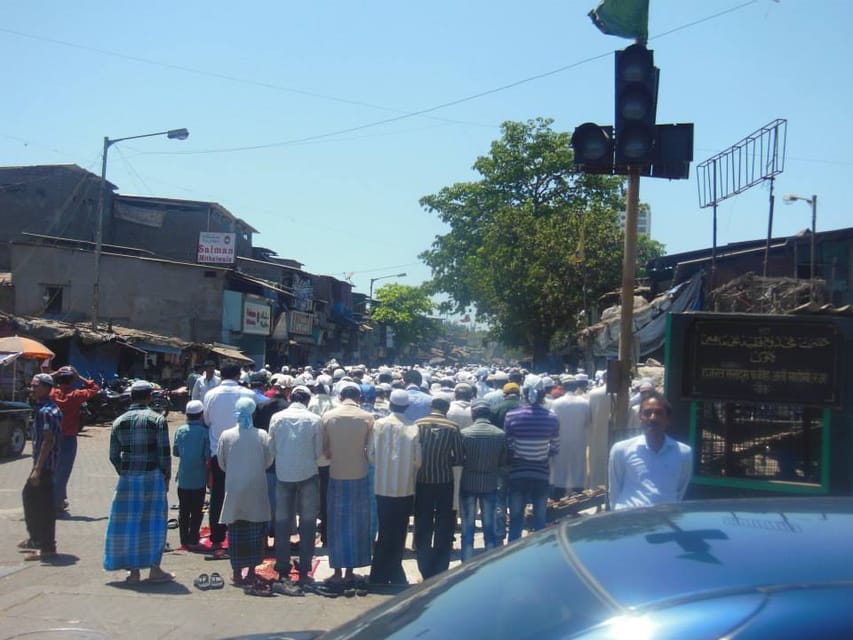
- Student-led explanations that feel personal because the guides live the daily rhythm
- Slumdog Millionaire connections pointed out by your guide as you walk
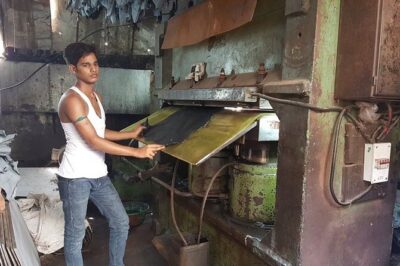
- Work you can see up close, from recycling and dye production to leather work and soap
- How water and sanitation shape life, especially during monsoon periods
- Narrow alley navigation where good shoes matter more than good looks
Price and Logistics: what $65 really buys you
At $65 per person for a 2-hour private tour, you’re paying for three things: guided walking time, hotel pickup/drop-off, and private air-conditioned transport. For Mumbai, that combo is usually where the value sits—especially if you want a smooth start and end without wrestling with street directions on your own.
This one is structured like a short field trip with boundaries. You get water, you get transport, and you get an English-speaking guide who’s described as a licensed professional (and the guides are also students living in Dharavi). The company also builds in time discipline: you’re in Dharavi for the walking portion, then you’re back in Mumbai. That matters if you have limited time and you still want something that feels purposeful rather than random.
Logistics are also part of the experience style. Your guide meets you in the lobby wearing a purple shirt with a footprint logo, which helps you avoid that classic first-ten-minutes chaos. And because it’s a private group, you’re not stuck watching a guide talk while your attention is pulled in ten directions.
The big “know before you go” item is simple: no cameras. That changes the vibe. Instead of collecting images, you’ll be collecting understanding—how people organize work, how spaces overlap, and how the community keeps going.
You can also read our reviews of more private tours in Mumbai



First contact in Mumbai: pickup that keeps the day calm
Your day starts with hotel pickup in Mumbai. The tour includes private air-conditioned transportation plus tolls, parking, and tax. In a city where getting from one neighborhood to another can turn into a time puzzle, this kind of door-to-door approach is practical.
When you meet your guide, look for that purple shirt with the footprint logo in the lobby. It’s a small detail, but it’s one less thing to worry about. If you’re trying this as a standalone activity (not paired with a long list of sightseeing), the simpler the start and finish, the better.
Entering Dharavi’s alley life: what the 2 hours are built to show
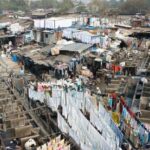
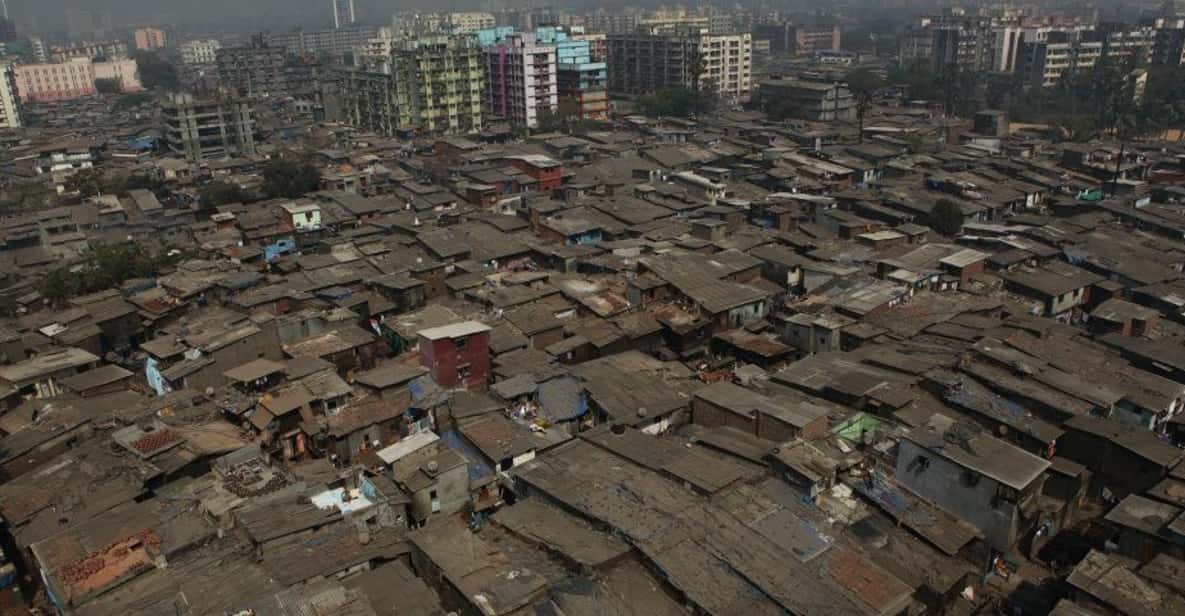
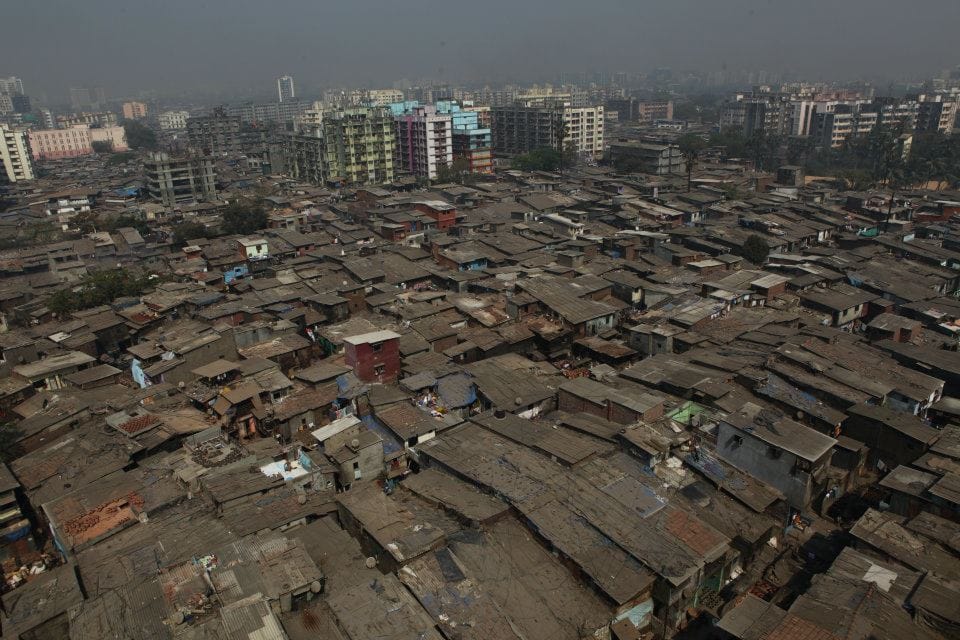
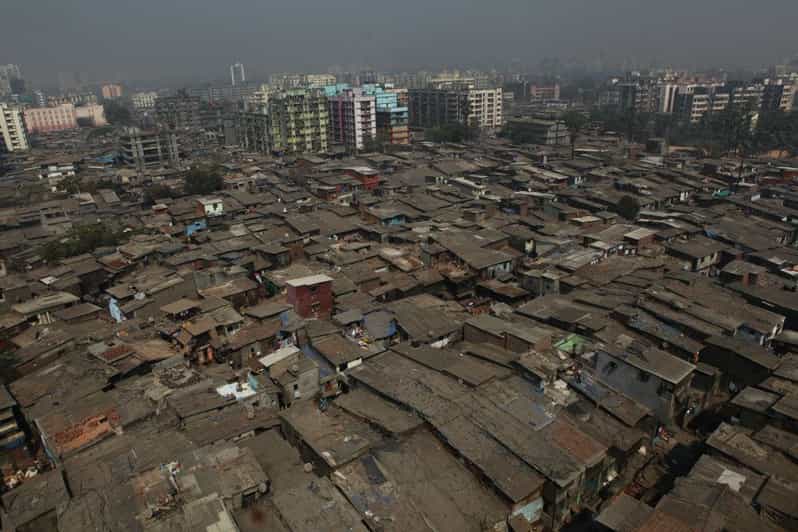
Dharavi is often described as a massive settlement, and the numbers you’ll hear explain why it feels like a whole city. It’s spread over about 200 hectares (roughly 500 acres). Estimates of the population vary widely, and densities can be extremely high.
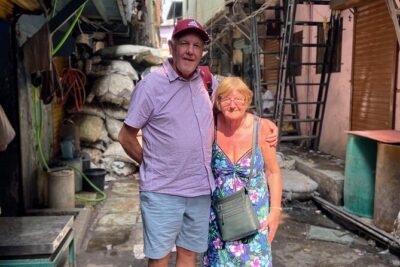
During the walk, you won’t get a “tour brochure” view. You’ll get the reality that comes with narrow paths, layered spaces, and constant work. Your guide leads you through alleys where you can visually track functions: recycling areas, production spaces, and household-adjacent routines. That’s why the tour is only two hours. It’s not trying to cover everything. It’s trying to teach you how to read what you see.
The sense of community is a headline for a reason, but it isn’t just a feel-good line. You’ll be watching how people share space and how trades connect to materials moving through the neighborhood. The guides’ role as students living there also matters. They can point out what outsiders misunderstand, and they can explain why certain areas look the way they do.
The practical thing to remember: tight, real walking
You’ll need comfortable shoes. The tour description is clear about walking through narrow alleys, which usually means uneven ground, close quarters, and lots of turning. This isn’t the kind of walk where you can slow down every five minutes to regroup.
Trades and recycling: seeing work systems, not just “crafts”
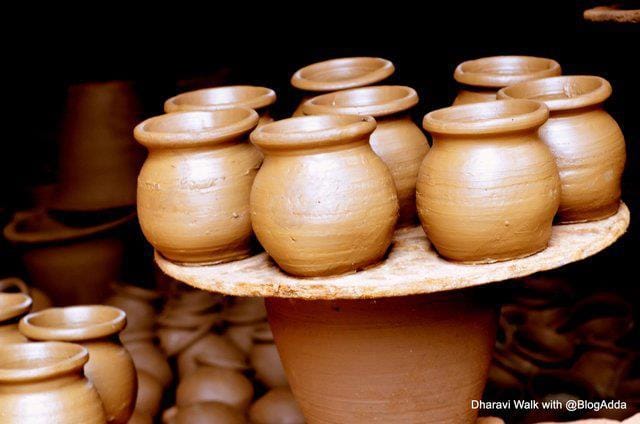
One of the most praised parts of this tour is the trades. It’s easy for visitors to reduce Dharavi to a single story. This tour pushes you toward a more accurate one: many different small industries, many different materials, and a whole network of making and re-making.
As you move through the area, your guide may show you work tied to:
- Recycling, including the process of recycling vegetable oil cans
- Dye production
- Leather manufacturing
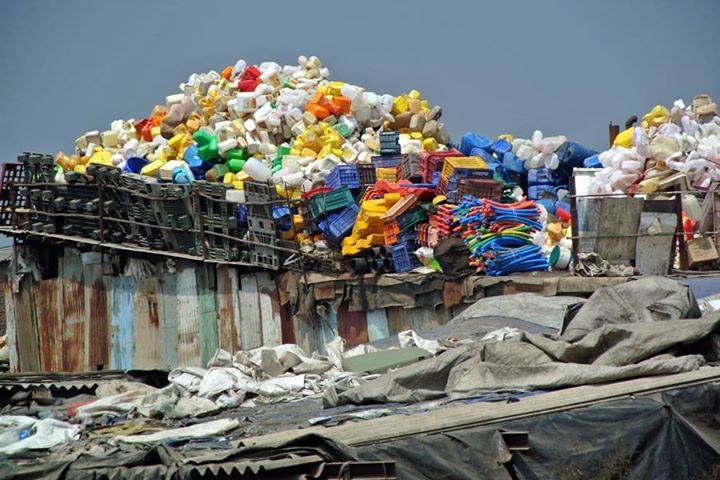
- Plastic recycling
- Pottery
- Poppadom baking
- Soap production, and other local outputs
Even if you don’t remember every product name, you can still learn the system behind it. The value here is not buying souvenirs. The value is understanding how materials flow and how labor is organized in spaces that outsiders rarely notice.
This is also where the camera rule changes the experience. Without photos, you’re less likely to turn the tour into a scavenger hunt. You’re more likely to listen to the explanation about why a particular trade exists here, and how it connects to raw inputs and local demand.



Water, toilets, and monsoon vulnerability: what shapes daily life
If there’s one segment that forces respect, it’s the discussion of public health realities. Dharavi is vulnerable to floods during monsoon because of its location and poor sewage and drainage systems. That information isn’t just a statistic. It helps you understand why daily routines can be disrupted by weather and why infrastructure matters so much.
Water access comes from public standpipes placed throughout the slum. Toilets are limited and are described as extremely filthy and often broken. And Mahim Creek—a local river used by residents—also plays a role in daily sanitation practices, including urination and defecation. That combination is linked to the spread of contagious diseases.
I’m not telling you this to shock you. I’m telling you because it’s part of the context that makes the rest of the tour make sense. When water, sanitation, and flooding risks are part of life, the “community spirit” you’re hearing about isn’t fantasy. It’s how people cope with conditions they didn’t create—and how they keep their lives moving anyway.
Slumdog Millionaire filming connections: storytelling you can point to
Dharavi became widely known after the 2008 film Slumdog Millionaire. On this tour, your guide points out where the movie was shot or connected to filming locations.
This matters if you’ve watched the film and remember scenes. You’ll start to connect the cinematic version to the real physical places where production used the setting. The tour doesn’t pretend the movie tells the whole truth. Instead, it gives you a location-based lens: you can see how the neighborhood’s geography and density translated to film.
Because it’s student-led, the framing often feels less like “look at this landmark” and more like “here’s what outsiders saw, and here’s what it looks like from inside.” If you’re hoping for a camera-driven confirmation of scenes, you may find the no-photo rule frustrating. But if you like getting your bearings and understanding context, this storytelling thread is one of the most memorable parts.
The guide factor: English, professionalism, and a calmer pace
The guide experience is consistently a top highlight. You’ll meet someone who can explain trades and community life in English. In the feedback you might hear about guides like Abishek and Aarti—both praised for being knowledgeable, courteous, and engaging. Drivers such as Miukesh and Mukesh are also mentioned in terms of professionalism and careful handling during the transport portion.
What I like about this style is the pacing. In a place that can feel overwhelming, a guide who can keep you oriented helps you learn instead of just react. The goal isn’t to sprint. The goal is to connect what you see with what it means.
Also, notice the “student guide” detail again. When a guide lives in the area, they can speak to how residents experience these spaces beyond what an outsider might observe in passing. That tends to lead to better answers when you ask questions—especially questions about work, community, and daily routines.
What you do and don’t get: food, shopping, and the camera ban
This tour doesn’t include food or shopping. That’s not a problem if you plan it right. In practice, I suggest you handle meals either before you go or after you return to Mumbai. Two hours passes quickly, but if you’re hungry, you’ll lose attention the moment you start walking.
Shopping isn’t built into the experience. Again, that’s a positive for most people. It keeps the tour from turning into a sales loop and lets the focus stay on explanation and walking.
And then there’s the no-camera rule. You can’t bring cameras or take photos during the tour. That means:
- You should wear shoes you can walk in comfortably
- You should be ready to use your eyes and your listening
- If you’re a “proof picture” person, you might feel a little annoyed—but you’ll also probably notice details you would’ve ignored
For many visitors, the camera ban turns the tour from content-gathering into learning. It’s a small constraint with a big behavioral effect.
Who this Dharavi tour suits best
This tour fits best if you want:
- A short, structured experience in Dharavi rather than a long day
- English explanations from someone who lives in the area
- A chance to see how multiple trades operate, from recycling to soap and pottery
- Real context about water, sanitation, and monsoon vulnerability
It’s less ideal if you want a relaxed stroll with lots of photo stops, or if you need step-free, low-impact walking support. The route includes narrow alleys, and the tour’s rules (including no cameras) are firm.
It also suits people who like frank conversations. Dharavi is not a theme park. You’ll learn about public health problems and infrastructure limits because those shape life here. The tour doesn’t hide that part; it helps you understand it.
Should you book it? A practical decision
If you’re in Mumbai with a tight schedule and you want a guided view that doesn’t skim the surface, I’d say book this tour. The value isn’t just the price. It’s the package: pickup, air-conditioned transport, a licensed English guide, water, and two concentrated hours where you can actually process what you’re seeing.
I’d hesitate only if you know you can’t handle the camera restriction or you strongly prefer experiences where you don’t confront difficult living conditions. This tour is built around reality—community strength alongside serious infrastructure problems.
If you want a Mumbai experience that’s short, purposeful, and guided by someone from inside the neighborhood, this one is worth your time.
FAQ
How long is the Private Dharavi Slum Tour?
The tour duration is 2 hours.
What does the tour price include?
It includes hotel pickup and drop-off, private air-conditioned transportation, an English professional guide fee, water, and tolls/parking/tax.
Is food included?
No. Food and shopping are not included.
Is it a private group?
Yes, it’s a private group.
Do I need to bring a camera?
No cameras are allowed on this tour.
What should I wear?
Bring comfortable shoes since you’ll be walking through narrow alleys.
What language is the guide?
The live guide speaks English.