REVIEW · COOKING CLASSES
Private Half-Day Mumbai Cooking Class
Book on Viator →Operated by Mystical Mumbai · Bookable on Viator
Five dishes. One afternoon of cooking.
This private half-day Mumbai cooking class is built around hands-on guidance, so you learn by doing, not just watching. You’ll get hotel pickup and a smooth ride in an air-conditioned minivan, then cook five traditional dishes with an instructor and host, finishing with the meal you made.
My favorite part is the personal attention. You’re not squeezed into a crowd, and you’re actively helping with timing and spice layering. One standout review highlighted Anthony teaching alongside Theresa, and that extra cultural context (Indian culture and modern life) made the lesson feel more human than scripted.
The one thing to consider is that the menu can include non-vegetarian and egg options, so you’ll want to line up your dietary preference up front. Also, it’s a meal included setup, but alcoholic drinks aren’t part of the package.
In This Review
- Key things that make this cooking class worth your time
- Private Half-Day Mumbai: why the private setup really matters
- How the 3-hour class flows: pickup, cooking, eating, and going back
- The dishes you’ll learn: paneer, parathas, dal, and more
- If you’re choosing non-vegetarian
- If you’re choosing vegetarian
- What makes the “five dishes” setup useful
- Spice skills you can use at home (the part that matters)
- Raita, parathas, and kheer: the accompaniments that complete the meal
- Price and value: is $119 a good deal for this format?
- Where the class may happen, and why the setting can matter
- Who should book this cooking class (and who might skip it)
- Quick practical guidance before you go
- Should you book this private Mumbai cooking class?
- FAQ
- How long is the private half-day Mumbai cooking class?
- Is this a private tour or a group class?
- What dishes will we cook?
- Do I get pickup and drop-off?
- Is lunch or dinner included?
- Are alcoholic drinks included?
- What do I receive at the end of the class?
Key things that make this cooking class worth your time
- Private, hands-on instruction so you control the pace and learn the timing for spices and ingredients
- Five dishes in one 3-hour session, including classics like paneer and parathas
- A real meal at the end, not a token bite, with raita and a sweet like kheer
- Spice-focused memorabilia, including a recipe booklet and a small box of spices
- Pickup and drop-off convenience with an air-conditioned minivan from hotel, port, or airport options
Private Half-Day Mumbai: why the private setup really matters
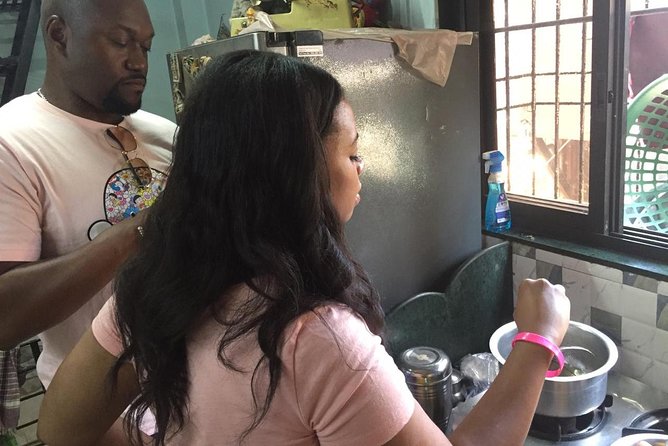
A cooking class can be fun and still feel vague. This one leans the other direction: you’re the focus. Because it’s private, your instructor can slow down for questions and correct your technique while you’re actually cooking, not after the fact.
That’s the practical advantage. Indian cooking lives in small decisions—how long to toast spices, when to add aromatics, and when to stop cooking so a dish stays tender. In a group setting, you can lose track. Here, you keep moving with the instructor’s rhythm and you learn the logic behind it.
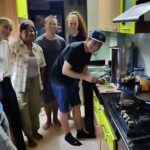
It also helps that the lesson isn’t just about the dishes. You get talk time around local customs and day-to-day culture, and at least one experience described going to Anthony’s home area, where his mum Theresa helped teach. That sort of context turns the food into something you can picture in everyday Mumbai life.
You can also read our reviews of more private tours in Mumbai


How the 3-hour class flows: pickup, cooking, eating, and going back
The day is built for an easy half-day slot. After pickup in the morning or afternoon (based on the option you select), you head to the teaching location by air-conditioned minivan with transport included.
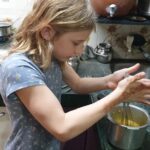
Once there, you meet your instructor/host and jump straight into the lesson. Your role is active: you assist the instructor so you understand the timing for ingredients and spices. This matters because timing is where most home cooks struggle later. Watching a demonstration feels simple; doing it with guidance gives you the feel for when to add what.
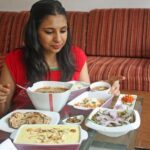
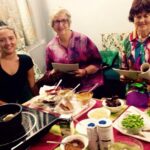
Then the session covers five dishes plus their accompaniments, including raita, parathas, and a sweet dish (kheer). By the end of the lesson, you eat the full meal you prepared. Afterward, you’re transferred back to your Mumbai hotel, cruise port, or airport.
The overall structure is tight and efficient, which is exactly what you want when you’re fitting authentic food experiences around sightseeing.
The dishes you’ll learn: paneer, parathas, dal, and more
You’ll cook five traditional dishes in one lesson, and the menu changes depending on whether you choose the vegetarian or non-vegetarian/egg version. Either way, you’ll practice the core building blocks of Indian meals: grains, lentils, dairy or egg-based components, and spice-led flavor.
If you’re choosing non-vegetarian
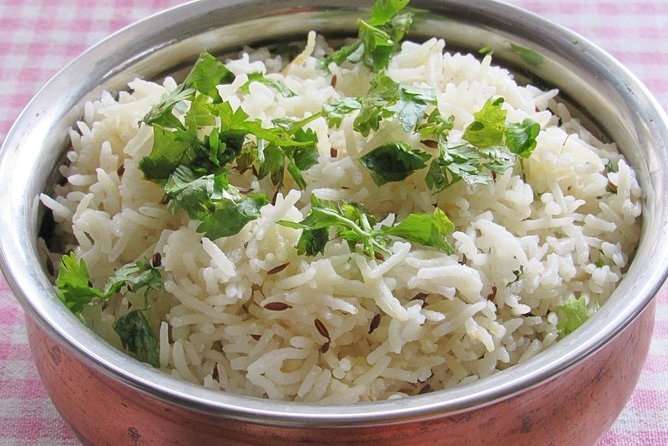
The class includes items like fish and chicken, alongside paneer, rice, and dal. That mix teaches you how spice handling differs between proteins and how lentils and rice anchor the whole plate. You also get practice with flavors that are common across North Indian cooking—where gravy, pan-frying steps, and spice layering often work together.
If you’re choosing vegetarian
The vegetarian menu includes egg plus vegetable options, along with paneer, rice, and dal. You’re still learning the same family of techniques—spice timing, texture control, and how accompaniments balance the meal.
You can also read our reviews of more cooking classes in Mumbai

What makes the “five dishes” setup useful
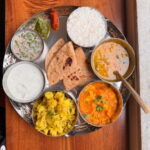
It would be easy to end up with a class that’s heavy on one dish and light on fundamentals. Here, rice and dal are in the mix, paneer is in the mix, and parathas plus raita show up as accompaniments. That’s a real dinner pattern, not a random sampler.
So when you go home, you’re not trying to recreate a single specialty. You’re learning how dishes fit together as a meal.
Spice skills you can use at home (the part that matters)
What you’re really paying for here is the method behind spice layering. The class is hands-on enough that you learn when spices bloom and when they turn bitter, when to add aromatics so they don’t burn, and how to build flavor without overcomplicating steps.
One practical detail you’ll notice during cooking is that timing is taught as a skill, not a guess. You’ll help during preparation and get guidance on what to do next. That’s how the lesson turns into something you can repeat later with your own ingredients.
And because you cook multiple dishes, you practice using the same spice logic in different contexts—lentils versus paneer, rice versus protein, and savory mains versus the sweet finale. It’s a fast way to build a working sense of Indian flavor structure.
Raita, parathas, and kheer: the accompaniments that complete the meal
The meal at the end isn’t an afterthought. It’s part of the lesson plan, and the accompaniments are classic for a reason: they balance spice and add texture.
You’ll learn accompaniments served with your meal, including:
- Raita, which cools and rounds out spice-heavy dishes
- Parathas, which add that satisfying, layered wheat component
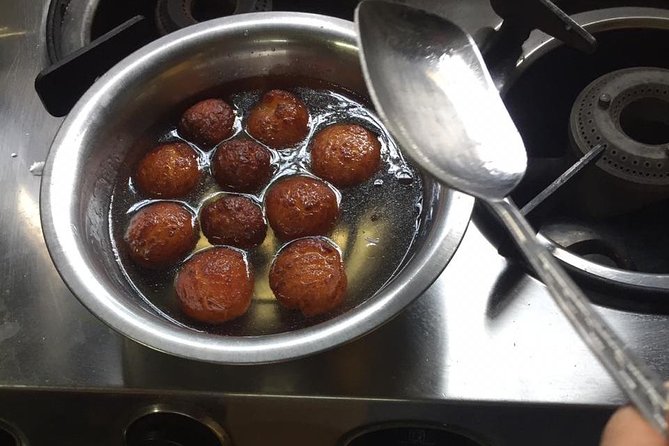
- Kheer, the sweet dish that finishes the meal
Even if you only care about eating and not cooking for the rest of your life, these parts matter. Many visitors taste Indian food and wonder why it hits so hard. The answer is often balance: cooling dairy, warm bread, and a sweet ending.
Cooking those components in class gives you a more complete picture of why the meal works as a whole.
Price and value: is $119 a good deal for this format?
At $119 per person for a private half-day, it’s not the cheapest cooking option. But it can be good value because the package is built around what usually costs extra on food tours: private instruction and convenience.
Here’s what you’re getting for that price:
- Hotel/port/airport pickup and drop-off, plus transport in an air-conditioned minivan
- A local instructor/host and personalized help during the cooking
- A full meal setup (lunch or dinner) and bottled water
- The recipe booklet plus a small box of spices as memorabilia
That combination changes the math. You’re not paying just for recipes; you’re paying for time with an instructor, transport, and a meal you can actually eat while you’re there.
What’s not included: alcoholic drinks. If you’re hoping the meal includes cocktails or beer, you’ll need to plan separately.
Also worth noting: on average, this is booked about 7 days in advance, which suggests it’s in demand. If this is high on your list, don’t leave it to the last minute.
Where the class may happen, and why the setting can matter
The experience typically starts at a cafe where your instructor and host teach you. That’s a straightforward, comfortable setup: you can focus on cooking without a lot of logistics.
Still, one review described being taken to Anthony’s home in a slum area, where his mum Theresa taught as part of the experience. That kind of setting can feel more personal and grounded, because you’re seeing food knowledge passed through family and everyday life.
So think of this as a cooking class with a human side. Even when the setting is a cafe, you’re learning from real people who cook like they live.
Who should book this cooking class (and who might skip it)
This fits best if you want:
- A private experience with hands-on help
- A compact schedule (about 3 hours) that still includes a real meal
- Learning outcomes you can use at home: spice timing, how dishes balance, and how to build a plate with rice, dal, paneer/protein, bread, and sides
It’s a strong match for food lovers who don’t want vague sightseeing-only tours. If you’re the type who actually wants to recreate meals, you’ll likely enjoy how the class teaches method.
It may not be ideal if:
- You have very strict dietary needs beyond the vegetarian versus non-vegetarian/egg split (the class options are clearly defined, but extra constraints aren’t spelled out)
- You want alcohol included (it’s not)
- You dislike cooking at all and only want a tasting experience—because this is built around your participation
Quick practical guidance before you go
Because the class is hands-on and includes multiple dishes, show up ready to cook and follow the instructor’s timing. You’ll be assisting during preparation, so ask any dietary questions before you start—especially if you’re choosing between the vegetarian and non-vegetarian/egg menus.
Also, if you’re on a cruise or arriving by air, you’ll need to provide the specific details used for pickup timing. The good news is the transfer options are included, which makes it easier to plan a half-day without worrying about how you’ll get back.
Lastly, remember that you’ll receive a recipe booklet and a small spice box. If you’re the practical type, plan to keep the booklet dry and the spices safe in your luggage.
Should you book this private Mumbai cooking class?
If you want a hands-on, structured way to learn Indian cooking in a half-day, this is a solid choice. The private format makes it easier to get real help on timing and spice layering. The meal at the end is part of the value, and you leave with both a recipe booklet and spice memorabilia, not just memories.
I’d book it if you like the idea of cooking a full plate—rice, dal, paneer or eggs/proteins, plus parathas, raita, and kheer. I’d skip it only if you’re looking for a passive tasting tour or you can’t or won’t participate in cooking steps.
FAQ
How long is the private half-day Mumbai cooking class?
It lasts about 3 hours (approx.).
Is this a private tour or a group class?
It’s private. Only your group participates.
What dishes will we cook?
You’ll learn to cook five traditional Indian dishes in one lesson, with options that include fish, chicken, paneer, rice, and dal (non-vegetarian), or egg, vegetable, paneer, rice, and dal (vegetarian).
Do I get pickup and drop-off?
Yes. Hotel/port/airport pickup and drop-off are included, along with transport by air-conditioned minivan.
Is lunch or dinner included?
Yes. Lunch or dinner is included, depending on the option you choose.
Are alcoholic drinks included?
No. Alcoholic drinks are not included.
What do I receive at the end of the class?
You’ll receive a recipe booklet and a small box with spices as memorabilia.