REVIEW · MORNING
The Colourful Early Morning Tour
Book on Viator →Operated by Amaze Mumbai Tour · Bookable on Viator
Mumbai at dawn hits different. Colour, smells, and daily rituals happen before the city fully wakes up. You’ll get a rare window into Hindu spirituality and everyday life while avoiding the later-day crush and heat. I love that the tour is built around real morning rhythms, not just postcard stops.
Two standout things: the Dadar West flower market is straight-up sensory overload in the best way, and you’ll also see how fishing and local food supply work at Sassoon Dock before most visitors even find their bearings. The temple moments add meaning, because you’ll be guided through why people offer flowers and how that fits into daily devotion.
One thing to consider: this tour starts at 5:30am, and you’ll be on the move for about 3 hours, so it’s not the best plan if you prefer late mornings or hate early alarms.
In This Review
- Key highlights worth waking up for
- Why a 5:30 AM start changes Mumbai
- Dadar West flower market: marigolds, roses, and morning purpose
- Girgaon Iskcon Temple: offering flowers and understanding the spirituality
- Chhatrapati Shivaji Maharaj Terminus (CSMT): a masterpiece with real commuter energy
- Sassoon Dock and the Koli fisherfolk: seeing fish arrives before it becomes dinner
- Marine Drive at dawn: a calm finish on a famous stretch
- Price and value: what you’re really paying for at $35
- Guides, safety, and why private pickup helps
- What to wear and how to prepare for the morning grind
- Who this tour suits best
- Should you book this Colourful Early Morning Tour?
- FAQ
- What time does the Colourful Early Morning Tour start?
- How long is the tour?
- What does the tour cost?
- What’s included in the price?
- Is food included?
- Are there admission fees at the stops?
- What is the cancellation policy?
Key highlights worth waking up for
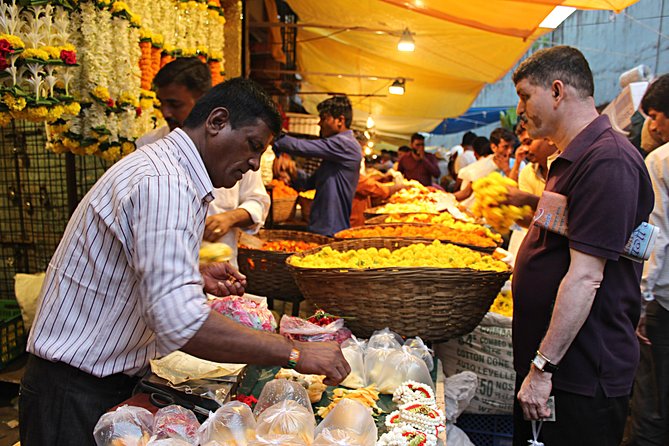
- Dadar West flower market color: saffron marigolds and red roses with serious morning energy
- Iskcon Temple in Girgaon: a guided introduction to faith and practice, not just photos
- CSMT (Chhatrapati Shivaji Maharaj Terminus): iconic Victorian-era railway architecture in a working-day setting
- Sassoon Dock and Koli fisherfolk life: early arrival and grading of large morning fish volumes
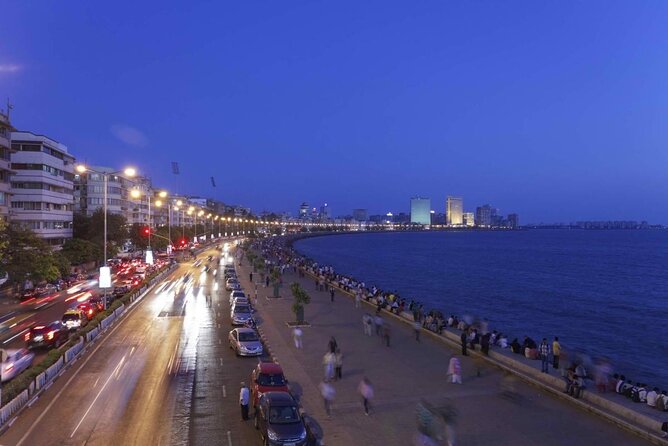
- Marine Drive at dawn: a short, calm coastal finish that feels like a reset button
- Private group with pickup: round-trip hotel transfers and an English-speaking guide to keep things smooth
Why a 5:30 AM start changes Mumbai
This is the kind of Mumbai tour that only works early. The roads are calmer, the air feels cooler, and you’re watching people do their normal routines—religion, buying, selling, preparing—before the day gets loud and crowded. Starting at 5:30am sounds extreme. Then you realize it’s actually when the city feels most human.
The schedule is also tightly paced. It’s about 3 hours total, with short stops that keep you from getting stuck in one place for too long. Expect a lot of looking, a bit of walking, and plenty of time for your guide to explain what you’re seeing and why it matters.
If you’re the kind of traveler who likes cities with layers—work life, spiritual life, public architecture—this timing gives you a better “first read” of Mumbai. You’ll finish with a clearer sense of how different neighborhoods function, not just how they look.
You can also read our reviews of more tours and experiences in Mumbai


Dadar West flower market: marigolds, roses, and morning purpose
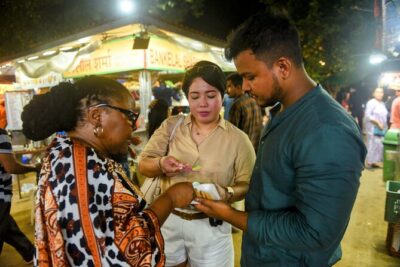
Your day kicks off at Dadar West, a flower market famous for garlands and bright blooms. This is one of those places where your senses do the talking. You’ll see saffron-colored marigolds and red roses used for decoration and worship, and you’ll feel how central flowers are to daily religious life.
This stop is about 20 minutes, and that’s perfect. Enough time to notice the scale and how quickly transactions happen, but not so long that you’re standing still while the morning moves on. Admission is free, and you don’t need to budget extra for entry fees at the stops.
What I like about this segment is the “why,” not only the “what.” Flowers aren’t just pretty here. They’re part of devotion and community routine, and your guide connects that to what you’ll see later at temples.
Tip: go in with comfortable clothes and shoes. Markets can be tight, and the morning crowd inside the market can feel intense even when the overall city is quiet.
Girgaon Iskcon Temple: offering flowers and understanding the spirituality
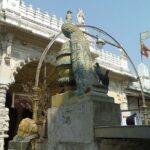
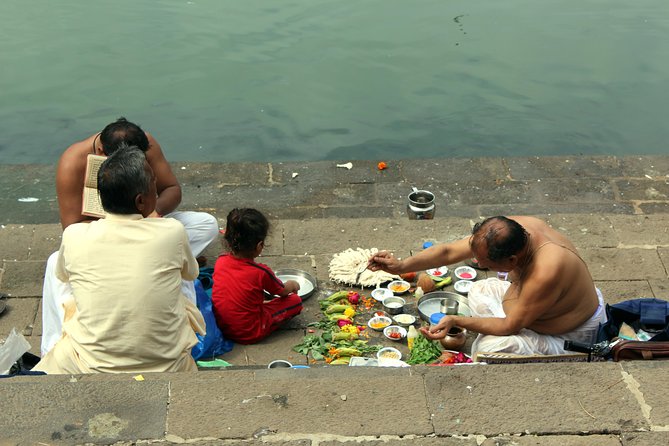
Next up is Girgaon, where you’ll visit Iskcon Temple (Hare Rama Hare Krishna Temple). This part shifts from street-level commerce to spiritual practice, but it doesn’t feel like a sudden stop. The connection is flowers. You’ll learn how offerings work and what they mean to devotees—how worship fits into daily life, not only special occasions.
This stop runs around 30 minutes, with free admission. It’s a good length: long enough to ask questions and hear explanations, short enough to keep the energy moving.
The temple visit matters for two reasons. First, it helps you read Mumbai’s religious signals without guessing. Second, it gives context to the rest of the morning—because once you understand how worship is expressed in everyday behavior, the city stops looking random.
A practical note: temple spaces can have rules about movement and respectful behavior. Follow your guide’s cues, and you’ll be fine.
Chhatrapati Shivaji Maharaj Terminus (CSMT): a masterpiece with real commuter energy
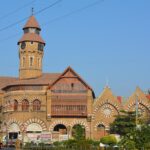
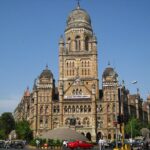
After temples and markets, you’ll head to Chhatrapati Shivaji Maharaj Terminus (CSMT), formerly known as Victoria Terminus Railway Station. This isn’t a “stay and stare” monument. It’s a working station with massive daily foot traffic—around 660,000 entries per day.
Your time here is about 20 minutes, again with free admission. That brevity is helpful. You get a focused look at architectural details while you’re still in the morning rhythm of the city. CSMT is the kind of landmark where the building itself teaches you something about Mumbai’s scale and ambition.
One thing I appreciate about placing a big transit hub in the middle of a cultural tour: it reminds you that Mumbai’s history isn’t locked behind barriers. It’s integrated into daily movement. You may also notice early-morning behind-the-scenes activity around rail and street life as people rush to sort work and carry on.
This stop is ideal if you like architecture, but it works even if you don’t. You’re learning how the city functions.
Sassoon Dock and the Koli fisherfolk: seeing fish arrives before it becomes dinner
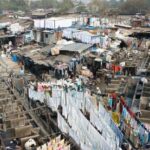
At Sassoon Dock, the tour gets practical in the best way. You’ll hear about the Koli fisherfolk, described as the original inhabitants of Mumbai, and you’ll see how morning work runs on a tight schedule. This is also where the tour turns from “scenery” into “source of food.”
You’ll spend about 30 minutes here, and the tour includes free entry. The key detail: you’ll watch the arrival and grading of fish, with about 60 tonnes of fish handled every day in the morning. That number lands differently when you’re there and people are actively moving product, sorting, and preparing for markets.
Why this stop is worth it: it answers a question tourists rarely ask—where does the city’s daily supply come from? Seeing the dock at dawn helps you connect markets, kitchens, and livelihoods. It also gives you a more respectful lens for what “fresh” means in a city like Mumbai.
There’s also room for your guide to point out something unusual you might spot—one of the “one-of-a-kind” fish references is mentioned in tour descriptions, though the exact detail can vary by what’s available that day. Either way, you’ll come away with more than a photo. You’ll understand the flow.
Wear sturdy shoes if you have them. Docks can be slippery and active. Your guide and driver will help keep things safe and efficient.
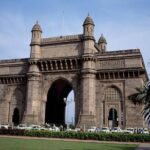

Marine Drive at dawn: a calm finish on a famous stretch
The last stop is Marine Drive, with about 10 minutes to take it in. This is the palate cleanser after markets and docks. Early in the morning, Marine Drive feels calmer, and the light can be gentler—great for slowing down for a minute and letting the day settle.
This short segment matters because it changes your mood. You’ve been watching intense morning activity and spiritual devotion. Now you get a view that helps you process it all.
It’s also a smart end to a tour like this. You don’t drag the most sensory stops too close to the end. Instead, you finish with something quieter that helps you remember the day.
Price and value: what you’re really paying for at $35
At $35 per person, this tour is priced to be accessible, especially because it includes real city access time and guide interpretation. You’re paying for three things that add up fast if you do it on your own:
- Round-trip hotel transfers (not just meeting at a random corner)
- Private transportation for a multi-stop morning route
- An English-speaking guide who explains what you’re looking at
Also included: bottled water. That’s a small comfort that actually matters at 5:30am.
What’s not included: food and drinks unless specified. So plan for either a later breakfast afterward or bring snacks if you know you get hungry early. If you tend to skip breakfast, you’ll probably be fine until the tour ends.
One more value angle: the stops you visit are free admission. That keeps the tour’s cost predictable. You’re not juggling entry fees on top of early-morning logistics.
If you’re traveling in a group, the listing also notes group discounts, which can make the per-person cost even easier to justify.
Guides, safety, and why private pickup helps
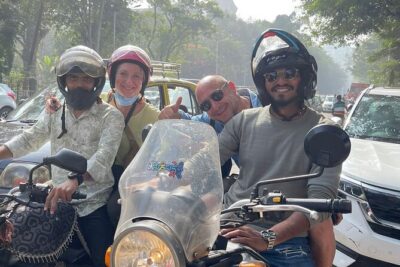
This tour works best when you trust your guide, and the best part is that you’re not left to figure Mumbai out alone. The tour includes an English-speaking guide, and you’ll likely feel the difference in pacing—enough time to observe, then a quick explanation so you understand what matters.
From guide names shared by previous groups—Alam, Ganesh, Dawood, Naynish, Maze, Nano, Arun, and Mujib as a driver on at least one experience—it’s clear the provider leans on people who can explain the city in a way that feels personal. Even if you don’t meet the same guide, the format is consistent: short stops, clear storytelling, and a focus on daily life.
Safety isn’t about panic—it’s about smart movement through crowded areas, knowing when to step aside, and having someone watch the flow. A private group (only your group participates) also helps. You get less waiting, fewer mismatches, and a more coherent experience.
What to wear and how to prepare for the morning grind
The tour asks for comfortable clothing, which is exactly right. You’ll be outside part of the time, and you’ll likely do some walking through market and dock areas. Closed-toe shoes make things easier.
Bring a small layer if you get cold early, since the tour overview emphasizes cooler air and morning conditions. Also, keep your phone charged enough for photos. Flower markets and docks are the kind of places where you’ll want to remember details.
If you’re planning breakfast, treat this as a morning immersion and eat afterward. Since food isn’t included, give yourself that flexibility.
Who this tour suits best
You’ll enjoy this most if you like:
- real-life Mumbai over only landmark photos
- cultural context (religion, rituals, daily work)
- early starts that trade crowds for calm morning energy
It’s also a strong choice if you want guidance in areas that can feel overwhelming without explanations—especially around temples, markets, and docks.
If you hate early mornings, or you’re short on mobility and don’t like moving between several stops, you might find the pace tiring. The schedule is not long by clock time, but it is active.
Should you book this Colourful Early Morning Tour?
Yes, I’d book it if you want Mumbai at human speed—flowers, faith, rail architecture, and the dock-side reality behind your city meals. The value at $35 is strongest because pickup, private transport, and an English-speaking guide are built in, and most major stops have free admission.
Skip it if 5:30am is a deal-breaker for you, or if you prefer relaxed sightseeing with long lounging time. This tour is built for motion and meaning, not slow wandering.
If you’re flexible and curious, this is the kind of morning experience that gives you a cleaner mental map of Mumbai—fast.
FAQ
What time does the Colourful Early Morning Tour start?
The start time is 5:30am.
How long is the tour?
The duration is about 3 hours.
What does the tour cost?
The price is $35.00 per person.
What’s included in the price?
It includes bottled water, private transportation, and an English-speaking guide, plus round-trip hotel transfers.
Is food included?
No, food and drinks are not included unless specified.
Are there admission fees at the stops?
The stops listed have free admission.
What is the cancellation policy?
You can cancel for free up to 24 hours in advance for a full refund. If you cancel less than 24 hours before the start time, the amount paid is not refunded.