REVIEW · HERITAGE WALKING TOURS
Private Mumbai Jewish Heritage Tour: Baghdadi & Bene Israel
Book on Viator →Operated by No Footprints · Bookable on Viator
Mumbai’s Jewish past is still alive. In a few hours, you’ll move through key landmarks that link two major Jewish communities in the city, the Bene Israel and the Baghdadi, with real people behind the buildings. I like that this tour doesn’t treat the synagogues as museum pieces; it connects them to how Mumbai grew.
I especially love the storytelling quality when the guide is Nasreen Mehta, the kind of guide who turns dates and places into a clear, human picture. I also like the tight route: you cover Keneseth Eliyahoo Synagogue and Magen David Synagogue plus the docks and library without burning the whole day. One thing to consider is that the Chabad House stop is based on availability, so you might not see it if access isn’t possible that day.
In This Review
- Key highlights you should care about
- Jewish heritage in Mumbai, without the long detour
- Price, time, and why it’s decent value
- How the private format works in busy Mumbai
- Gateway of India: the big monument, plus the Jewish links
- Sassoon Dock: where trade turned into city power
- David Sassoon Library and Reading Room: a short stop with a view
- Keneseth Eliyahoo Synagogue: Baghdadi heritage in the art district
- Magen David Synagogue: traditions preserved, prayers in the room
- Chabad Center Bombay: resilience and remembrance if access is possible
- What to expect from the guide (and why it changes everything)
- Timing and pacing: how to make the most of 3 to 4 hours
- Who should book this tour
- My booking advice: when to reserve
- Should you book this Mumbai Jewish Heritage Tour?
- FAQ
- What’s the price per person?
- How long is the tour?
- Is hotel pickup and drop-off included?
- Is this a private tour or shared group?
- Which stops are included?
- Are admission tickets included?
- Are there any extra costs?
- Is there a minimum age?
- What happens if the weather is bad?
- Can I cancel for free?
Key highlights you should care about
- Two synagogue experiences in one run: Baghdadi and older traditions, compared in context.
- Sassoon Dock and the Sassoons’ city-building role: trade, wealth, and Mumbai’s development in plain language.
- David Sassoon Library and Reading Room views: a quick stop with Kalaghoda right there.
- Chabad House (if available): a stop shaped by memory and resilience, tied to the historic tragedy.
- Street-smart guiding in Mumbai traffic: you’ll be managed through crossings and timing, not left to fend for yourself.
Jewish heritage in Mumbai, without the long detour
Mumbai has always been a port city, and ports bring connections. This tour tracks that idea through Jewish life as it took root in different waves. The Bene Israel are traced back more than 1,600 years in Mumbai, while the Baghdadi community arrived later, in the 1800s, largely as traders. Those differences matter, because they shaped where people lived, what they built, and how the community organized itself.
What I like about this approach is that it’s not just about one synagogue or one neighborhood. You’ll get a sequence that moves from a big, famous landmark (Gateway of India) to working waterfront history (Sassoon Dock), then into community institutions (library and synagogues). It’s a compact sampler of how the Jewish story blends into Mumbai’s wider story.
You’ll be on the move for about 3 to 4 hours, and the physical requirement is listed as moderate. Translation: bring comfortable shoes and be ready for walking and short transitions, including handling street crossings in busy areas.
You can also read our reviews of more private tours in Mumbai

Price, time, and why it’s decent value
At $96.03 per person, this is a practical choice if you want a focused, guided route instead of trying to line up synagogues and history stops on your own. The duration is short enough that it fits into a sightseeing plan, yet long enough that the guide can explain the “why” behind each place.
Value is mostly about what’s included. Hotel pickup and drop-off are part of the deal, and the tour includes a driver and professional guide plus private transportation. All fees and taxes are included, and the listed admissions for the main sights are free on the schedule. You’re also using a mobile ticket, which is helpful for a city where plans can change fast.
Where you might feel the cost is if you’re staying in North Mumbai—there’s an extra transport cost for pickup there. If that applies to you, price compare is smart: decide whether the convenience of pickup outweighs any extra fees.
How the private format works in busy Mumbai
This is a private tour, so only your group participates. That matters more than it sounds. Synagogue and community-site visits can involve slower pacing for respectful viewing, time for questions, and the usual stop-and-start of city streets. With a private group, the guide can adjust timing without worrying about keeping a mixed crowd on schedule.
The tour also offers pickup, and it’s meant to start near public transportation. I’d still plan for the reality of Mumbai driving: traffic can add friction, especially around famous landmarks. The good news is that reviews strongly point to the guide being proactive about street crossings and timing, which is exactly what you want in a city where quick decisions are part of daily life.
One more timing note: the tour isn’t run on the day of the Mumbai Marathon. If your dates overlap with marathon weekend, check your schedule early so you don’t get caught by a no-runday.
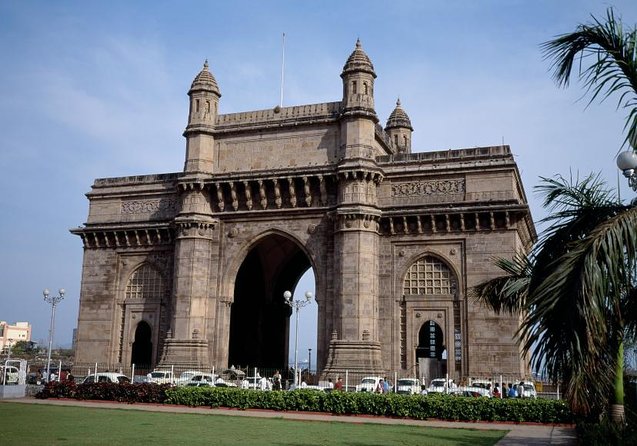
Gateway of India: the big monument, plus the Jewish links
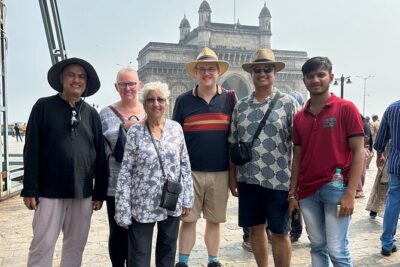
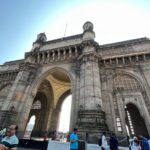
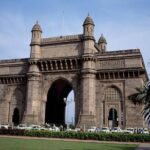
You start at Gateway of India, one of Mumbai’s iconic monuments. The time here is about 20 minutes, and there’s no admission ticket cost noted for this stop.
Even if you’ve seen Gateway of India in photos, this visit works because it reframes the place. The guide’s focus is on the Jewish links connected to the monument, tying the community’s presence in Mumbai to a landmark that symbolizes the city’s global connection. In a port city, that connection is the point: people arrived, traded, worked, worshipped, and built institutions that later became part of the urban identity.
If you’re the kind of traveler who wants context fast, this first stop is a good move. It helps you get your bearings—geographically and historically—before you head into smaller, more specific Jewish sites.
Sassoon Dock: where trade turned into city power
Next is Sassoon Dock, with another 20 minutes on the schedule. This stop includes admission, and the key story is about the Sassoons—a prominent Jewish family whose role in Mumbai’s economy is part of why the docks matter.
Think of Sassoon Dock as a bridge between two worlds: the visible city of buildings and monuments, and the working infrastructure that made commerce possible. You’re not just learning names; you’re learning why those names mattered to everyday life in Mumbai—jobs, shipping, and the kind of wealth that then supported community institutions.
A practical reason this stop works in a half-day tour: it gives you a break from purely ceremonial spaces. Synagogues are important here, but docks help you understand the timeline and logic behind why communities clustered where they did.
You can also read our reviews of more historical tours in Mumbai




David Sassoon Library and Reading Room: a short stop with a view
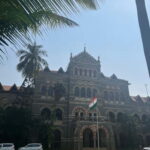
Then you’ll head to David Sassoon Library and Reading Room, roughly 10 minutes. Admission is free for this stop, and the setting looks out over Kalaghoda, an area known for its art and heritage vibe.
Even with a brief time slot, the library stop has value because it shows community life beyond worship. Libraries and reading rooms represent education, civic participation, and long-term investment. In other words, it’s not only a religious story; it’s a community-building story.
If your schedule is tight, use these minutes intentionally. Spend a minute orienting yourself to Kalaghoda’s layout so the next synagogue stop makes more sense geographically.
Keneseth Eliyahoo Synagogue: Baghdadi heritage in the art district
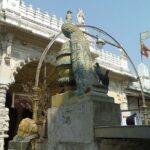
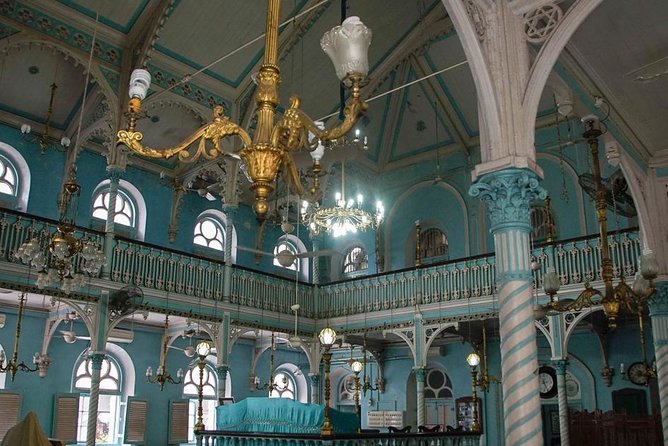
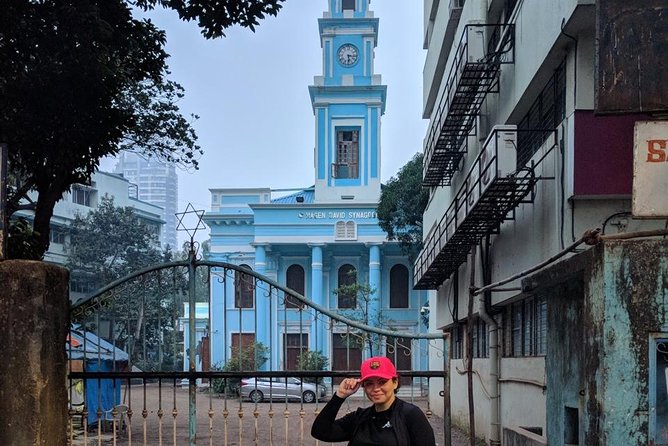
At Keneseth Eliyahoo Synagogue, you’re in the art district of Kalaghoda. This is one of the stops where the tour leans into the idea of “hidden in plain sight”: the synagogue is described as hidden away, and you get a sense of place rather than just a quick photo.
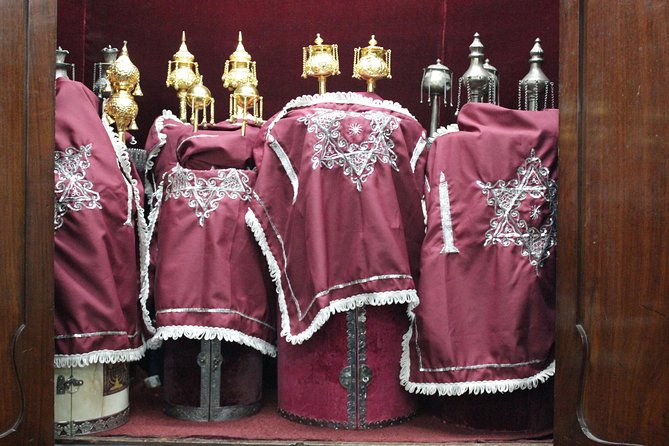
Time here is about 20 minutes, and the admission ticket is noted as free. The emphasis is on the synagogue’s architecture and its role as a Baghdadi Jewish house of worship. You’ll hear how that Baghdadi identity connects to the broader history of Jews in Mumbai, especially compared to earlier community roots.
The practical payoff is that you get contrast in the tour. By the time you reach this synagogue, you’ve already seen docks and civic institutions. Then you see where the Baghdadi community expressed faith and continuity through a dedicated space.
Magen David Synagogue: traditions preserved, prayers in the room
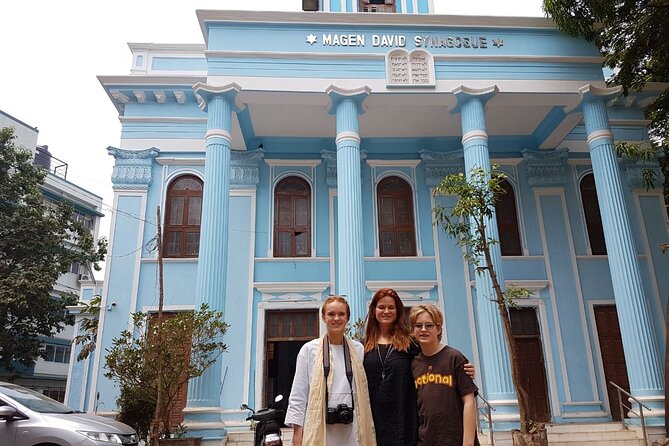
The tour continues to Magen David Synagogue, again listed at about 20 minutes with free admission.
This stop is framed as an architectural masterpiece where traditions are preserved and heartfelt prayers carry through the sacred halls. You don’t need extra background to appreciate the effect: even if you don’t know Hebrew or synagogue procedure, the atmosphere is usually the point. The guide’s explanations make the formal elements meaningful without turning the experience into a lecture.
What I like about pairing this synagogue with Keneseth Eliyahoo is that you don’t end with just one style or one story. You end with a stronger sense of how multiple Jewish identities shaped Mumbai physically and spiritually.
If you’re someone who prefers quiet over speed, this is where you’ll likely feel the most settled, because the tour gives you time to slow down and absorb.
Chabad Center Bombay: resilience and remembrance if access is possible
The final community stop is Chabad Center Bombay, about 15 minutes. It’s described as a homage to resilience and unity, tied to the memory of those impacted by the infamous terrorist siege of Mumbai. Importantly, it’s based on availability.
This “based on availability” detail is the main practical variable in the tour. If access works, it adds emotional weight and contemporary context to the historical sites you visited earlier. If access doesn’t work, you still get a strong Jewish heritage arc, but the modern memorial element may be missing.
Either way, this stop reflects why community sites matter beyond architecture. They become places where a city processes grief and demonstrates continuity.
What to expect from the guide (and why it changes everything)
The quality of the guide is the thing that jumps out most. Multiple write-ups highlight a guide who combines Indian, Jewish, and global historical context and makes it feel clear rather than academic. When your guide is animated, the experience moves fast in a good way: you don’t just look at buildings, you follow a story.
Nasreen Mehta is specifically mentioned in feedback as warm, funny, and deeply prepared. There’s also a repeated theme about being thoughtful and watchful—especially around Mumbai’s street crossings. That doesn’t sound glamorous, but it’s huge in real life. You’ll feel cared for in the small moments, which is often what separates a good tour from a great one.
If your group has questions, this type of guide tends to handle them smoothly because the material connects local facts to broader themes. You’ll likely come away not only with names of places, but with better instincts for how the Jewish community fit into Mumbai’s growth.
Timing and pacing: how to make the most of 3 to 4 hours
This tour is designed for short visits—mostly 10 to 20 minutes per stop—with transportation between them. That can feel intense if you’re used to slow museum pacing, but it works when the guide keeps you oriented and focused.
A smart way to enjoy it:
- Keep your phone ready for landmarks, not constant scrolling.
- Listen for the “connective tissue” between stops (docks → institutions → worship).
- Ask one or two questions at each stop; the private format makes that easy.
Because the tour requires good weather, keep a bit of flexibility in your day. If you’re scheduling this around a rainy window, plan a backup activity nearby that doesn’t depend on being outdoors.
Who should book this tour
This tour is a good match if you want:
- A compact half-day plan that still covers major Jewish sites in Mumbai
- A guide who links local stories to larger Jewish history
- A route that includes both waterfront and community institutions, not only synagogues
It may be less ideal if:
- You hate city driving and street crossings, even with guidance
- You need lots of time inside each building, because the structure is brief stops
- You’re hoping for a guaranteed Chabad House visit, since access is availability-based
If you’re traveling with family, note that children under 5 can do the tour free of cost, which can help value for multi-person groups.
My booking advice: when to reserve
This tour is typically booked about 15 days in advance on average. That’s not panic-level, but it’s also not last-minute casual. If you have fixed dates, lock it in early enough to avoid a scramble, especially if you’re also planning other Mumbai sights.
Also, because Chabad access depends on availability and the tour needs good weather, you’ll benefit from scheduling it on a day where you can adapt if conditions change.
Should you book this Mumbai Jewish Heritage Tour?
I think you should book if you want a focused, meaningful introduction to Jewish Mumbai without doing a DIY puzzle. The strongest reason is the guide quality: the best moments come from clear explanations and a human pace, plus smart help with navigating streets.
The other good sign is the structure. You get a logical chain of places—Gateway of India links the city’s global identity, Sassoon Dock explains economic roots, the library adds education and civic life, and the synagogues show faith and continuity. You finish with a modern memorial stop if access allows, which ties past and present together.
If you’re sensitive to weather dependence or you’re staying in North Mumbai and don’t want extra transport costs, factor that in when deciding. For most people, though, this is a solid way to understand Mumbai in one of its most important cultural threads.
FAQ
What’s the price per person?
The tour costs $96.03 per person.
How long is the tour?
Plan on about 3 to 4 hours.
Is hotel pickup and drop-off included?
Yes. The tour includes hotel pickup and drop-off.
Is this a private tour or shared group?
It’s a private tour/activity. Only your group participates.
Which stops are included?
You’ll visit Gateway of India, Sassoon Dock, David Sassoon Library and Reading Room, Keneseth Eliyahoo Synagogue, Magen David Synagogue, and Chabad Center Bombay if available.
Are admission tickets included?
All fees and taxes are included, and the listed admission for each of the main stops is free on the tour schedule.
Are there any extra costs?
There may be an additional transport cost for North Mumbai pickup. If you want a language guide besides English, there’s an extra charge.
Is there a minimum age?
Children below 5 years can do the tour free of cost.
What happens if the weather is bad?
The tour requires good weather. If it’s canceled due to poor weather, you’ll be offered a different date or a full refund.
Can I cancel for free?
Yes. There is free cancellation. You can cancel up to 24 hours in advance for a full refund.