REVIEW · ELEPHANTA CAVES TOURS
Mumbai Heritage Walk and Elephanta Caves Experience
Book on Viator →Operated by BOMBAY TO MUMBAI TOURS · Bookable on Viator
Elephanta Caves feel like a stair-climbing movie set. This tour strings together a ferry ride to the UNESCO site and then a guided heritage walk back in the city, so you get two sides of Mumbai without having to stitch the day together yourself.
I especially like how the day is organized around the big moving parts: you’re with an English-speaking guide for the handoffs, and you’re not left wandering at the edges. I also appreciate the small comfort items that actually matter—bottled water plus refreshments help you keep going.
One consideration: Elephanta is heavy on stairs. You’ll want good shoes and a pace that works for you, because the cave complex involves lots of steps.
In This Review
- Key highlights to look for
- A two-part Mumbai day: ferry to Elephanta, then heritage walk in the south
- Price and value: what $29 covers (and what it doesn’t)
- Meeting at GPO Gate 3 and how to set yourself up for success
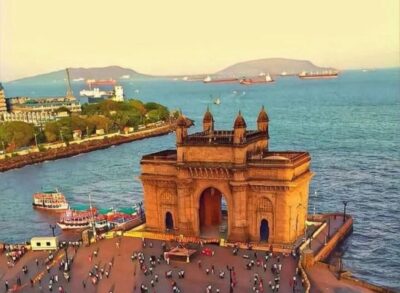
- The ferry ride from Gateway of India: your “moving viewpoint”
- Elephanta Caves: Shiv-themed rock art and how to get the most from your hour
- Stairs on Elephanta: what to do if your legs aren’t thrilled
- Southern Mumbai after the island: markets, landmarks, and a safer way to roam
- How the 6 hours typically feel in practice
- Who should book this tour (and who should think twice)
- Should you book? My practical take
- FAQ
- How long is the Mumbai Heritage Walk and Elephanta Caves experience?
- What is the price per person?
- Is pickup offered?
- Are ferry tickets included?
- How long do you spend at the Elephanta Caves?
- What is the Elephanta entrance fee?
- Is bottled water provided?
- Where does the tour start?
- Does the tour end back at the meeting point?
- Can I cancel for free?
Key highlights to look for
- Ferry time that saves you stress getting from the city to Elephanta and back
- Guide-led safety for market strolling so you can focus on sights, not navigating crowds
- Quirky train transfer on Elephanta Island between the dock area and the caves
- One focused hour in the caves to see the main rock art without turning it into a marathon
- Southern Mumbai heritage walk that adds markets and landmarks after the island visit
A two-part Mumbai day: ferry to Elephanta, then heritage walk in the south
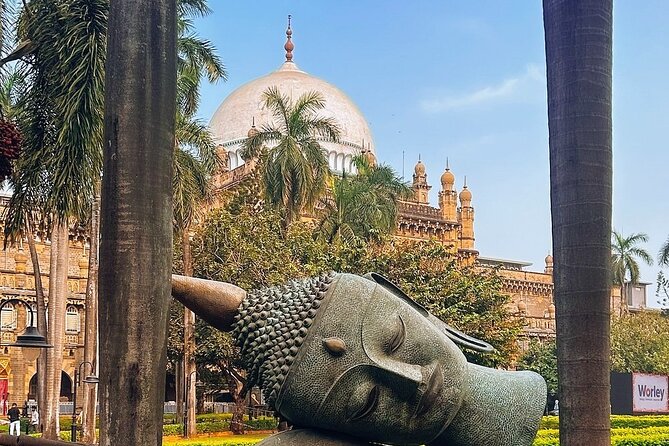
This is the kind of day that makes sense if you have limited time in Mumbai. You start with a ferry ride from the Gateway of India area to Elephanta Island, then you return for a guided walk through southern Mumbai’s landmarks and local markets. It’s a classic rhythm: sea views and big cultural art first, then street-level Mumbai right afterward.
The value here isn’t only the sights. It’s how the flow is built to keep you moving. Your guide handles the logistics between the island and the city, which means you spend less time figuring out what bus, ferry, or ticket line comes next.
The tour runs about 6 hours, with the Elephanta portion as the main event and the heritage walk as the payoff that helps you understand the city beyond just photographs.
You can also read our reviews of more walking tours in Mumbai



Price and value: what $29 covers (and what it doesn’t)
At $29 per person, this tour is priced like a smart day-pack: you’re paying for guided coordination, transportation, and the practical comforts that reduce friction.
What’s included:
- Ferry (round-trip ferry is part of the experience flow)
- English-speaking guide
- Pickup and drop-off offered through private options
- Bottled water plus refreshments
- Local taxes
What’s not included:
- Elephanta monuments entrance fees: $8.00 per person
That extra $8 is worth noting because it can change what you consider a “total price” in your budget. Still, even with the entrance fee, you’re typically paying less than it would cost to separately arrange a guide plus ferry plus a guided city walk.
Also, there’s a group ceiling: the tour has a maximum of 100 travelers. That’s not a tiny group, but it’s big enough to move efficiently. You’ll still want to listen closely at meeting points so nobody gets left behind when people drift toward views or photos.
Meeting at GPO Gate 3 and how to set yourself up for success

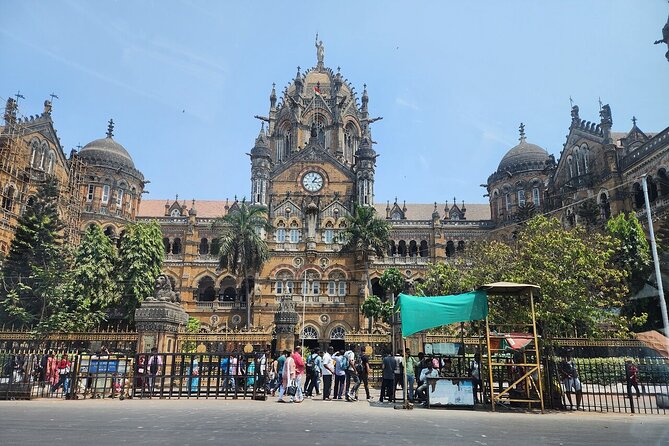
The tour starts at GPO Gate 3, specifically Shop No. 06, GPO Gate No 01, in the Chhatrapati Shivaji Terminus (CSTM) area of Fort, Mumbai. The end point is the same general meeting location, which keeps the day from turning into a complicated “meet somewhere different” puzzle.
Since the tour involves ferry travel and a walking component in the city, I recommend you plan your day the night before:
- Wear shoes you don’t mind getting stepped-on or scuffed during a crowded walking stretch.
- Bring a small bottle for refills if you’re the type who drinks often (bottled water is provided, but this helps if you’re thirsty on hot days).
The tour also includes a mobile ticket, which is convenient. Just make sure your phone battery is charged before you leave, since you’ll likely be showing it at key moments during the day.
The ferry ride from Gateway of India: your “moving viewpoint”
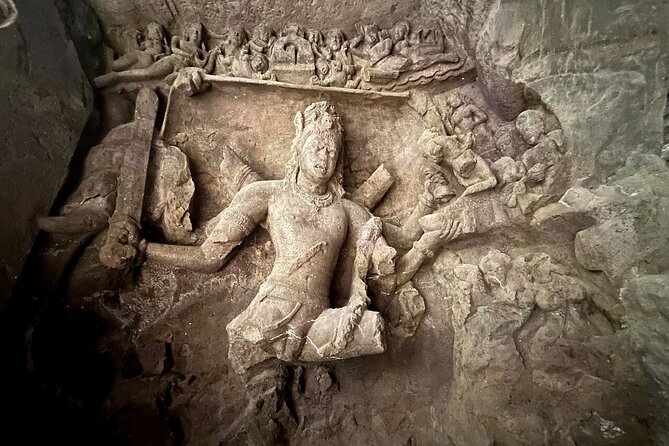
A big part of this tour is simply the way Mumbai opens up when you’re on the water. The route begins around the Gateway of India area. From there, the ferry ride takes about one hour to reach Elephanta Island.
This is one of those moments you should treat as part of the experience, not a transport delay. You’ll get a different angle on the Mumbai coastline, and the pace naturally slows down. After that city energy, the island approach feels like a reset button.
Then comes the quirky transition: once you arrive on the island, you’ll take a train as part of the journey up to the cave area. It’s a fun, odd little detail that makes the travel feel like part of the attraction rather than just a hurdle.
Elephanta Caves: Shiv-themed rock art and how to get the most from your hour
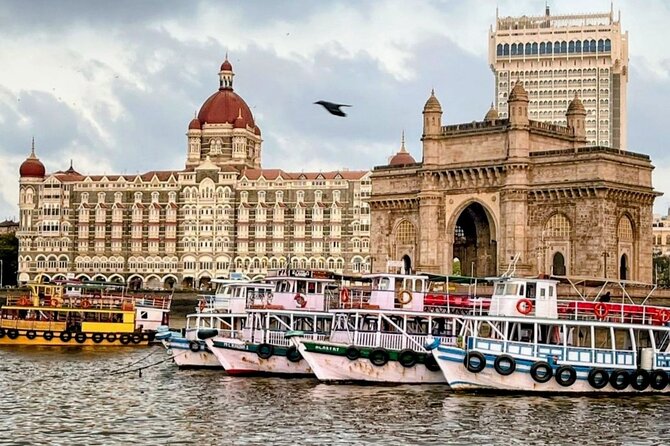
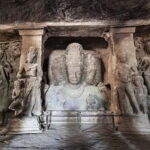
At the heart of the trip are the Elephanta Caves, UNESCO-listed and famous for rock-cut sculptural art linked to Shiv. After the island transfer, you’ll head to the cave complex and have about one hour to explore.
The focus in the caves is sculpture and religious iconography. You’ll see key carvings associated with names like Kalyansundara, Gangadhara, and Ardhanriswara. Those names matter because they give your guide something specific to point out beyond general statements. That’s how you move from seeing “cool rocks” to understanding what you’re looking at.
Here’s how I’d plan that hour so you don’t miss the best stuff:
- Start by letting your guide orient you to the main figures and themes.
- Then slow down for photos, but keep moving—caves can feel repetitive if you stop too long in one spot.
- If you’re sensitive to crowds, aim to stand back first, then step in for clearer shots once the group shifts.
A quick reality check: this isn’t a low-effort visit. The good news is that the tour is set up so your time doesn’t get eaten by ticket wrangling or unclear routing.
You can also read our reviews of more historical tours in Mumbai





Stairs on Elephanta: what to do if your legs aren’t thrilled
The caves come with a lot of vertical movement. One of the clearest pieces of advice from this experience is simple: plan for a lot of steps on Elephanta. That means you’ll want to go in with realistic expectations and adjust your pace without pretending you can power through.
If you’d rather enjoy the art than negotiate your breathing, do these two things:
- Bring a steady pace and take breaks when you need them.
- Keep your hands free (no loose bags that get in the way on stair sections).
This is also where having a capable guide makes a difference. In this case, the guide is often praised for being Nitin, and for good reason: the guiding style is tied to clarity. When you know what’s coming next, it feels less like “walk walk walk” and more like “okay, now we see the good panels.”
Southern Mumbai after the island: markets, landmarks, and a safer way to roam
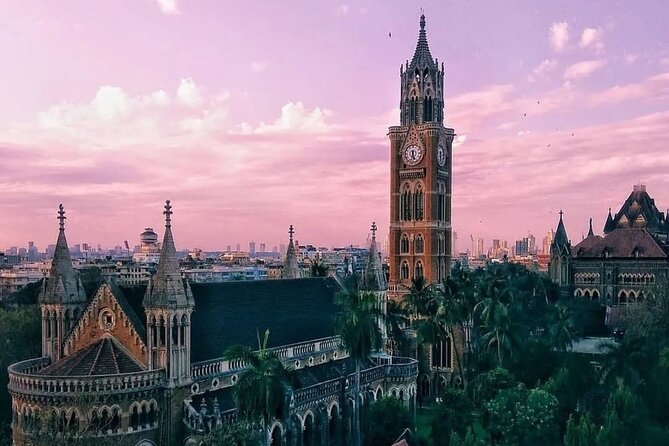
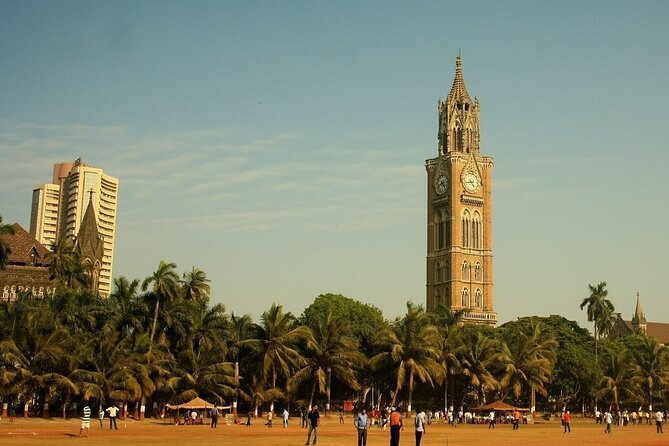
Once you’re back in the city, the tour shifts into a heritage walk mode through the southern part of Mumbai. This part is less about one big ticketed attraction and more about street-level learning: local markets, landmarks, and the everyday scenes that help you place what you saw on the water and in the caves.
What I like about this switch is that it balances the day. Elephanta gives you structure and symbolism. The heritage walk gives you texture—how people actually move, buy, talk, and navigate. And because you’re with a guide, you can focus on what you’re seeing instead of constantly checking directions.
This is also a practical benefit for solo travelers or first-timers. Walking with a guide through markets helps you feel more confident in crowded areas, especially when lanes are busy and signage can be unclear.
Just remember: this isn’t an extended “wander at your pace for hours” kind of walk. It’s guided and structured, so be ready to keep up with the group when it’s time to move on.
How the 6 hours typically feel in practice
Even though it runs about 6 hours, the experience doesn’t feel evenly paced. It usually hits in waves:
- Ferry travel to reset your perspective
- The island transfer (that quirky train segment)
- Cave exploration time (about an hour)
- Ferry back and then the heritage walk pace in the city
Because the itinerary compresses the cave visit into a set amount of time, it can feel efficient, not rushed. You’re there to see the main carvings and understand the themes your guide points out, then move on.
It also helps that the tour includes bottled water and refreshments. That matters more than it sounds in Mumbai, because you’ll be walking, climbing, and spending time outdoors.
Who should book this tour (and who should think twice)
This tour fits best if:
- You want two major Mumbai experiences in one day: Elephanta plus a city walk
- You’re short on time and want someone to handle the moving pieces
- You like guided explanations that point out specific carvings and names, not just general overviews
It may not be ideal if:
- You have trouble with stairs or long uphill walking
- You want a slow, unstructured day where you control every stop for hours
That doesn’t mean you can’t go. It just means you should assess your comfort with lots of steps. If you’re good with that, you’ll likely have a strong day because the pacing is built around what you can realistically handle.
Should you book? My practical take
Yes, I’d consider booking if you want a well-run Mumbai day that doesn’t waste time. The ferry-to-caves portion is a genuine highlight, and the heritage walk after gives you context for what you’re seeing in the city. The combination of transport, an English-speaking guide, and included water and refreshments makes this feel like solid value—especially for first-time Mumbai visitors.
The main reason to hesitate is the stairs at Elephanta. If you’re nervous about climbing, plan for it and bring your most comfortable walking gear.
If you’re trying to choose between a DIY plan and a guided plan, this is where a guide earns its keep: it’s the difference between solving logistics and simply showing up.
FAQ
How long is the Mumbai Heritage Walk and Elephanta Caves experience?
It runs for about 6 hours (approx.).
What is the price per person?
The price is $29.00 per person.
Is pickup offered?
Yes. Pick up and Drop Off are offered through private options.
Are ferry tickets included?
Yes. The experience includes the ferry as part of the day.
How long do you spend at the Elephanta Caves?
You have about one hour to explore the caves.
What is the Elephanta entrance fee?
The Elephanta monuments entrance fee is $8.00 per person, and it is not included in the tour price.
Is bottled water provided?
Yes. Bottled water is included for convenience.
Where does the tour start?
The start location is GPO Gate 3, Shop No.06, GPO Gate No 01, CSTM Railway Station Post Office area, Fort, Mumbai.
Does the tour end back at the meeting point?
Yes. The activity ends back at the meeting point.
Can I cancel for free?
You get free cancellation up to 24 hours in advance of the experience start time.