REVIEW · HERITAGE WALKING TOURS
Mumbai: South Mumbai Heritage Walking Guided Tour
Book on GetYourGuide →Operated by Mumbai Dream Tours · Bookable on GetYourGuide
Mumbai’s landmarks click when you walk them. This south Mumbai heritage walk strings together big-name icons like Marine Drive and the UNESCO-listed Chhatrapati Shivaji Terminus, and it turns streets into a lesson on how the city grew. Expect a focused, on-foot route through Old Mumbai’s colonial-era standout buildings and monuments.
I especially like two things: first, you get the kind of sights you normally rush past, like Town Hall (Asiatic Society Library) and St. Thomas’ Cathedral, with context that actually makes them feel connected. Second, the guides bring the buildings to life with architecture-and-people explanations, including the Roman-goddess story behind Flora Fountain and the cast-iron angle at Watson’s Hotel.
One consideration: it’s a walking tour of central South Mumbai, so plan for steady time outdoors and plenty of standing to look at facades, entrances, and waterfront views.
In This Review
- Key things to know before you go
- South Mumbai on Foot: What This Heritage Walk Really Teaches
- Chhatrapati Shivaji Terminus: The Station That Changes How You See Mumbai
- Town Hall (Asiatic Society Library): Colonial Learning in One Building
- St. Thomas’ Cathedral: 300 Years of Faith and Presence
- Flora Fountain and Marine Drive: Public Space as a Design Story
- Bombay High Court and Kala Ghoda: Power, Planning, and Art Streets
- Watson’s Hotel and the Cast-Iron Moment
- Hotel Taj Mahal Palace and Gateway of India: Big Names, Big Atmosphere
- Guides Matter: Why Krishna, Sanika, Ketan, and Abhi Elevate the Walk
- Price and Value: Is $28 a Good Deal for South Mumbai Heritage?
- Timing and What to Wear for This 3-Hour South Mumbai Walk
- Who This Tour Suits Best
- Should You Book? My Quick Decision Guide
- FAQ
- What does the tour cost?
- How long is the South Mumbai heritage walking tour?
- What language is the tour offered in?
- What major attractions are included on the walk?
- Is Chhatrapati Shivaji Terminus part of UNESCO?
- Who provides the tour?
- Can I reserve and pay later?
- What is the cancellation policy?
- What rating does the experience have?
- Who leads the tour?
Key things to know before you go
- UNESCO in the middle of your walk at Chhatrapati Shivaji Terminus (a major highlight)
- St. Thomas’ Cathedral’s long timeline, with a 300-year presence in the city
- Cast-iron architecture at Watson’s Hotel, one of India’s earliest surviving examples
- A smart mix of civic, religious, and design landmarks across Colaba and beyond
- Guides who keep the energy personal, with named examples like Krishna, Sanika, Ketan, and Abhi showing up in comments
- A heritage-walk mission going back to 1999, linked to Mumbai Heritage Walks founded by Abha Bahl and Brinda Gaitonde
South Mumbai on Foot: What This Heritage Walk Really Teaches
South Mumbai is the part of the city where layers show up fast. You’ll see colonial-era institutions, religious landmarks, and waterfront scenery all close enough to walk between. The trick is that you don’t just look—you learn what you’re looking at.
That’s where this tour earns its keep. The approach is architecture-led, aiming to raise awareness of Mumbai’s building styles and heritage monuments. It’s tied to Mumbai Heritage Walks, established in April 1999 by architects Abha Bahl and Brinda Gaitonde. The tone is educative and imaginative, with a practical payoff: after the walk, you’ll recognize patterns in the city rather than treating every building like a random postcard.
It also helps that the tour is in English. If you want clear explanations without hunting for context on your own, that matters. And because it’s a guided walk through Old Mumbai, you’re spending your time where information is most useful: right in front of the structures, not miles away in a museum.
You can also read our reviews of more walking tours in Mumbai

Chhatrapati Shivaji Terminus: The Station That Changes How You See Mumbai
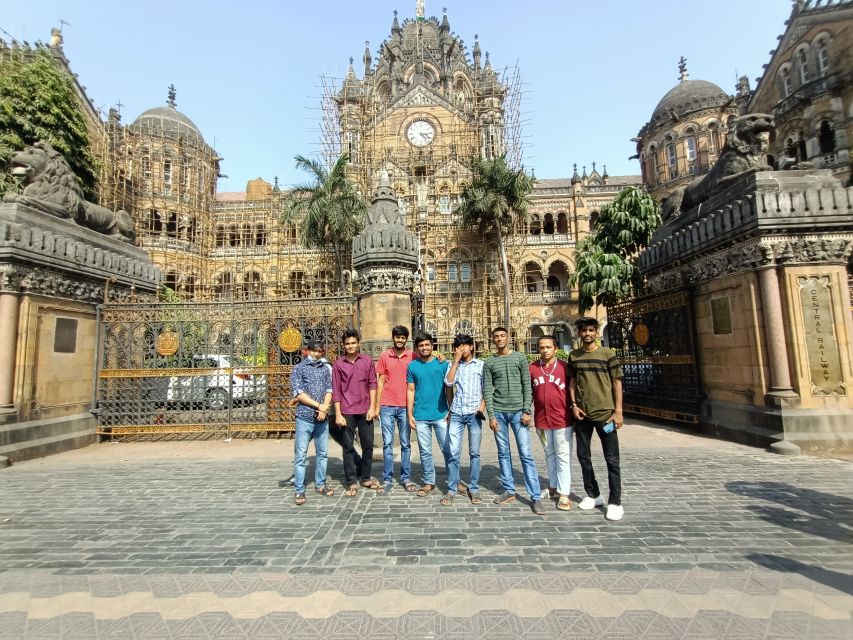
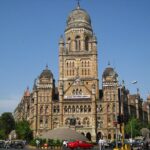
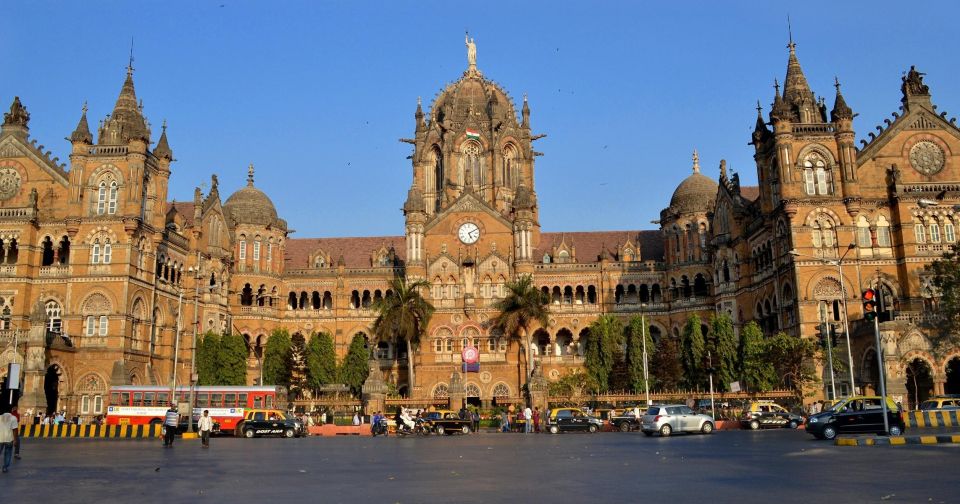
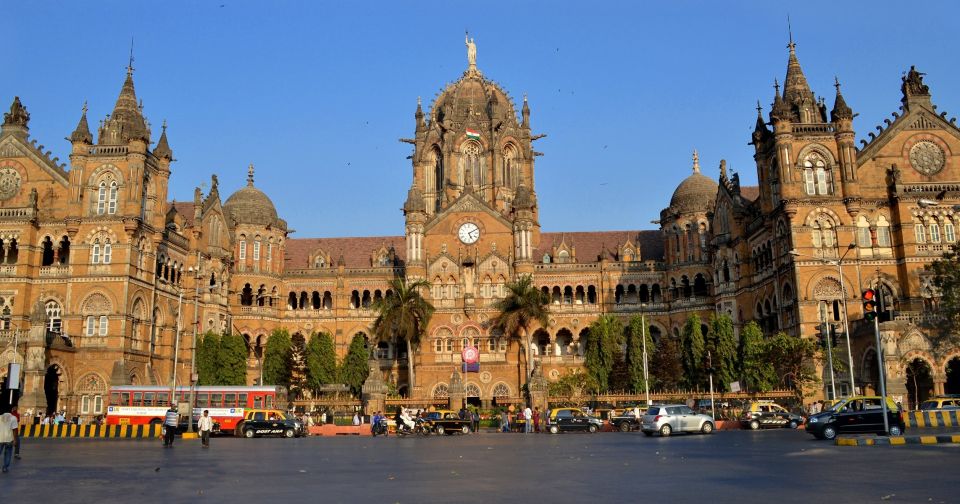
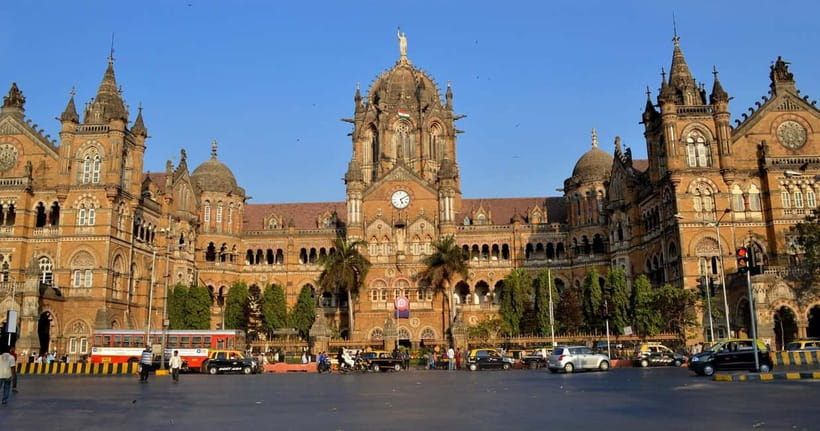
Chhatrapati Shivaji Terminus is one of those places that looks impressive even before someone explains it. As the tour frames it, this is not just a train station—it’s a UNESCO World Heritage Site and a standout work of architecture. You’ll get the kind of framing that helps you notice how a building’s design expresses the city’s ambition and connections to the wider world.
Why this stop is worth the effort: stations are practical spaces, but great ones are also statements. When you see how a major transport hub is designed and respected as heritage, your whole lens changes. You start reading Mumbai as a city of built ideas, not just busy streets.
If you’re traveling as a first-timer, this is also a good anchor. A lot of south Mumbai landmarks can feel scattered at first; starting with a big, globally recognized site gives you a reference point for the rest of the walk.
Town Hall (Asiatic Society Library): Colonial Learning in One Building
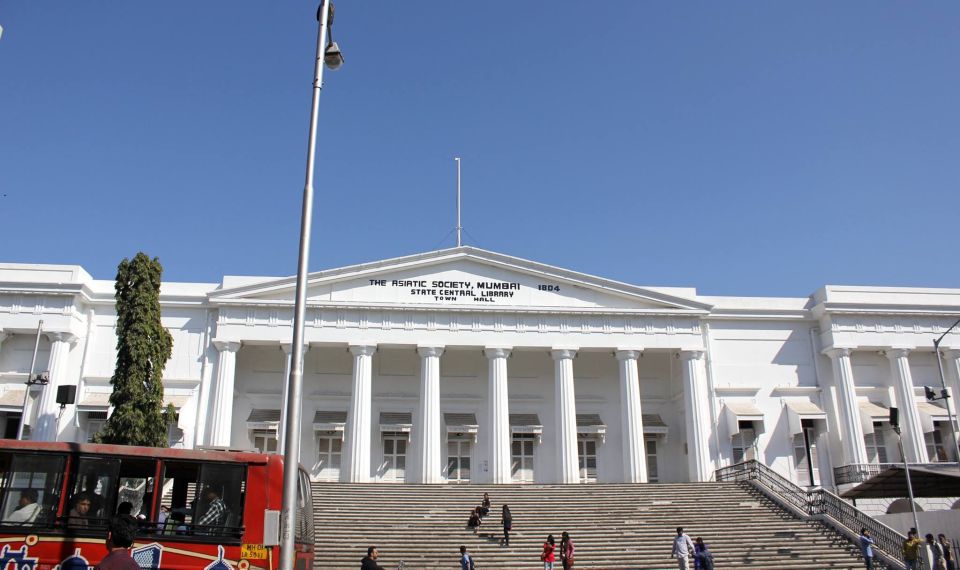
Next is Town Hall, home to the Asiatic Society Library, presented as a colonial structure and one of the oldest libraries in town. This is the kind of stop that rewards slow looking. Libraries are quiet by nature, but they carry their own kind of energy: the idea that knowledge was organized, housed, and protected in solid stone and wood-era design.
Even if you’re not a book person, you’ll likely appreciate the cultural angle. The tour’s focus isn’t just facts; it’s why a building like this matters to how a city shapes education and public life.
A small practical note: library-and-institution stops often involve doors, entrances, and exterior viewpoints. Bring a bit of patience if you end up waiting for the group to move and listen.
St. Thomas’ Cathedral: 300 Years of Faith and Presence
St. Thomas’ Cathedral is described as a 300-year-old cathedral church connected to the Diocese of Mumbai of the Church of North India. This stop works because it brings a deep-time feeling into a part of the city known for change.
I like cathedral buildings because they teach you something subtle: how religion can be part of city identity for centuries, not just a one-off landmark. A cathedral is also a community marker—people visit it for reasons beyond tourism, and the architecture reflects that long continuity.
You’ll also likely find the explanations make the area around the cathedral easier to understand. Once you know what the building represents, the surrounding streets feel less random and more purposeful.
Flora Fountain and Marine Drive: Public Space as a Design Story
The tour doesn’t treat the waterfront as scenery only. You get Marine Drive framed as a key piece of south Mumbai, and you also visit Flora Fountain, built in 1864 and depicting the Roman goddess Flora.
Marine Drive is one of those places where the city’s self-image shows up in real time—especially at street level, when you’re walking rather than viewing from a moving vehicle. When you stop and listen to the background, the long promenade shape and the way people gather there feel intentional, not incidental.
Flora Fountain is the kind of detail tourists often miss because it doesn’t demand attention the way a giant gate or palace does. But that Roman-goddess theme is exactly the point: Mumbai’s heritage includes layers of European symbolism planted into Indian urban life. The tour’s architecture-and-ornament focus makes moments like this click.
You can also read our reviews of more guided tours in Mumbai





Bombay High Court and Kala Ghoda: Power, Planning, and Art Streets
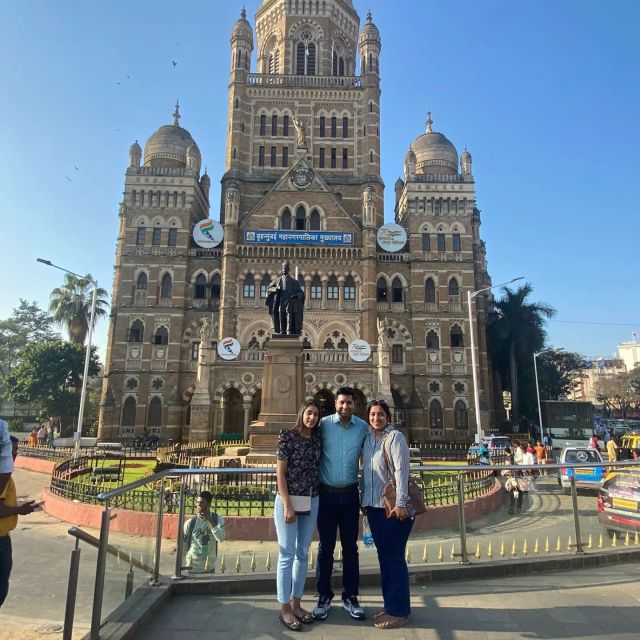
Bombay High Court is included as one of the oldest high courts in India, and the tour uses that to shift your perspective from monuments to institutions. Courts are where the city’s modern systems get physically expressed—forms, authority, and public presence built into streets and facades.
Then the walk turns toward Kala Ghoda, described as a crescent-shaped art district with several heritage buildings. This is a nice change of pace after legal and governmental architecture. You move from institutions that shape law and governance into a zone associated with creative culture and heritage architecture.
The value here is the comparison. The tour shows you that south Mumbai’s character isn’t only about grand landmarks. It’s also about how different parts of the city were planned to serve different roles: administration here, art and culture there, and religious heritage woven alongside.
Watson’s Hotel and the Cast-Iron Moment
Watson’s Hotel is highlighted as the earliest surviving example of cast-iron architecture in India. That detail alone makes this stop fun to pay attention to, because it turns a building into a historical clue: this was a time when materials, industrial design, and engineering ideas traveled and took root.
What you’ll likely appreciate is the tour’s willingness to talk about the built mechanics of heritage, not only the emotional romance of famous monuments. Cast iron is not just a material fact. It’s a story about technology and style meeting in a city that was rapidly connecting to global trade and ideas.
If you’re the type who likes architectural trivia you can actually use later, this stop is your payoff. It gives you something specific to remember beyond names and dates.
Hotel Taj Mahal Palace and Gateway of India: Big Names, Big Atmosphere
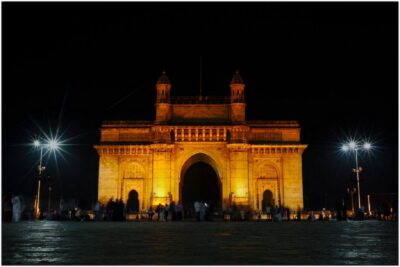
The tour includes the Hotel Taj Mahal Palace in the Colaba area, described as a heritage, five-star luxury hotel. You’ll also visit Gateway of India, described as an arch monument built in the early 20th century.
This is where south Mumbai starts to feel like what people imagine when they think about Mumbai. Taj Mahal Palace carries the aura of legacy hospitality, while Gateway of India reads like a public marker of arrival, presence, and the city’s relationship to the wider world.
Are these stops purely for photos? Not really. With the tour’s heritage framing, you’ll understand them as part of a larger story about how colonial-era plans and later commemorations shaped what the city chose to highlight.
Also, these are usually the places where the group slows down and people stand with cameras. Build that into your expectations: you’re seeing landmarks that operate like magnets.
Guides Matter: Why Krishna, Sanika, Ketan, and Abhi Elevate the Walk
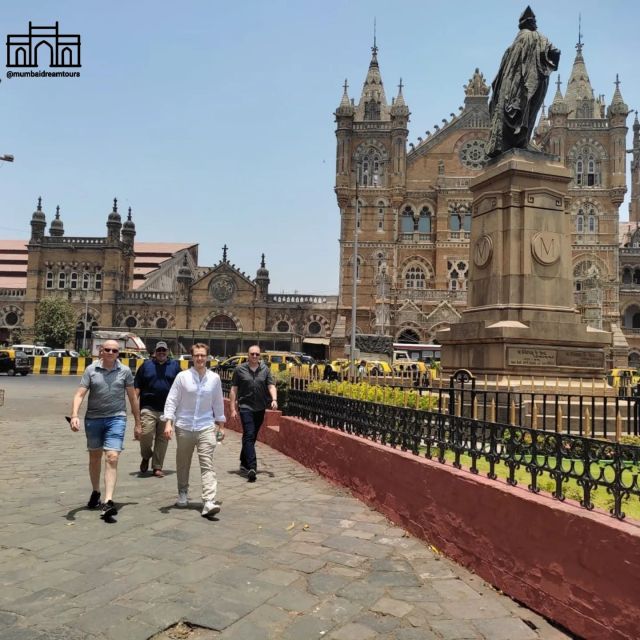
A good heritage walk can become a list. A great one becomes a conversation. This tour’s standout ingredient is the guide experience—friendly, warm, and genuinely invested in explaining what you’re seeing.
Named examples from guide comments include Krishna, Sanika, Ketan, Abhi, and Alan. You’ll also see Alkama mentioned, with energy that keeps the walk from feeling like school. The through-line is simple: the guides answer questions directly and talk in a way that makes architecture understandable, even if you’re not an expert.
One more detail I like: the tour sometimes runs as a more personal experience, including cases where the group was just one person. That matters because when you’re not sharing the guide’s attention with a large crowd, you tend to ask better questions—and you actually get time to hear answers that fit your interests.
If you’re traveling solo or you hate being ignored in a big group, this is a real advantage.
Price and Value: Is $28 a Good Deal for South Mumbai Heritage?
At $28 per person, the price is low enough that you can treat this as a high-impact orientation walk. You’re paying for guided interpretation plus access to a compact cluster of iconic and institutional sites: UNESCO Chhatrapati Shivaji Terminus, St. Thomas’ Cathedral, Bombay High Court, Marine Drive, and Gateway of India, among others.
The biggest value isn’t any single landmark—it’s the way the tour links them. Without guidance, you might still enjoy the buildings, but you’d likely miss the ornamental and planning logic that makes Old Mumbai feel coherent. With guidance, each stop builds on the last.
Also, the tour is in English, and the guidance style described in comments is very interactive. For many visitors, that’s the difference between watching a guide talk from the sidewalk and actually learning something you can use on the rest of your trip.
If you’re on a budget, consider this your “buy clarity once” experience: after this walk, your self-guided wandering around South Mumbai gets easier and more satisfying.
Timing and What to Wear for This 3-Hour South Mumbai Walk
The tour experience is commonly described as about three hours. That’s a workable length: long enough to hit major sites, short enough that you’re not stuck dragging yourself across the city.
Because you’re walking, wear comfortable shoes. Central South Mumbai has a lot of foot traffic, and you’ll spend time stopping in front of facades and entrances. Bring sunglasses and water if you’re sensitive to sun. Keep in mind that even when the landmarks are famous, you still have to stand and listen to understand them.
If you’re hoping for a lot of inside access (into every building), this walk is more likely to focus on exterior viewing and on-site interpretation. Still, that exterior framing is exactly why it works: you learn while looking at the architecture in context.
Who This Tour Suits Best
This tour is a strong fit if:
- You’re in South Mumbai for the first time and want a guided way to get your bearings fast
- You like architecture details, monuments, and how public spaces tell stories
- You want a tour in English that doesn’t require specialized background
- You prefer walking for cultural learning rather than only driving past landmarks
It’s also a good choice if you’re the type who asks questions. The guide experience described here includes friendly responsiveness and sincere answers, which turns the walk into something more personal.
If you dislike walking or standing for long stretches, you might find the format tougher. But if you can handle a few hours on your feet, you’ll probably enjoy how focused the route is.
Should You Book? My Quick Decision Guide
Book this tour if you want south Mumbai to make sense quickly. The UNESCO anchor at Chhatrapati Shivaji Terminus, the 300-year weight of St. Thomas’ Cathedral, the cast-iron story at Watson’s Hotel, and the postcard-famous stop at Gateway of India all connect better with a guide than they do on your own.
Skip it only if walking and on-foot stops feel like a chore for you, or if you’re trying to pack in too many activities back-to-back and don’t want to commit to a steady few hours outdoors.
FAQ
What does the tour cost?
The price is $28 per person.
How long is the South Mumbai heritage walking tour?
A review mentions a 3-hour tour format, so you should expect it to be around three hours.
What language is the tour offered in?
The tour is offered in English.
What major attractions are included on the walk?
Stops listed include Chhatrapati Shivaji Terminus, Town Hall (Asiatic Society Library), St. Thomas’ Cathedral, Flora Fountain, the University of Mumbai, Bombay High Court, Kala Ghoda, Watson’s Hotel, Hotel Taj Mahal Palace, and the Gateway of India.
Is Chhatrapati Shivaji Terminus part of UNESCO?
Yes. Chhatrapati Shivaji Terminus is described as a UNESCO Heritage Site.
Who provides the tour?
The experience provider is Mumbai Dream Tours.
Can I reserve and pay later?
Yes. The information says you can reserve and pay later, booking your spot and paying nothing today.
What is the cancellation policy?
You can cancel up to 24 hours in advance for a full refund.
What rating does the experience have?
The rating is 4.5, based on 69 reviews.
Who leads the tour?
Guides mentioned in the information include Abhi, Krishna, Sanika, Ketan, Alan, Alkama, and others.