REVIEW · DHARAVI SLUM TOURS
Small Group Tour of Dharavi Slum
Book on Viator →Operated by Young Tours And Travel · Bookable on Viator
Dharavi stops being a headline as you walk. In this small group tour, you’ll see how people live day-to-day with a local guide, including workshops making items like suitcases and Hindu shrines, then you’ll finish with a short Kumbharwada pottery area stop. I especially like the local guide angle (you’ll hear real-life context instead of vague sightseeing) and the practical mineral water + Churchgate train transport included. The only thing to consider is that this is a working, very crowded part of Mumbai, so expect tight lanes and moments that can feel intense if you’re not ready.
It runs about 2 hours 15 minutes with a mobile ticket, and it’s built around focused walking rather than a bus-and-window route. You meet at Young Tours & Travel in Dharavi, and your guide helps you get back onward afterward (often by train/bus/walk, and the operator recommends a cab for the next leg).
In This Review
- Key highlights worth your attention
- Entering Dharavi on foot: density, daily life, and what you’ll notice first
- The workshops and factories: suitcases, Hindu shrines, and plastics/leather work
- Kumbharwada pottery area: a short stop that adds texture
- Meeting at Young Tours & Travel and getting back to your next stop
- Price and logistics: how $15 buys real value here
- Guides make the experience: what you’ll learn from a local perspective
- What to expect on the timeline (and how to pace your day)
- Who this Dharavi tour fits best
- Should you book this Dharavi slum tour?
- FAQ
- How long is the Small Group Tour of Dharavi Slum?
- How much does the Dharavi slum tour cost?
- Is mineral water included?
- Does the tour include transportation from Churchgate?
- Where do I meet the guide?
- Where does the tour end?
- What stops will I visit during the tour?
- Is food included?
- What kind of ticket do I get?
- What is the maximum group size?
- What is the cancellation policy?
Key highlights worth your attention
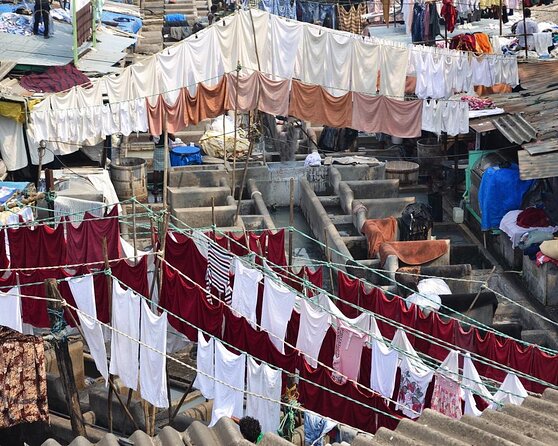
- Local guide-led walking through daily life so you understand how work and home overlap in Dharavi
- Industry you can point to, including factories making everything from suitcases to Hindu shrines
- A quick pottery stop at Kumbharwada, with time to see the pottery area itself
- Churchgate transport and mineral water included, so your $15 stretches farther
- Very small group setup, with a maximum of 1 traveler for this activity
Entering Dharavi on foot: density, daily life, and what you’ll notice first
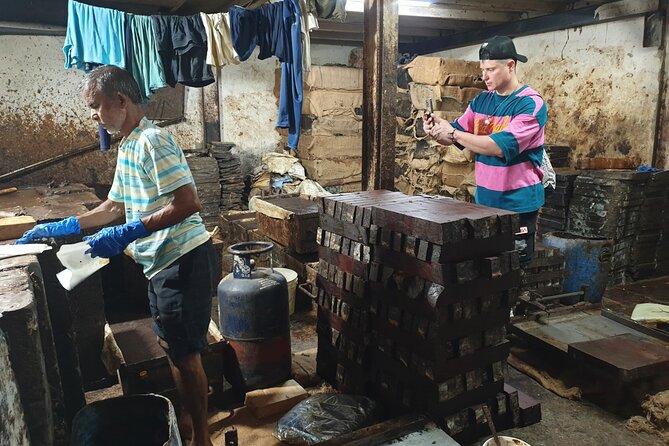
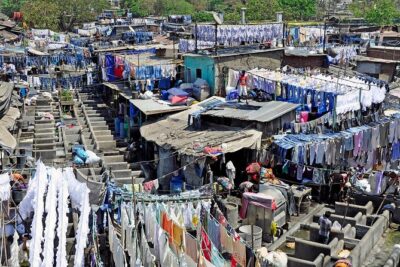
Dharavi is the kind of place where numbers feel almost unreal until you see them at street level. The tour context frames it clearly: an area of just over 2.1 square kilometers with around 700,000 people, and a density of roughly 277,136 per square kilometer. That scale matters because it explains why the walk is so close and so busy—this isn’t a distant “look from outside” kind of neighborhood.
Your guide leads you through a mix of everyday spaces, and the tour’s goal is practical understanding: how people live, how they work, and how daily schedules fit into the tight geography. You’ll also learn how residents turn small, local spaces into production areas, which is where Dharavi starts to feel like a functioning city district rather than just a stereotype.
One thing I like about this approach is that it doesn’t try to turn the whole place into a single story. Instead, it treats Dharavi as a place with different zones—workshops, residential areas, and community institutions—so you get a broader sense of how life actually runs.
You can also read our reviews of more tours and experiences in Mumbai.


The workshops and factories: suitcases, Hindu shrines, and plastics/leather work
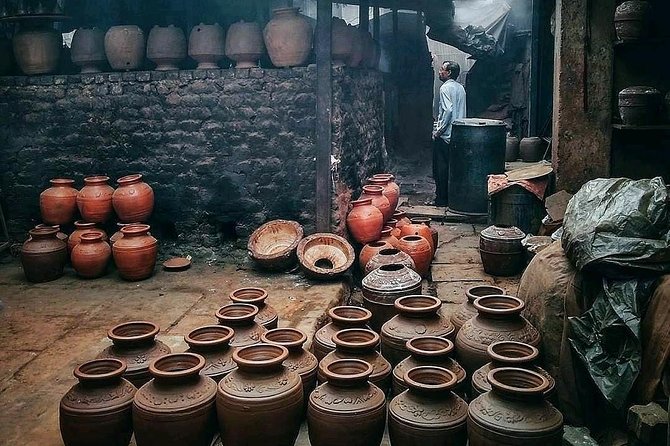
One of the biggest reasons this tour tends to score well is that it focuses on work you can see. The experience includes visits to factories producing items ranging from suitcases to Hindu shrines, plus time in residential areas and even a school. That structure helps you understand that people aren’t just surviving here—they’re also building livelihoods.
What’s especially useful for your mental picture is how production links to larger demand. Some of the guide explanations (including topics people ask about on the walk) cover how Mumbai’s industries can be tied to outsourced manufacturing patterns—mentioning areas like plastics and leather. Even if your own interests are more social than economic, hearing this kind of framing adds depth, because it connects a street scene to the supply chains that reach far beyond Mumbai.
This is also where a good guide makes the difference. The tour is designed around a local perspective, and local guides such as Sneha, Rahul, Divya, and Pooja are highlighted by name in guide profiles and feedback, with emphasis on how they explain daily life and answer questions. If you like tours where you can ask follow-ups—why a setup works a certain way, or how routines run—you’ll likely find this format matches your style.
Kumbharwada pottery area: a short stop that adds texture
The second stop is Kumbharwada, specifically the pottery area, with about 15 minutes on the clock. It’s brief, but that’s actually the point: it works like a quick “craft overlay” on top of the larger Dharavi story.
In a neighborhood where the walking blocks can blur together fast, that pottery stop gives your brain a different kind of anchor. You’re not only processing densely packed living and production; you’re also seeing a recognizable craft trade in action—something you can compare across time, tools, and technique even in a short visit.
Keep expectations realistic here. Fifteen minutes isn’t enough to treat pottery as a full deep cultural workshop. But it is long enough to notice how craft fits into the same urban mix as other industries, which is a big part of why Dharavi feels like more than one thing at once.
Meeting at Young Tours & Travel and getting back to your next stop
You’ll meet at Young Tours & Travel, 90 Feet Rd, Muslim Nagar, Kumbhar Wada, Dharavi, Mumbai, Maharashtra 400017. The tour indicates the start and end points as that same office, and the guide also helps you get back afterward by taxi, bus, train, and walking.
There’s one planning note you shouldn’t ignore: the operator says the starting point and the final point of the tour are quite far from each other, even though the official meeting/end address is the same office. In real life, that usually means your route ends in a different pocket and you need a practical next move. The recommendation is straightforward: take a cab to your next destination, but if you need the nearest railway station, the guide will accompany you back to it.
So for your day plan, I’d treat the tour as a main event on its own block. If you schedule another neighborhood right after, plan for time to reposition.
Price and logistics: how $15 buys real value here
At $15 per person, this tour can feel almost too cheap—until you look at what’s included. You’re getting around 2 hours 15 minutes of guided walking, plus mineral water bottles and transportation from Churchgate included as train transportation (when pickup is from Churchgate). You also get a mobile ticket, which keeps the day simple.
What you should not assume is that food is included. The tour explicitly doesn’t include food or cold drinks, and taxi/Uber charges aren’t included either. That means your true day cost depends on what you eat before or after, plus how you handle the post-tour ride.
Here’s the practical upside: because the core price already covers guide time, water, and the train piece from Churchgate, you aren’t stuck scrambling for small add-ons while you’re on the route. For a first-time Mumbai visitor, that matters more than it sounds.
Also, the tour is positioned as accessible for most travelers (“most travelers can participate”), and it’s capped at a maximum of 1 traveler. That small-group feel tends to make questions easier and reduces the “tour herd” problem you can get on larger walks.




Guides make the experience: what you’ll learn from a local perspective
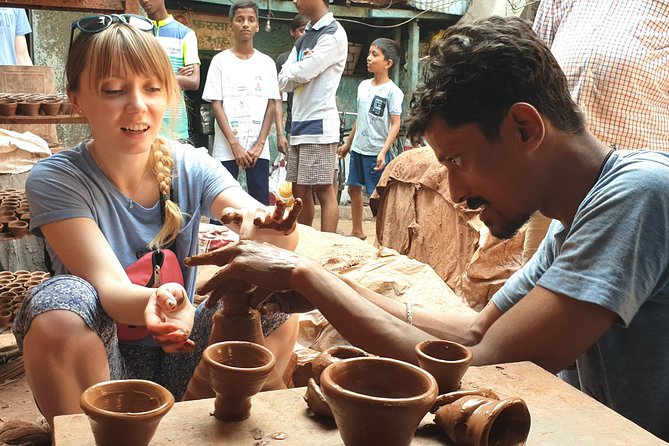
The experience is built around a local guide who leads the way, and that’s not just a marketing line. The walk is structured to connect places to lived explanation—how residents organize work spaces, how industries operate in close quarters, and how community institutions like schools fit into daily routines.
Local guides referenced by name include Sneha, Rahul, Divya, and Pooja. The standout theme across those profiles is clarity: guides are described as informative, fluent in English and regional languages (in some cases), and open to questions. That matters because Dharavi is the kind of place where curiosity is normal, and you’ll probably want to ask how something works, who uses a space, or why an area looks the way it does.
Another point I’d watch for in your mindset: the most valuable learning often comes from listening closely and asking simple, direct questions. This tour seems designed for that interaction style, not for silent picture-taking.
What to expect on the timeline (and how to pace your day)
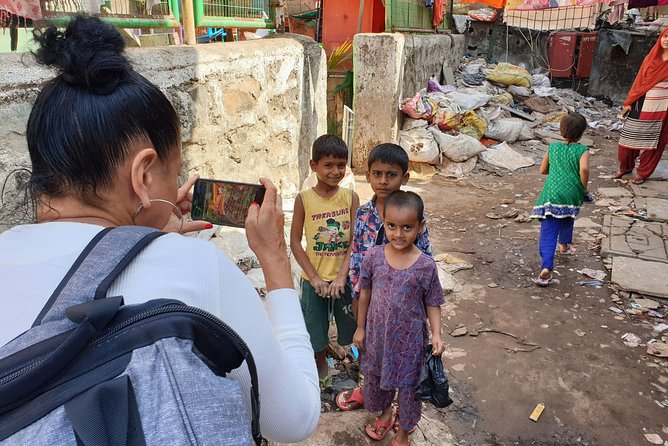
The day is built around two stops:
- Stop 1: Dharavi (about 2 hours) with the tour ticket noted as free
- Stop 2: Kumbharwada (about 15 minutes) focused on the pottery area, also noted as free
That pacing is helpful because it gives you a longer block to process the main story, then a shorter block to change perspective. If you’re prone to getting mentally overloaded on city walking tours, this schedule is actually pretty sane: it gives you one long segment, then a reset.
And because water is included, you won’t have to solve that problem mid-walk. Just plan your food around the fact that snacks and drinks aren’t part of the package.
Who this Dharavi tour fits best
This tour is a strong match if you want a Mumbai experience that goes beyond postcards. You’ll get a guided look at how daily life and work overlap in a neighborhood with major industry, including production tied to items like suitcases and Hindu shrines.
It also fits well if you enjoy tours where someone answers questions in real time. The tour format and guide emphasis point toward active conversation, not one-way lecturing.
If your ideal vacation is low-stimulation and mostly comfortable sightseeing, you might find the density and intensity of Dharavi challenging. This isn’t a theme park. It’s a living community and a working industrial area, and it will demand a respectful, grounded approach from you.
Should you book this Dharavi slum tour?
Yes—if you’re the kind of traveler who wants to understand how cities function where people work and live side by side, this is a smart value pick. The price is low for what’s included, and the tour’s structure—industries, residential areas, a school, plus a pottery stop—gives you multiple angles instead of a one-note pass.
I’d book it especially if you’ll start from Churchgate, because the train transport is included in that case and it reduces your hassle. If you’re short on time, this is also a workable length without turning into an all-day commitment.
And if you’re sensitive to crowded, intense environments, go in with realistic expectations: plan a calm day afterward, and remember this is a guided walk meant for learning, not comfort.
FAQ
How long is the Small Group Tour of Dharavi Slum?
The tour lasts about 2 hours 15 minutes.
How much does the Dharavi slum tour cost?
The price is $15.00 per person.
Is mineral water included?
Yes. Mineral water bottles are included.
Does the tour include transportation from Churchgate?
If you are picked up from Churchgate, train transportation is included.
Where do I meet the guide?
The meeting point is Young Tours & Travel, 90 Feet Rd, Muslim Nagar, Kumbhar Wada, Dharavi, Mumbai, Maharashtra 400017, India.
Where does the tour end?
The tour ends at the same Young Tours & Travel office address, and your guide helps you get back using taxi, bus, train, or walking.
What stops will I visit during the tour?
You’ll visit Dharavi (about 2 hours) and Kumbharwada, the pottery area (about 15 minutes).
Is food included?
No. Food and cold drinks are not included.
What kind of ticket do I get?
The tour uses a mobile ticket.
What is the maximum group size?
This activity has a maximum of 1 traveler.
What is the cancellation policy?
Free cancellation is available. You can cancel up to 24 hours in advance for a full refund; within 24 hours, you will not receive a refund.