REVIEW · CITY TOURS
All in one Combo of City ,Slum,Dhobighat & Dabbawala tour
Book on Viator →Operated by Bollywood Tours · Bookable on Viator
A city tour with real Mumbai street life. This combo mixes top sights with a Dharavi walk and a practical look at daily work like the laundry scene at Dhobi Ghat. You get a private guide, plus pickup and drop-off from your hotel, cruise terminal, or airport.
What I really like is the personal pacing. The guides listed for this route—Rahul, Sunil, Lawrence, and Anoushka—are praised for clear English, flexibility, and making the day feel human, not rushed. I also like that the day pairs easy, classic photo stops (railway architecture, sea views, gardens) with hands-on moments that help you understand how Mumbai runs.
One thing to consider: it’s a long day, and not everything is fully covered. Food isn’t included, Dhobi Ghat entry is marked not included, and you’ll want modest clothing and solid walking shoes for the areas on foot.
In This Review
- Key things that make this tour work
- A smart way to see Mumbai in one long day
- The classic start: Chhatrapati Shivaji Terminus and Gateway views
- Marine Drive to Chowpatty: sea air and quick local texture
- Dharavi on foot: what you actually learn from a walking tour
- Dhobi Ghat, dabbawalas, or Bollywood: your chosen lens on working Mumbai
- Value and price: what $76.93 covers (and what you must plan for)
- Timing, comfort, and ticket gotchas that can trip you up
- Who should book this combo?
- Should you book it? My take
- FAQ
- FAQ
- How long is the All in one Combo of City, Slum, Dhobighat & Dabbawala tour?
- Is pickup and drop-off included?
- What does the tour include for attractions and admissions?
- Do I need to pay for food during the day?
- What should I wear for the tour?
- Is this tour private or shared?
- What if I cancel close to the start time?
Key things that make this tour work
- Private guide, real pacing: you can ask questions and slow down when something catches your eye.
- Door-to-door pickup: hotel, cruise terminal, or airport pickup plus drop-off saves you stress.
- Big sights plus daily life: Victorian-Gothic rail, sea promenades, then Dharavi on foot.
- Choose your focus for the last segment: Dhobi Ghat, dabbawalas, or behind-the-scenes Bollywood options.
- Time-boxed stops: great coverage, but some locations are brief so plan to enjoy the moments you get.
- Comfort matters: dress modestly, bring water, and wear shoes that handle uneven walking.
A smart way to see Mumbai in one long day
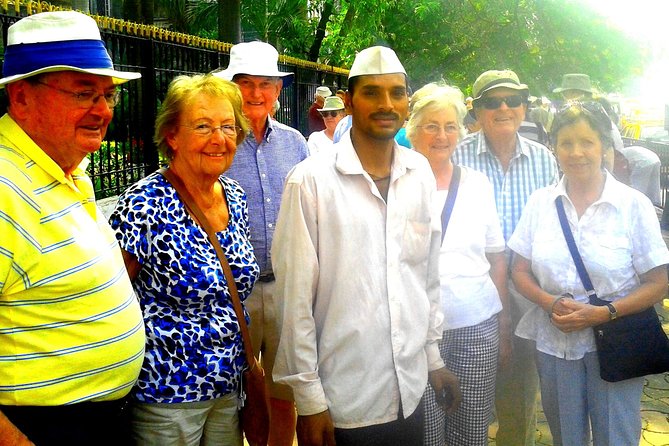
Mumbai can feel like two cities at once: the grand, postcard-friendly skyline views and the everyday systems that keep millions moving. This tour tries to stitch those pieces together in a single 8 to 10 hour window.
You’ll start with big-name, easy-to-follow sights and end with working Mumbai. That order helps. First you get your bearings, then you’re in the mindset to notice how daily life happens around those famous backdrops.
You can also read our reviews of more city tours in Mumbai



The classic start: Chhatrapati Shivaji Terminus and Gateway views

Your day commonly begins at Chhatrapati Shivaji Terminus, previously Victoria Terminus, one of India’s busiest railway stations. The point here isn’t just the crowds—it’s the architecture: an outstanding example of Victorian-Gothic style. An included admission ticket means you’re not left scrambling for entry at the start of the day.
Next comes the Gateway of India, with its sea-facing position on the Arabian Sea. It’s free to enter, and it’s a good pause to orient yourself visually—this is the landmark that anchors a lot of Mumbai’s tourist imagination. The walk-through also pairs naturally with what sits right nearby, including the Taj Mahal Palace, which opened in 1903 and is described as overlooking the Gateway.
Practical tip: bring your camera early. Between the station exterior and the waterfront views, light can shift quickly, and it’s easier to take your time before the later walking portion.
Marine Drive to Chowpatty: sea air and quick local texture
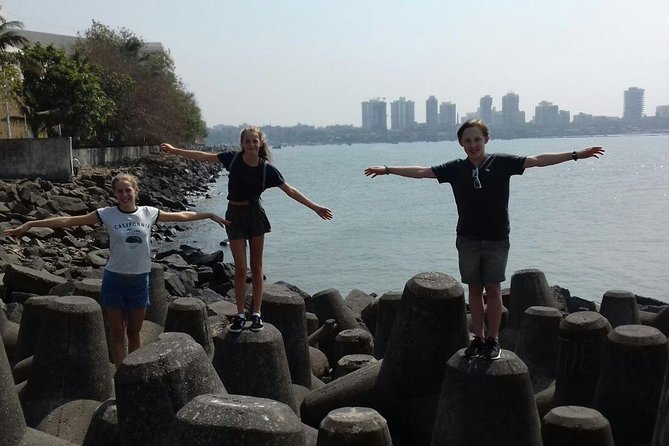
After the monuments, you head to Marine Drive, a coastal boulevard stretching from Nariman Point toward Malabar Hills. The road’s famous inverted C-shape is the kind of detail you miss if you only rush by. Even with a short stop, it’s the sort of place where the guide can point out what you’d never notice on your own.
Then you’re at Chowpatty Beach (Girgaum Chowpatty), a public beach locals use for picnics and hanging out. This is one of those moments where Mumbai’s scale hits: it’s not a quiet resort beach, it’s a city shoreline.
You’ll often add a viewpoint stop at Hanging Gardens (Pherozeshah Mehta Gardens), set on Malabar Hill, established in the 1880s. This terraced garden is a nice breather after the coastal road, because you get elevated views and a calmer pace for a bit.
Dharavi on foot: what you actually learn from a walking tour

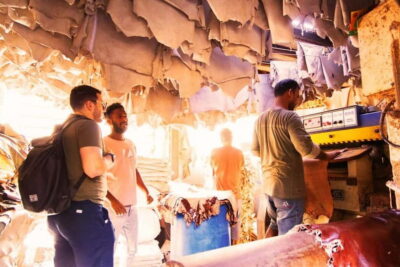
Then comes the part that makes this tour more than a box-checking day: Dharavi. The itinerary includes a walking tour of about 1 hour, with admission included. Expect a close look at slum life in Mumbai, with streets where daily work, movement, and community rhythms are visible.
This section works best when you show up with curiosity and respect. You’re not there for pity or shock—you’re there to understand how a densely populated neighborhood functions, how people organize daily needs, and how commerce and labor can exist on a smaller physical footprint than you might imagine.
Also, plan for practical movement. Even if the walk is not long, you’ll want shoes that can handle uneven paths and a bottle you can drink from without thinking. Modest dress is also requested, and it helps you blend in and stay comfortable for long enough to really watch what’s going on.
A balanced note: you’ll likely see hardship, but you’ll also see competence and daily routines. That mix is exactly why a guided visit matters: it helps you interpret what you’re seeing without turning it into a spectacle.
Dhobi Ghat, dabbawalas, or Bollywood: your chosen lens on working Mumbai
The combo gives you a choice for one major segment. Depending on what you book, you might visit Dhobi Ghat, meet dabbawalas (lunch delivery workers), or go behind the scenes of Bollywood.
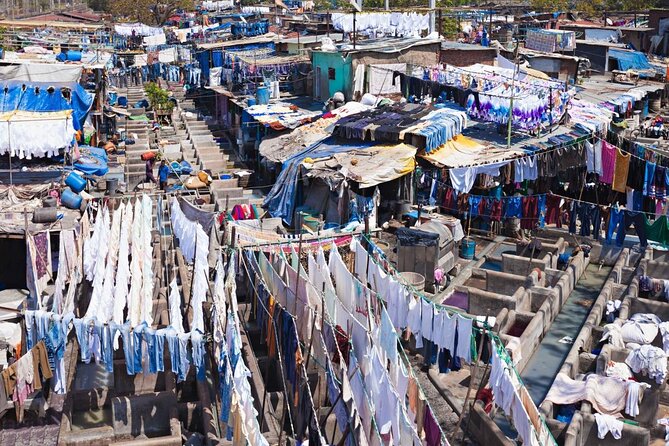
In the version built from the stops listed here, Dhobi Ghat is next. This is described as the largest open-air laundry in the world and is more than a century old in origin. You’ll spend around 15 minutes there, and importantly, Dhobi Ghat entry is not included, so expect that extra cost if you choose this option.
Even in a short visit, Dhobi Ghat can be eye-opening because it’s a working system you can watch. Laundry isn’t only a household chore here—it’s a visible job with routine and physical craft. For many people, this becomes a bridge between the “big landmark” part of Mumbai and the daily-labor part you saw in Dharavi.
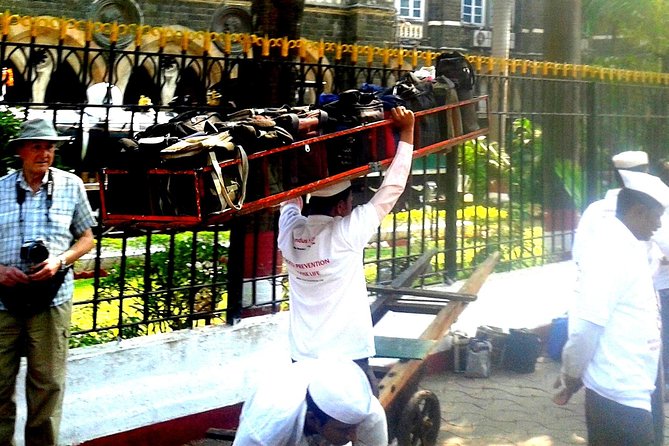
If you instead choose the dabbawalas segment, the emphasis shifts to how lunch delivery works—another kind of daily infrastructure. If you choose Bollywood, you’re looking at Mumbai’s entertainment engine from the inside rather than the street-side systems.
How to decide:
- Pick Dhobi Ghat if you want a hands-on look at a visible craft and long-running tradition.
- Pick dabbawalas if you want a systems-and-logistics story that shows how reliability works.
- Pick Bollywood if you want a peek into creative production rather than labor routines.





Value and price: what $76.93 covers (and what you must plan for)
At $76.93 per person, this tour is positioned as strong value because it bundles multiple types of costs. You get a private air-conditioned cab (including fuel), driver allowance, and parking charges. Pickup and drop-off are included from any location in Mumbai, including hotel, cruise terminal, or airport.
Guide fees are also included, and admission tickets are partially covered: Chhatrapati Shivaji Terminus includes an admission ticket, and Dharavi includes an admission ticket. Stops like Gateway of India and several scenic points are listed as free.
What’s not included is equally important. Food and beverages are not included, so budget time for a meal on your own. Also, Dhobi Ghat laundry entry is not included when that option is selected.
So in real-world terms, your total cost will depend on which final segment you choose and whether you’ll need to cover entry for Dhobi Ghat (if it’s part of your plan). Still, the price makes sense if you value door-to-door convenience and a guide to connect the dots between very different neighborhoods and viewpoints.
Timing, comfort, and ticket gotchas that can trip you up
This is an 8 to 10 hour day, so build it into your schedule as your main activity, not a half-day add-on. The structure uses short stops—often 30 to 45 minutes at landmarks—then a longer walking component at Dharavi. That keeps variety high, but it also means you won’t linger at every spot.
A common practical expectation: you get around by cab, and you should not count on train travel being part of the plan. One past issue raised was a mismatch in expectations about a train ride not being included. To avoid that, double-check what transportation is actually used for your departure time.
Also be ready for Mumbai weather. The tour advises you to bring a hat and plenty of water and to wear comfortable walking shoes. You’ll be outdoors at sea locations, gardens, and during the walk portion—so treat hydration as a must.
Finally, dress code matters. The tour asks for modest dress. It’s not about making things formal; it’s about being comfortable and respectful for mixed public spaces and the walking areas.
Who should book this combo?
This is a great fit if you want:
- A day that mixes tourist classics with real, on-the-ground Mumbai
- A guide who can explain what you’re seeing without turning it into a lecture
- Convenience—pickup and drop-off plus air-conditioned transport—so you can focus on the sights and the walk
It’s also a good match for people who like flexibility. The guides connected with this route are praised for tailoring the day to needs and making sure you get enough time to look around, not just move along.
If you hate walking, though, this might not be your favorite format. The tour isn’t just sitting in a car. There’s a walking portion in Dharavi and a lot of moving between stops, so you’ll want shoes you trust and the stamina for a long day.
Should you book it? My take
If you want a single-day Mumbai plan that doesn’t stop at buildings and views, I think this combo is worth booking. You get the landmarks that help you understand the city visually, then you get a guided look at daily life in Dharavi and a working-labor option through Dhobi Ghat (or the dabbawalas/Bollywood alternatives).
The main reason I’d hesitate is simple: it’s long, and parts of the cost add up on your end. Food isn’t included, Dhobi Ghat entry isn’t included in the Dhobi option, and some sights are brief. If you go in knowing it’s a “many-stops, not-one-place” day, you’ll be happier.
FAQ
FAQ
How long is the All in one Combo of City, Slum, Dhobighat & Dabbawala tour?
It runs about 8 to 10 hours total.
Is pickup and drop-off included?
Yes. Pickup and drop-off are included from any location in Mumbai, including hotels, cruise terminals, the airport, or your home.
What does the tour include for attractions and admissions?
Admission tickets are included for Chhatrapati Shivaji Terminus and Dharavi. Gateway of India and several scenic stops listed are free. Dhobi Ghat is marked as admission not included.
Do I need to pay for food during the day?
No. Food or beverages are not included, so you’ll need to arrange your own meal.
What should I wear for the tour?
The tour asks for modest dress and recommends comfortable walking shoes.
Is this tour private or shared?
It’s private. Only your group participates.
What if I cancel close to the start time?
You can cancel for a full refund if you cancel at least 24 hours before the experience starts. If you cancel less than 24 hours before, the amount paid is not refunded.