REVIEW · BOLLYWOOD TOURS
All In One Combo Tour of Mumbai City, Dabbawalas, Dhobhi Ghat, Slums & Bollywood
Book on Viator →Operated by World of Bollywood Tours · Bookable on Viator
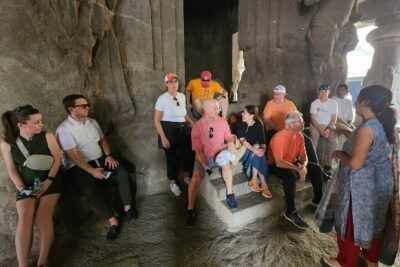
Mumbai hits you fast. This tour strings its most talked-about stories into one day. You’ll start with classic seaside views, then jump to Dhobi Ghat and the lunch-box world of the dabbawalas, and you’ll end with time at a Bollywood studio. I especially like the round-trip hotel transfers and the fact that lunch, snacks, and bottled water are included, so you’re not scrambling for meals between stops.
The only watch-out: it’s a 7 to 8 hour whirlwind, so most sights get a short, focused visit. If you want long hangs for photos and extra wandering, you’ll need to build that time after the tour.
In This Review
- Quick hits before you go
- Your “one-day Mumbai” plan: what this combo tour really does
- Price and value: is $150 a fair deal for 7 to 8 hours?
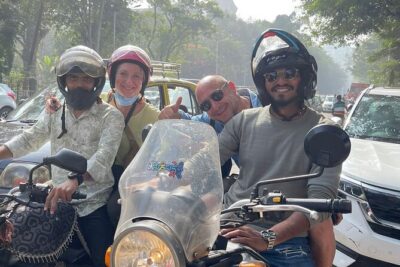
- Pickup, private flexibility, and how the day stays smooth
- Marine Drive: your fast start on Mumbai’s shoreline
- Gateway of India: a monument stop that sets the tone
- Mani Bhavan Gandhi Museum: the meaningful pause
- Oval Maidan: where cricket energy lives
- Bandra Fort and Bandstand Promenade: viewpoints and sea-walk vibes
- Colaba Causeway Market: shoes, bags, and quick browsing
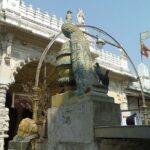
- Jain Temple – Mumbai: a calm interruption in the route
- Dabbawala Tribute Statue: learning the lunch-box system fast
- Dhobi Ghat (Byculla): open-air laundry at human scale
- Dharavi slum area: what you’ll learn from the guided window
- The included food and Bollywood stop: why they make the day feel complete
- What to wear, bring, and expect from the route
- Who this tour fits best
- Should you book this Mumbai City + Dabbawalas + Dhobi Ghat + Dharavi + Bollywood tour?
- FAQ
- What does the tour price include?
- How long is the tour?
- Is this tour private?
- What stops will I see on the day?
- Is lunch included, and can I request vegetarian?
- Does the tour run in bad weather?
Quick hits before you go
- Dhobi Ghat at Byculla: See the world-famous open-air laundry operation in real life.
- Dabbawala workflow explained: Learn how lunch boxes move with speed and coordination.
- Bollywood studio time: Get a peek behind film production without needing insider connections.
- Gandhi at Mani Bhavan: A compact stop that packs real meaning into a short visit.
- Old-school Mumbai streets: Colaba Causeway market is the fast way to shop and browse.
- Short stops across big contrasts: You’ll cover iconic landmarks plus Dharavi in one day.
Your “one-day Mumbai” plan: what this combo tour really does
This isn’t a slow, sit-and-stare sightseeing day. It’s built like a sampler platter: you move, you look, you learn just enough to get your bearings, and then you move on again. That makes it a smart choice when Mumbai feels huge and you only have a limited number of hours.
The tour is also designed around how Mumbai actually works: the city’s landmarks (seaside, forts, promenades) sit next to systems that keep daily life running (lunch-box logistics and laundry). And instead of treating Dharavi as a single checkbox, the day gives you a short, guided window into the area’s scale.
If you care about variety, you’ll likely enjoy this format. You’re going to see very different parts of Mumbai with the same guide in the same day, which helps the city make sense.
You can also read our reviews of more city tours in Mumbai



Price and value: is $150 a fair deal for 7 to 8 hours?
$150 per person sounds like a chunk until you look at what’s wrapped into the day. You’re paying for hotel pickup and drop-off, a private-friendly guide, round-trip transfers, and time at multiple paid/structured experiences. The price also includes lunch, snacks, bottled water, tea and coffee, and also entry fees and other on-the-ground costs.
Where value really shows up is in the spacing. When you do a route like this on your own, the “hidden costs” pile up fast: transport time, finding the right meeting points, buying tickets for separate stops, and figuring out food that fits your schedule. Here, you’re getting the scaffolding for a full day so you can spend your mental energy looking at the city, not solving logistics.
The one thing to accept up front: you’re paying for coverage, not for hours of free roaming. If your dream day in Mumbai is mostly markets and long walks, you might prefer a lighter plan and add a separate neighborhood stroll.
Pickup, private flexibility, and how the day stays smooth
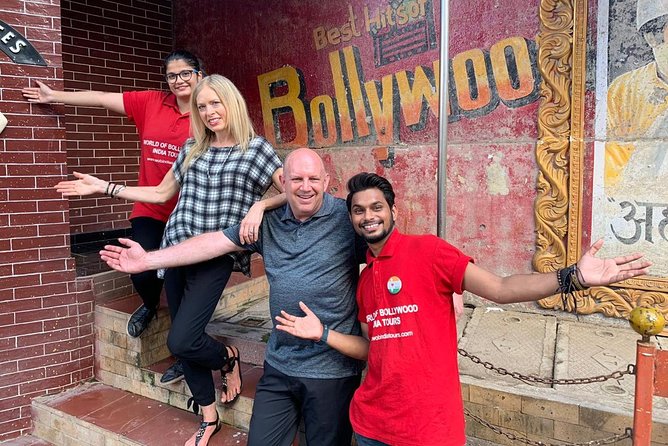
You get round-trip pickup from your hotel (or another location), and the day runs as a private tour, meaning it’s only your group. That matters more than it sounds. With a private setup, you can adjust pacing if your group needs breaks, or if you want a little extra time at a scenic point like Marine Drive or Bandra Fort.
There’s also a practical side: you’ll have unlimited mineral water and soft drinks, plus tea, coffee, and refreshments. On a hot, active day, that’s not a luxury. It’s what keeps you comfortable between areas that can feel like totally different worlds.
Finally, the tour uses mobile tickets. That’s small, but it reduces friction when you’re bouncing between stops.
Marine Drive: your fast start on Mumbai’s shoreline
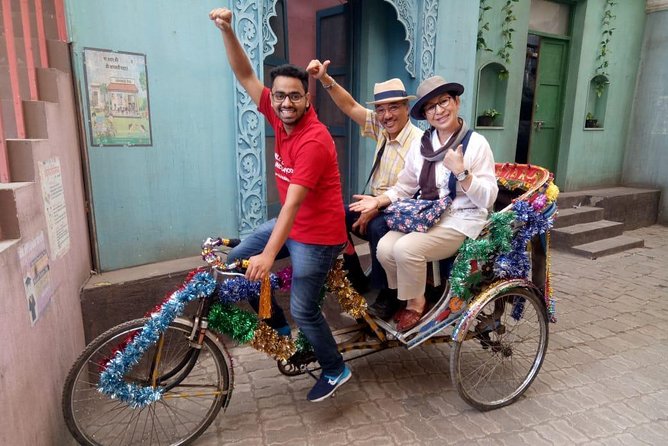
Marine Drive is a classic introduction to the city’s coastline. You’re given a short look—about 5 minutes—but it’s the kind of scene that helps you orient right away: sea air, skyline lines, and the sense that Mumbai is built around its water.
Because the stop is brief, I’d use it to do two things: get a couple of photos and take in the sweep of the bay long enough to understand the “lay of the land.” It’s not the place for a long wandering session. Treat it like your warm-up lap.
Admission here is free, so you’re not losing time on ticketing.
Gateway of India: a monument stop that sets the tone
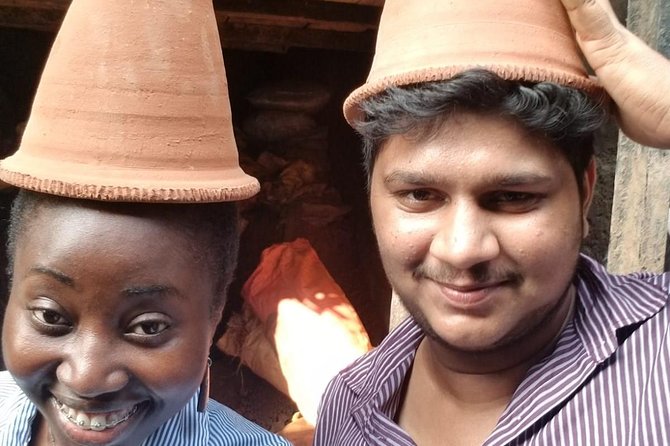
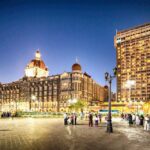
The Gateway of India is next, also with a short 5-minute visit. It’s a “see it, understand it, move on” stop, and it works because you’ll connect it to what comes later in the day. This is a landmark that people recognize from photos, but on the ground it also anchors the feel of Colaba and the southern peninsula.
It’s free to enter on this itinerary, so again, you’re not bogged down. The best value of this kind of stop is mental: you start learning Mumbai through its big images before you get into everyday-life scenes.
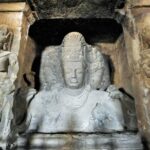

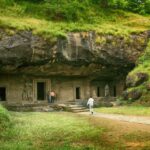

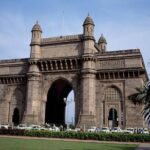

Mani Bhavan Gandhi Museum: the meaningful pause
Then you shift gears at Mani Bhavan Gandhi Museum, about 15 minutes. This is tied to Gandhi House, and it’s included—so admission is built into the day.
A stop like this is a smart counterweight to the rest of the route. It grounds the day in a central thread of India’s modern story instead of only showing monuments, markets, and busy street life. In a long tour day, you want at least one stop that makes you slow down for a moment, even if you only have fifteen minutes.
Oval Maidan: where cricket energy lives
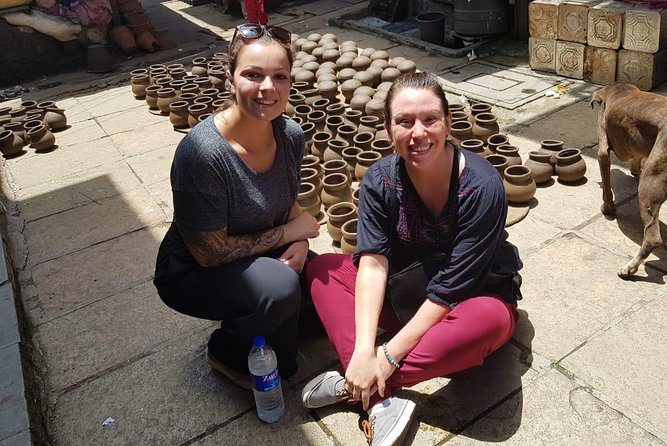
Oval Maidan is another quick one, around 5 minutes, but it’s notable because it’s a huge open ground where people come to play cricket—especially on weekends. Admission is free here, so it’s mainly about atmosphere and observation.
This is a good “breather” stop between heavier scenes. You get a sense of how common games and public spaces are in Mumbai life. If your group enjoys quick photo angles and wide-open views, you’ll appreciate the contrast after more structured areas.
Bandra Fort and Bandstand Promenade: viewpoints and sea-walk vibes
You’ll stop at Bandra Fort for about 10 minutes. The goal is mostly pictures and views. Then later, you move to Bandstand Promenade for around 5 minutes, where people jog, walk, and just hang out.
These are two different flavors of the same idea: Mumbai’s relationship with the coast. Bandra Fort gives you elevation and drama in the frame, while Bandstand feels more like a daily-life corridor—less monument, more motion.
Both are free on this tour, so it’s again a time-efficient way to see why these places keep showing up in Mumbai photo sets.
Colaba Causeway Market: shoes, bags, and quick browsing
Colaba Causeway Market is one of the most practical stops if you want souvenirs. You get about 5 minutes, and it’s described as a colorful market selling things like shoes, bags, clothes, and jewelry.
With a stop this short, I’d treat it like a “look first, decide later” area. If you want to do deeper shopping, you’ll probably need a separate shopping session after the tour. But as a first pass, it’s excellent for getting a handle on prices, styles, and what’s readily available near the southern sights.
Admission is free, so you’re paying with time, not tickets.
Jain Temple – Mumbai: a calm interruption in the route
Next is Jain Temple – Mumbai, about 5 minutes. The stop is listed as free, and it’s mainly about stepping into a place of worship and noticing how Mumbai’s neighborhoods include religious life right alongside street activity.
Because the visit is short, keep it respectful and simple. Focus on getting oriented: what the space feels like, how people are moving through it, and how it contrasts with the surrounding sightseeing areas.
Even a quick temple stop can change the tempo of a day.
Dabbawala Tribute Statue: learning the lunch-box system fast
Now the tour turns toward systems, not just scenery. At the Dabbawala Tribute Statue, you get about 10 minutes. This is where you’re shown how dabbawalas work, focusing on efficiency without using technology.
That concept can sound abstract until someone frames it clearly. A tour stop like this is valuable because Mumbai can be hard to understand from landmarks alone. Once you see the idea behind lunch-box delivery—timing, handoffs, coordination—you start thinking differently about the city’s everyday networks.
It’s free, but it’s still one of the key “insider” moments of the day, especially if you’re the type who likes how things work, not only what looks good in photos.
Dhobi Ghat (Byculla): open-air laundry at human scale
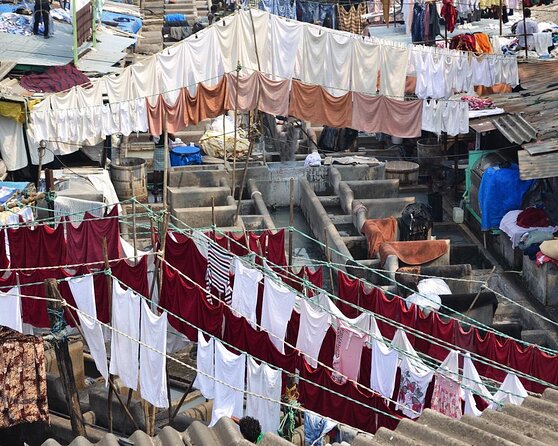
At Byculla/Dhobi Ghat, you’re looking at the biggest open-air laundry in the world (as described in the tour). The stop is about 5 minutes, and admission is free on this itinerary.
Even though the time is short, this is the kind of place where you notice details quickly: what people do, how water is used, and how laundry is handled in an outdoor setting. The main drawback is the same as everywhere on a packed day: five minutes goes fast. So I recommend you pick your priorities quickly—one or two angles for photos, and then just watch the flow for a moment.
Also, this is one of the stops where weather can affect comfort. The itinerary says it operates in all weather conditions, but practical cancellations can happen if conditions are poor. Dress accordingly.
Dharavi slum area: what you’ll learn from the guided window
Finally, you head to Dharavi, about 15 minutes, with admission included. The tour describes Dharavi as the second biggest slum in the world.
This part of the day is sensitive by nature. The value comes from a guided approach that helps you interpret scale and daily life instead of treating it like a spectacle. You’ll likely leave with more context than you started with, even though the time is brief.
The main consideration is emotional and personal. If you have a low tolerance for poverty-related visuals or crowded scenes, plan your pace mentally. If you’re okay with learning through direct observation (with a guide’s framework), this stop can be one of the most memorable parts of the itinerary.
The included food and Bollywood stop: why they make the day feel complete
One reason this combo tour works is that it doesn’t end at the last landmark and call it a day. It builds in a proper break: lunch and snacks plus bottled water, and also tea and coffee. That helps you stay energized when the route shifts quickly from coast to markets to Dhobi Ghat to Dharavi.
Then there’s the Bollywood component. The day includes time at a Bollywood studio, which is one of the tour’s highlights. For many people, this is where Mumbai feels less like a set of famous images and more like a living industry. It turns the city into something you can connect to global pop culture—while still seeing it through a local guide’s lens.
From what’s emphasized in the available feedback, the most-liked moments tend to be the included Indian meal and the Bollywood studio time. It’s a helpful sign: you’re getting both daily-life insight and a Mumbai-specific industry stop that doesn’t feel generic.
What to wear, bring, and expect from the route
This tour operates in all weather conditions, so plan to dress appropriately. If you’re going to Dhobi Ghat and parts of the route involve uneven areas, comfortable shoes matter. You’ll also want to be ready for a moderate walking pace, since there’s a note that travelers should have moderate physical fitness.
Also keep in mind the “short stop” nature of the day. You won’t have much time between transitions, so it helps to keep your essentials easy to reach: water bottle is covered, but keep a small bag organized.
Alcohol isn’t included (beer or alcohol is available to purchase), so plan for that if it matters to your group.
Who this tour fits best
This is a strong pick if:
- You’re doing Mumbai for the first time and want a high-contrast crash course.
- You have limited time and want hotel pickup plus a local guide doing the routing.
- You want both landmark sightseeing and look-ins at everyday systems like the dabbawala network and open-air laundry.
It might not be ideal if:
- You prefer long, slow visits with lots of independent wandering.
- You need lots of flexibility to skip stops. The itinerary is fixed, though private touring still helps with pacing.
Should you book this Mumbai City + Dabbawalas + Dhobi Ghat + Dharavi + Bollywood tour?
If you’re trying to make your time in Mumbai count, I’d lean toward booking. The price-to-inclusions ratio is solid because you get transfers, guide time, food, and entry fees, not just a list of sights. And the mix is smart: you’re seeing both iconic Mumbai and the working-life routines that keep the city humming.
Just go in with the right expectations. This is a one-day route with short visits at each stop, so treat it as a way to get orientation fast and leave you curious for follow-up exploration. If that sounds like your style, this tour is a practical way to get the best-known Mumbai stories into one day without turning your vacation into a transport puzzle.
FAQ
What does the tour price include?
The price includes pickup and drop-off, a private friendly guide, unlimited mineral water and soft drinks, tea coffee and refreshments, and all entry fees, taxes, toll fees, parking fees, and allowances.
How long is the tour?
The duration is about 7 to 8 hours.
Is this tour private?
Yes. It’s a private tour/activity, and only your group will participate.
What stops will I see on the day?
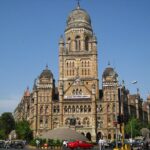
You’ll visit places including Marine Drive, Gateway of India, Mani Bhavan Gandhi Museum, Oval Maidan, Bandra Fort, Colaba Causeway Market, Jain Temple – Mumbai, Bandstand Promenade, a Dabbawala Tribute Statue, Byculla/Dhobi Ghat, and Dharavi.
Is lunch included, and can I request vegetarian?
Lunch, snacks, and bottled water are included. A vegetarian option is available if you advise at the time of booking.
Does the tour run in bad weather?
It operates in all weather conditions, and the cancellation policy also notes that if the experience is canceled due to poor weather, you’ll be offered a different date or a full refund.