REVIEW · MUMBAI BIKE & CYCLE TOURS
Mumbai Bicycle Tour
Book on Viator →Operated by Reality Tours & Travel Pvt Ltd · Bookable on Viator
Mumbai is a city you feel before you understand. This early-morning bicycle tour threads together Fort-area back streets and iconic landmarks while the city is still calm. Guides like Raj and Rishi are praised for making the details click, so you’re not just riding past sights—you’re getting the why behind them.
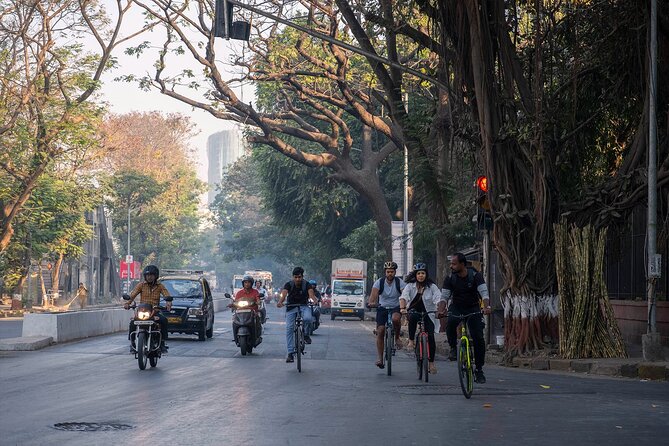
I especially love the timing. You start at 6:15am, when it’s cooler and the streets aren’t jammed yet, so the ride feels relaxed even with Mumbai traffic nearby. And I like that breakfast is built into the plan at the end, at Madras Cafe, so you finish the morning with something real and local to eat.
One thing to keep in mind: helmets can be hit-or-miss. A few people noted sizing issues, so if you have strong preferences for fit, consider that as you pack.
In This Review
- Key things that make this bike tour worth your time
- Morning on two wheels: why the 6:15am departure works
- What you’re really paying for: value at about $39
- Colaba to the Gateway of India: classic waterfront, no rush
- Fort back streets to CST: seeing the city’s engine up close
- Crawford Market: fast look, big smells, real food culture
- Bombay Panjrapole and the morning calm you didn’t expect
- Mumbadevi Temple: the city’s name, explained on the ground
- Marine Drive at dawn: sea views without the evening crush
- Sassoon Dock: where the city’s work shows, smell and all
- Bikes, roads, and safety: what to expect on Mumbai streets
- Who this tour suits best—and who might pause
- Should you book this Mumbai bicycle tour?
- FAQ
- How long is the Mumbai Bicycle Tour?
- What time does the tour start?
- Where do you meet, and where does the tour end?
- What’s included in the price?
- Is hotel pickup or drop-off included?
- What are the minimum age and the ride difficulty like?
Key things that make this bike tour worth your time
- 6:15am start from Colaba so you beat heat and some crowds
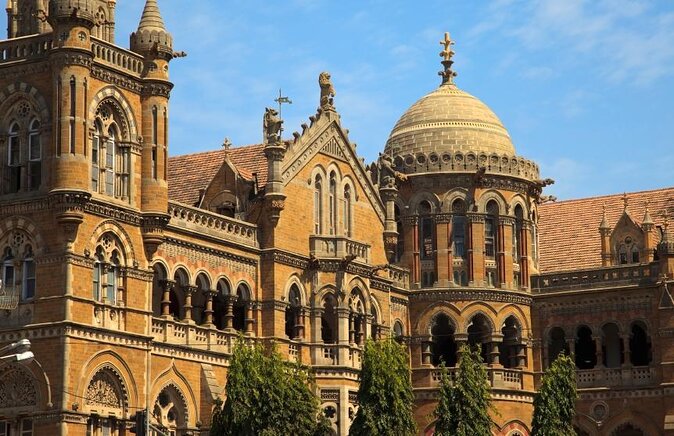
- Fort lanes + Chhatrapati Shivaji Terminus with UNESCO-worthy architecture right on your route
- Crawford Market and Panjrapole for everyday Mumbai life beyond the postcard stuff
- Temple stop at Mumbadevi Temple tied to the story behind the city’s name
- Marine Drive by sea with views that feel different before the evening crowds
- Sassoon Dock chaos (fish work included) plus a proper breakfast to end
Morning on two wheels: why the 6:15am departure works
Mumbai’s not a slow city. So the smartest way to see it is early, while the day is still stacking up.
You meet in Colaba at Cusrow Baug Colony, Apollo Bandar. Then you roll out on bikes and helmets provided by the tour, with an English-speaking guide talking you through what you’re seeing. Starting at 6:15am also means the ride stays comfortable, and you’re more likely to get the kind of photos where buildings and people don’t blur together.
You’ll also catch the morning commute energy—without being trapped in it. The tour heads toward Chhatrapati Shivaji Terminus, where thousands of passengers pour in. Watching that flow from the street level on two wheels feels more immediate than standing in one spot.
You can also read our reviews of more tours and experiences in Mumbai.

What you’re really paying for: value at about $39
At $39.14 per person for about 3 hours 45 minutes, you’re not just buying a ride. You’re buying a tight route that hits major South Mumbai sights, plus the stuff you’d usually skip because it’s hard to reach or hard to understand alone.
What’s included is practical: bicycle, helmet, an English-speaking guide, and breakfast at the end. You’re also not expected to arrange your own transportation to the starting point with the tour operating as a meet-up model (no hotel pickup or drop-off).
For this price, the value comes from pacing. The stops are spaced so you can look around without turning it into a sprint, and the terrain is described as flat with a relaxed cycling pace. If you’re visiting for a short time, this kind of “see a lot, in order” morning can actually save you from planning overload later.
Colaba to the Gateway of India: classic waterfront, no rush
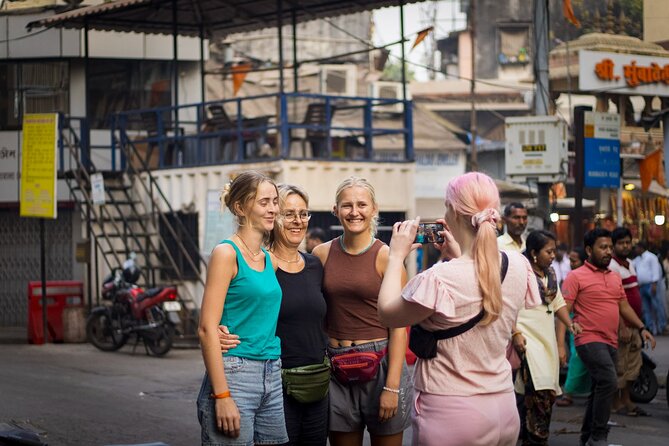
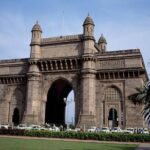
The tour begins near Colaba, then brings you past the Gateway of India, a landmark shaped by both Hindu and Islamic architectural styles. It sits on the waterfront of southern Mumbai, and since 1924 it’s been the first big thing visitors often noticed when arriving by boat.
Even if you’ve seen photos, this stop lands better at dawn. There’s a calmer feel by the sea, and your guide can connect the architecture to the city’s wider story in a way that makes the stone feel less random.
Fort back streets to CST: seeing the city’s engine up close
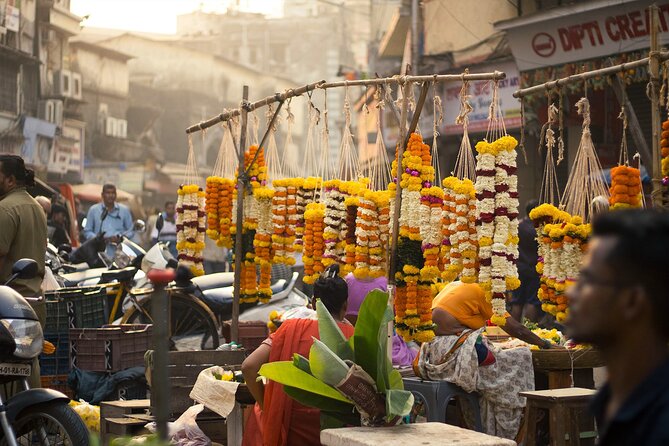
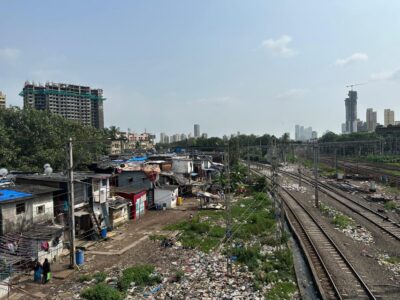
After the early start, the route shifts into the Fort area side streets—away from the major roads. That’s a big deal in Mumbai. The goal isn’t speed. It’s getting you into the neighborhoods where the city lives, while still keeping the ride manageable.
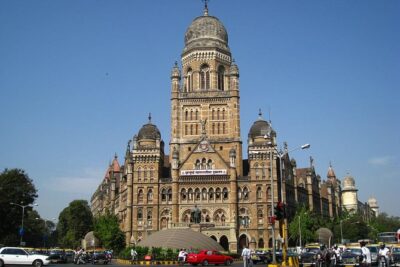
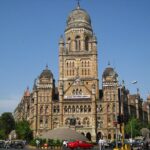
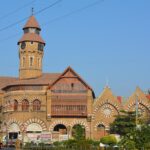
Then comes Chhatrapati Shivaji Terminus (CST), formerly called Victoria Terminus. It’s one of the most beautiful railway stations in India, with Victorian Gothic style, and it was used as a recognizable backdrop in Slumdog Millionaire. You also get the quiet shock of scale when you see how many people are moving in and out as the day starts.
From a cyclist’s point of view, CST is a great anchor stop. You can pause, look up, and take in the details without the usual feeling of needing to fight your way through crowds.
Crawford Market: fast look, big smells, real food culture
Crawford Market is one of the city’s largest wholesale fruit, vegetable, and meat markets. The scale here can hit you instantly, because this isn’t a curated space. It’s work.
You also get a fun historical point: it was the first building in India to get electricity. That’s the kind of detail your guide can point out while you’re there, which helps turn the market from just visual noise into something with meaning.
Practical tip: this stop can be intense for your senses. If you’re sensitive to smells, keep your expectations realistic. The tour is only stopping briefly, but the fish and meat areas later can be more confronting, so consider it a warm-up.

Bombay Panjrapole and the morning calm you didn’t expect
Not every stop is loud. Panjrapole is a local cow shelter, and it’s described as sheltering more than 350 sacred cows and other animals. That contrast matters. After markets and commotion, this is a calmer pocket of the route.
The tour also includes a chance to feed the resident cows. Even if you’re not a big animal person, it’s a meaningful pause. In a city known for movement and traffic, this kind of stop gives your morning a breath.
If you do this, go slow and gentle. Let the cows approach instead of trying to move fast around them.
Mumbadevi Temple: the city’s name, explained on the ground
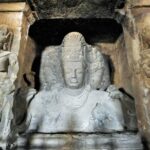
Next up is Mumbadevi Temple. This is the historical Hindu temple Mumbai was named after. That connection can make the architecture feel more personal—like you’re seeing the roots, not just a landmark photo.
This is also one of the stops where you can slow down without losing time. You dismount, look inside, and take in what you can. Your guide’s job here isn’t to lecture—it’s to connect the temple’s role to the city’s identity.
If you’re planning a day in South Mumbai anyway, this stop is a smart use of your energy. It adds context that’s hard to “DIY” in a short window.
Marine Drive at dawn: sea views without the evening crush
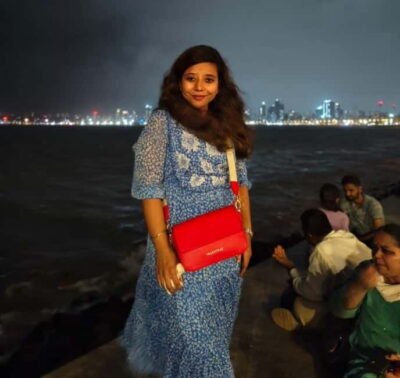
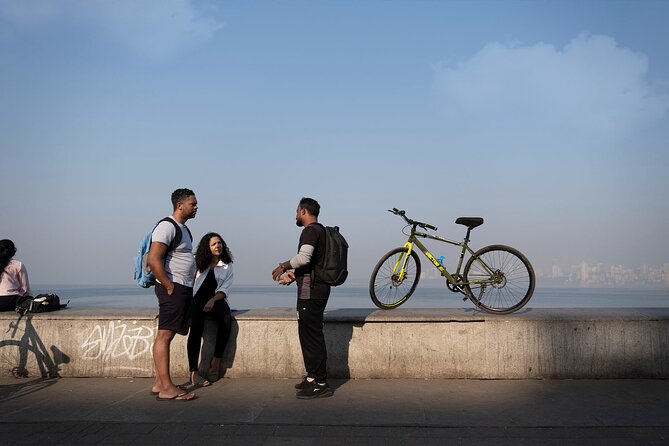
Marine Drive is a 3-kilometer stretch along the Arabian Sea. It’s scenic, and your ride takes you along the promenade where evening crowds often pack in with friends and couples.
At 6:15am timing, though, Marine Drive tends to feel like a different place. The tour description highlights how it’s much quieter in the morning, and that’s exactly what makes this section work: you get the sea, the curved skyline views, and space to actually take it in.
This is also a nice “reset” after temples and markets. Your legs keep moving, but your mind gets room to look.
Sassoon Dock: where the city’s work shows, smell and all
Sassoon Dock is where you feel Mumbai’s everyday labor. The tour includes time to experience the chaos of the market area: fishermen unloading fish, and women and children cleaning the shrimp. It’s one of those stops that can be either fascinating or challenging, depending on your comfort level.
This is not a polished tourist photo stop. It’s a working area, and the sensory part can be strong. If you’re worried about smell, prepare yourself. Bring a mindset that treats this as real life, not a sanitized exhibit.
That said, it’s also the kind of place that makes your trip feel honest. You’re not only collecting landmarks—you’re watching the city at work.
Bikes, roads, and safety: what to expect on Mumbai streets
Mumbai roads can be stressful. Even when the route uses side streets, you’ll still be dealing with crossings and vehicles that don’t follow polite rules.
The good news: the tour is described as cycling at a relaxed pace over flat terrain, and multiple guides are praised for keeping riders safe through tricky moments. People specifically mentioned feeling protected during crossings and that the roads, while crazy, were managed well.
A practical note from real feedback: helmets should be mandatory, and a few people said the helmets they got didn’t fit well. That doesn’t mean you shouldn’t go. It means you should check the helmet once it’s on your head. If it feels loose, too big, or unstable, raise it immediately so they can help adjust it.
Also, one review pointed out that the bikes may be gear-free. That’s fine for flat routes, but it does mean you’ll pedal consistently instead of “powering up” like you would on a geared bike.
Who this tour suits best—and who might pause
This is a strong fit if you want to see a lot of South Mumbai in one calm morning, especially if you care about history but don’t want a slow, lecture-heavy tour.
It’s also a great choice if you’re the type who likes connecting dots. The route includes major landmarks—Gateway of India, CST, Marine Drive—but it also goes into markets and a cow shelter where the city’s routine shows through. If you want that mix, this tour works.
You might want to rethink it if you’re expecting a gentle, mostly scenic ride with minimal intensity. Markets, and especially areas around fish, can be confronting. If smell is a deal breaker, plan on mentally bracing for it.
Should you book this Mumbai bicycle tour?
I’d book it if:
- you like starting early and grabbing the city while it’s cooler and less crowded
- you want guided context at stops you might not understand on your own
- you value logistics that are handled for you: bikes, helmets, a route, and breakfast at the end
I’d hesitate if:
- you strongly need a perfect helmet fit and don’t trust sizing to be consistent
- you’re uncomfortable with the sensory reality of markets, including fish and meat areas
- you dislike any road stress at all, even with guides managing crossings
If you fall in the first group, this is a high-value morning plan. You end with chai-style comfort and breakfast at Madras Cafe, and you leave with a clearer sense of how Mumbai moves—on foot, on bikes, and on rails.
FAQ
How long is the Mumbai Bicycle Tour?
It runs about 3 hours 45 minutes.
What time does the tour start?
The start time is 6:15am.
Where do you meet, and where does the tour end?
You meet at Cusrow Baug Colony, Apollo Bandar, Colaba. The tour ends at Madras Cafe, Aziz Mansion, Shahid Bhagat Singh Rd, Colaba Causeway area, where breakfast is included.
What’s included in the price?
The tour includes a bicycle, helmet, an English-speaking guide, and breakfast.
Is hotel pickup or drop-off included?
No. Hotel pickup and drop-off are not included.
What are the minimum age and the ride difficulty like?
The minimum age is 7 years. The ride is described as relaxed and over flat terrain.