REVIEW · DHARAVI SLUM TOURS
Mumbai Slum Tour –An insight of Dharavi Slum with Local Guide
Book on Viator →Operated by MUMBAI EXPERIENCES · Bookable on Viator
Dharavi is more than headlines. This 2-hour walking tour gives you a grounded look at daily work and community life, led by a local resident guide who explains what you’re seeing and why it matters. What I like most is the chance to watch small-scale industries in action—from recycling to textiles and snacks—up close, with context you won’t get from photos alone.
A big plus is that the experience is described as safe and responsible, and that can make a real difference if you’re traveling solo. One consideration: you’re walking through working neighborhoods, so expect tight lanes and lots going on at street level—plan to stay flexible and follow your guide’s lead.
In This Review
- Key highlights worth knowing
- Why Dharavi makes more sense with a local walking guide
- Price, time, and what your money actually buys
- Start at Third Wave Coffee, end at Kumbhar Wada
- The walk through work: plastic, textiles, and bakery stops
- Plastic recycling units: waste becomes material again
- Textile workshops: stitching, dyeing, printing
- Bakery units: khari biscuits and bread culture
- Narrow lanes with homes and places of worship
- Leather tanneries and export-quality goods you can actually see
- Markets, fresh produce, and the everyday economy
- Education and welfare: why community schools are part of the tour
- Group size, private tours, and how that affects your experience
- Who should book this Dharavi walking tour?
- Should you book the Mumbai Slum Tour of Dharavi with a local guide?
- FAQ
- How long is the Dharavi slum tour?
- How much does the tour cost?
- What’s included in the price?
- Is pickup offered?
- Is food included?
- Where do I meet the tour?
- Where does the tour end, and will I get help with transport?
- How big is the group?
- What if I need to cancel?
Key highlights worth knowing
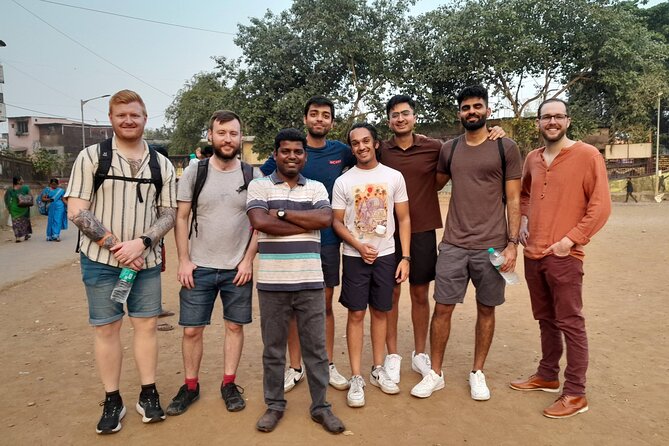
- A local English-speaking guide who explains daily life beyond stereotypes
- Plastic recycling units where waste is melted, molded, and reused
- Textile workshops showing clothes stitched, dyed, and printed
- Bakery stops for khari biscuits, bread, and local snacks
- Leather tanneries and small export-style factories you can see at work
- Community schools and education efforts tied to welfare and opportunity
Why Dharavi makes more sense with a local walking guide
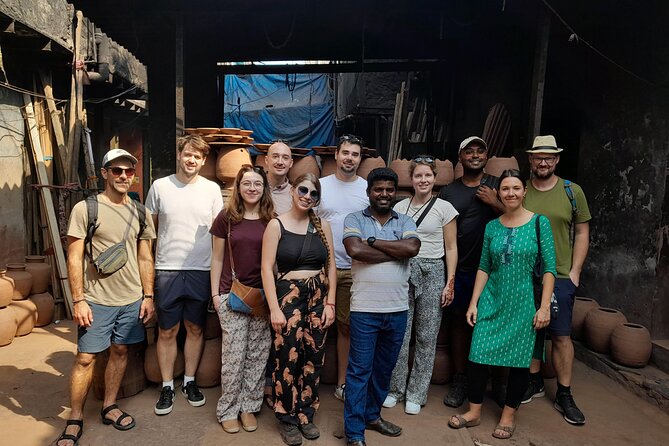
Dharavi can be hard to “read” if you’re only passing through it. From street level, it’s easy to see labor, craft, and trade—but harder to understand how all those pieces connect. This tour solves that with a guide who lives there and can translate the scene for you in plain terms.
The best part is the way the tour frames work as innovation, not just hardship. You’ll walk narrow lanes where homes, temples, and mosques sit close to workshops and production areas. Then your guide ties it together: how recycling feeds manufacturing, how textiles move from basic materials into finished goods, how markets keep daily essentials flowing, and how education initiatives support families who want a different future for their kids.
Safety is a stated focus. That doesn’t mean it’s a theme park. It means your guide leads the path and sets the tone for respectful, organized visiting—important in a place where people are working and living side by side.
If your guide happens to be Ruqaiyya (a name shared by a solo female traveler who felt comfortable and safe), you’ll likely get that “I’m being looked after and explained to” feeling that makes walking unfamiliar streets less stressful.
You can also read our reviews of more guided tours in Mumbai

Price, time, and what your money actually buys
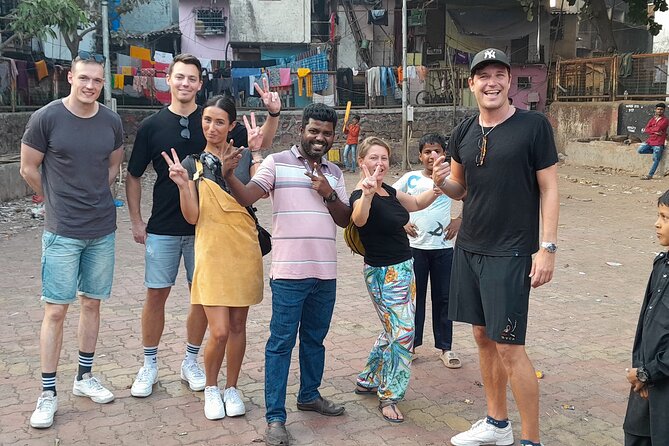
At about $10.04 per person for roughly 2 hours, this is one of those deals that only feels surprising until you see what’s included. You get an English-speaking local guide, bottled water, and an admission ticket is listed as included—so you’re not paying extra to enter each section you’ll be shown.
Two hours is also the right length for Dharavi if you’re going in with limited time. You won’t cover everything in the entire area, but you’ll see a tight set of working stops and community landmarks that help you build a real mental map. If you try to do Dharavi on your own, you might find it harder to locate key workshops quickly, and harder to know what you’re looking at once you get there.
One practical note: food isn’t included. The tour includes a bakery element (khari biscuits, bread, local snacks), but the listing doesn’t say you’ll be fed. So if you’re hungry, plan to eat before you go or after you finish.
Start at Third Wave Coffee, end at Kumbhar Wada
The meeting point is very specific: Third Wave Coffee, Tip Road, Unit no.58, Ground, Ram Mahal, Senapati Bapat Marg, Marinagar Colony, Station, Mahim, Mumbai, Maharashtra 400016. I like meeting points like this because you can orient yourself with Google Maps and arrive early without hunting.
The end point is also clearly set: Kumbhar Wada, Dharavi, where the tour wraps at the office area. The guide then helps you get transport back to where you need to go, whether that’s by car, Uber, taxi, or train. That last piece matters more than it sounds. In cities like Mumbai, the “what now?” moment after a neighborhood visit can be the hardest part—having local help can save time and worry.
Pickup is offered. If you’re choosing pickup, confirm how it works for your exact location before you lock in. If you’re taking public transit, the tour is noted as near public transportation, which helps.
The walk through work: plastic, textiles, and bakery stops
You’ll move through Dharavi’s economy at street level. The itinerary is built around seeing production steps, not just passing by buildings.
Plastic recycling units: waste becomes material again
One of the first types of work you’ll see involves plastic recycling units. The description is straightforward: waste gets melted, molded, and reused. Watching even part of that process helps you understand why Dharavi is often described as a recycling hub. It’s not abstract. It’s the practical loop of collection, processing, and remaking.
For me, this stop is valuable because it changes the way you think about “waste.” You start seeing it as raw input for manufacturing, which is exactly how small industries stay productive when formal resources are limited.



Textile workshops: stitching, dyeing, printing
Next, you’ll get textile workshops where clothes are stitched, dyed, and printed. The tour doesn’t just point at fabric. It highlights steps in the process, which makes the whole thing feel like craft work, not random street activity.
If you care about design, materials, or how everyday clothing gets made, this is one of the stops that clicks. You can look at patterns and finishes and realize someone local is doing that work right there.
Bakery units: khari biscuits and bread culture
Then it’s bakery units making khari biscuits, bread, and local snacks. Even if you don’t eat during the tour, you’ll probably leave with a sharper sense of routine: who buys what, when food gets produced, and how a community feeds itself locally.
This stop also adds a break from industrial heavy processing. It’s still work, but it feels more familiar and human-scale.
Narrow lanes with homes and places of worship
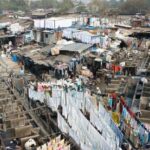
You’ll walk colorful narrow lanes where small homes, temples, and mosques line the route. This part isn’t just scenic. It explains how the community layout supports daily life. Places of worship and residences sit beside work areas, so you experience the neighborhood as living space, not a separate “industry zone.”
A drawback to keep in mind: narrow lanes mean less personal space and more attention to where you step and how you move. You’ll be grateful for a guide when it comes to walking smoothly through crowds and turns.
Leather tanneries and export-quality goods you can actually see
Leather is a major part of Dharavi’s reputation, and this tour includes leather tanneries and small factories producing export-quality goods. Instead of talking about leather as a distant industry, you’ll get a direct view of the work environment and the scale of small production.
This stop helps you connect craft and business. It’s one thing to hear a place makes goods; it’s another thing to understand that small workshops can produce items meant to compete beyond the neighborhood.
Because this is a working area, expect activity levels that are higher than a typical sightseeing street. You don’t need to be an expert. Just be ready to look, listen, and keep your movements careful.
Markets, fresh produce, and the everyday economy
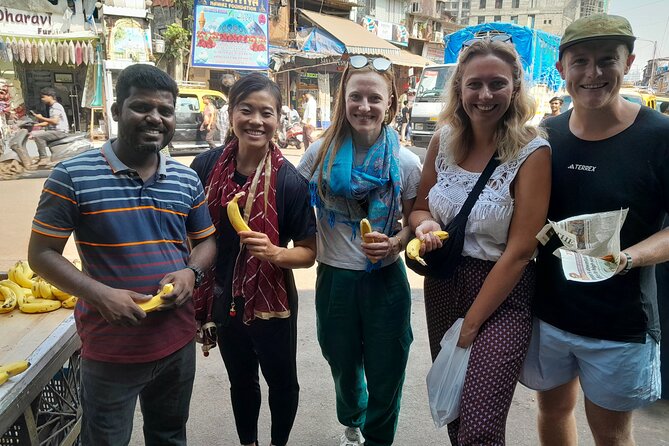
After the workshops and production stops, you’ll spend time at local markets selling daily essentials and fresh produce. This is where the neighborhood story becomes practical.
Markets explain how work translates into daily life: what people buy, what gets stocked, and what’s considered urgent enough to purchase immediately. It’s also a good moment for you to slow down and notice how different parts of the neighborhood function as a single system.
If you like travel photos, this is also a strong area—but keep your attention on people and the flow of the market, not only on the visuals.
Education and welfare: why community schools are part of the tour
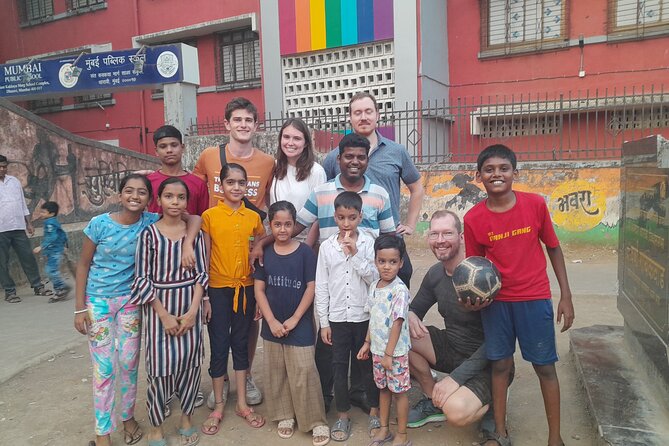
The tour includes community schools and efforts focused on education and welfare. This is important because it balances the labor-focused stops with something future-facing. You’ll understand that local initiatives aren’t only about surviving the present; they’re about expanding options for kids and families.
Even in a short tour, this section changes your takeaways. It’s easy to leave neighborhoods like this with only what you can see today. Education stops give you a reason to think about tomorrow.
Group size, private tours, and how that affects your experience
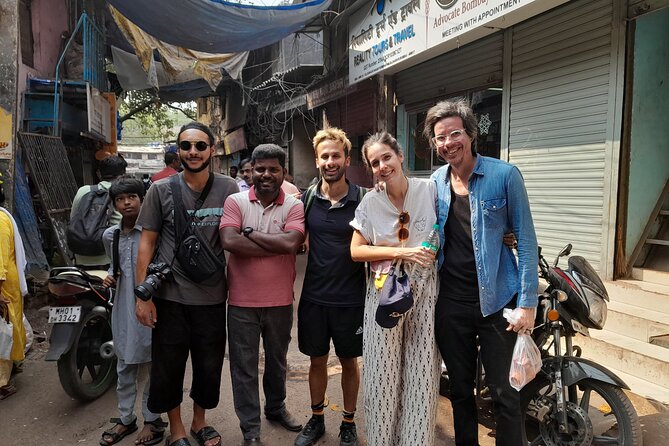
This activity caps at 50 travelers, and it notes both private and small-group options are available. Why should you care? Because in a dense neighborhood, smaller groups usually mean more time to ask questions and less pressure to “keep up” through tight lanes.
If you want the strongest learning experience, choose the smaller-group option when possible. If you’re comfortable with a busier pace, the overall cap still keeps the experience from feeling like mass tourism.
Who should book this Dharavi walking tour?
This tour is a strong fit if you want:
- A short, structured introduction to Dharavi in about two hours
- A local guide who can explain what you’re seeing without turning it into a stereotype
- A route that covers workshops, crafts, markets, and community life in one go
It may be a less ideal match if you:
- Don’t like walking through crowded, active areas
- Want a fully food-based experience (food and drinks aren’t included)
- Need very wide sidewalks or lots of personal space
Should you book the Mumbai Slum Tour of Dharavi with a local guide?
I think you should book it if your goal is understanding, not just sightseeing. The value is the combination of a responsible walking format, an English-speaking local guide, and visible stops that show how recycling, textiles, baking, leather work, and markets connect. At around $10.04 for two hours with bottled water and an admission ticket included, it’s also priced for real-world travelers on a real-world budget.
Go in with respect for the fact that people live and work here. Keep your expectations grounded: you’re learning from what’s in front of you, not collecting quick facts for a checklist. If you want a short tour that gives you a map of Dharavi’s working life and community priorities, this is a solid choice.
FAQ
How long is the Dharavi slum tour?
The tour lasts about 2 hours.
How much does the tour cost?
The price is listed as $10.04 per person.
What’s included in the price?
An English-speaking local guide, bottled water, and an admission ticket are included.
Is pickup offered?
Yes, pickup is offered.
Is food included?
No, food and drinks are not included.
Where do I meet the tour?
The start point is Third Wave Coffee, Tip Road, Unit no.58, Ground, Ram Mahal, Senapati Bapat Marg, Marinagar Colony, Station, Mahim, Mumbai, Maharashtra 400016, India.
Where does the tour end, and will I get help with transport?
It ends at Kumbhar Wada, Dharavi. The tour says the guide helps you get transport back to your place using options like car, Uber, taxi, or train.
How big is the group?
The tour has a maximum of 50 travelers.
What if I need to cancel?
Free cancellation is available up to 24 hours in advance for a full refund. If you cancel less than 24 hours before the start time, the amount paid is not refunded.