REVIEW · 2-HOUR EXPERIENCES
Mumbai: Dharavi Slum 2-Hour Walking Tour
Book on GetYourGuide →Operated by Mystical Mumbai · Bookable on GetYourGuide
Dharavi will change how you see cities. This 2-hour walk in Mumbai’s Dharavi neighborhood gives you an inside look at how people build community and work together, explained by a guide like Dinesh, who grew up in the area. You’ll also get the film-story context, including where Slumdog Millionaire was shot, without treating it like a theme park.
I especially like the focus on everyday systems—recycling and small manufacturing side by side with homes and faith spaces—because it helps you understand how life functions in a dense urban neighborhood. The one thing to keep in mind is the tour is rule-heavy: no cameras and modest dress (including avoiding short skirts), so plan your comfort and expectations before you go.
In This Review
- Key things that make this tour worth your time
- Entering Dharavi’s world on a 2-hour timeline
- Meeting at Café Coffee Day and getting oriented fast
- Narrow alleyways, strong community, and how the tour frames Dharavi
- The trades you’ll spot: recycling, dye, leather, and papadum
- The Slumdog Millionaire filming stop: movie context without the fantasy
- Schools, churches, and daily life beyond stereotypes
- Safety, comfort, and the rules that shape your experience
- Price and what $65 really buys you
- Logistics: where it starts, where it ends, and why timing matters
- Who should book this Dharavi 2-hour walk?
- Should you book the Mumbai Dharavi 2-hour walking tour?
- FAQ
- How long is the Dharavi walking tour?
- Where do I meet the guide?
- What is the group size limit?
- Is the tour wheelchair accessible?
- Are cameras allowed?
- What language is the tour guide?
- What should I bring and wear?
Key things that make this tour worth your time
- A local-style walkthrough led by guides tied to the neighborhood, with real answers to real questions
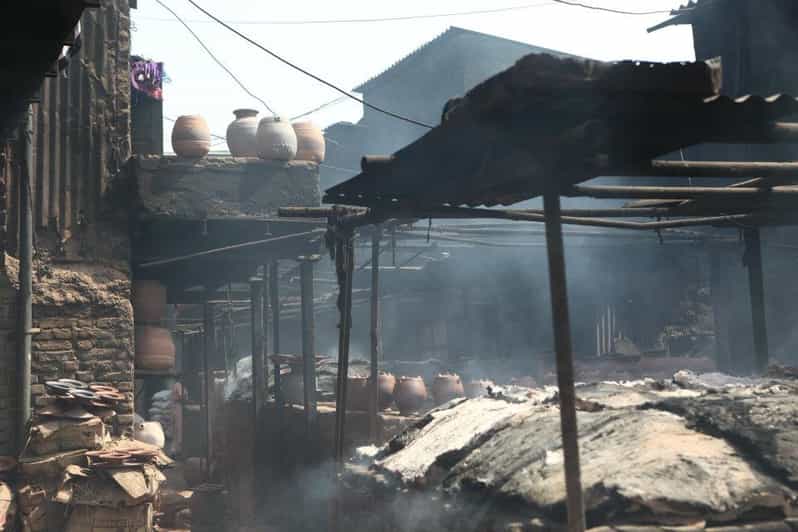
- Hands-on glimpses of trades, from recycling vegetable oil cans to dye production and soap making
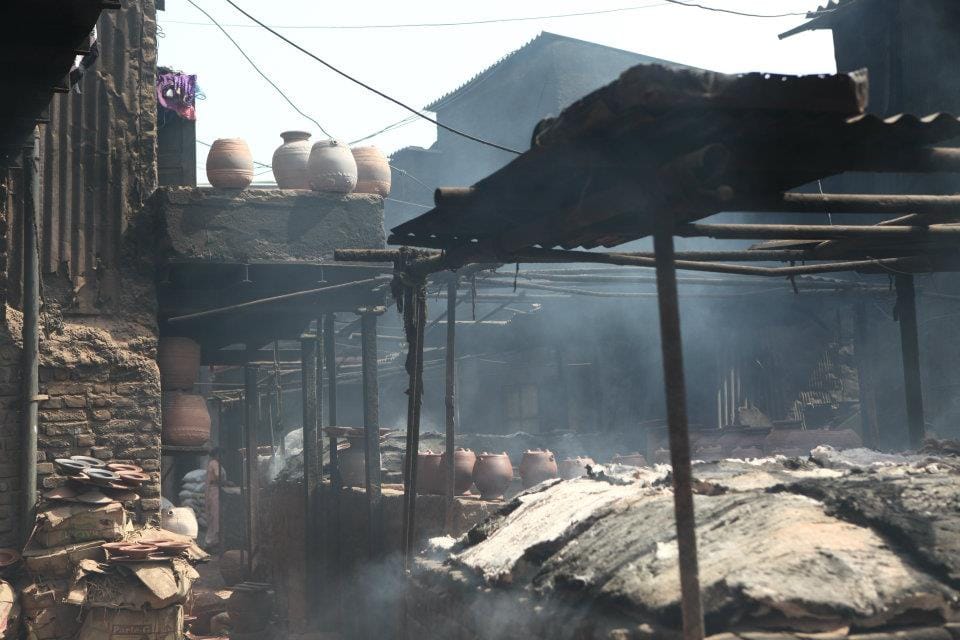
- Industries you can see, including plastic recycling, leather work, pottery workshops, and papadum baking
- Slumdog Millionaire filming context that connects movie scenes to actual streets and places
- A community lens, including schools and churches used by residents, not just “poverty photos”
Entering Dharavi’s world on a 2-hour timeline
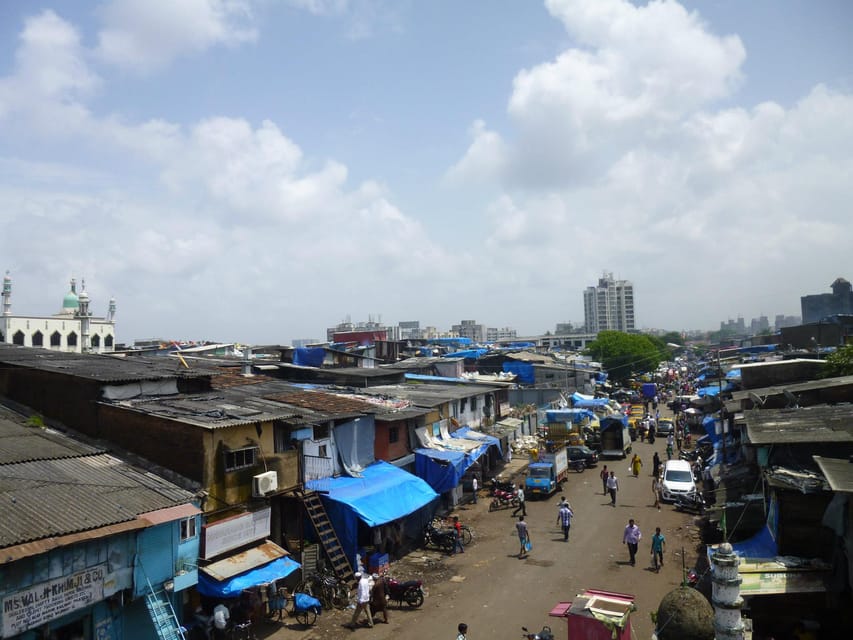
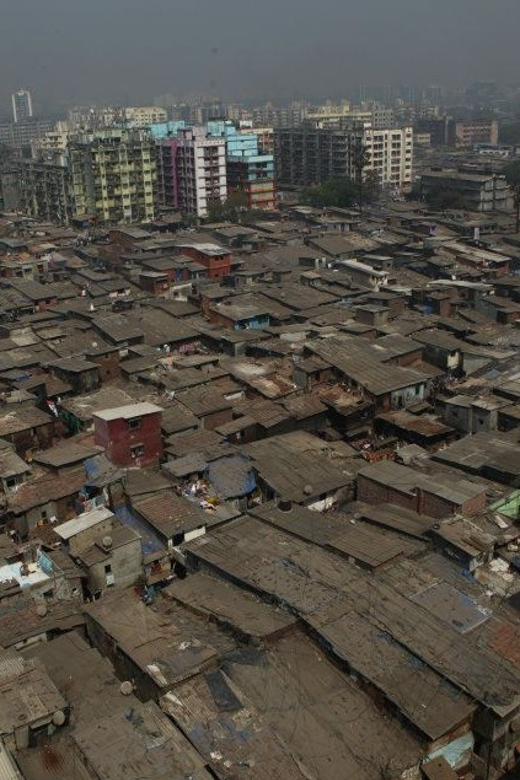
Dharavi is big in every way: population density, noise, movement, and the number of different activities happening close together. On a short tour like this, you don’t try to “see everything.” You get what you came for: a guided route that shows how community life and small trades overlap, street by street.
This is also a smart length. Two hours is enough time to get your bearings and spot patterns, without turning the experience into a long, tiring march. You’ll be walking through narrow alleyways where you’ll naturally slow down and pay attention. That’s the point. You’ll start noticing small details—how work and daily routines share the same space.
A small group (limited to 10) matters too. It’s easier to hear questions, easier to follow the guide’s pace, and less likely you’ll feel like you’re squeezing through a crowd with strangers.
You can also read our reviews of more walking tours in Mumbai


Meeting at Café Coffee Day and getting oriented fast
You meet at Café Coffee Day opposite Mahim Railway Station on Tulsi Pipe Road. It’s a practical choice: clear, easy to find, and close to major transit. When you arrive, you can expect a quick pre-walk moment where the guide sets expectations.
One detail that helps your comfort: your guide wears a purple shirt with a footprint logo. That might sound small, but in a busy area it makes meeting up stress-free. You also get a simple plan for the walk—what streets you’ll cover and how the group will move.
From the start, you should plan for walking surfaces that are not “tour smooth.” Wear comfortable shoes. If you’re someone who hates getting your feet jostled, you’ll want to come with practical footwear and a calm mindset. The neighborhood is active; the tour is not a quiet, controlled museum route.
Narrow alleyways, strong community, and how the tour frames Dharavi

Dharavi is often talked about in extreme terms online. This tour takes a different approach. You’ll hear about a strong sense of community and you’ll learn about the neighborhood as a “mini-city” where many kinds of work and daily life happen.
Expect the guide to organize the walk into clear segments. You’ll move from areas that show industry and recycling to areas that feel more residential and community-based. You’ll also see that the neighborhood includes different communities living side by side, including Muslim areas mentioned during the walk.
Here’s what that means for you, practically: you won’t just be looking at buildings. You’ll be looking at function. You’ll start to connect what you see—workshops, food preparation, faith spaces, schools—with how people live and plan their days. That shift is what makes the tour more than a sightseeing detour.
The trades you’ll spot: recycling, dye, leather, and papadum

One of the most satisfying parts of this tour is that it doesn’t treat industry as a distant concept. You’ll see trades right where they happen.
You can expect examples like:
- Recycling work, including vegetable oil cans and plastic recycling
- Dye production, which shows up as part of the industrial story
- Leather works and pottery workshops
- Places where papadums are baked, turning a snack into a real production step
- Soap making, showing another kind of small manufacturing
Even if you’re not an industry person, you’ll likely find yourself thinking: how do they organize all this space, all these tasks, every day? That’s the real value. You’re seeing systems in action—informal in some ways, organized in others—built by people who understand their own needs.
If you like travel that makes you ask better questions, this tour fits. You’ll likely leave with a new mental model: not just “where people live,” but “how people make a living,” how they trade, and how they keep production moving.
The Slumdog Millionaire filming stop: movie context without the fantasy
Dharavi became world-famous through Slumdog Millionaire, especially after 2008. This tour includes a stop connected to scenes filmed there. That’s a big draw for movie fans, but the better part is how the guide connects the set-story to the street reality.
You won’t just hear trivia. You’ll get a sense of why the location worked for filming and how the neighborhood’s layout and activity played into what audiences saw on screen. The effect is that the movie becomes less of a plot summary and more of a map you can mentally place back onto real streets.
One tip: since photos are strictly prohibited, don’t come thinking you’ll capture a “before-and-after” proof shot. Treat this as a context walk. Your takeaway is the understanding, not the camera roll.
You can also read our reviews of more tours and experiences in Mumbai




Schools, churches, and daily life beyond stereotypes
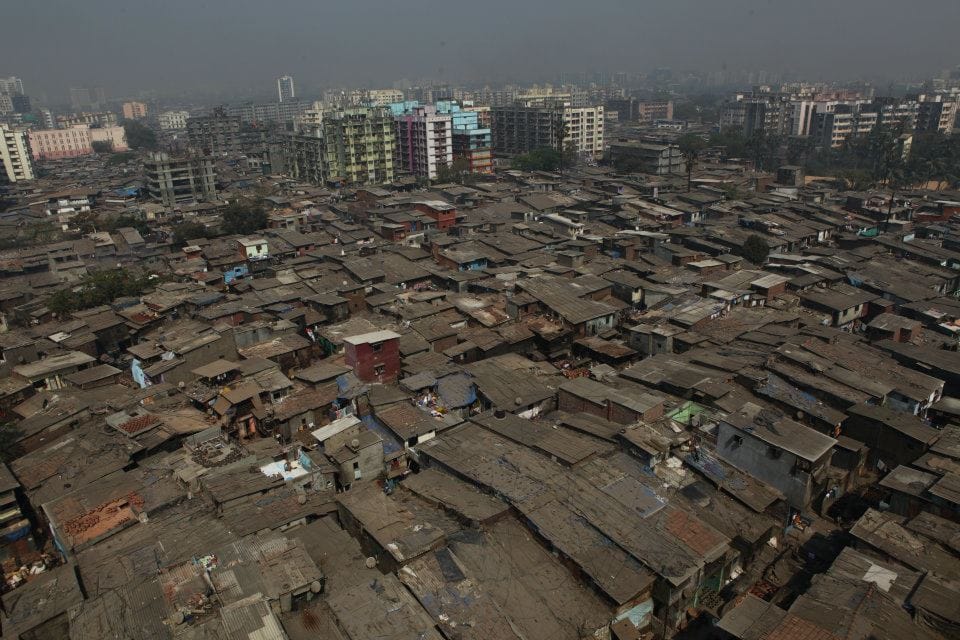
A common mistake when visiting any area that gets labeled from afar is looking for a single story. This tour works against that.
You’ll see schools and churches used by residents, plus other daily-life spaces tied to routine. That matters because it balances what you’re seeing: work happens here, but so does learning, community gathering, and faith.
The tour also makes a point that you should not expect a spectacle of extreme poverty. Instead, it emphasizes how the neighborhood still has a functioning spirit and how people build their day-to-day lives with creativity and hard work.
That framing can shift your reaction. You might feel less shock and more clarity. You might also feel more respectful, because you’re not treating the neighborhood like a charity stop or a shock exhibit.
Safety, comfort, and the rules that shape your experience
This is an active walking tour, and it’s also a “follow the guide” experience.
Plan on:
- Comfortable shoes
- A water bottle and a hat or cap (the walk is outdoors)
- Modest dress (short skirts are not allowed)
Two strong rules to know up front:
- No cameras are allowed
- Photography is strictly prohibited
That will change how you experience things. You’ll rely on your eyes and your guide’s narration, not on screens and photo prompts. If you’re the kind of person who needs visual proof to process what you’re seeing, you’ll need a different approach: take notes in your phone (without filming or photos) or simply keep your attention sharp.
Also note: the tour is not suitable for wheelchair users. If accessibility is a concern, it’s worth looking for an alternative format.
Price and what $65 really buys you
At $65 per person for a 2-hour small-group walk, it’s not a “grab-and-go” bargain. But it can still be good value if you care about context more than checkboxes.
Here’s what you’re paying for:
- A live English-speaking guide
- A guided route through active neighborhood spaces
- Focused time: two hours is enough to see multiple trades and community settings without rushing endlessly
- Small group size (up to 10), which makes questions and pacing more manageable
You’ll also notice what isn’t included: personal expenses. That’s standard, but it’s a reminder to budget for any food or drinks you want outside the tour.
One practical plus: transportation is listed as on request. You might not need it if you’re walking from nearby, but it’s reassuring to know the organizer can help you think through getting around.
Logistics: where it starts, where it ends, and why timing matters
The tour runs for 2 hours and finishes at Mahim Junction. Ending near a major transit point is helpful. It means you’re not stuck figuring out your next step in the middle of a maze after you’re done walking.
Starting at Café Coffee Day near the railway station also helps. You can align your day around easy access. And because it’s a short tour, timing matters more than on long experiences. If you’re late, the group’s flow and the guide’s route can get complicated.
So do yourself a favor: arrive early, use the meeting point as your anchor, and wear the shoes you’d also use for a long neighborhood walk.
Who should book this Dharavi 2-hour walk?
This tour is a strong fit if you want:
- A guided introduction to Dharavi’s community life and work
- A route that connects daily activities to global media fame
- A respectful, rules-based experience that focuses on learning rather than photo spectacle
You might skip it if:
- You rely heavily on photography to engage (the camera ban is firm)
- You need wheelchair access (this one is not suitable)
- Modest dress rules would be difficult for you
It’s also a good choice for people who want Mumbai “close up,” not just from a viewpoint. If you enjoy conversations, you’re likely to appreciate the way the guide ties places together into a single story of how the neighborhood runs.
Should you book the Mumbai Dharavi 2-hour walking tour?
If you want a short, guided, context-first look at Dharavi—and you’re okay with no cameras and modest dress—this is a smart booking. The route is designed to show you how community spaces and trades work side by side, and the inclusion of Slumdog Millionaire filming context helps make the place easier to understand.
Book it if learning is your priority and you’re comfortable with active neighborhood walking. Skip it if you mainly want photos or if accessibility needs make the walking format a problem.
FAQ
How long is the Dharavi walking tour?
The tour lasts 2 hours.
Where do I meet the guide?
You meet at Café Coffee Day opposite Mahim Railway Station on Tulsi Pipe Road, Mumbai.
What is the group size limit?
The tour is a small group limited to 10 participants.
Is the tour wheelchair accessible?
No, it’s not suitable for wheelchair users.
Are cameras allowed?
No. Cameras are not allowed, and taking photos is strictly prohibited.
What language is the tour guide?
The live tour guide speaks English.
What should I bring and wear?
Bring a water bottle and a hat/cap, wear comfortable shoes, and dress modestly (short skirts are not allowed).