REVIEW · DHARAVI SLUM TOURS
Private Full-Day Mumbai Sightseeing Tour with Dharavi Slums
Book on Viator →Operated by Magical Mumbai Tours · Bookable on Viator
Mumbai changes with every turn of the street. This private full-day tour strings together colonial sights, the open-air Dhobi Ghat laundry scene, and a guided visit to Dharavi Slums, so you see Mumbai as both postcard and real daily life. I like the hotel pickup and private car that helps you keep moving through traffic, and I love how the Dharavi side is handled by local guides such as Sneha or Varsha. The main drawback to plan around is time: it’s an 8–9 hour day, and Mumbai traffic can stretch the schedule.
What makes this tour work well for first-timers is the pacing. You get short, guided photo stops for the big-name landmarks, plus enough time at key places to actually look and ask questions. You’ll also see how neighborhoods connect—Gateway of India by the water, then inland through courts, rail, and markets.
One more practical point: food isn’t included (bottled water is). With a long day and limited breaks, you’ll want your own snacks or flexibility in what you eat and when.
In This Review
- Key things to know before you go
- Why this day tour feels like two different Mumbais
- Price and value: what $39.15 really covers
- Getting around: the private car is the win (and the traffic is the test)
- Morning sights: Gateway of India, Sassoon Dock, and Afghan Church
- Dhobi Ghat and the “work you can see” section
- Courts, towers, and seaside views: University area to Rajabai Clock Tower
- Temples and parks before Gandhi: Jain Temple, Hanging Gardens, Mani Bhavan
- Rail and market life: Chhatrapati Shivaji Terminus and Crawford Market
- Dharavi Slums: the part you should treat with respect
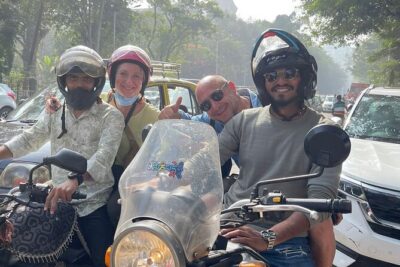
- The guide + driver combo is the whole game
- Who this tour is best for (and who should skip it)
- Should you book this Mumbai and Dharavi tour?
- FAQ
- How long is the private Mumbai sightseeing tour?
- Is this tour private?
- Do I get hotel pickup and drop-off?
- Does the tour visit Dharavi Slums?
- Are entrance fees included?
- Is food included?
- Can I cancel for free?
Key things to know before you go
- Private car with hotel pickup/drop-off means fewer logistics headaches on arrival day
- Two-part route: classic South Mumbai sights first, then Dharavi in the same day
- Local guides for Dharavi (including guides like Sneha, Varsha, and Rooya) help you see beyond the surface
- Short stops add up: you’ll move often, with multiple 15–30 minute photo windows
- Tickets are partly included, but some stops are free viewpoints and exterior photos
- Heat and traffic are real factors in Mumbai, so bring water and a patient mindset
Why this day tour feels like two different Mumbais

This is built for people who want breadth without wrestling a map and buses all day. The early section leans scenic and architectural: sea views, grand buildings, and classic streetscapes around South Mumbai. Then the focus shifts hard to people and work at Dharavi, where the story is about daily life and industry rather than monuments.
I like that the tour doesn’t treat Dharavi as a random “stop.” It’s handled as its own section with a dedicated guide and a solid chunk of time, so you’re not sprinting through it. The best versions of this tour hinge on the guide pairing—city guide plus Dharavi guide—because they control context, pacing, and what you notice.
The tradeoff is that you’re still going to be on the move. Even when you’re not rushing, you are stacking stops, and Mumbai traffic can be stubborn.
You can also read our reviews of more private tours in Mumbai

Price and value: what $39.15 really covers
At $39.15 per person, the value is mostly in transportation plus guided interpretation. You’re getting an air-conditioned vehicle, private transport, and hotel pickup & drop-off. You’re also getting bottled water.
What you’re not getting is food. And because this is a full-day route with many short stops, “no lunch included” matters more than you’d think. If you’re used to tours where meals are folded into the price, you’ll want to plan for your own snacks.
You do get admission tickets at several major stops (examples include Gateway of India, Dhobi Ghat, Mani Bhavan Gandhi Museum, Chhatrapati Shivaji Terminus, Crawford Market, and Dharavi). Other locations are free photo stops, which is how the tour fits so much into one day.
My practical take: this is a good deal if you want guided stops and you’re okay with a packed itinerary. It’s less of a bargain if you hate busy schedules, want long lingering time at each place, or rely on lunch being included.
Getting around: the private car is the win (and the traffic is the test)
The tour’s biggest advantage is control. A private car means you aren’t waiting for multiple transfers, and you can stop for photos without negotiating with public transport. Guides like Aryan (city side) and local Dharavi guides such as Rooya or Anushka have been praised for keeping groups together and helping you cross complicated streets safely.
Mumbai traffic is the reality check. Multiple guides/drivers can help, but it can’t be erased. Expect delays between areas, and understand that the tour is designed as “hit the high spots” rather than “slow museum day.”
If you’re arriving by cruise ship or traveling on a peak day, build in extra patience. Some people have experienced schedule chaos when the city is overloaded. My advice: confirm your exact meeting point and allow a time buffer so you’re not stressed before the tour even starts.
Morning sights: Gateway of India, Sassoon Dock, and Afghan Church

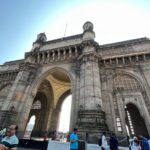
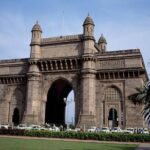
Your day often starts at Gateway of India, with around an hour on site. The guide explains the monument’s background, you get time for photos, and you’ll also take a small ferry ride for a quick water-level perspective of the city. This is a solid start because it gives you orientation fast—Mumbai’s identity is tied to the harbor.
Next is Sassoon Dock (about 25 minutes). This stop is more about atmosphere and photos than deep entry. It’s a good way to keep momentum moving after Gateway without turning the schedule into a crawl.
Then comes Afghan Church (about 15 minutes). Admission is included here, so you’re not just viewing from the outside. It’s a quick but meaningful contrast: faith architecture in a city that’s constantly changing around it.
Practical tip: wear shoes you can walk in. These stops are short, but the pacing adds up quickly when you’re moving through crowded sidewalks.
Dhobi Ghat and the “work you can see” section
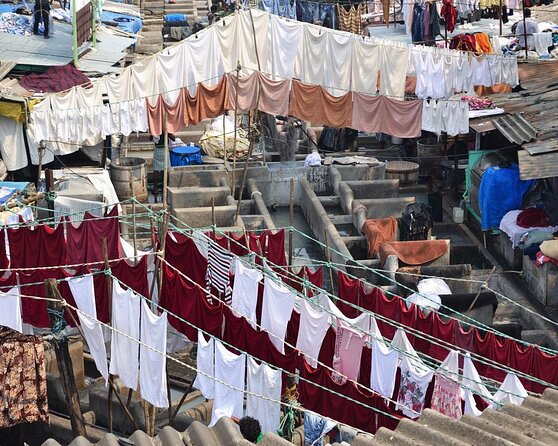
Dhobi Ghat is one of the most memorable parts of this tour—about 25 minutes, with admission included. This is an outdoor laundry area, and you’ll understand why it draws attention: it’s a working system, not a staged attraction. The guide’s job is key here, because the real value is in understanding how the laundry operation fits into the city.
This stop also tends to be photo-heavy. Keep your phone secure and don’t block people doing their work. If you want pictures, ask first and step aside when needed.
One of the best things about including Dhobi Ghat is that it bridges the tour’s theme. Before Dharavi, you’re already seeing labor in plain sight. After that, Dharavi will feel less like a shock cut and more like the next chapter of Mumbai’s economy.
You can also read our reviews of more tours and experiences in Mumbai






Courts, towers, and seaside views: University area to Rajabai Clock Tower
After Dhobi Ghat, the route moves into the University of Mumbai Library area (about 15 minutes, free entry) and then the High Court Principal Bench (about 15 minutes, free entry). These are typically exterior-and-photo stops, but they matter because they show Mumbai’s colonial-era architectural influence and its legal/academic centers.
Then you’ll reach Rajabai Clock Tower (about 15 minutes, free entry). This is a classic photography spot, but what makes it worth your time is the guide’s explanation of why it looks the way it does and how it fits the city’s timeline.
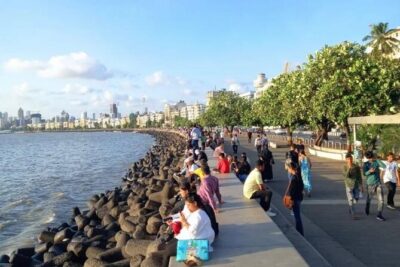
Next is Marine Drive (about 20 minutes, free entry). This is the “breathing space” in the route—a long stretch of coastal views where you can get a sense of the city’s skyline rhythm. It’s also a good spot to reset mentally before moving inland again.
Temples and parks before Gandhi: Jain Temple, Hanging Gardens, Mani Bhavan
The itinerary then adds Jain Temple – Mumbai (about 15 minutes, free entry). This is a quick stop, but it keeps the tour from becoming only architecture and landmarks. The guide should give you a basic orientation so you can understand what you’re looking at instead of just passing through.
After that, you’ll see Hanging Gardens (about 20 minutes, free entry). It’s a calmer break and a good chance to catch shade and views between long driving stretches.
There’s also a stop at Radisson Hotel Mumbai Andheri MIDC (about 20 minutes, free entry). That’s not the typical “first-time sightseeing list” stop, so don’t expect it to be a major monument. It’s likely included for positioning and viewpoint/photo options depending on the route that day.
The day’s moral center is Mani Bhavan Gandhi Museum (about 30 minutes, admission included). If you care about India’s modern political story, this stop hits the mark because it’s focused and timed well inside a long day. You’ll want to use the guide’s context so the museum doesn’t feel like a collection of dates.
Rail and market life: Chhatrapati Shivaji Terminus and Crawford Market

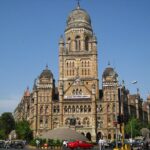
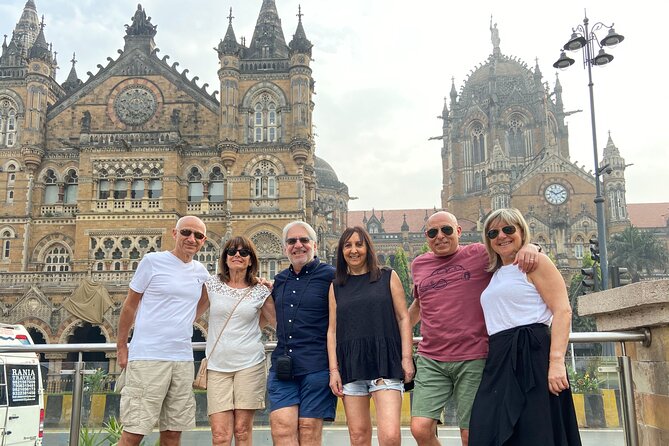
If you only had time for one “big ticket” heritage stop, Chhatrapati Shivaji Terminus would be a strong candidate. It’s about 30 minutes with admission included. This is a major rail station, so you’ll see how history and daily travel overlap in one place. The guide’s framing helps you appreciate why it’s important beyond the facade.
Then you’ll move to Crawford Market (about 30 minutes, admission included). This is where the tour becomes more about city life than landmark history. Markets teach you how people shop, what’s available, and how neighborhoods feed themselves.
If you’re thinking about buying souvenirs, keep your expectations realistic: this isn’t a mall experience. Keep your money organized, move thoughtfully, and don’t rush your choices.
Dharavi Slums: the part you should treat with respect
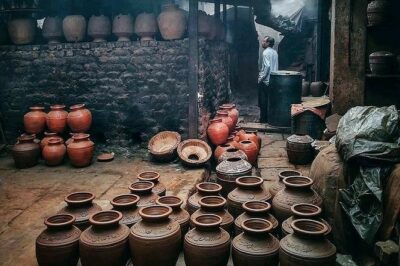
The tour’s signature moment is Dharavi, scheduled for about 2 hours with admission included. The guide takes you in the same car and stays with you for the slum portion, then returns you to your hotel after the tour.
This is where the tour can be life-changing in the best way. Local guides such as Sneha, Varsha, Rooja, and Anushka have been praised for explaining the area with context—how people live, how work functions, and how the recycling industry shapes daily routines. One guide shared personal connections to the community and why leaving isn’t always the goal; that kind of perspective turns Dharavi from a headline into a real place with real choices.
You should expect walking. Crossing streets can be challenging, and good guides keep the group together like a “mother duck,” as one guide’s style was described. You may also notice how much children and families contribute to the street scene, and you’ll want to act respectfully and calmly.
Safety-wise, people have reported feeling okay when walking with a local guide. Still, treat this as a human environment, not a zoo. Don’t point a camera inches from someone’s face, and ask before taking close photos.
Also: plan for heat and limited pause time. If you’re prone to getting irritable in the sun, bring a cap and small snacks. Bottled water is included, but breaks can be short because the tour is built to cover a lot in one day.
The guide + driver combo is the whole game
In practice, the quality of this tour rises or drops based on who’s holding your day together.
On the city side, guides like Aryan, Shamsher, Ishmael, Shritsu, Shruti, Sahill, and Shrudi have been praised for explaining what you’re seeing and adapting the schedule to fit your pace. Some drivers—like Shamsher, Sultan, and Raffiq—are described as careful and skilled, which matters in traffic-heavy routes.
On the Dharavi side, the guide role is even more important because they manage both context and movement. People have highlighted Varsha’s strong English and Rooja’s local connections, plus the way guides handle questions without turning the visit into an awkward interrogation.
One downside to be aware of: on extremely busy days, coordination can fail. That can mean late starts, confusion at the meeting point, or a different kind of tour than you expected. You can’t control Mumbai crowds, but you can control how prepared you are—confirm details ahead of time and arrive early.
Who this tour is best for (and who should skip it)
This tour fits you best if:
- You’re a first-timer and want classic Mumbai plus Dharavi in one day
- You like guided context more than wandering on your own
- You’re comfortable with short stops and travel time between them
- You value the “local guide” approach for the Dharavi portion
You might want to skip or rethink it if:
- You need a slow pace and long sit-down time at each site
- You’re very sensitive to heat, delays, or constant movement
- You expect a perfectly timed lunch break as part of the tour (food isn’t listed as included)
- You’re paying extra specifically for a strict private-only experience on peak chaos days, because logistics can go sideways in crowded periods
Should you book this Mumbai and Dharavi tour?
I’d book it if your goal is a structured, guided “best of Mumbai + Dharavi” day and you’re okay with a packed schedule. The value is strongest when the city guide and Dharavi guide both shine—because that’s what turns a list of stops into a coherent story.
I would think twice if you’re looking for a relaxed day with lots of downtime or if you can’t handle the possibility of traffic stretching your timing. If that’s you, consider splitting your interests into separate outings or allowing extra buffer time around your day.
If you do book, go in with the right mindset: you’re not just collecting sights. You’re walking through working parts of the city—so dress for the sun, respect the space, and let the guides do what they do best: explain what’s really happening.
FAQ
How long is the private Mumbai sightseeing tour?
It runs about 8 to 9 hours.
Is this tour private?
Yes. It’s listed as a private tour/activity, meaning only your group participates.
Do I get hotel pickup and drop-off?
Yes. Hotel pickup & drop-off are included.
Does the tour visit Dharavi Slums?
Yes. The Dharavi visit is about 2 hours, and it’s part of the same day route.
Are entrance fees included?
Some stops include admission tickets, and others are free. For example, admission is included at places like Gateway of India, Dhobi Ghat, Mani Bhavan Gandhi Museum, Chhatrapati Shivaji Terminus, Crawford Market, and Dharavi.
Is food included?
No. Foods and drinks are not included, though bottled water is provided.
Can I cancel for free?
Yes. Free cancellation is available up to 24 hours in advance for a full refund. If you cancel within 24 hours, the amount paid is not refunded.