REVIEW · 2-DAY EXPERIENCES
Mumbai Gems: 2-Day Private Tour with Elephanta, Slum & Dabbawala
Book on Viator →Operated by BOMBAY TO MUMBAI TOURS · Bookable on Viator
Mumbai runs on lunchboxes and stories. I like the Churchgate dabbawallas start, where you see lunch delivery in motion, and the Elephanta Caves visit with a short toy-train ride toward the caves. The big consideration is that the Elephanta monument fee is not included, and service details (pickup/communication and how instructions are handled) can vary.
Day one mixes classic photos with real daily life. You’ll cover landmarks like the Gateway of India, Taj Mahal Palace, Marine Drive, and Hanging Gardens, then shift gears to Dhobi Ghat outdoor laundry and Dharavi for a view of local life on the ground. The guide quality seems to make a real difference here, with standout names like Sahil and Nisar getting praise for clear, lived-in explanations.
Day two stays focused on Elephanta. You’ll be picked up from your location, reach Elephanta via the Gateway area (about 1 hour), and then take a quick toy train (about 2 minutes) partway in before the cave experience. It’s smart casual, English-speaking guided, and private for your group, so it works well when you want structure without a huge crowd.
In This Review
- Key things that make this tour work
- A two-day Mumbai plan that balances icons and everyday life
- Churchgate and the dabbawallas: seeing the system, not just hearing about it
- What to expect
- A tip that will save time
- Classic Mumbai landmarks, but with room to understand them
- A few extra stops you might see
- Dhobi Ghat: outdoor laundry as a city ritual
- How to visit well
- Dharavi: learning about local life with a respectful attitude
- Elephanta day: how the trip to the caves is staged
- Elephanta cave entry: budget for the fee
- Guide quality: why names like Sahil and Nisar keep showing up
- Price and value: what $23.75 per person really means
- What’s not included (and how it affects your real budget)
- When the value is strongest
- When it may feel less worth it
- Logistics that matter: seats, walking, and what to bring
- Should you book this Mumbai Gems tour?
- FAQ
- How long is the tour?
- Is this a private tour?
- Is pickup and drop-off included?
- What does the tour include?
- Is lunch included?
- Are alcoholic drinks included?
- How much are the Elephanta monument fees?
- How do you get to Elephanta from Mumbai?
- Is there a ticket format?
- What cancellation window is offered?
- What is the dress code?
Key things that make this tour work
- Churchgate dabbawallas first thing for an early look at Mumbai’s lunch system
- Private, AC transfers with an English-speaking guide and bottled water
- Landmarks plus work-life stops like Dhobi Ghat and Dharavi
- A quick, fun toy train route to help you reach the Elephanta caves more easily
- Elephanta Caves are not cheap to enter since the monument fee is extra
- No lunch included, so you’ll want a plan for meals between sights
A two-day Mumbai plan that balances icons and everyday life
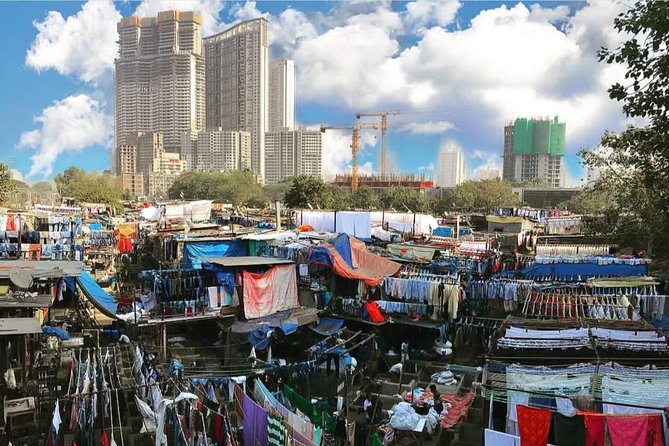
This is the kind of trip that helps you get your bearings fast—then keeps going into the parts of Mumbai that explain the city beyond its postcards. Day one runs a classic sightseeing loop, but it doesn’t stop at the viewpoint. It also takes you to places tied to daily work: Dhobi Ghat laundry and Dharavi’s local life. That combo is exactly why this tour feels more than just another highlight checklist.
The pacing is also built for first-timers. You start with an organized introduction and a clear route through the city’s top sights, then switch to the human scale. And on day two, the tour narrows down to Elephanta, so the cave visit doesn’t compete with a long list of city stops.
One practical note: this is private for your group. That usually means fewer slow moments and more flexibility if you need to adjust for time, photos, or questions.
You can also read our reviews of more private tours in Mumbai


Churchgate and the dabbawallas: seeing the system, not just hearing about it
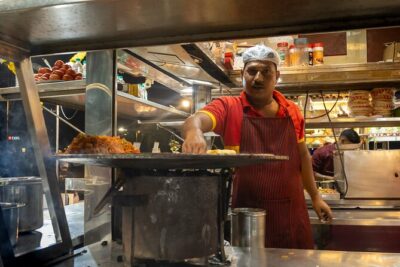
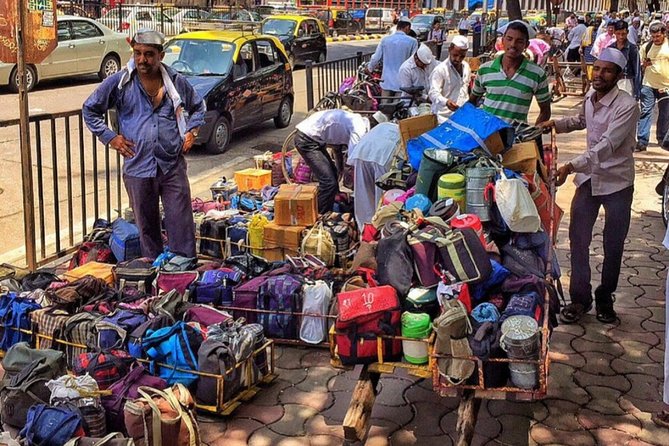
Your day begins around Churchgate Railway Station. Instead of jumping straight into landmarks, you watch the dabbawallas transfer and get a brief introduction to how it works. If you’ve ever wondered how lunch boxes can move reliably across a giant city, this start gives you the visual anchor.
What I like about this approach is that it sets a theme. Mumbai isn’t only about monuments; it’s about logistics, routines, and people doing skilled work. Seeing the transfer in a real transit setting makes the whole city feel less abstract.
What to expect
- A short, guided introduction and then observation during the transfer process
- A handoff rhythm you can actually see, not just a story on a poster
A tip that will save time
Wear comfortable shoes. The day starts early around a busy transit zone, and you’ll be standing and moving more than you might expect.
Classic Mumbai landmarks, but with room to understand them
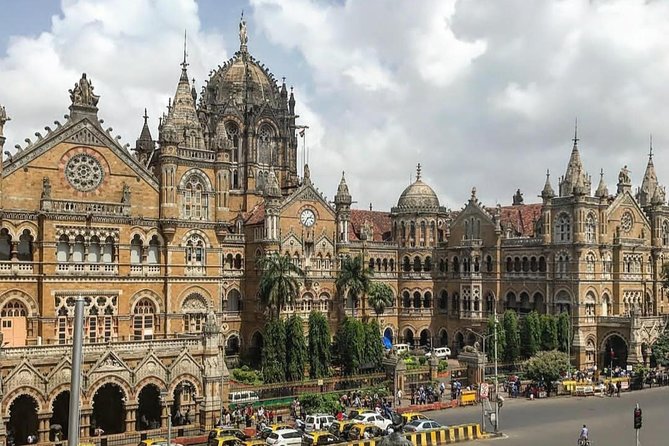
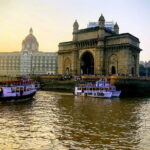
After the dabbawallas, the tour shifts into city sightseeing with big-name stops you can spot instantly on any Mumbai map. You’ll see the Gateway of India, plus views tied to the Taj Mahal Palace area, Marine Drive, and Hanging Gardens.
These stops matter because they show you how Mumbai presents itself to the world: sea-facing landmarks, colonial-era architecture, and the city’s famous promenades. But the guide’s job is to connect those images to real context—what you’re looking at, what changed over time, and why the places function the way they do today.
You can also read our reviews of more tours and experiences in Mumbai





A few extra stops you might see
Depending on the route your guide uses, you may also pass sights mentioned in guide-led city tours such as:
- Prince of Wales Museum
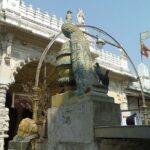
- A Jain temple complex connected to Kantinagar Shwetambar Murtipujak Tapagach Jain Sangh (as listed in the tour descriptions)
This is one of those areas where you’ll benefit from paying attention to the guide’s explanations rather than only scanning for photos. The landmarks are the easy part. The understanding is the value.
Dhobi Ghat: outdoor laundry as a city ritual
Dhobi Ghat is one of those places where your brain has to reset from sightseeing mode into work mode. The tour takes you to the outdoor laundry area, so you’re not just looking at a tourist attraction—you’re watching a living process.
What works here is that the tour frames it as part of how Mumbai runs. Laundry is ordinary. That’s why it’s powerful. You see hands-on work, tools, and a daily rhythm that doesn’t need a ticket booth to exist.
How to visit well
- Expect active working areas and strong day-to-day motion
- Be ready for close viewing and standing for short periods
If you’re the type who likes cities through their daily systems, this stop will land.
Dharavi: learning about local life with a respectful attitude
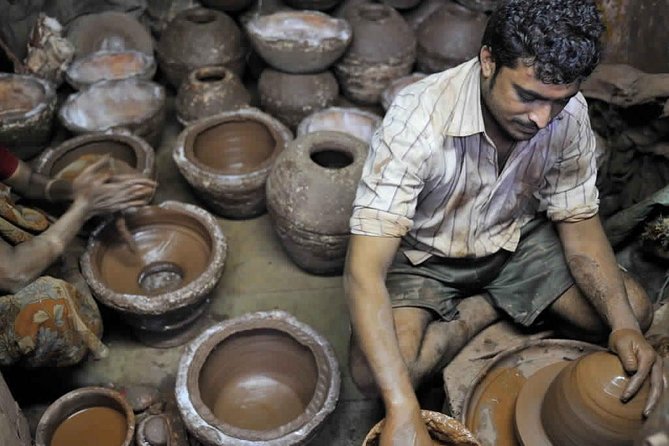
Dharavi is included as a stop to learn about local life. This is a sensitive area, and the tour’s value depends heavily on the way it’s handled by the guide and your own approach as a visitor.
The smartest mindset: treat it as a place where people live and work, not as a photo challenge. Ask questions if your guide invites them. Follow instructions on where to stand or how to move. Avoid blocking foot traffic. Simple respect goes a long way in places like this.
Also, be prepared emotionally. Dharavi is not staged. If you want a purely comfortable comfort-food version of Mumbai, this stop may feel intense. If you want the city’s real pulse, it’s one of the most eye-opening components of the tour.
Elephanta day: how the trip to the caves is staged
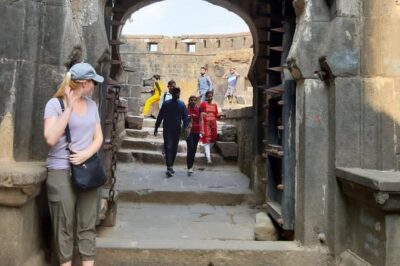
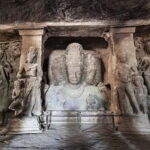
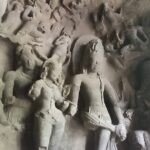
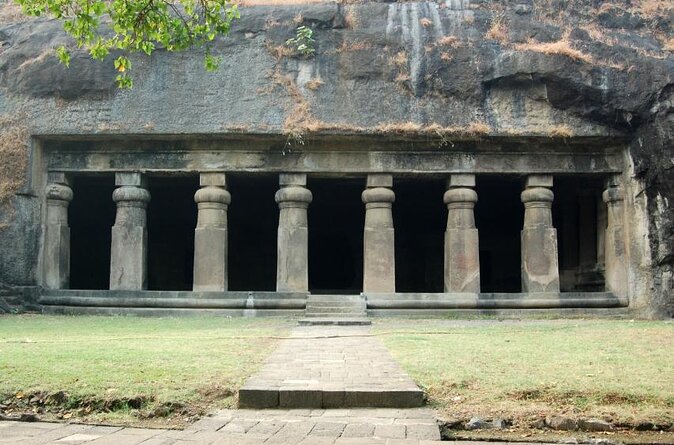
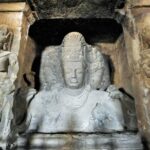
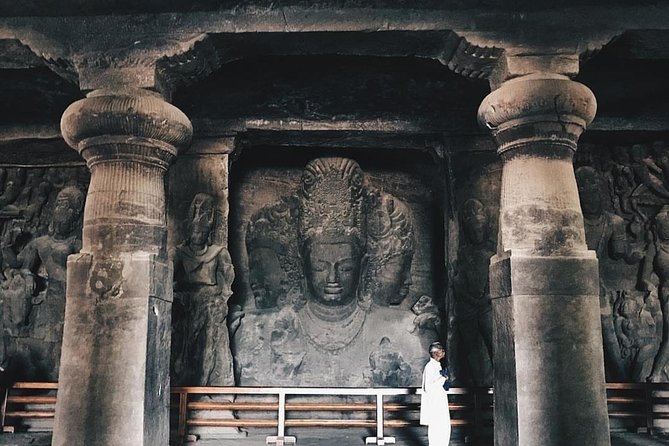
Day two is all about Elephanta. You’ll start with pickup from your location in Mumbai and travel to the Gateway of India area. From there, it takes about 1 hour to reach Elephanta.
Then comes the small highlight people tend to enjoy even if they’re not huge “transport geeks”: you take a toy train for about 2 minutes. It’s described as a fun, quirky way to travel, and it takes you partway toward the caves.
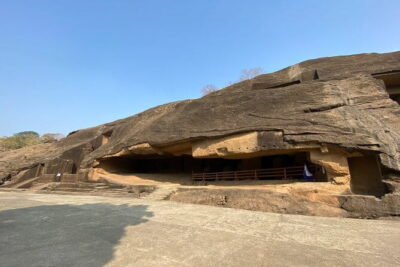
That toy-train element is more than a gimmick. It turns what could feel like a long uphill trek into a shorter, smoother transition. You arrive feeling less drained, which helps once you’re inside and walking around the cave spaces.
Elephanta cave entry: budget for the fee
Elephanta monument fees are not included. The cost is listed as $10.00 per person. If you’re doing quick math, assume your tour price plus this added entry. Lunch is also not included, so plan meals too.
Guide quality: why names like Sahil and Nisar keep showing up
This tour lives or dies by the guide. And you can see that reflected in the names mentioned for strong experiences: Sahil gets praise for detailed history and culture explanations, and Nisar is noted for showing a wide sweep of Mumbai sights with strong context.
On top of that, other guide names tied to good experiences include Jayshree and Nitin. What matters is the style: guides who translate the city into understandable pieces. You’ll get more out of each stop when the guide connects a landmark to the city’s story and explains what you’re seeing in plain language.
If you’re choosing when to book, this is also why you should ask (before you go) what language support and guide experience you can expect. The tour description says English-speaking guide is included, but the delivery quality can still vary.
Price and value: what $23.75 per person really means
The listed price is $23.75 per person, for a private two-day plan that includes:
- air-conditioned vehicle pickup and drop-off (for private tours)
- English-speaking guide
- bottled water
- all taxes, fees, and handling charges
That’s a lot included for a two-day structure, especially with a mix of city driving and a second-day excursion.
What’s not included (and how it affects your real budget)
- Lunch is not included
- Alcoholic drinks are not included
- Elephanta monument fees are extra ($10 per person)
So your all-in cost will be higher than the base price. But it’s still often good value when you want a private, guided route that covers both Mumbai’s big icons and its working neighborhoods.
When the value is strongest
This tour tends to be a good fit if:
- You’re in Mumbai for a short time and want two days of direction
- You like guided interpretation, not just walking around on your own
- You want a blend of landmarks plus real-life stops
When it may feel less worth it
If you’re the type who hates structured schedules, or you’d rather spend time slowly at one neighborhood, you might find two days too packed. Also, if you strongly dislike paying surprise extras, the Elephanta fee may annoy you.
Logistics that matter: seats, walking, and what to bring
The tour description includes pickup options and mentions proximity to public transportation, plus that most travelers can participate. You’re also given a dress code: smart casual.
Here’s what I’d pack or plan for based on how the day runs:
- Comfortable walking shoes for city stops and working areas
- Sun protection and water habits, since bottled water is included but you’ll still feel the heat
- A realistic lunch plan for two days, since lunch isn’t provided
- Cash or card for the Elephanta monument fee
Also, double-check the key cost item (Elephanta fee) before you commit fully to your budget.
One more heads-up: one write-up flagged issues with pickup communication and even seatbelt guidance. That’s not enough to predict what will happen on your specific day, but it is a reminder to confirm pickup details and be attentive to safety instructions from your driver.
Should you book this Mumbai Gems tour?
I’d book it if you want a first-timer-friendly two-day sampler that still includes the parts of Mumbai people don’t always plan for—Dhobi Ghat outdoor laundry and Dharavi’s local-life perspective. The Churchgate dabbawallas start is distinctive, and the Elephanta day has a clear, fun-to-handle route with the toy train.
Skip it or rethink it if you want an all-inclusive budget with no extra fees beyond the tour price. The Elephanta monument fee ($10 per person) and lunch not being included can change the math. Also, if you’re extremely sensitive to operational hiccups around pickup or instructions, you’ll want to be extra firm about confirming details.
If your goal is to leave Mumbai with both iconic images and real context, this tour is a solid choice.
FAQ
How long is the tour?
It’s a 2-day tour (approximately).
Is this a private tour?
Yes. It’s listed as private, so only your group participates.
Is pickup and drop-off included?
Pickup and drop-off are included for the private tour, with pickup from your location in Mumbai on the second day.
What does the tour include?
The tour includes an English-speaking guide, bottled water, and an air-conditioned vehicle for pickup and drop-off (private tour). It also lists all taxes, fees, and handling charges as included.
Is lunch included?
No. Lunch is not included.
Are alcoholic drinks included?
No. Alcoholic drinks are not included.
How much are the Elephanta monument fees?
Elephanta monument fees are listed as $10.00 per person, and they are not included in the tour price.
How do you get to Elephanta from Mumbai?
From the Gateway of India, it takes about 1 hour to reach Elephanta. After arrival, you take a toy train for about 2 minutes.
Is there a ticket format?
The tour description lists a mobile ticket.
What cancellation window is offered?
Free cancellation is available up to 24 hours in advance for a full refund.
What is the dress code?
The dress code is smart casual.