REVIEW · DHARAVI SLUM TOURS
Private Walking Tour in Dharavi Slums
Book on Viator →Bookable on Viator
Dharavi changes the way you see Mumbai. In a private walking tour, you move through a place most people only hear about, guided by someone who understands how daily life and work really fit together. I like the safety-first approach here, plus the chance to learn from a local perspective rather than just watching from the edge.
I also like that the walk covers both where people live and where small businesses operate—pottery, leather, textiles, and recycling—so the story feels human, not abstract. One drawback to consider: food and drinks aren’t included, so you’ll want to plan for snacks or a quick meal after, especially if you’re sensitive to long stretches on foot.
In This Review
- Key Things You’ll Notice on This Dharavi Slum Walk
- Why This Private Dharavi Walk Feels More Real
- Safety and Local Guidance: The Backbone of the Tour
- Stop 1: Dharavi in 2 to 3 Hours—Homes, History, and Small Industry
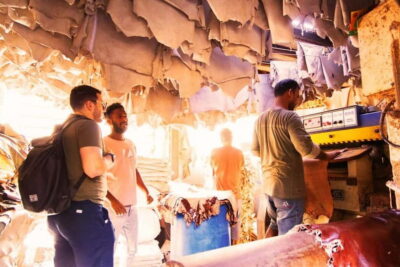
- What You’ll See in Dharavi’s Workshops: Pottery, Leather, Textiles, Recycling
- How the Pickup, Mobile Ticket, and Free Admission Work in Real Life
- Duration and Timing: A 2–3 Hour Plan That Stays Manageable
- Price and Value: Why $11.31 Can Still Be a Good Deal
- Who Should Book This Dharavi Walking Tour—and Who Might Skip It
- Should You Book This Private Walking Tour in Dharavi?
- FAQ
- Is pickup included for this Dharavi walking tour?
- How long is the private walking tour in Dharavi?
- How much does the private Dharavi tour cost?
- Is there an admission ticket included?
- What does the tour include?
- What is not included in the Dharavi tour?
- Does the tour use a mobile ticket?
- What areas of Dharavi does the guide cover?
- What industries are highlighted during the walk?
Key Things You’ll Notice on This Dharavi Slum Walk
- Local guide focus: you learn from someone from Dharavi, not from a distant script
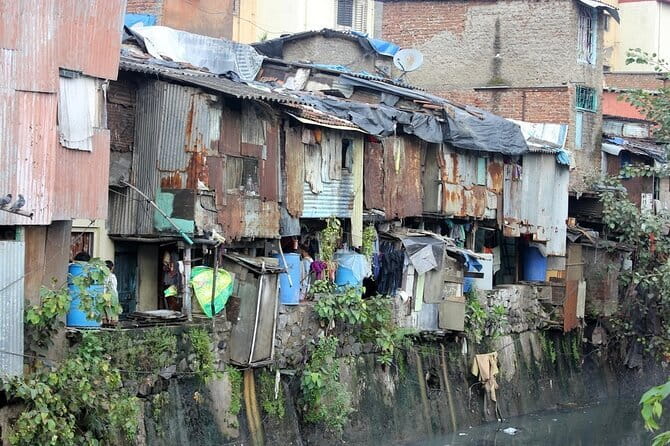
- Homes plus work areas: residential zones and small industries are both part of the route
- Hands-on industry themes: pottery, leather, textiles, and recycling show how livelihoods work
- Safety is prioritized: the tour is designed with your wellbeing in mind
- Simple on-the-ground comforts: bottled water and a free admission ticket are included
Why This Private Dharavi Walk Feels More Real
Dharavi is often described in dramatic ways. A private format helps you slow down and ask practical questions, because the guide can shape the pace to what your group needs. You’re not stuck listening to one generic commentary while you rush through.
You also get a different kind of learning: the kind you feel in your feet. As you walk, you start connecting the dots between daily routines—living space, shared services, and the trade-work people do to earn money. That mix is exactly what makes this tour worth your time.
You can also read our reviews of more walking tours in Mumbai



Safety and Local Guidance: The Backbone of the Tour
This experience explicitly prioritizes your safety. In a neighborhood that’s active and tightly packed, that matters more than people expect. A good guide helps you move at the right speed, understand what’s appropriate, and keep the visit respectful.
You’ll be with local guides from Dharavi, and that’s a big deal for how the facts land. You’re hearing about the area’s history, culture, and local lifestyle in a way that’s grounded in lived experience, not just a slideshow of facts. In practice, that usually means better context and fewer awkward misunderstandings.
No guide can remove every challenge of walking in a dense urban area, though. The best mindset is to come prepared: expect close quarters, keep your directions clear, and follow the guide’s instructions.
Stop 1: Dharavi in 2 to 3 Hours—Homes, History, and Small Industry
This tour is centered on one main stop: Dharavi. You’ll spend about 2 hours in the area (the overall duration is listed as 2 to 3 hours), walking with a local guide who shares how the community works and how it’s changed over time.
The route is designed to show you two sides of Dharavi:
- Residential areas where locals live
- Commercial zones where small-scale industries operate
That combination is why the visit feels eye-opening in a grounded way. Instead of treating Dharavi as only a hardship story, you see how people organize space for family life and for work. The guide frames what you’re seeing with context—history and culture—and it helps you avoid jumping to stereotypes.
The main potential downside is emotional. Dharavi can be hard to process. If you’re looking for a purely “fun photo stop,” this may not match your expectations. But if you want understanding, this is the kind of walk that builds it fast.
What You’ll See in Dharavi’s Workshops: Pottery, Leather, Textiles, Recycling
One of the most useful parts of this tour is the focus on specific types of work. You’re not just told that people make things—you’re guided through the realities of small production and everyday commerce.
Here are the industries you’ll encounter as part of the walk:
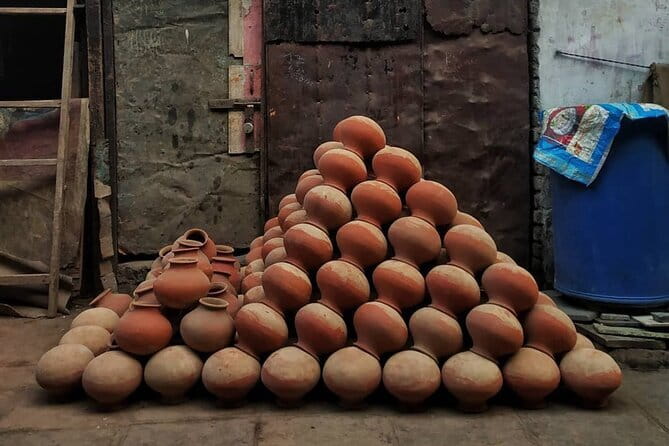
- Pottery
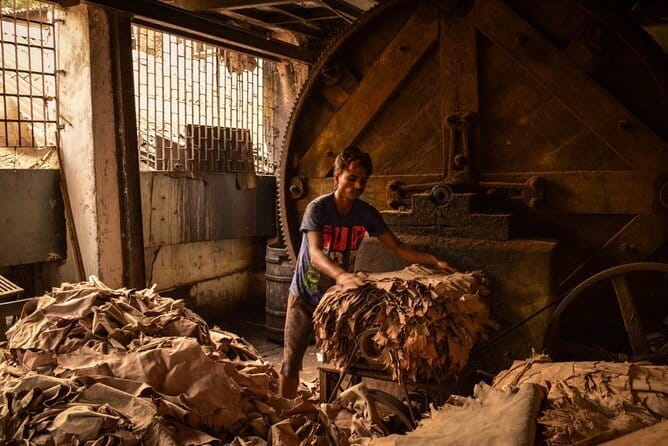
- Leather
- Textiles
- Recycling
Each of those points to a different skill set and a different rhythm of work. Pottery tends to reflect craft and materials handling. Leather and textiles point to cutting, finishing, and transforming inputs into usable goods. Recycling highlights how value can be pulled from waste streams.
You’ll also hear about the area’s culture and how local life ties into those businesses. That’s what helps you see the economy as something people manage every day, not something that happens “to” them.
A practical tip: keep your camera ready but use it thoughtfully. When you’re close to homes and workspaces, ask yourself before you shoot whether your picture respects the moment. A local guide’s cues are the safest way to handle it.
How the Pickup, Mobile Ticket, and Free Admission Work in Real Life
This tour includes pickup offered and a mobile ticket, which is exactly what you want for a neighborhood visit—less stress, fewer navigation headaches. You still want to confirm the pickup details when you book, but the general idea is that you won’t have to figure everything out on the street.
The tour also includes a free admission ticket for the time in Dharavi, and that matters because it keeps the experience from turning into a patchwork of extra fees. You can focus your budget on the human parts: the guide, the walking time, and the context.
And yes, there’s a comfort detail that gets overlooked: bottled water is included. In Mumbai’s heat, even a short walk can feel longer than you planned. Having water already taken care of helps you stay present instead of planning your hydration on the fly.
You can also read our reviews of more private tours in Mumbai





Duration and Timing: A 2–3 Hour Plan That Stays Manageable
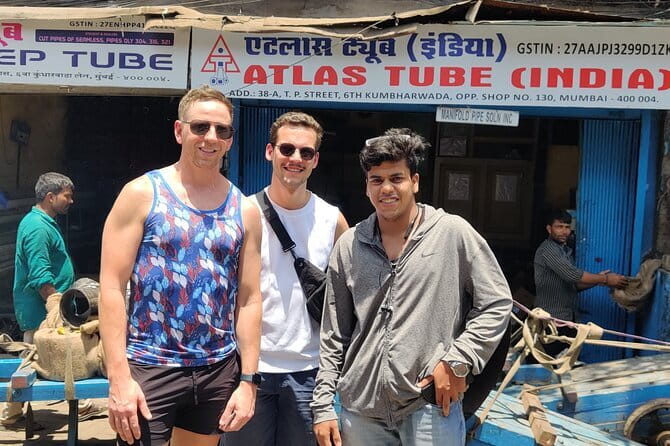
The stated duration is about 2 to 3 hours. That’s a sweet spot for Dharavi. You get real coverage of the neighborhoods and industry areas without the long, exhausting stretch that can drain your ability to absorb what you’re learning.
Because the walk is guided, the pacing is part of the value. You aren’t just walking from point A to point B; you’re moving while someone explains what’s meaningful about what you see. The time window also helps you plan your day around it—work, lunch, and evening plans can still fit.
If you’re the type who likes a relaxed schedule, you can treat this as a morning or early afternoon anchor. Just remember that food and drinks aren’t included, so plan to eat before or after.
Price and Value: Why $11.31 Can Still Be a Good Deal

The price is $11.31 per person, which is strikingly low for a private experience with local guiding. When a tour costs this little, you should naturally ask what’s driving the price—transportation, guide time, and scope. Here, the value shows up in what you get included: bottled water, all fees and taxes, and local guides from Dharavi.
You’re also paying for structured context. The industries listed—pottery, leather, textiles, and recycling—aren’t random. They give the walk shape and help you understand what daily work looks like across different trades.
One more value point: it’s booked on average 77 days in advance, which suggests there’s demand for this kind of guided neighborhood experience. That can be helpful for you too, because planning earlier often means more time to coordinate and fewer last-minute surprises.
Bottom line: for most people, this is a high value way to get a guided introduction with real-world context, as long as you’re comfortable with the nature of the setting and come prepared for walking.
Who Should Book This Dharavi Walking Tour—and Who Might Skip It
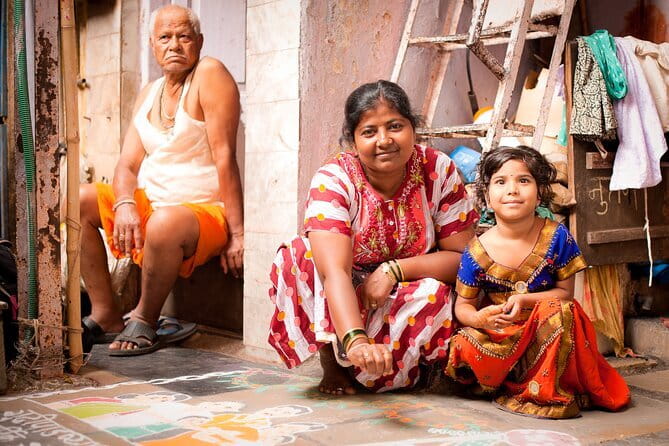
This tour is a good fit if you want:
- A private guided walk with a local guide from Dharavi
- A short, focused visit (around 2–3 hours)
- Clear topic coverage: homes plus small industries like pottery, leather, textiles, and recycling
- A tour that specifically mentions safety and practical guidance
It may be less ideal if you’re looking for a relaxed sightseeing day, or if you want food included as part of the experience. Since you’ll be walking through active residential and work areas, comfort depends on your expectations and preparation.
Also consider it if you’re traveling with limited time. The single-stop structure keeps the day simple, and the included bottled water and free admission ticket help you avoid extra logistical steps.
Should You Book This Private Walking Tour in Dharavi?
If you’re curious, respectful, and open to learning fast, I’d say yes. For the price, you’re getting local guidance, a safety-first approach, and a focused look at both living areas and working areas—plus the guide connects what you see to history, culture, and local lifestyle.
I’d book this especially if you want a shorter experience you can fit into a packed Mumbai plan without turning it into a stressful scavenger hunt. And because it’s often booked well ahead (average 77 days), you’ll likely get a smoother choice of times by planning early.
FAQ
Is pickup included for this Dharavi walking tour?
Pickup is offered, so you should expect to be collected as part of the experience.
How long is the private walking tour in Dharavi?
The duration is listed as about 2 to 3 hours.
How much does the private Dharavi tour cost?
The price is $11.31 per person.
Is there an admission ticket included?
Yes. An admission ticket is included and listed as free.
What does the tour include?
It includes bottled water, all fees and taxes, and local guides from Dharavi.
What is not included in the Dharavi tour?
Food and drinks are not included.
Does the tour use a mobile ticket?
Yes, the tour offers a mobile ticket.
What areas of Dharavi does the guide cover?
You’ll explore residential areas where locals live and commercial zones where small-scale industries operate.
What industries are highlighted during the walk?
The tour highlights pottery, leather, textiles, and recycling.