REVIEW · DHARAVI SLUM TOURS
Private Guided Walking Tour in Dharavi Slums
Book on Viator →Operated by M/s Khaki Tours · Bookable on Viator
Forget the sad-suitcase version of Dharavi. This private 2-hour walk takes you from Mahim’s city edge to the working lanes of Dharavi, where you see how people build livelihoods every day. It’s private for your group and led on foot, which keeps the pace human.
What I love most is the mix of work and everyday life in one route. You don’t just look at buildings—you see the recycling process, leather-making at the tanneries, and the potters’ settlement at Kumbharwada, all in a compact 2 hours. Plus, the guides often combine local living context with bigger-picture explanation—names like Jimmy and Kamlesh, or Bharti and Palak, show up repeatedly in standout feedback.
One thing to consider: Dharavi is also a place of extreme poverty, and the topic can feel heavy. If you’re coming in expecting a light, casual “slum tour,” you may find it emotionally intense, even when the guidance is thoughtful and respectful.
In This Review
- Key Highlights You’ll Actually Care About
- A 2-Hour Dharavi Walk That Keeps the Focus on People and Work
- Starting in Mahim: Where Dharavi’s Shape Began
- Dharavi’s Recycling Work: Watching Waste Turn Into Products
- Byla nes, Homes, and Tanneries: Life and Labor in the Same Frame
- Kumbharwada Potter Settlement: When Craft Runs on Routine
- Guides Who Live the Details: Jimmy, Kamlesh, Bharti, and More
- Price and Value for a Private Mumbai Neighborhood Walk
- Respect, Safety, and Handling the Heavy Parts Without Getting Weird
- Who Should Book This Tour (And Who Might Not Love It)
- Should You Book This Private Dharavi Walking Tour?
- FAQ
- How long is the Private Guided Walking Tour in Dharavi Slums?
- What does the tour cost?
- Is this tour private?
- Where does the tour start and end?
- What’s included in the price?
- What should I bring since snacks and water aren’t included?
- When will I get confirmation after booking?
- Is there free cancellation?
Key Highlights You’ll Actually Care About
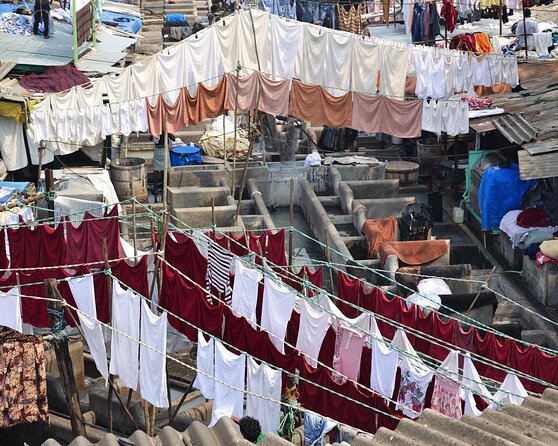
- Mahim start point: you begin at the edge of the city where Dharavi started developing.
- Recycling stop in Dharavi: you see how waste becomes part of an informal industrial system.
- Tanneries plus bylanes: leather production shows up alongside views of day-to-day living conditions.
- Kumbharwada potters’ settlement: craft work and community life get equal time.
- Local guides with real context: feedback repeatedly highlights guides who live and work in Dharavi, like Bharti and Kamlesh.
- Private, group-paced walk: it’s only your group, so you can move at a steady, manageable speed.
A 2-Hour Dharavi Walk That Keeps the Focus on People and Work
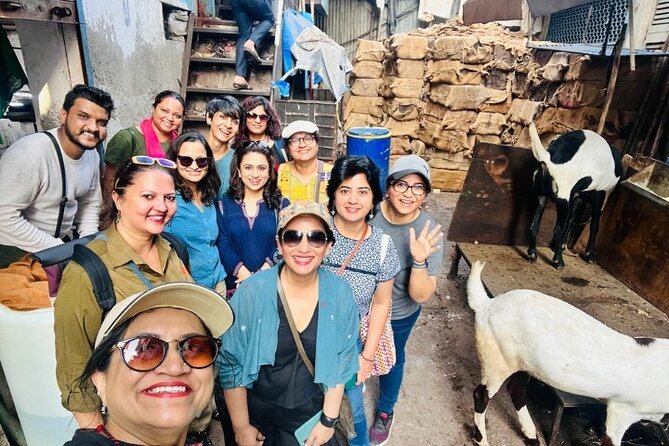
A Dharavi walking tour can go off the rails fast—either too surface-level, or too focused on misery as a spectacle. This format tries to do something different: it treats work, neighborhood life, and local knowledge as the story. In about two hours, you get a sequence that links the city’s edge (Mahim) to Dharavi’s working economy and then to a craft settlement (Kumbharwada).
The value here isn’t just that you cover famous areas. It’s that the route is built around how the place functions: recycling and production, family life in bylanes, and skilled craft at the potters’ settlement. And because it’s private, you’re not stuck in a loud herd of people moving too fast for real conversations.
You can also read our reviews of more walking tours in Mumbai



Starting in Mahim: Where Dharavi’s Shape Began
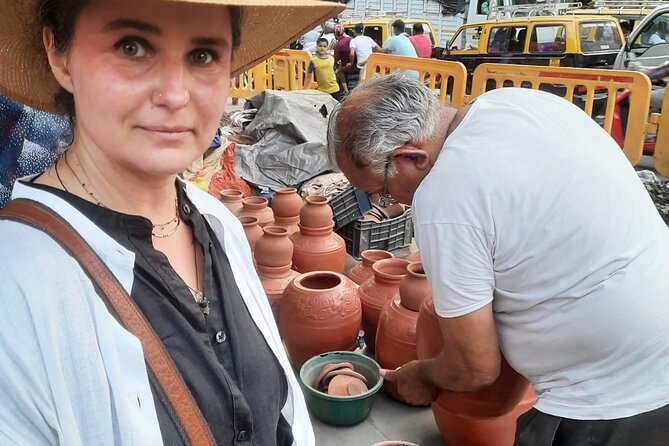
Most tours jump straight into Dharavi. This one starts in Mahim, described as the edge of the city where Dharavi began developing. That first stop is only about 10 minutes, but it helps you get your bearings fast.
Why this matters: without a beginning, Dharavi can feel like a random “place you visit.” Starting in Mahim gives you a sense of how the area formed in relation to the rest of Mumbai. You’re basically being asked to track the logic of location—how a neighborhood grows where the city meets open space, pressure, and opportunity.
The practical side is also good. Mahim is a straightforward start area, and the tour is noted as being near public transportation. That means you’re less likely to waste time hunting for the exact meeting spot.
Dharavi’s Recycling Work: Watching Waste Turn Into Products
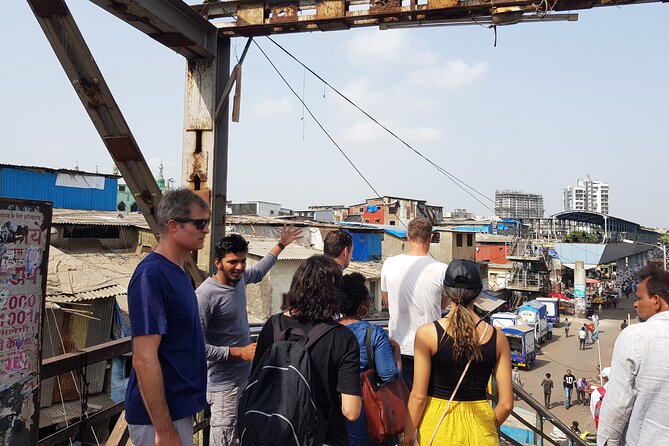
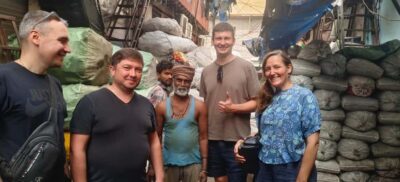
Next is the Dharavi portion focused on recycling and an informal industrial complex. This stop is about 30 minutes, and it’s the part that often changes how people think about Dharavi.
Here’s what you should expect: rather than the recycling being a background detail, the walk frames it as the economic engine. Mumbai’s waste doesn’t just disappear. In Dharavi, it’s handled through a web of work that supports families and feeds wider industries. Seeing that link in real time tends to make the concept click.
This is one reason the tour can feel more educational (in a good way) than just “seeing rooms.” You’re watching the logic of a local system: inputs become outputs, labor becomes income, and the neighborhood’s constraints create specialized skills.
A small consideration: because this is focused on work, conditions can be active and busy. You’ll want to keep your pace calm and follow your guide’s lead so you don’t block movement or slow people down.
Byla nes, Homes, and Tanneries: Life and Labor in the Same Frame
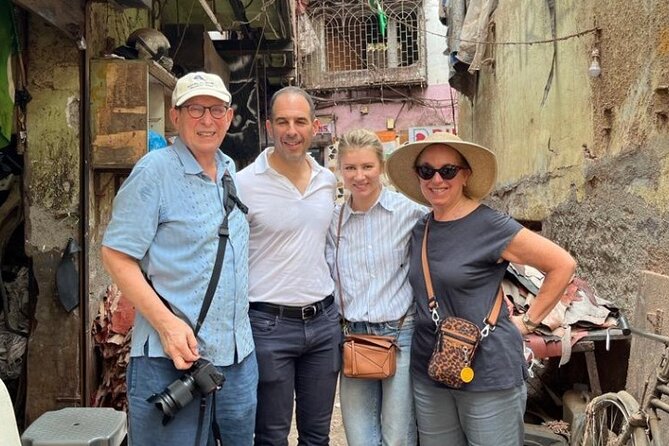
The next stop is also about 30 minutes, and it shifts from the recycling focus to the bylanes of Dharavi—how people live—and to the tannaries where leather products are manufactured.
This is the heart of the route. You’re essentially being shown two truths at once:
- housing and daily routines inside the neighborhood
- production that ties into regional and global demand, especially through leather-making
For many first-timers, the tannery connection is a turning point. It helps you understand that Dharavi is not only a residential area—it’s also a working zone with specialized industries. At the same time, the bylanes keep the story grounded. You get a sense of what it looks like when home and work are woven close together.
On the “how does it feel” side: this is where emotions can run high. One of the most important things the tour format tries to get right is respect—guides who are part of the community can steer the walk away from gawking and toward explanation.
And yes, there’s a real ethical edge to this kind of visit. One feedback point raised the concern that a “slum tour” can sometimes feel exploitative if it turns poverty into a show. A good operator can’t erase that tension, but choosing a route led by people who live and work there is a practical way to keep the focus on dignity rather than drama.
Kumbharwada Potter Settlement: When Craft Runs on Routine
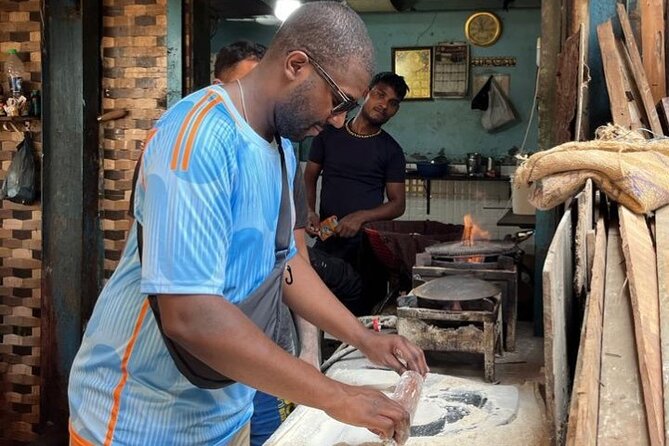
The final stop takes you to Kumbharwada, the potters’ settlement. This part is again about 30 minutes, and it changes the tone of the walk.
Instead of waste-to-product and tannery production, you get craft work: how potters live, how they work, and what daily life looks like in a community built around making things. It’s a strong counterpoint to the industrial stops because it adds a slower, skill-focused layer.
Why I think this ending works: a Dharavi walk can otherwise leave you with only one kind of takeaway—work as production. Kumbharwada adds work as craft and community rhythm. It also helps you see different kinds of livelihoods living side by side in the same broader area.
If you’re the kind of traveler who wants a final “human scale” moment, this stop does it. It’s also a logical wrap-up because it ends with the day feeling tied to hands-on creation rather than only to systems and factories.
You can also read our reviews of more guided tours in Mumbai





Guides Who Live the Details: Jimmy, Kamlesh, Bharti, and More
In the best versions of this tour, the guiding style is the whole point. The standout feedback consistently points to a pattern: local hosting plus context, with guides who can explain what you’re seeing without turning it into performance.
Names that come up often include:
- Jimmy and Kamlesh, described as a strong pairing that mixed history/context with local perspective
- Bharti, including praise for being a long-term resident and guiding with thoughtfulness
- Palak and Bharathi, praised for covering origins, population context, and everyday life
You’ll feel the difference when the guide is able to connect visible details to lived reality: why a certain type of work exists here, how the neighborhood developed, and what daily life looks like beyond the “tour highlights.”
One more practical benefit: having a guide who understands the social rhythm of the area helps you stay respectful and oriented. Even when conditions feel unfamiliar, you’re not left improvising.
Price and Value for a Private Mumbai Neighborhood Walk
The price is $44.75 per person for a 2-hour private guided walking tour. That’s not budget travel pricing—but it also isn’t sky-high for what you’re getting.
Here’s the value logic I’d use if I were deciding:
- You’re paying for a private group experience, meaning you’re not competing with a large crowd.
- You’re getting multiple stops tied to different parts of Dharavi’s economy and daily life.
- You’re supported by local hosts, which matters a lot for access to context and for keeping the walk respectful.
What’s not included matters too. Bottled water and snacks aren’t included, so plan to bring what you need, especially if you run warm or get low energy between stops. The route is weather-dependent: the experience notes a requirement for good weather, and if it’s canceled due to poor conditions, you’ll be offered a different date or a full refund.
You also get a mobile ticket and the option for group discounts. If you’re traveling with family, that can help make the cost feel more sensible.
Respect, Safety, and Handling the Heavy Parts Without Getting Weird
Dharavi is the kind of place that can trigger strong reactions. A few things help you keep the experience on the right side:
- Expect to see real labor and real living conditions, not a staged “set.”
- Let your guide set the boundaries for how you move and what you focus on.
- Treat the people you meet as people, not educational props.
Safety gets mentioned positively in feedback, and that’s important. Still, the “safe” part isn’t about feeling like you’re on a playground. It’s more like: the tour format and local guidance help you navigate respectfully.
As for the ethical worry: if you’ve ever wondered whether slum tourism is exploitative, you’re not alone. One piece of feedback raised that exact concern, even while acknowledging the information shared by guides. The best response isn’t pretending the tension doesn’t exist. It’s choosing a tour led by community members and approaching with humility.
If you go in with that mindset, you’ll likely come away with something more useful than a checklist of sights: you’ll understand how an informal economy functions and how community life keeps going under constraint.
Who Should Book This Tour (And Who Might Not Love It)
This tour tends to fit best if you:
- want a structured, time-efficient Mumbai walking tour in an area that many outsiders only misunderstand
- like when guides bring both local context and day-to-day reality
- prefer a private pace over a large group shuffle
- enjoy seeing how cities work beyond the postcard version
It might be less ideal if you:
- want a purely comfortable, low-emotion cultural stop
- are looking for a “light” entertainment-style experience
- dislike tours that focus on poverty and labor, even when handled respectfully
A quick practical note: the tour is listed as most travelers can participate, and it’s near public transportation. That suggests it’s designed to be manageable for a wide range of visitors, assuming basic walking comfort for a two-hour neighborhood route.
Should You Book This Private Dharavi Walking Tour?
If you’re choosing between a generic “slum tour” and a guided walk that treats Dharavi as a working neighborhood with resident expertise, I think this is the stronger bet. The price reflects the fact that you’re paying for local hosting, a focused route across major parts of daily life and production, and the privacy that makes respectful conversation possible.
Book it if you’re ready to swap stereotypes for real context and you want to understand how recycling, leather-making, and craft work connect to family life. Skip it only if you know you’ll struggle with emotionally heavy material or you’re uncomfortable with the whole idea of visiting places shaped by poverty, even when guidance is thoughtful.
If you do book, plan ahead for water and snacks, wear shoes that handle neighborhood walking, and go in with the attitude that you’re there to learn how people live—not to turn their lives into a lesson you can consume and forget.
FAQ
How long is the Private Guided Walking Tour in Dharavi Slums?
It runs for about 2 hours.
What does the tour cost?
The price is $44.75 per person.
Is this tour private?
Yes. It’s private, and only your group participates.
Where does the tour start and end?
The tour starts at Third Wave Coffee Tip Road, Unit no.58, Ground, Ram Mahal, Senapati Bapat Marg, Marinagar Colony, Station, Mahim, Mumbai 400016. It ends at Kumbhar Wada, Dharavi, Mumbai.
What’s included in the price?
The included item listed is hosting charges.
What should I bring since snacks and water aren’t included?
The tour does not include bottled water or snacks, so you’ll want to bring them if you need them.
When will I get confirmation after booking?
Confirmation is received within 48 hours of booking, subject to availability.
Is there free cancellation?
Yes. You can cancel for a full refund up to 24 hours in advance. If canceled due to poor weather, you’ll be offered a different date or a full refund.