
REVIEW · DHARAVI SLUM TOURS
Best of Dharavi Slum with Market Tour
Book on Viator →Operated by Trip Mumbai Tours · Bookable on Viator
A walk through Dharavi changes assumptions. This tour is interesting because it lets you see how people turn tight space into real work—laundry, small crafts, recycling, and local market life—while your guide gives context as you go.
I love the calm, story-driven guidance I’ve seen on this route, including the way guides like Hakim explain what you’re looking at and keep answering questions without rushing. I also like that the experience is not pushy about shopping, and the group stays small (maximum 15), which matters when you’re moving through narrow lanes.
One possible drawback: you’ll walk for about three hours and spend time around active, crowded areas, so wear comfy shoes and keep a moderate pace.
In This Review
- Key highlights you’ll feel fast
- Entering Dhobi Ghat: Mumbai’s open-air laundry for hotels and hospitals
- Kumbharwada and Mahim streets: cultural sites meet real commerce
- Mahim lather work: why bags and wallets are more than souvenirs
- Mahim recycling: environmental awareness meets daily work
- Craft, soap making, pottery, and street food moments you’ll actually remember
- Why the guide matters so much (and how to get more out of the walk)
- Price and value for a 3-hour Dharavi and market route
- What to expect on the ground: timing, walking pace, and group size
- Who should book this Dharavi slum and market tour
- FAQ
- FAQ
- How long is the Dharavi slum and market tour?
- How much does the tour cost?
- Is pickup offered?
- Do I need a printed ticket?
- What is the group size limit?
- Is Dhobi Ghat admission included?
- Are the other stops ticketed?
- Where is it located?
- Do I need good weather?
- Is there free cancellation?
- Should you book this tour?
Key highlights you’ll feel fast
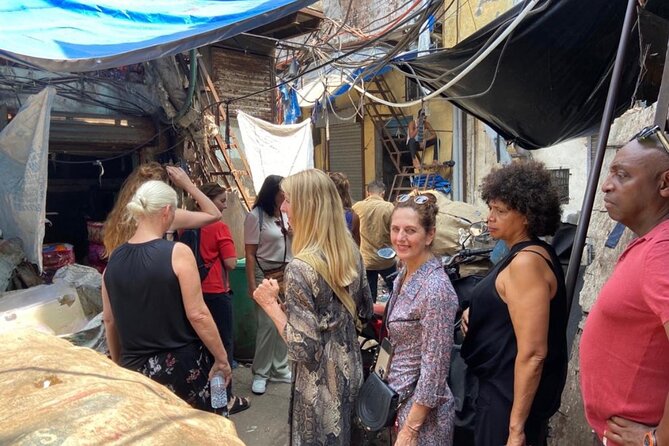
- Dhobi Ghat ticket included: see an open-air laundry where dhobis clean linens for major Mumbai institutions
- Small-group format (max 15): easier pace, better conversation, less crowd pressure
- Respect-first approach: no hard selling, and the tone stays professional
- Mahim market stops: watch local trade in places tied to everyday life
- Craft and recycling focus: lather work (bags/wallets/accessories) and recycling tied to environmental awareness
- Local breaks that feel optional: you may be able to pause for a cold drink with locals, without the sales pressure
Entering Dhobi Ghat: Mumbai’s open-air laundry for hotels and hospitals

Dhobi Ghat is the kind of place that changes your mental map of a city. Instead of a closed laundromat, you’re looking at an open-air operation where washers (dhobis) work right in the working day. The big idea here is scale and logistics: dhobis clean clothes and linens coming from Mumbai’s hotels and hospitals, which gives you a fast lesson in how goods, services, and daily maintenance all connect.
What I like most as a visitor is how visual it is. You don’t need special background knowledge to understand the workload. You see hands at work, constant movement, and the practical rhythm of cleaning. It also helps you understand Dharavi’s wider ecosystem—not just poverty, but production, services, and the everyday systems that keep a city running.
Practical note: this stop is short (about 20 minutes), so go in ready to look around quickly. If you want photos, be mindful of how close you stand to workers and keep your questions respectful and brief so you don’t interrupt.
You can also read our reviews of more shopping tours in Mumbai


Kumbharwada and Mahim streets: cultural sites meet real commerce
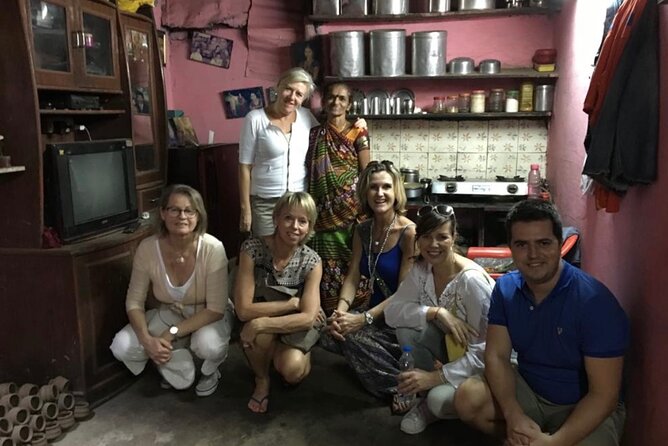
After Dhobi Ghat, the tour shifts to Mahim-area streets—specifically Kumbharwada, then Mahim again—where you’re walking in a neighborhood context, not a fenced “attraction” bubble. The value here is perspective. You’re not only seeing houses or workshops; you’re seeing how community and trade sit side by side.
Kumbharwada/Mahim is described as having cultural and historical importance, but you still experience it as lived-in space: local atmosphere, mixed backgrounds, and normal street activity. That matters for how the tour lands emotionally. It’s easier to understand the people when you’re also seeing their neighborhood life, not just an imposed “slum” narrative.
This portion is also time-efficient—about 30 minutes for the Kumbharwada/Mahim stop—so you get a snapshot without turning it into a rushed checklist. The drawback is also time-based: if you’re the kind of person who likes to slow down and ask ten questions at each corner, you might wish you had more time here. The tour keeps moving, which is good for variety, but it’s not built for lingering.
Mahim lather work: why bags and wallets are more than souvenirs
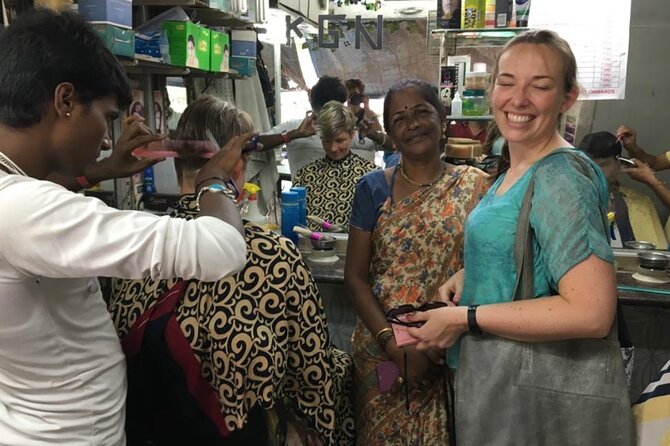
One of the clearer craft stops on this route is the Mahim lather work segment. Lather work here refers to making and selling leather goods—think bags, wallets, and other accessories—as a local trade. That’s the hook: you’re not hearing abstract talk about entrepreneurship. You’re seeing a craft that turns materials and skill into products that people use and buy.
Even if you don’t purchase anything, you’ll likely pick up a few useful things:
- How craft work fits into small-scale business in a dense city
- How buyers and sellers overlap right inside neighborhood areas
- Why “local goods” are not just items, but jobs and supply chains
This stop runs about 30 minutes. It’s long enough to make the trade feel real, but short enough that you stay focused on the bigger tour arc. If you’re sensitive about shopping pressure on tours, you’ll be glad to know the experience has a reputation for being professional and not forcing sales. Still, keep your own boundaries: if you’re not buying, it’s fine to simply look and ask what things are used for.
Mahim recycling: environmental awareness meets daily work

Recycling in Mahim is described as gaining traction as awareness of environmental issues grows. The tour’s recycling stop is basically a practical story about collection and sorting—local initiatives and groups collecting plastic and paper—and then turning that material back into usable value.
Why this matters for you: it frames recycling not as a trendy “green” idea, but as labor. People don’t recycle because it sounds good. They recycle because it creates work and helps solve a material problem that cities generate constantly. Seeing it on foot is important because it shows how waste management is human-scale, not only municipal.
This stop is about 30 minutes, which is a good length. You get enough time to understand the flow of material and the community effort behind it. You also avoid the feeling that you’re stuck watching one activity for too long. The only consideration is that the topic is weighty, so bring a calm mindset. It’s a tour that asks you to observe thoughtfully, not just “consume sights.”
Craft, soap making, pottery, and street food moments you’ll actually remember
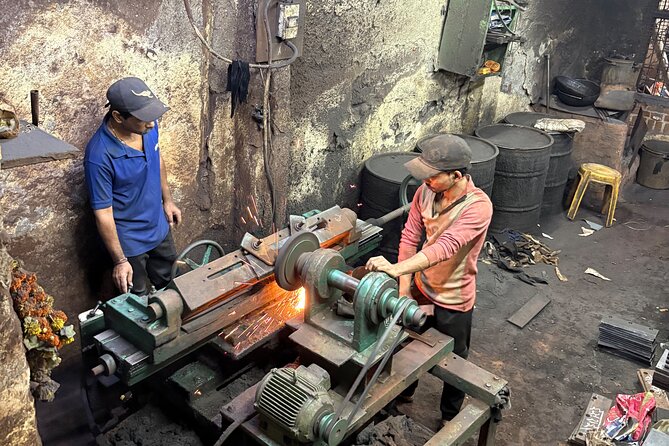
The tour is positioned as more than a walking tour of streets. The overall experience includes small-scale industries you might not see elsewhere on a Mumbai visit—soap making, pottery, and recycling—plus the smell and feel of street food as vendors prepare items nearby.
This blend is where the tour becomes more memorable. It’s not just “look at the area.” It’s “watch the work,” then “notice the food culture,” then “connect the dots.” That’s also why the guide’s role is so important. In the reviews, guides are praised for calm explanations and for telling the full story while you walk—so you’re not left with only impressions and a camera roll.
A small but telling detail from reviews: some groups enjoy an ice-cold beer at a pause with locals. That kind of moment doesn’t feel like a staged performance—it feels like a pause in the day. Just remember: whether there’s a drink stop for you depends on the route and the guide’s choices, and it’s not the reason to book. The point is the respectful, lived-in feel.
You can also read our reviews of more tours and experiences in Mumbai






Why the guide matters so much (and how to get more out of the walk)
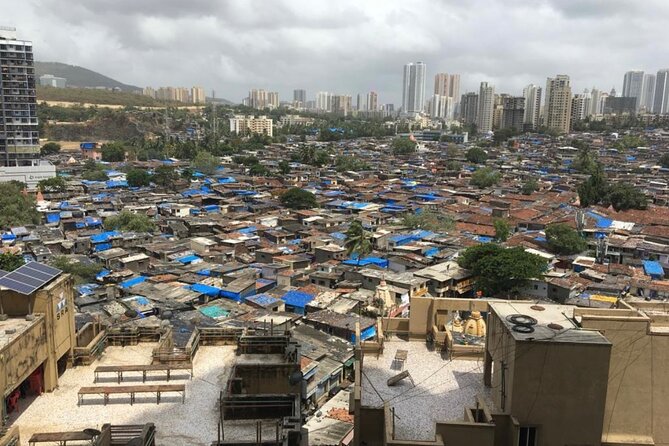
On this kind of tour, the guide is the difference between a photo walk and an understanding walk. This experience is known for knowledgeable, calm guiding and for making space for questions. In particular, Hakim’s name comes up again and again in strong reviews, with people appreciating that he was full of information and told stories as the group moved through the slum and market areas.
Here’s how you can make it work for you, no matter who your guide is:
- Ask what something is used for before asking why it exists
- If you feel unsure about a photo, ask first (it avoids awkwardness fast)
- Don’t treat it like a debate—treat it like a learning conversation
The also-important part: the tour’s tone is described as safe and professional, with people saying they weren’t pushed into a shop to buy things. That gives you permission to focus on observing and understanding, not negotiating.
Price and value for a 3-hour Dharavi and market route
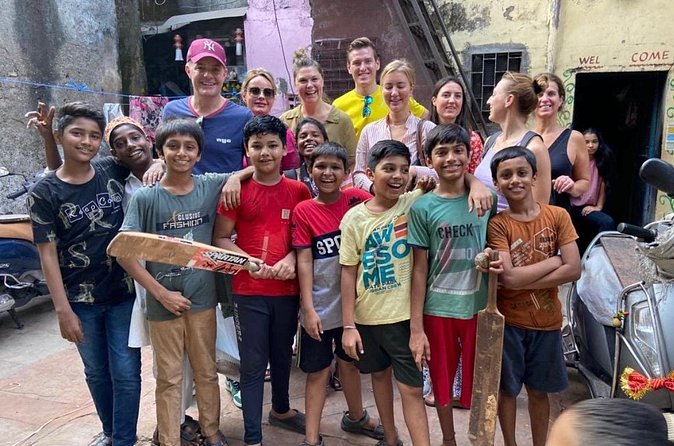
At $39.72 per person for about 3 hours, this is one of the more approachable price points for a guided experience that includes both a major working stop (Dhobi Ghat) and neighborhood market/industry context.
What makes the price feel more fair is that Dhobi Ghat admission is included (about 20 minutes). Many short tours include guidance but leave tickets as extra costs. Here, you start with one confirmed paid component already covered.
Also, the group limit helps value. Maximum of 15 travelers means you’re not squeezed into a giant crowd with no time to ask questions. That might be the most practical value gain of all—especially in areas where space is tight.
Pickup is offered, and you’ll get a mobile ticket. Those two things matter more than they sound. In Mumbai, “how you meet” can determine whether you start stressed or calm. A pickup and a simple ticket format keep the first 10–15 minutes from turning into a mini adventure you didn’t ask for.
What to expect on the ground: timing, walking pace, and group size
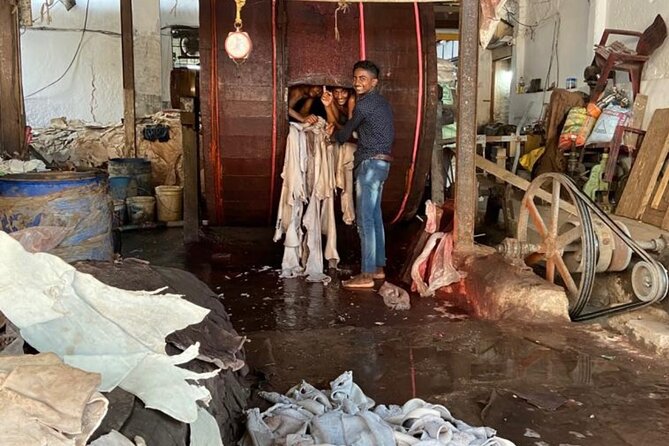
The tour is structured into five stops across roughly three hours:
- Dhobi Ghat (~20 minutes)
- Kumbharwada/Mahim (~30 minutes)
- Mahim lather work (~30 minutes)
- Mahim recycling (~30 minutes)
- Mahim neighborhood context (~20 minutes)
Total time on each segment is short enough to keep your attention, but long enough for real observation. The key practical point: this isn’t a slow, sit-and-watch experience. You’re moving in a neighborhood where things are happening.
The experience also calls for moderate physical fitness. So if you usually do city walking comfortably, you’re likely fine. If you don’t handle uneven surfaces or crowds well, this is the part that could feel tiring.
If you want to set yourself up for an easier day:
- Wear supportive shoes you can walk in for hours
- Keep your phone accessible but don’t stare at it
- Bring a little patience for crowded intersections and narrow lanes
Who should book this Dharavi slum and market tour
This tour is a good match if you want a Mumbai experience that’s practical and human. I’d especially recommend it if:
- You like guided context more than self-guided wandering
- You care about how everyday work functions in a dense city
- You prefer a tour that stays respectful and doesn’t pressure you to buy
- You want both a standout stop (Dhobi Ghat) and follow-on neighborhood industry/market observations
It might not be the best fit if you’re looking for a comfortable, low-footprint sightseeing day. It’s also not ideal if you need lots of time to linger in one place. The format is “move, look, learn,” not “sit and soak in a view.”
FAQ
FAQ
How long is the Dharavi slum and market tour?
It runs for about 3 hours.
How much does the tour cost?
The price is listed as $39.72 per person.
Is pickup offered?
Yes, pickup is offered.
Do I need a printed ticket?
No. You’ll get a mobile ticket.
What is the group size limit?
The tour has a maximum of 15 travelers.
Is Dhobi Ghat admission included?
Yes. Admission ticket for Dhobi Ghat is included (about a 20-minute stop).
Are the other stops ticketed?
The provided details say admission is free for the stops at Kumbharwada and Mahim (including the Mahim lather work, recycling, and local people stops).
Where is it located?
The tour is in Mumbai, India.
Do I need good weather?
Yes. The experience requires good weather, and if it’s canceled due to poor weather, you’ll be offered a different date or a full refund.
Is there free cancellation?
Free cancellation is available, and you can cancel up to 24 hours in advance for a full refund.
Should you book this tour?
I think you should book it if you want a short, guided Mumbai experience that focuses on how people work—laundry at Dhobi Ghat, local trades in Mahim like lather work, and recycling tied to environmental awareness—while keeping a respectful tone. The small group size and the reputation for not forcing sales are big pluses.
I’d hold off if you’re hoping for a relaxed, low-walking day or if you’re uncomfortable moving through busy neighborhood areas. If you’re okay with a moderate pace and you want understanding over spectacle, this is a solid value way to see the city from the inside.