
REVIEW · COOKING CLASSES
Vegetarian Indian Cuisine Virtual Cooking Class Experience from Mumbai
Book on Viator →Operated by Mystical Mumbai · Bookable on Viator
One good Skype link and a hot pan. This vegetarian Indian virtual cooking class from Mumbai puts you in a live session with chef Kajal, so you can ask questions while you cook. I especially like the real-time Skype Q&A and that you’re learning from a local home-kitchen perspective instead of a generic video.
The other thing I like is the online recipes and ingredient guidance that you receive so you can prep ahead and flag items you can’t find. One possible drawback to consider: it’s not a TV-style production, and you need a solid internet connection because it’s taught live (the provider notes the videography won’t be professional).
In This Review
- Key highlights to know before you book
- Booking and setup: getting ready for a Mumbai Skype kitchen call
- Meet Kajal (and Shailesh): a home-chef experience, not a studio show
- Ingredient prep: what you’ll get before class and how to handle tricky stores
- Cooking the Mumbai-style vegetarian dishes step by step
- Using the online recipes so you don’t lose your place
- The one-and-a-half hour reality check: how to get good results fast
- Price and value: why $20 can make sense for live instruction
- Who this class fits best (and who may want to skip)
- My practical tips to make the most of the class
- Should you book this Mumbai vegetarian virtual cooking class?
- FAQ
- How long is the virtual cooking class?
- Where does the class take place?
- What platform do they use?
- Is there a pickup included?
- Is there a mobile ticket?
- Do I receive recipes to follow during the class?
- Can I ask questions during the cooking session?
- Which dish is featured?
- What if I can’t find an ingredient?
- How many people are in the class?
Key highlights to know before you book
- Live Skype cooking with Kajal so you can ask questions as you go
- Online recipes provided to keep you on track during the 1.5-hour session
- Get ingredient guidance in advance, including a chance to tell them what you can’t find
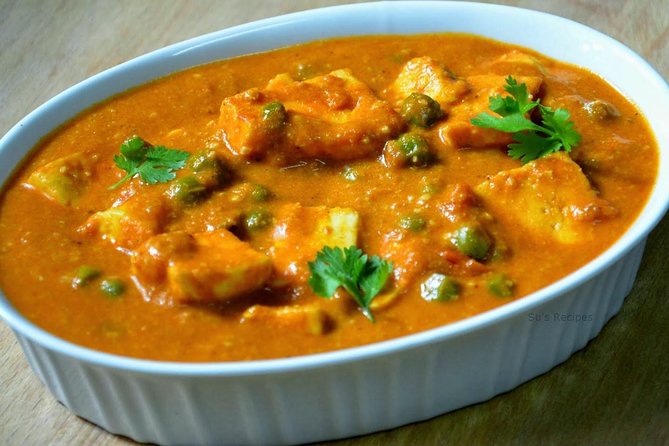
- Focus on vegetarian classics like mattar paneer with real Mumbai-style know-how
- Small group size (up to 6 travelers) for more direct attention
Booking and setup: getting ready for a Mumbai Skype kitchen call
This is a virtual class, so the “getting there” part is mostly about technology. Plan for about 1 hour 30 minutes of active cooking, and book it with enough lead time—on average it’s reserved about 7 days in advance. Once you’re booked, you’ll get details tied to the class before it starts, including recipe support and an ingredient list so you can shop smart.
Your main job is to make sure your setup won’t fight you during cooking. You don’t need fancy gear, but you do need:
- A working internet connection (the experience explicitly asks you to ensure this)
- A way to see and hear the session on Skype clearly
- Your cooking basics ready so you can move fast when the chef asks you to do the next step
Also note the available times are in IST (Indian Standard Time). If you’re traveling, double-check the time conversion so you don’t show up mid-recipe confusion.
One more practical note: the experience mentions pickup offered and mobile ticket—even though it’s virtual, that still matters for how the operator expects your booking to be handled. Keep your confirmation handy so you’re not scrambling on the day of class.
You can also read our reviews of more cooking classes in Mumbai
Meet Kajal (and Shailesh): a home-chef experience, not a studio show
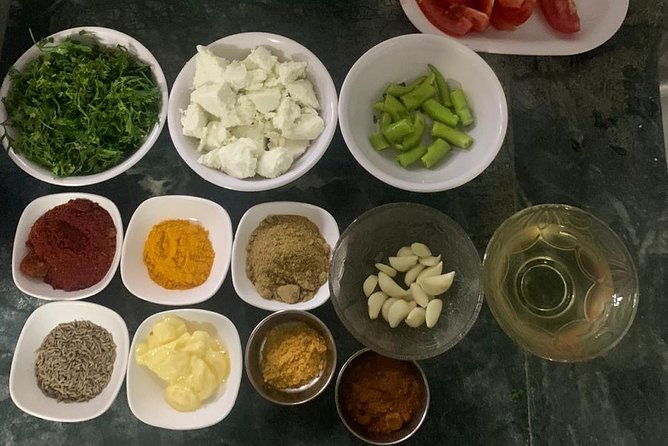
The heart of this class is chef Kajal. She learned cooking from a very traditional Indian family, with training coming through her mom and older sister. In other words, this isn’t “food knowledge from a course.” It’s family-cooked, home-tested knowledge.
The vibe is also grounded in the idea that you’re joining their real life at home. The class is hosted from a small home in Mumbai, and the provider notes you should understand the filming won’t be professional-level videography. That’s a good thing if you want authenticity; it also means you might rely more on instruction than on cinematic visuals.
From the experience’s writeups, Kajal cooks while Shailesh helps with the camera. That split is useful. One person is focused on teaching and explaining, while the other handles the filming. It tends to make the lesson feel more organized than a one-person livestream.
If you’re the kind of person who likes asking follow-up questions (instead of just watching), this matters. The class is set up specifically for you to talk to the chef while you cook, and that’s where you’ll get the best results—especially with Indian spices and techniques, where small differences change the outcome.
Ingredient prep: what you’ll get before class and how to handle tricky stores
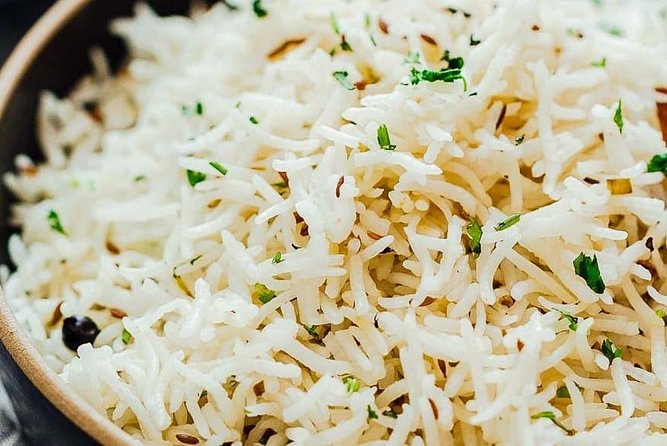
Before you even join the Skype call, you’ll be doing some prep work—and it’s the kind that pays off during the cooking. After booking, you receive an ingredient list and instructions so you can check what you’ll need. If there’s anything you can’t find in your area, you can share that with the chef so they can help you work around it.
I like this approach because it turns a virtual cooking class from guesswork into planning. You’ll spend less time pausing mid-recipe to troubleshoot, and you’ll feel more confident when it’s time to cook.
The class is vegetarian, but that doesn’t mean it’s “simple.” Ingredients like paneer, peas, and spice blends can be different depending on where you shop. The advance list helps you avoid that last-minute panic where you realize you’re missing a key component.
And if you have allergies, the provider asks you to share them with the chef. That’s important for safety and for making sure you’re not winging it. Don’t treat allergies like an afterthought—send the info ahead of time.
Cooking the Mumbai-style vegetarian dishes step by step
The main promise here is hands-on cooking with real instruction. You get to cook through the process while the chef guides you from start to finish. The session covers every step in the food-making process, which is exactly what you want in a virtual class. It’s also why this feels more like a live lesson than a “cook along with a timer.”
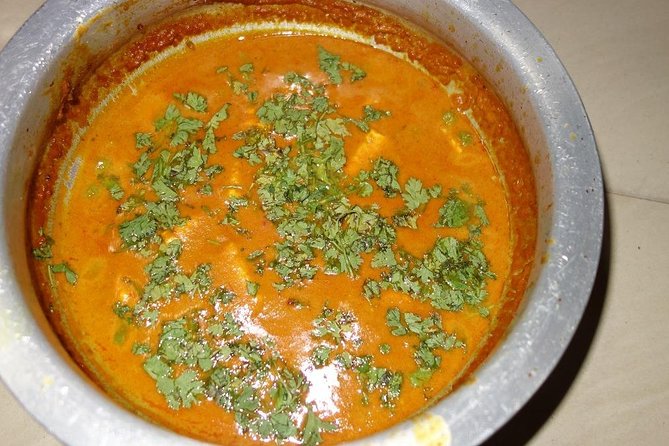
The class highlights popular Indian vegetarian dishes, including mattar paneer—a cottage cheese gravy with peas. Mattar paneer is a great dish to learn in a live format because it teaches technique: how to build a base, how spices behave, and how to manage texture in the sauce. Even if you’ve made paneer before, the chef’s approach—trained in a traditional family style—can steer you toward better flavor and consistency.
During the lesson, you’re meant to ask questions as you cook. That’s not just a nice perk. It’s the difference between:
- Cooking something that looks right but tastes off, and
- Fixing it in real time when you notice the sauce is too thick, too thin, or missing a flavor note
Also, the provider makes a point about cultural context: this class isn’t only about the meal. You’ll “meet our family” and learn about their culture, their home, and how they see the food. That matters because Indian home cooking often ties technique to everyday life—like how certain ingredients are chosen, what “comfort food” means in that household, and why particular steps are done in a specific order.
So yes, you’ll cook vegetarian Indian food. But you’ll also understand the mindset behind it. That’s the value you can’t get from a recipe PDF alone.
Using the online recipes so you don’t lose your place
You’ll receive online recipes to follow along during the session. In a class like this, recipes aren’t just support—they’re your safety net. When you’re cooking with a live instructor, you need the written steps in front of you so you can:
- Re-check a step if you missed a detail
- Adjust your pace without falling behind
- Confirm ingredient amounts while you’re working
The key is to use the recipes in a practical way. Before class starts, skim them quickly so you know what tools and ingredients you’ll need. Then, during the session, use the recipe like a map, not like homework. Focus on what the chef is doing right now, and let the recipe help you keep your bearings.
This is also where asking questions helps. If your sauce looks different from what you expected, you can ask. Then you can adjust rather than “hope for the best.”
You can also read our reviews of more tours and experiences in Mumbai




The one-and-a-half hour reality check: how to get good results fast
A 90-minute virtual cooking class sounds straightforward until you’re actually in it. The pacing is the trade-off: you’ll learn a lot, but you’ll need to stay organized.
Here’s what I’d do to make sure you finish with a dish you’d actually want to serve:
- Have your ingredients pre-measured or at least pre-grouped
- Read the recipe once before class so you know what happens first
- Keep your cutting board and tools close so you aren’t walking around hunting for something mid-step
- Keep a spoon and a bowl ready for tasting and quick checks
The class is for up to 6 travelers, which usually helps with attention. Still, remember the chef and camera team are working from a home kitchen. You’ll get best results if you stay present and responsive when the instructor asks you to do the next thing.
Also: since the provider is upfront that the video quality won’t be professional, don’t rely only on visuals. Treat the instructions and your recipe steps as the main guide.
Price and value: why $20 can make sense for live instruction
At $20 per person for about 1.5 hours, this is one of those deals that works best when you compare it to what you’re replacing. You’re not paying for a full restaurant meal. You’re paying for:
- Live instruction
- Real-time questions
- Recipe support
- A chance to learn a specific dish like mattar paneer from a Mumbai local
If you were to hire a private cooking instructor in many cities, the cost would be dramatically higher. Even when you compare it to a standard online cooking video, this class has a bigger advantage: you can ask questions and get corrections based on what your food looks like.
So the value is tied to your learning style. If you like interactive teaching, the $20 fee starts feeling like a bargain. If you prefer passive cooking videos where you never stop, you might feel the live Q&A time is more than you need. But for most people who actually want to improve their cooking, live instruction is worth paying for.
Who this class fits best (and who may want to skip)
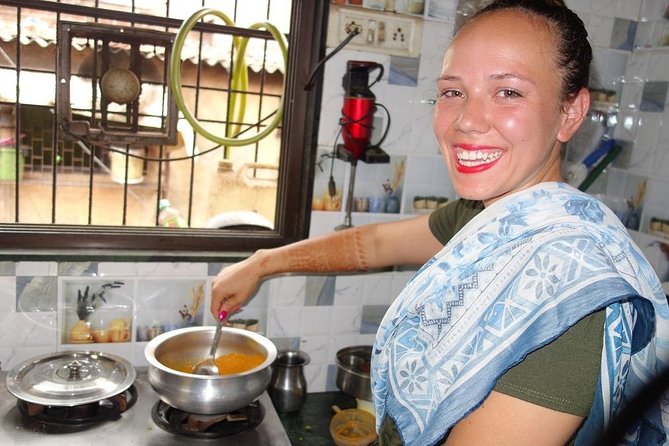
This works especially well if you:
- Want to cook vegetarian Indian food at home
- Enjoy hands-on learning and asking questions live
- Want a connection to Mumbai through a real home kitchen
- Have spices available (or are willing to use the ingredient list to shop)
It may not be the best fit if you:
- Hate live tech sessions or have unreliable internet
- Want a polished, cinematic production (the provider warns the videography won’t be professional)
- Expect a fully formal “culinary school” class structure (this is described as a home-chef opportunity, not a professional cooking class)
My practical tips to make the most of the class
If you want this to feel like a win, treat it like a mini cooking workshop:
- Send your questions early and be ready to ask during the cooking. The class is structured for Q&A on Skype.
- Use the ingredient list as your checklist, not as a suggestion. If you can’t find something, tell the chef ahead of time when they ask or through the process they provide.
- If you have allergies, share them with the chef. Don’t assume vegetarian means allergy-safe.
- Plan your kitchen workflow before class. If you’re chopping and stirring at the same time, you’ll thank yourself later.
- Keep your expectations grounded: it’s a home kitchen from Mumbai, filmed as best they can, and taught by a family-trained chef who’s focused on you—not a studio performance.
The result is that you’ll come away with more than a dish. You’ll have technique and flavor logic you can reuse the next time you cook vegetarian Indian food.
Should you book this Mumbai vegetarian virtual cooking class?
Book it if you want a live, interactive way to learn vegetarian Indian cooking from Mumbai—especially if mattar paneer is on your radar. The combination of chef Kajal’s traditional training, the Skype Q&A, and the advance ingredient guidance is exactly what makes $20 feel reasonable.
Skip it if you’re the kind of cook who needs perfect video quality, has spotty internet, or wants a formal, professional culinary-school lesson style. But if you’re comfortable with a real home setup and you want to learn by doing, this class is a smart way to bring Mumbai flavors to your own kitchen without paying travel costs.
FAQ
How long is the virtual cooking class?
The class runs about 1 hour 30 minutes.
Where does the class take place?
It’s a virtual class in Mumbai, India, taught live from the host’s home kitchen.
What platform do they use?
The class is conducted in real time on Skype.
Is there a pickup included?
Pickup is listed as offered.
Is there a mobile ticket?
Yes, the experience uses a mobile ticket.
Do I receive recipes to follow during the class?
Yes. Online recipes are provided to make it easier to follow along while you cook.
Can I ask questions during the cooking session?
Yes. The session is set up so you can ask questions as you cook.
Which dish is featured?
Mattar paneer is highlighted as one of the favorites taught.
What if I can’t find an ingredient?
You’ll receive an ingredient list and instructions after booking, and you can share if there’s something you can’t find so they can help.
How many people are in the class?
The class has a maximum of 6 travelers.