REVIEW · MARKETS
Explore the New colorful places in Mumbai Market Tour
Book on Viator →Operated by Mumbai Dream Tours · Bookable on Viator
Color in Mumbai hits fast. This South Mumbai market walk strings together stalls, lanes, and sacred landmarks, so you see how daily life really runs.
I especially like the stop mix at Crawford Market and the way the route pairs commerce with religion at places like Jama Masjid. You also get a tight group size (max 15) and a guide who turns busy streets into a story, from Akash’s market-to-cow-sanctuary explanation to Sanika’s personal anecdotes.
One drawback to plan for: it’s still a walking tour through narrow alleys, and drinks aren’t included, so you’ll want to manage water and keep some breaks in mind.
In This Review
- Key highlights before you go
- South Mumbai Markets in 3 hours: how to get your bearings fast
- Crawford Market and Mangaldas Market: shopping streets with a purpose
- Spice, jewelry, and flower lanes: what to notice beyond the labels
- Jama Masjid, Mumba Devi Temple, and Madhav Baugh: sacred spaces next to stalls
- Cow shelter stop: the part that adds heart
- Price, guide quality, and logistics that actually matter
- Should you book the New Colorful Places in Mumbai Market Tour?
- FAQ
- How long is the New Colorful Places in Mumbai Market Tour?
- What does the tour cost?
- How many people are in a group?
- Where does the tour start and end?
- Do I get a ticket on my phone?
- What’s included in the price?
- Are drinks included?
- Is free cancellation available?
Key highlights before you go
- Crawford Market as the anchor: candles, fruit, cloth finds, accessories, and the kind of sensory overload you actually want.
- A lane-by-lane structure: spice, jewelry, flower areas, plus Mangaldas Market cloth streets nearby.
- Faith and commerce side by side: you pass Jama Masjid, the Mumba Devi Temple, and other landmark stops along the way.
- A meaningful cow shelter stop: you get context on everyday compassion, not just shopping.
- Small groups, guided flow: maximum 15 travelers, with a professional guide leading the pace.
South Mumbai Markets in 3 hours: how to get your bearings fast
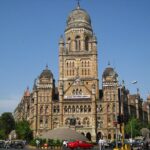
South Mumbai’s markets can feel like you stepped into a living collage. One minute you’re threading narrow lanes with carts and chatter, and the next you’re passing colonial-era facades, temples, and mosques that sit right next to the stalls.
This tour’s biggest strength is its timing and scale. At about 3 hours, it’s long enough to move through multiple market zones, but short enough that you don’t feel trapped in one spot for an entire day. The small group limit (15 max) also helps. You can actually hear your guide and not spend the whole time playing street-survival chess.
Another smart part of the experience is the framing. You’re not only looking at products. You’re learning how the market ecosystem works: where people shop, how vendors sell, what items cluster by trade (cloth, spices, flowers), and how nearby landmarks shape the flow of foot traffic.
If you’re a first-time visitor, this is a good way to make Mumbai feel real quickly. If you’ve been before, it still works because you’re walking with context, so you notice details you might otherwise miss.
You can also read our reviews of more shopping tours in Mumbai


Crawford Market and Mangaldas Market: shopping streets with a purpose
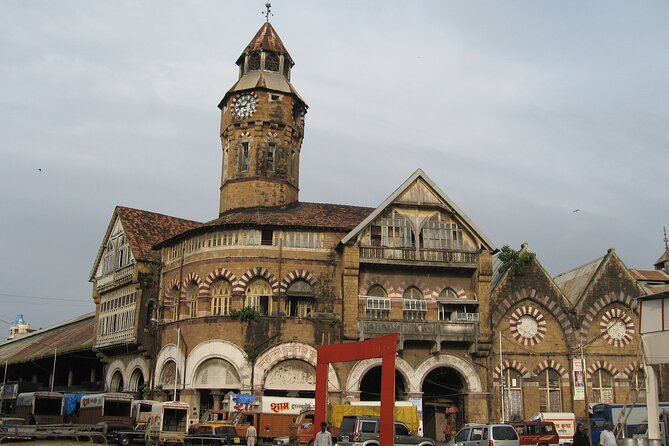
Crawford Market is the name you’ll hear when people talk about classic South Mumbai market sights, and for good reason. It’s the kind of place where you can spot multiple categories close together, which makes it perfect for a short guided walk.
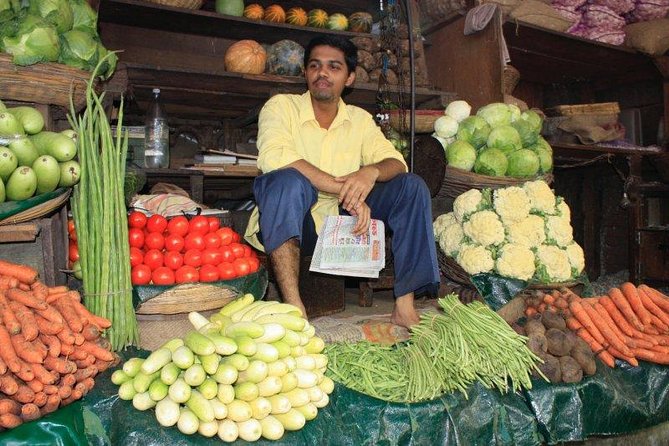
Here’s what you can expect the moment you start looking around: scented candles, exotic fruit, cake molds, party-wear items, and accessories. It’s an eclectic mix, but that mix is part of the point. Markets like this aren’t themed attractions. They’re practical shopping zones where different needs get met within walking distance.
Next door, you shift toward Mangaldas Market, known for cloth and fabric. This is where the tone changes slightly from snack-and-trinket energy to material-focused browsing. You’ll see how fabric shopping works when the area is organized around trade. Even if you don’t buy, it helps you understand why people come here and how merchants draw repeat customers.
One thing I value about this kind of route is that it’s not just about ticking boxes. It’s about teaching your eyes. You start recognizing the patterns: which stalls cluster around which products, how vendors display items, and how people move through tight corridors without constant collisions.
Practical note: this is active walking. If you hate crowded feet and narrow turns, you’ll still likely tolerate it, but you may want to go in with calm expectations.
Spice, jewelry, and flower lanes: what to notice beyond the labels
After cloth streets, the route moves into the sensory parts of the market world. You’ll pass through a spice market, a jewelry market, and a flower market, and each stop has a different feel.
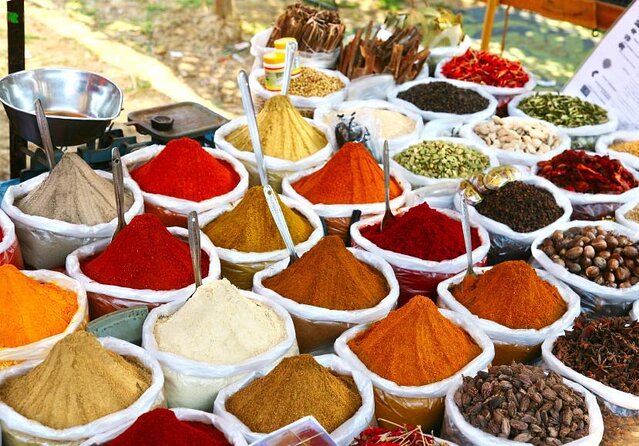
In a spice market, watch for the visual cues first. Spices are color, texture, and shape, and the way they’re packed and arranged tells you what’s traded and how items are presented for quick selection. Then comes smell. Even without buying, this area helps you understand why markets feel alive in your nose as well as your eyes.
The jewelry market is more about display and detail. Here, the guide’s job matters because Mumbai’s market signage and stall setups can blur together fast. With a guided route, you’re not just looking at shiny things. You’re learning how people browse and compare in a dense environment.
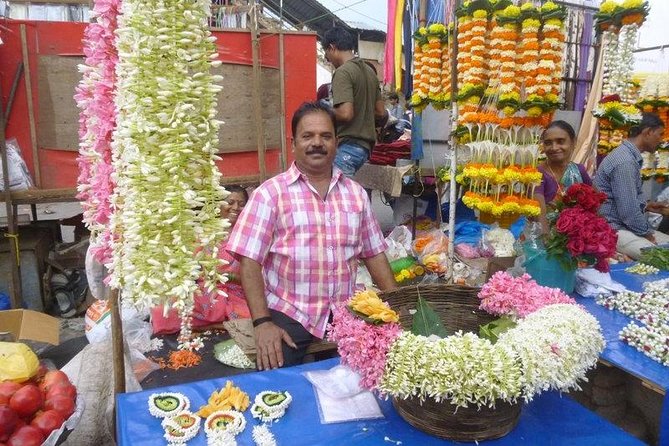
Then you reach the flower market, where the whole area leans toward color and ritual use. Even if you don’t know what every flower is, you’ll start noticing what looks fresh, what’s stacked higher, and what’s being prepared for display and purchase.
A small but real perk: one route start included sugarcane juice for the group, which gave people an easy reset before the walking and viewing got intense. Even if your timing varies, the concept is clear. Starting with something simple can make the first market lanes feel easier.
Jama Masjid, Mumba Devi Temple, and Madhav Baugh: sacred spaces next to stalls
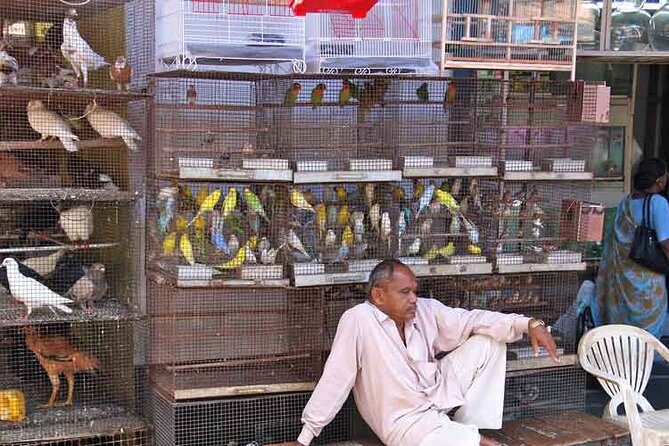
One of the most compelling aspects of this tour is that it doesn’t treat markets like separate from faith. You’ll move from shopping streets into landmark territory, with Jama Masjid (an old Muslim community area) and the Mumba Devi Temple on the path. You also visit Madhav Baugh.
This matters because in South Mumbai, religion isn’t tucked away. It’s part of the same street geography as vendors, alleyways, and daily errands. When you pass these sites with a guide, you start understanding why foot traffic and market activity concentrate where they do.
At Jama Masjid, your focus shifts from product scanning to atmosphere. You’re watching how people relate to the space and how nearby activity continues without feeling forced. Your guide’s explanations help you read what you’re seeing instead of just walking past it.
At Mumba Devi Temple, the mood changes again. Even if you’re not there for religious participation, you can learn how the area works as both a landmark and a meeting point. Temples like this often pull people in daily, and the market environment around them grows naturally.
Then Madhav Baugh acts like a bridge stop, helping you connect the dots between street life and named local areas. This is the kind of stop that makes a short tour feel more substantial because it adds meaning to the route.
A tip that helps: take one slow minute at each landmark. Stand still long enough to notice how the street moves around it. In markets, motion is constant. Pausing once or twice helps you remember the experience later.
Cow shelter stop: the part that adds heart

A market tour can turn into pure consumption if it’s not balanced. This route adds that balance with a cow shelter stop.
You’re not visiting a museum. You’re seeing a working part of the city’s everyday ecosystem, and you’re hearing the reasoning behind why this kind of support exists close to where people shop and walk.
This stop is often where the tour feels most different from generic “shopping walks.” It gives you a chance to think beyond what’s for sale and what people care for. In the tour experience you’re reading about, guides like Akash were praised for making this section feel informative, not just logistical.
If your travel style includes local values and real-world context, this will likely be the moment you remember most. It turns the phrase South Mumbai markets into something broader than fruit and cloth.
And practically, it also breaks up the shopping intensity. After spice colors and crowded aisles, the shelter stop gives your brain a different kind of focus.
You can also read our reviews of more tours and experiences in Mumbai




Price, guide quality, and logistics that actually matter
At $36.24 per person for about 3 hours, you’re paying for three things: guided navigation in tight market zones, context at landmarks, and a route that hits multiple market categories without turning into a half-day slog.
The tour includes the guide and says admission is free for the experience. Drinks are not included, so plan to bring your own water bottle or be ready to buy water on your own nearby.
Group size matters here. With maximum 15 travelers, the tour avoids that worst-case scenario where you’re stuck behind someone’s tote bag and you miss the guide’s explanation. You also have a better chance to ask a question and actually get a direct answer.
Meeting point is straightforward: McDonald’s, No 134 to 136, Empire Building, Dr Dadabhai Naoroji Rd, Azad Maidan, Fort, Mumbai. The tour ends back at the same meeting point, which helps you avoid the stress of figuring out how to get home mid-walk.
If you’re choosing between tour guides, look at the style. Akash is noted for market coverage plus the cow shelter context. Sanika stood out for professionalism and personal anecdotes. Arjun was praised during an early-morning style slot for making the markets and their wider ecosystem make sense. Siddhi Gunjal received praise for story-driven explanations, which is ideal if you like meaning alongside visuals. Rakesh also gets credit for combining well with another walk in the same area, which hints at a smooth, well-structured approach.
Should you book the New Colorful Places in Mumbai Market Tour?
Book it if you want a high-signal market introduction to South Mumbai: multiple market zones in one walk, plus landmark stops that connect faith and street life. It’s especially appealing if you like markets but hate the idea of being steered into purchases.
I’d think twice if you dislike crowds or walking through narrow alleys without lots of space to breathe. It’s still a market walk, so wear comfortable shoes and keep water in mind since drinks aren’t part of the package.
If your goal is to understand how Mumbai markets operate—what’s traded, how people move, and how landmarks shape the scene—this is a solid 3-hour use of your time.
FAQ
How long is the New Colorful Places in Mumbai Market Tour?
It runs for approximately 3 hours.
What does the tour cost?
The price is $36.24 per person.
How many people are in a group?
The tour has a maximum of 15 travelers.
Where does the tour start and end?
It starts at McDonald’s (No 134 to 136, Empire Building, Dr Dadabhai Naoroji Rd, Azad Maidan, Fort, Mumbai) and ends back at the same meeting point.
Do I get a ticket on my phone?
Yes. You’ll receive a mobile ticket.
What’s included in the price?
A professional guide is included, and admission tickets are listed as free.
Are drinks included?
No, drinks are not included.
Is free cancellation available?
Yes. You can cancel for a full refund up to 24 hours in advance.