REVIEW · DHARAVI SLUM TOURS
Walking Tour of Dharavi Slum in Mumbai
Book on Viator →Operated by Amaze Mumbai Tour · Bookable on Viator
Dharavi isn’t what you think. This walking tour of Dharavi Slum in Mumbai trades judgment for street-level insight, with a local guide leading the way through real work and real community life. You’ll get a perspective that’s hard to get from photos or headlines.
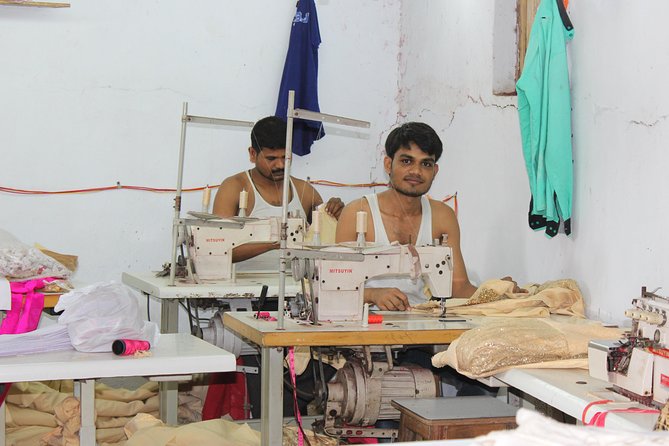
What I liked most is the local guide approach. Guides such as Ganesh, Alam, and Dawood (seen leading on recent departures) bring clear English, calm confidence, and a strong sense of how to keep the group safe. I also love the variety of small industries you can spot in motion—recycling, pottery, embroidery, soap-making, and leather tanning—often happening in tight spaces.
One consideration: photography isn’t allowed at certain locations, so if you’re hoping to document everything with your camera, plan to rely on memory and notes instead. That rule isn’t random—it’s about privacy for the people working and living there.
In This Review
- Key takeaways before you go
- Why this Dharavi walk is more about daily life than shock value
- Finding the start near Mahim Station (West): what to do first
- The flow of a small-group walk (1.5–2 hours) and how pace feels
- Stop 1: Entering Dharavi to understand the community “why”
- Stop 2: Dharavi leather industry and how “dominant” looks on the ground
- Stop 3: Pottery-making in tight workshops—skill you can actually see
- Guide power: why the tour feels safe and personal
- Respect and privacy rules: what to do about photos and clothing
- Price and value: what $12 buys (and what it doesn’t)
- Who should book this Dharavi tour (and who might skip)
- Should you book this Dharavi walk?
- FAQ
- Where does the tour start and end?
- How long is the Dharavi walking tour?
- Is photography allowed during the tour?
- Is the tour suitable for children?
- What’s included in the price, and is food provided?
- What’s the cancellation refund window?
Key takeaways before you go
- Local guide-led, safety-first pacing with small groups (up to 15).
- Workshops in action, including leather industry stop(s) and pottery-making stop(s).
- Challenging stereotypes on foot, by seeing how community life and small business overlap.
- Cultural mix in one neighborhood, with temples, mosques, and churches side by side.
- Photography restrictions at some spots, so go ready to observe without recording.
Why this Dharavi walk is more about daily life than shock value
A Dharavi walking tour works because it’s built around everyday reality, not just drama. Dharavi is home to almost one million people, and the “slum” label usually flattens that complexity into a single story. Walking through the area with a local guide gives you a different lens: you see neighborhoods, faith spaces, and community routines that exist alongside small-scale industry.
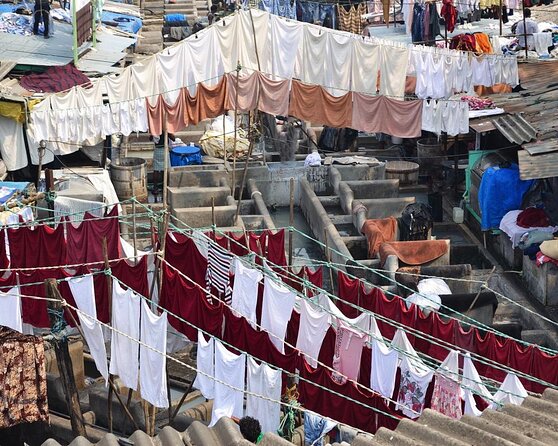
The strongest payoff is how the tour connects people to work. You don’t just hear about industries—you see activity happening in cramped work zones using innovative techniques. Recycling, pottery-making, embroidery, soap-making, and leather tanning aren’t abstract topics. They’re trades with rhythm, tools, and hands-on skill.
And yes, it can be emotional. But it’s not poverty tourism. It’s closer to an urban culture and industry walk, where the focus stays on how a community organizes itself and keeps moving.
You can also read our reviews of more walking tours in Mumbai



Finding the start near Mahim Station (West): what to do first
You’ll meet in the morning near Mahim Station (West), in the area outside a coffee shop (the start location is given as Cafe Coffee Day/Third Wave Coffee area near Mahim). The exact pin is provided in the meeting details, and it’s worth double-checking the map on your confirmation so you show up at the correct spot.
Wear shoes you can walk in for 1.5 to 2 hours. Dharavi is active and fairly tight in places. The tour is listed as moderate physical fitness, so if your knees or ankles get cranky easily, bring supportive footwear.
Dress matters. You’re asked to dress appropriately and avoid very short clothes. It’s a simple respect issue, and it also makes it easier to feel comfortable while moving through crowded areas.
The flow of a small-group walk (1.5–2 hours) and how pace feels
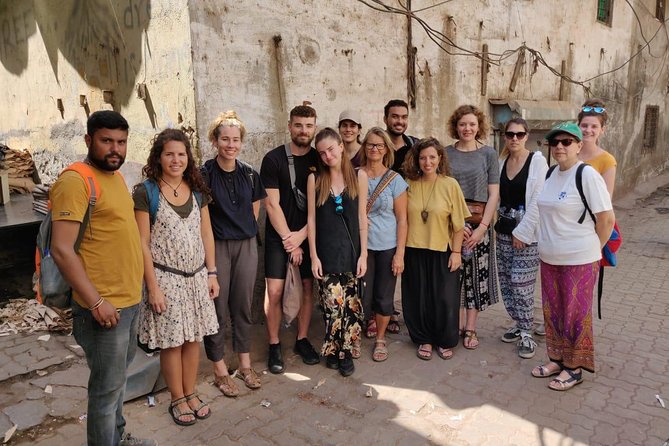
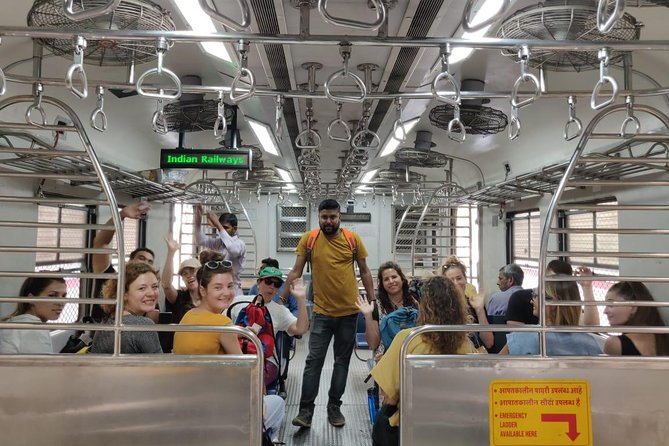
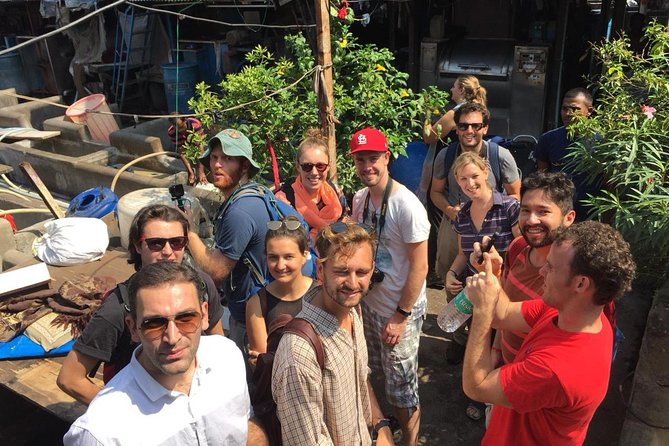
This is a small-group experience with a maximum of 15 people. That size is a big deal. In dense neighborhoods, a huge group turns into a bottleneck fast. With a small crew, your guide can keep the group together, slow down at important moments, and redirect when the path gets crowded.
Plan on about 90 minutes to 2 hours. The time is long enough to see multiple industry stops and understand the logic of how they cluster, but it’s not so long that you’ll feel stuck in one place. You’ll be walking throughout, with short stops that let the guide explain what you’re seeing.
One more practical tip: bring your own water if you can. The tour doesn’t include food or drinks, and one of the stops includes the option to pick up bottled water from a shop.
Stop 1: Entering Dharavi to understand the community “why”
The walk begins with an introduction to Dharavi itself. Your guide frames the area as a large, living neighborhood with a dense population—about one million people. The goal here isn’t to scare you or sell you a single moral. It’s to get you to challenge negative stereotypes about what life in a slum is supposed to look like.
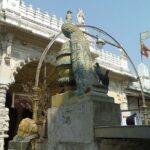
One of the most useful things you’ll learn is how diversity shows up on the street. People from all over India live in Dharavi, and when you’re walking you’ll notice temples, mosques, and churches side by side. That detail sounds simple, but on foot it lands. It helps you see Dharavi as a real community with overlapping identities, not a monolith.
This first stop also sets expectations for the rest of the walk. Once you understand the neighborhood rhythm, the industries you see next make more sense. That’s when the tour becomes genuinely informative rather than just observational.
Stop 2: Dharavi leather industry and how “dominant” looks on the ground
The leather industry is described as dominant in Dharavi, and the stop reflects that. In real terms, you’ll be watching a process tied to manufacturing and trade, not just a storefront display. Leather tanning and related work are part of the everyday economic engine.
What I appreciate about the way the tour handles this stop is the emphasis on space. Many activities use innovative techniques in very confined spaces. So instead of imagining a clean factory floor, you’re seeing how work gets done where space is limited and everything is packed close. That’s often the reality in urban industrial zones anywhere in the world—but Dharavi compresses it to an extreme that’s worth understanding.
Because leather can feel intense for some people, pay attention to your comfort level. If you’re sensitive to strong smells or messy work environments, let your guide know early. A good guide keeps the pace manageable and helps you move through the area without the group getting overwhelmed.


Stop 3: Pottery-making in tight workshops—skill you can actually see
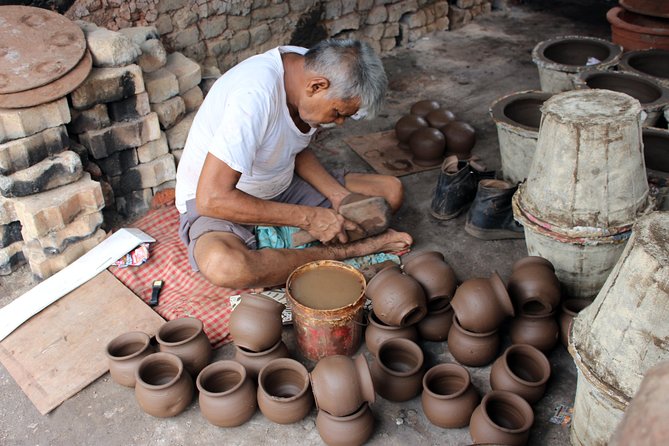
The tour also includes a pottery stop, with the making and selling of ceramics highlighted as a significant industry. This is a nice balance after leather. Pottery tends to read more naturally as craft work, and you can usually spot the workflow more easily: materials, tools, shaping, and the step-by-step skill the guide points out.
The key idea here is that these are small manufacturing zones. You’re not looking at a museum craft demo. You’re seeing a working process tied to sales and local demand.
If you’re someone who likes to connect objects to technique, this stop will satisfy you. You’ll come away with a clearer sense of how everyday consumer goods are produced inside dense neighborhoods.
Guide power: why the tour feels safe and personal
The biggest reason this tour gets such strong ratings is the guide experience. The tour emphasizes being led by a local guide, and the guides highlighted in recent departures include people like Ganesh and Alam, plus Dawood on some departures. Across accounts, the common thread is kindness, strong explanation, and clear group control.
That matters in Dharavi. Dense streets can make it easy to lose your bearings. A good guide prevents that. Safety isn’t just about avoiding hazards—it’s about timing your steps, positioning the group, and keeping people from wandering off into restricted or private areas.
One more detail I really value: guides help you slow down and understand what you’re seeing. When a guide explains the history of Dharavi alongside what’s happening right now—recycling processes, ceramics work, soap-making, and leather-related trade—the whole walk starts to click into place.
Respect and privacy rules: what to do about photos and clothing
Here’s the reality check: photography isn’t allowed at certain locations. That rule is there for a reason—privacy for the people living and working there.
So I’d treat this like a discipline. Look first, photograph second, and follow your guide’s instructions without bargaining. If you want to capture the moment for yourself, be ready to rely on mental snapshots and a few quick notes afterward.
Clothing guidance also signals respect. Avoid very short clothes, and dress appropriately. You’ll feel more comfortable moving through tight, community-filled streets, and your presence is less likely to cause friction.
Price and value: what $12 buys (and what it doesn’t)
At $12 per person, this tour is priced for maximum accessibility. You’re paying for a local guide, a structured walk with multiple industry stops, and small-group attention (maximum 15 people). The tour also lists a free admission ticket component for the time spent at stops, so you’re not paying extra entry fees once you’re in.
What you’re not getting: food and drinks, plus hotel pickup/drop-off. That’s normal for a neighborhood walk. The value is in the guide’s context and the walk itself, not in added comforts.
For me, the best value angle is this: you get context about how community life and industry overlap, and you see multiple trades in a short window—leather and pottery specifically, plus the broader range of work the guide points out as you move.
Who should book this Dharavi tour (and who might skip)
This is a great fit if you:
- Want an urban, human-scale experience in Mumbai that focuses on how people make a living.
- Like walking tours with a strong local guide voice.
- Are curious about small-scale industries and how they operate in confined spaces.
- Can handle a moderate walking level and dense streets.
It can also suit families, as long as kids meet the requirements. The tour sets a minimum age of 5, and children must be accompanied by an adult.
I’d think twice if you:
- Need nonstop picture-taking opportunities (some stops restrict photos).
- Want a relaxed sightseeing day with long scenic breaks and minimal crowding.
- Are uncomfortable with close-up work environments like leather production or industrial recycling.
Should you book this Dharavi walk?
I’d recommend booking this tour if you want a realistic, local-led view of Dharavi—one that connects community life with industry. The rating is very high (4.9) and it’s recommended by 98%, which lines up with what matters most here: helpful guides, clear explanations, and a sense of safety.
Book it with the right mindset. Go to observe and learn, not to collect photos or hunt for a single emotional reaction. If you’re respectful, follow the guide’s instructions (especially around photography), and dress sensibly, you’ll walk away with a Mumbai story that feels more precise than any stereotype.
FAQ
Where does the tour start and end?
You meet near Mahim Station (West) outside a coffee shop area, listed as Cafe Coffee Day/Third Wave Coffee. The tour ends opposite Sai Multispeciality Hospital & Research Centre on 90 Feet Rd, behind Sion Hospital.
How long is the Dharavi walking tour?
The walk lasts about 1 hour 30 minutes to 2 hours.
Is photography allowed during the tour?
Photography is not allowed on this tour at certain locations. You’ll need to follow the guide’s directions.
Is the tour suitable for children?
Children must be accompanied by an adult, and the minimum age is 5 years.
What’s included in the price, and is food provided?
The local guide is included. Food and drinks are not included.
What’s the cancellation refund window?
You can cancel up to 24 hours in advance for a full refund. If you cancel less than 24 hours before the start time, the amount paid is not refunded.