REVIEW · DHARAVI SLUM TOURS
Group Tour of Dharavi Slum walk with local Guide
Book on Viator →Operated by Mumbai Dream Tours · Bookable on Viator
A real local guide changes Dharavi. In just about 2 hours, you’ll walk through working streets and everyday homes, with explanations from someone who was born and raised in Dharavi and knows what daily life really looks like. You also get a tight route that includes both production areas and community spaces, so the visit doesn’t feel one-dimensional.
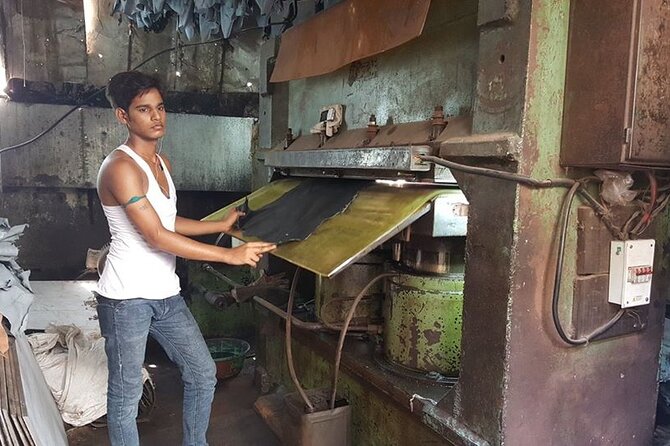
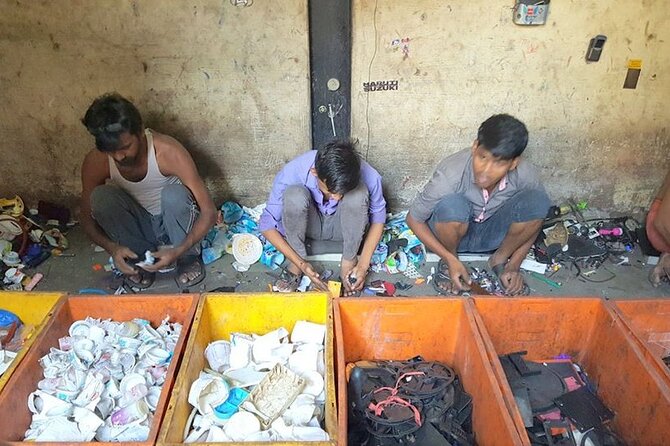
What I like most is the focus on hands-on industry—leather work, pottery, soap making, bakery work, colour dye, plastic recycling, and recycling used veg oil. The second big win is that you also see the residential side, including small alleys, schools and hospitals, housing, and even a cross-faith moment where Muslim residents make a shrine for Hindus.
One consideration: this is a walking experience inside a busy area with lots happening at once. You’ll need a calm, respectful attitude and patience for crowded spaces and close quarters, and this isn’t the kind of tour where you’ll linger for photos or long breaks.
In This Review
- Key things to know before you go
- Why a Dharavi Slum Walk Works Best With a Local Guide
- Price and What You Actually Get for About $12
- The Start at Third Wave Coffee and the Easy End in Dharavi
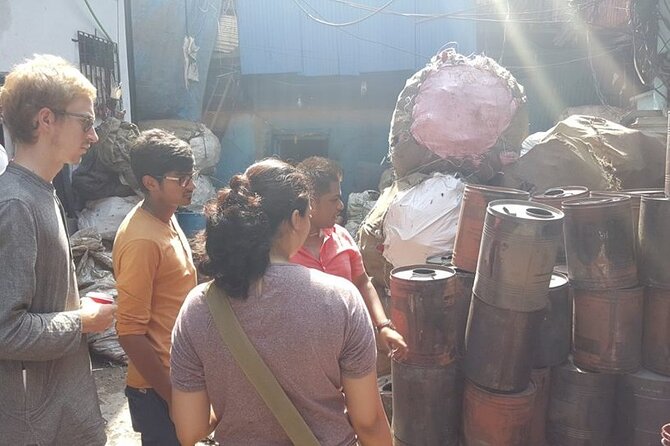
- What 2 Hours Looks Like on the Ground
- Stop-by-Stop: Film Location to Leather, Pottery, Soap, Bakery, Dye, and Recycling
- A note on what you might also see near the tour area
- Schools, Hospitals, Houses, and the Cross-Faith Shrines
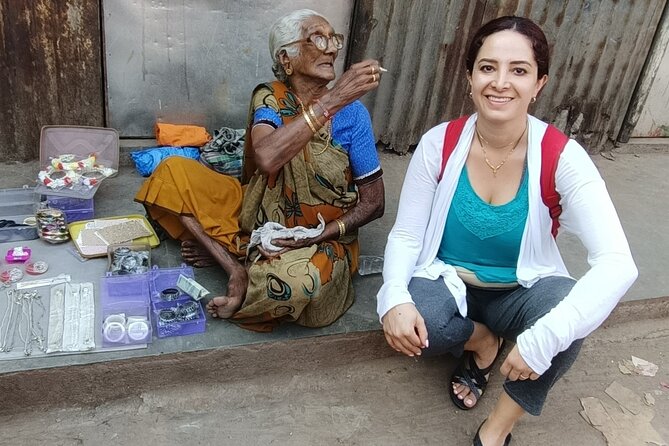
- The Color of Dharavi’s Markets: Small Stalls and Supply Chains
- Comfort, Etiquette, and Questions That Make the Walk Better
- The Small Group Advantage: Maximum 15 Travelers
- Should You Book This Dharavi Slum Walk?
- FAQ
- How long is the Dharavi slum walk?
- How much does the tour cost?
- Is the tour ticket digital?
- What’s included in the price?
- What is not included?
- Where does the tour start?
- Where does the tour end?
- How big is the group?
- What is the cancellation policy?
Key things to know before you go
- Local-born guiding: the guide’s personal connection matters in how the tour is explained.
- Work + home in one loop: you’ll see industries and daily life rather than only one side of Dharavi.
- Small group size: limited to a maximum of 15 travelers, which keeps questions practical.
- 2 hours, mobile ticket: plan for a focused walk, and your ticket is handled digitally.
- Included basics: bottled water and an English-speaking guide are part of the price.
- You’ll end near transport: the finish point is in Dharavi, with Uber or local taxi usually easy to arrange.
Why a Dharavi Slum Walk Works Best With a Local Guide
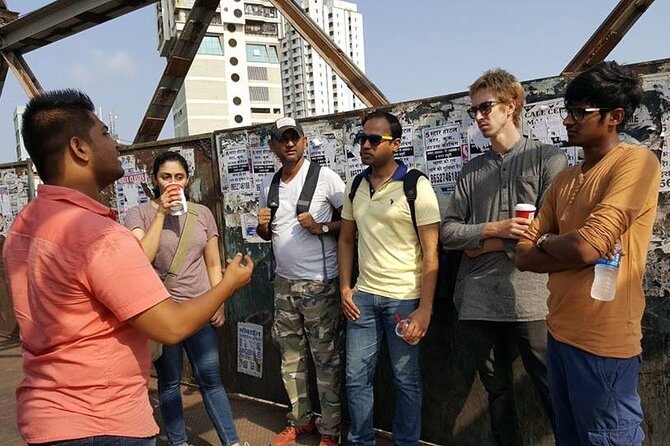
Dharavi isn’t something you can fully understand from a headline. A good local guide changes the whole experience, because you’re not just viewing scenes—you’re hearing how people describe what they do, how they learned it, and what daily routines look like.
This tour leans into that idea. The walk is led by a local guide who lives in the slum area, so you’re hearing the story from inside the community. In the feedback, guides get praised for being open to questions and for offering context beyond surface impressions. People specifically name guides like Bharti, Abhishek, and Mahesh, and the common thread is the same: the explanations feel grounded because the guide actually lives with the reality they’re describing.
I also appreciate that the tour is in English. That matters because Dharavi has many layers—workshops, homes, community services, and religious life—and you don’t want to miss the meaning because you can’t follow the language.
You can also read our reviews of more walking tours in Mumbai


Price and What You Actually Get for About $12
At around $12.26 per person, the value is mostly about two things: time and a guided route. You’re paying for a structured, explain-it-on-the-walk tour that runs about 2 hours and includes a guide plus an admission ticket.
Here’s what’s included:
- Bottled water
- English-speaking guide
- Admission ticket included
And here’s what isn’t:
- Coffee and/or tea
- Any type of food
- Tips
So think of this as a walk-and-learn experience, not a meal tour. If you’re planning lunch, you’ll want to budget for it separately. Also, since mobile ticket is part of the setup, you’ll want your phone charged enough for the start time.
The average booking window is about 8 days ahead, which usually means you can find space if you’re planning with a little lead time. And with a maximum of 15 travelers, you’re not stuck with a huge crowd blocking sightlines or slowing down questions.
The Start at Third Wave Coffee and the Easy End in Dharavi
Logistics can make or break a short tour, and this one keeps things fairly straightforward.
You begin at:
Third Wave Coffee, Tip Road, Unit no. 58, Ground, Ram Mahal, Senapati Bapat Marg, Marinagar Colony, Station, Mahim, Mumbai, Maharashtra 400016.
You end at:
Sai Multispeciality Hospital & Research Centre, 90 Feet Rd, behind Sion Hospital, Muslim Nagar, Kumbhar Wada, Dharavi, Mumbai, Maharashtra 400017.
That end point is the practical part. The tour notes that you can easily get an Uber or local taxi from the end location. In real terms, this helps if you’re heading back into the city right after the walk rather than trying to retrace your steps.
What 2 Hours Looks Like on the Ground
This tour is designed to be intense in a good way: you cover a lot without stretching into an all-day affair. Expect a steady walking pace through different areas, moving from production spaces to residential streets and community institutions.
The itinerary is built around a chain of visible work and visible daily life. You won’t just hear about Dharavi in general terms—you’ll move from one type of activity to another, which helps you connect how materials turn into products and how services and homes exist alongside the industries.
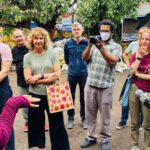
A key detail is that the group is small. That’s important in places where you’re moving through narrow alleys and busy activity zones. Smaller groups generally make it easier for the guide to manage questions and keep the tour flowing.
Also, the tour includes bottled water, which helps because this is still a city-area walk in Mumbai’s conditions. Anything beyond that—tea, coffee, snacks—is on you.
Stop-by-Stop: Film Location to Leather, Pottery, Soap, Bakery, Dye, and Recycling
The route is clever because it links famous Mumbai pop culture to real economic activity. You start with the place where Slumdog Millionaire was shot, which gives many people a familiar entry point. Then the tour quickly grounds that attention in everyday work.
From there, you move into industry zones and see how production happens. The walk includes:
- Leather industries
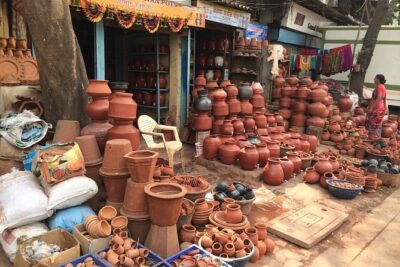
- Pottery
- Making of soap
- Bakery
- Colour dye
- A small alley (a quick look at how close spaces shape daily movement)
- Plastic recycling
- Recycling of veg oil
Each stop has a different lesson. Leather and pottery show how skilled work turns raw materials into usable goods. Soap making and bakery work highlight a mix of craft and regular production—things that keep local needs moving. Colour dye helps you understand the process side of materials, where outcomes depend on careful handling.
Recycling is one of the biggest themes in the walk. Plastic recycling and used veg oil recycling both show how “waste” can become input for something new. You start seeing connections: what comes in, what gets processed, and what eventually leaves the area as finished or semi-finished items.
Even if you know Mumbai is full of industries, this part of the tour gives you the “how” in a way that static sightseeing usually can’t. You’re not reading about recycling—you’re watching the cycle described by someone who sees it daily.
You can also read our reviews of more guided tours in Mumbai



A note on what you might also see near the tour area
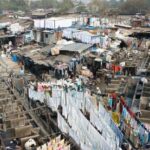
One piece that shows up in guide-related feedback is that some versions of the experience can include the Dhobi Ghat area alongside the Dharavi walk. The exact route isn’t detailed here beyond the Dharavi stops, but if you’re curious, it’s reasonable to ask your guide at the start whether anything like that is included on your particular day.
Schools, Hospitals, Houses, and the Cross-Faith Shrines
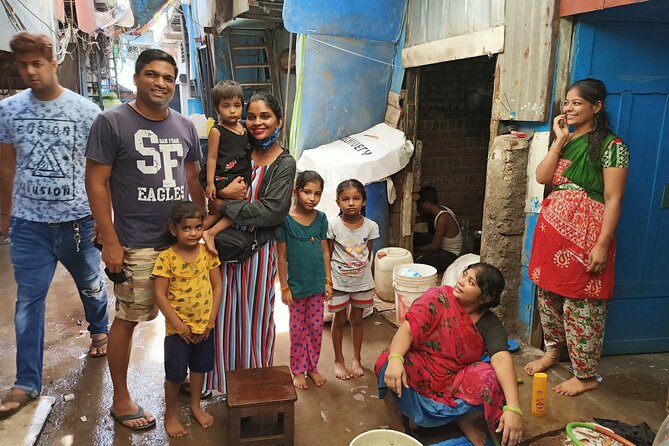
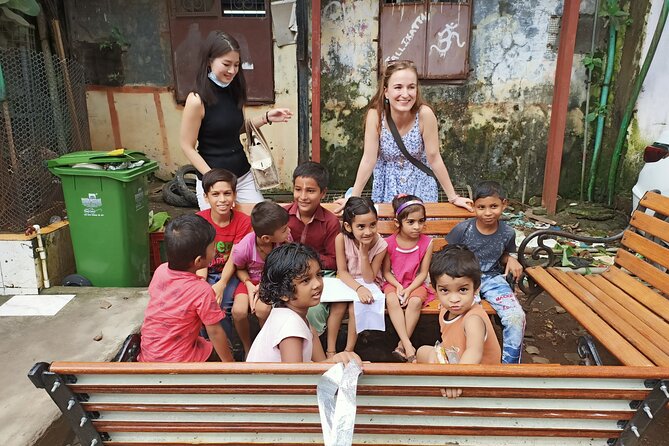
A big reason this tour gets strong ratings is that it doesn’t treat Dharavi as only a workplace. The itinerary intentionally includes community life elements that help you see the area as a place where people live, raise kids, and get care.
You’ll pass by or visit:
- Schools and hospitals
- Houses in the slum
- A Muslim community making a shrine for Hindus
This mix matters. A tour that only focuses on work can accidentally turn everything into a factory tour, like people are just labor. When schools and hospitals appear in the story, it reminds you that the community has public services and future-focused routines. The home section brings you back to the reality that production and residence share the same geography.
The cross-faith shrine detail is one of the most memorable moments because it shows how religious practice can interact in daily life. It’s not presented as a dramatic talking point—it’s part of what the guide points out while you walk. For many visitors, that’s the moment the tour becomes more than a tour. It starts to feel like learning how people coexist and make shared space work.
The Color of Dharavi’s Markets: Small Stalls and Supply Chains
Near the end, the route brings you to the slum market. This is where the workshop-to-street connection becomes more visible.
Markets are where finished items meet customers. Even without a long shopping stop, the market visit helps you understand the local economy as a chain: inputs become products, products get circulated, and the area depends on that flow.
I like this ending structure because it gives you a final mental picture of where the work you saw earlier fits into daily life. You leave with the sense of how industries connect to commerce, not just how people create things.
Comfort, Etiquette, and Questions That Make the Walk Better
You can get more out of this tour if you come prepared to treat it like a conversation, not a show.
The guide is English-speaking and is specifically described as open to questions, so you’ll get value if you ask practical things as you go. In feedback, the best experiences are tied to guides who explain carefully and handle questions calmly.
Because coffee/tea and food are not included, I recommend planning your timing so you don’t feel stuck needing a break halfway through. The tour includes bottled water, which helps, but the rest is on your own schedule.
Also, tips are not included. If you feel the guide was especially good, budget for that. A small group size means your guide is likely spending time responding to you and keeping the group together.
The Small Group Advantage: Maximum 15 Travelers
Many city tours feel crowded fast. Here, the maximum is 15 travelers, which supports a better learning environment.
With fewer people:
- You can hear explanations more easily
- The guide can manage pacing through narrower sections
- Questions are more likely to get answered thoroughly
In the feedback, people praised guides for being friendly, professional, and deeply connected to Dharavi. Those traits land better when a guide isn’t trying to manage a huge group. You feel like you’re part of a small moving class rather than a mass crowd.
Should You Book This Dharavi Slum Walk?
I’d book it if you want a short, focused experience that shows Dharavi as both a work hub and a living community. The combination of industry stops (leather, soap, bakery, dye, plastic recycling, veg oil recycling) with school, hospital, houses, and the shrine moment gives you a more complete picture than many oversimplified “slum tours.”
You might skip it if you’re looking for a relaxed sightseeing day with lots of downtime, since this is a walking experience with limited included extras (water yes, food/tea/coffee no). Also, if you’re uncomfortable in crowded, close-quarters city environments, you’ll want to think twice.
FAQ
How long is the Dharavi slum walk?
It’s listed as about 2 hours.
How much does the tour cost?
The price is $12.26 per person.
Is the tour ticket digital?
Yes, it has a mobile ticket.
What’s included in the price?
The tour includes an English-speaking guide, bottled water, and admission ticket.
What is not included?
It does not include coffee and/or tea, and any type of food. Tips are also not included.
Where does the tour start?
The start point is Third Wave Coffee, Tip Road, Unit no.58, Ground, Ram Mahal, Senapati Bapat Marg, Mahim, Mumbai, Maharashtra 400016.
Where does the tour end?
It ends at Sai Multispeciality Hospital & Research Centre, 90 Feet Rd, behind Sion Hospital, Dharavi, Mumbai, Maharashtra 400017. Uber or local taxi is usually easy from there.
How big is the group?
The tour has a maximum of 15 travelers.
What is the cancellation policy?
You can cancel for a full refund up to 24 hours before the experience starts. If you cancel less than 24 hours before, the amount paid isn’t refunded.