REVIEW · DHARAVI SLUM TOURS
Mumbai: Dharavi Slum Guided Walking Tour by 1st Female Guide
Book on GetYourGuide →Operated by Magical Mumbai Tours · Bookable on GetYourGuide
Dharavi changes how you see Mumbai. This guided walking tour is built around a local female guide (a university student from the area), and it focuses on two things I really like: the commercial side of Dharavi and the chance to have lunch in a local home. The downside to be aware of is that this is real walking in tight lanes, so it is not suitable for wheelchair users and it has an age limit of people over 95.
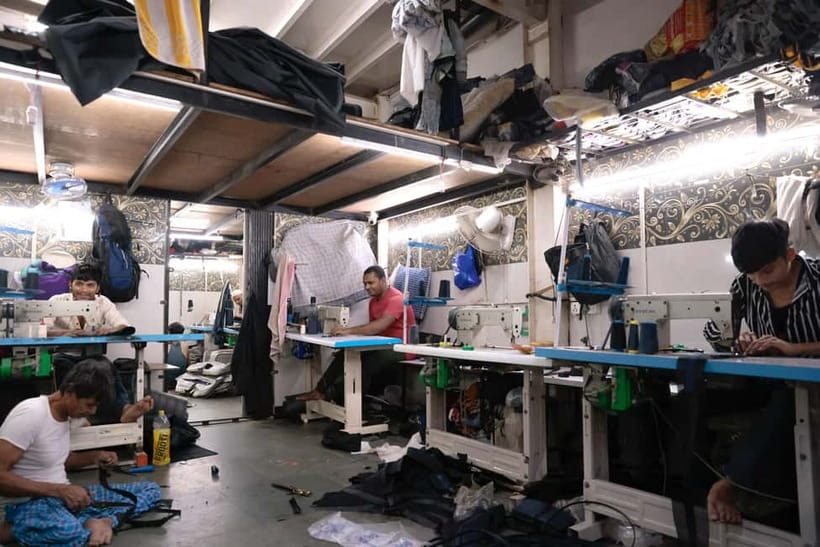
You’ll start with the commercial rhythm first: factories and workshops tied to plastic and paper recycling, leather production, clothing manufacturing, and other small-scale trades. Then you’ll shift to the residential side to understand daily life, including the oldest local craft community known for earthen pots and clay items. It’s designed to challenge stereotypes in a straightforward way, with your guide explaining what you’re seeing and answering questions in clear English.
What makes this outing stand out in practice is the people-first angle. Your guide’s education support is part of the point of the tour, and the tone stays respectful. If you’re the type who likes quick photo stops only, this may feel more thoughtful and slow than you expect, because the route is about understanding, not sightseeing ticks.
In This Review
- Key things to know before you go
- Entering Dharavi with a guide who has skin in the game
- Dhobi Ghat, then straight into the neighborhood workflow
- The commercial side: recycling, leather, and clothing trades
- Residential Dharavi: home life and earthen-pot heritage
- Lunch at a local home: simple vegetarian, hygienic, and conversation-driven
- Practicalities that will save you on the day
- Price and value: why $6 can make sense here
- Who this tour is best for (and who should choose something else)
- Final call: should you book this Dharavi walking tour?
- FAQ
- How long is the Dharavi guided walking tour?
- Where does the tour start?
- Is hotel pickup and drop-off included?
- What’s included in the tour besides the guide?
- Do I get to have lunch on the tour?
- What language is the tour guide?
- What should I bring, and what should I avoid?
- Is this tour wheelchair accessible?
Key things to know before you go
- A local female guide who’s also studying: you’re learning from someone who lives the neighborhood life.
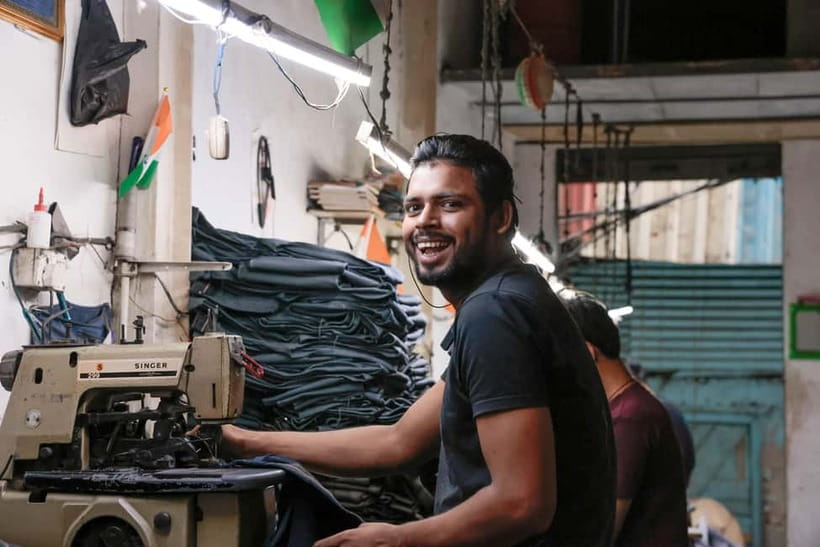
- Commercial Dharavi first: plastic and paper recycling, leather production, clothing manufacturing, and more.
- Residential side with craft context: you’ll hear about the older community known for earthen pots and clay work.
- Optional lunch at a local home: a simple, hygienic vegetarian meal with family conversation.
- English-language tour with Q&A: many guides are praised for answering questions clearly.
- Short price that feels fair: at $6, you’re paying for a 2-hour guided walking experience plus water.
Entering Dharavi with a guide who has skin in the game
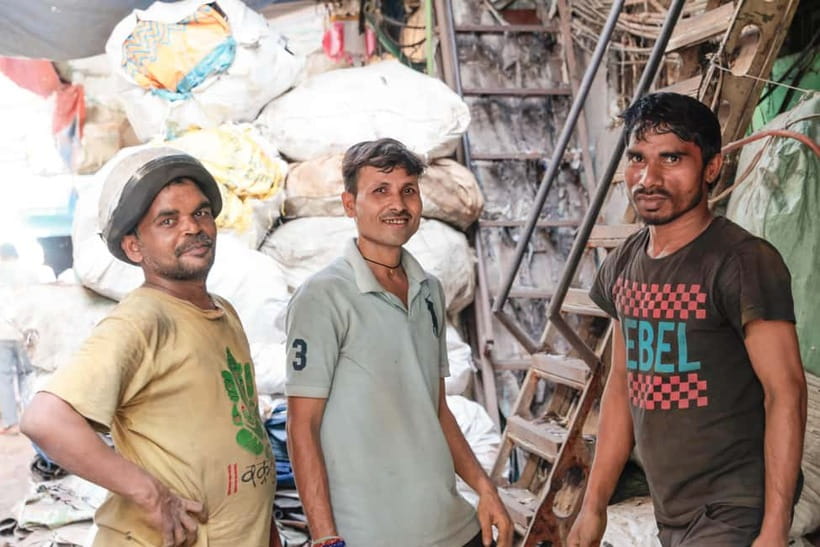
You can read about Dharavi. You can watch videos too. But what you really get from this tour is a guided walk where the guide’s perspective is the whole backbone. The guiding team here is a local female guide who is also a university student from the area, and that education support is not a side detail—it’s tied to why the tour exists in the first place.
I like that the tour doesn’t try to turn Dharavi into a performance. You’re asked to be respectful, and your guide keeps things grounded. In past experiences shared with the tour provider, guides such as Sneha, Anu, and Pooja have been noted for explaining things honestly and sensitively, and for keeping visitors comfortable while walking through narrow alleys and everyday spaces.
This matters for you if you’re trying to see beyond headlines. Dharavi often gets flattened into one storyline from far away. On this tour, you’re handed a different kind of context: people working, building, trading, fixing, teaching—plus families living right next to the activity.
You can also read our reviews of more walking tours in Mumbai



Dhobi Ghat, then straight into the neighborhood workflow
Before the main Dharavi walking starts, the schedule includes a visit to Dhobi Ghat, followed by a transfer (about 30 minutes) before you begin the Dharavi guided tour. I’m mentioning this because it changes how the day feels.
That Dhobi Ghat stop works like a warm-up. You get a quick look at another slice of Mumbai life before you go into Dharavi’s tight commercial-and-residential layout. Then the car transfer gives you a reset—useful if you’re arriving from a hotel and want less stress before the walk starts.
If you choose hotel pickup, it’s in an air-conditioned car, and you’ll also get drop-off in the end. If you choose to meet at the designated meeting point instead, you should still plan on moving quickly and being ready to walk as soon as the Dharavi segment begins.
The commercial side: recycling, leather, and clothing trades
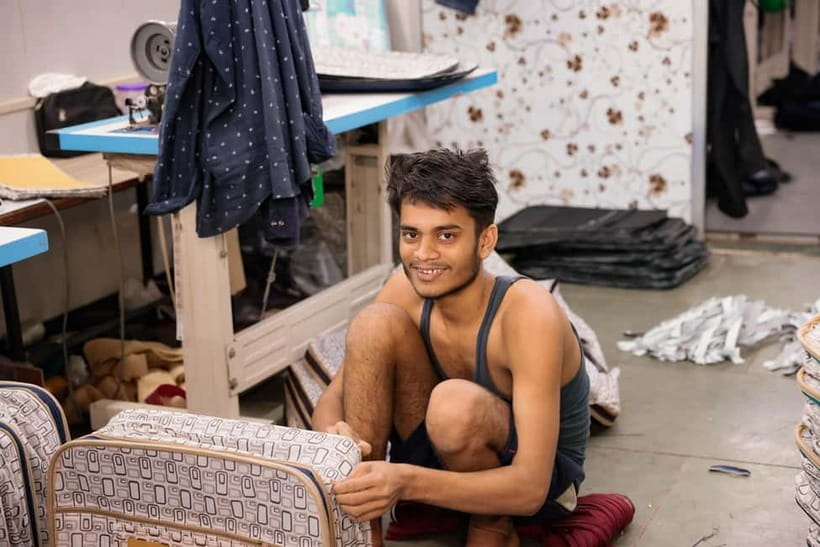
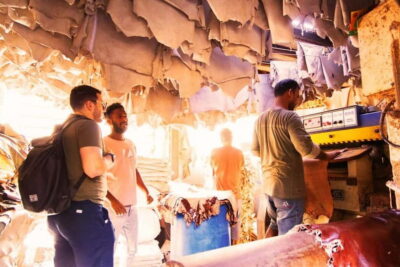
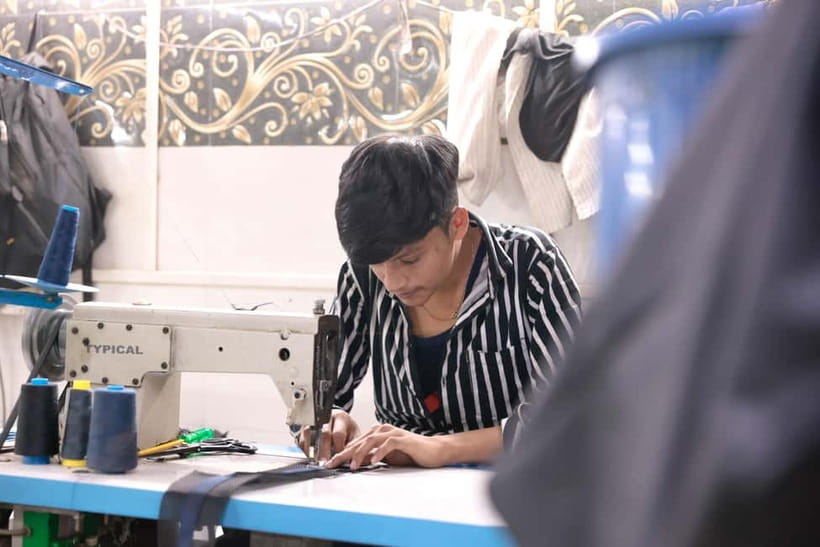
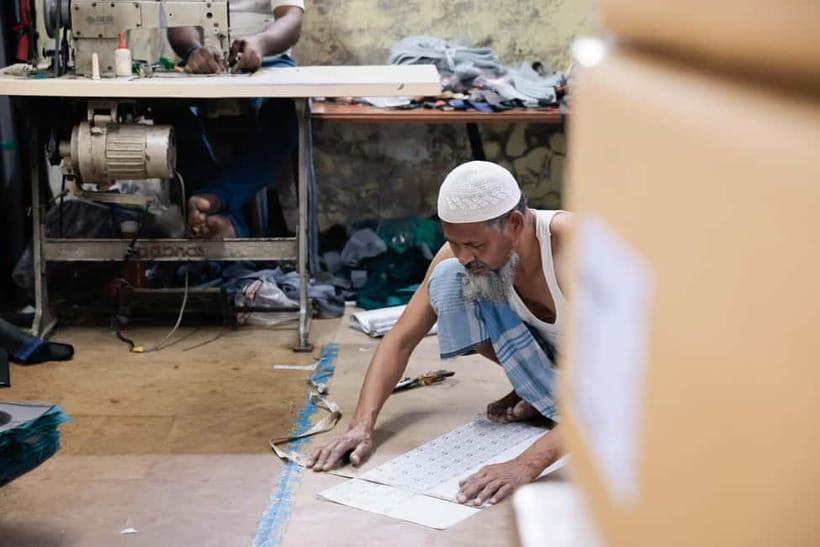
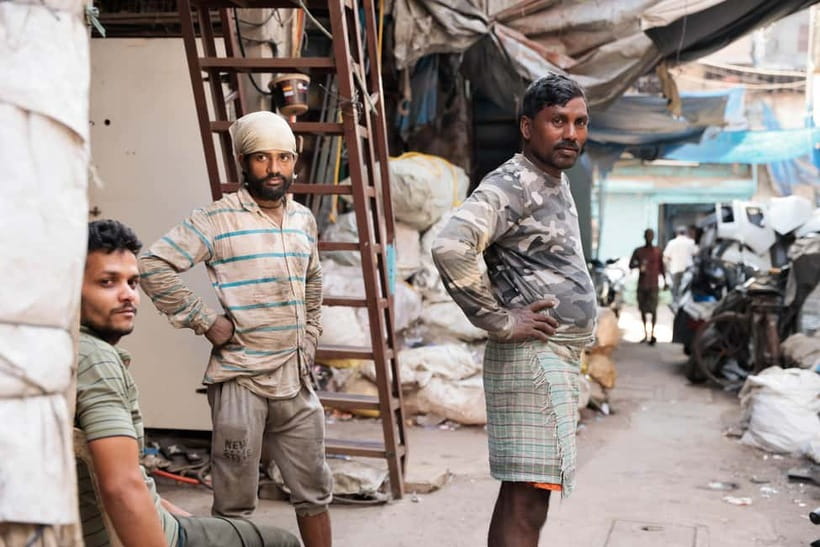
The heart of the tour for many people is the commercial route—because it explains how Dharavi earns, produces, and runs day-to-day industry inside a dense urban space. The tour keeps it practical, with visits to areas connected to plastic and paper recycling, leather production, clothing manufacturing, and other trades.
Here’s what I think you’ll get most clearly when you’re watching this in person:
- You see the systems, not just the products. Watching recycling and manufacturing activities helps you understand that the economy is made of steps—sorting, processing, producing, then selling.
- You get scale awareness. Even without technical details, you’ll notice how many different jobs can fit into a small footprint when people solve problems locally.
- You’re connecting labor to choices. Your guide helps translate what you see into everyday realities—where money comes from, who does what, and how work shapes schedules.
A big value point is the way the tour stays inside the commercial side long enough for it to mean something. It’s not only a quick peek. It’s built as part of a 2-hour Dharavi guided walking segment, which gives your guide time to explain what’s happening and let you ask questions.
And yes, there’s a separate entrance that helps you avoid line waiting. That’s a small logistics win, but on a time-limited walking tour, every time-saver counts.
Residential Dharavi: home life and earthen-pot heritage
After the commercial walk, you move into residential Dharavi. This shift is where stereotypes usually start to fall apart, because you’re suddenly seeing family routines in the same area where production and trade happen.
The tour specifically includes insight into household life and local community structure. You’ll also learn about the oldest local craft community known for making earthen pots and clay items. That detail matters because it connects today’s industries to older skills—showing continuity, not only disruption.
I like how the residential portion is framed as lifestyle rather than a spectacle. You’re not being asked to stare. You’re being asked to understand: where people live, how they manage daily needs, and how community knowledge keeps going from one generation to the next.
One practical point: because this part of the tour is more intimate, your behavior matters. The tour asks you to be respectful. If you keep your voice calm, ask questions patiently, and avoid intrusive camera behavior, you’ll get a much better experience than if you treat it like a photo safari.
Lunch at a local home: simple vegetarian, hygienic, and conversation-driven
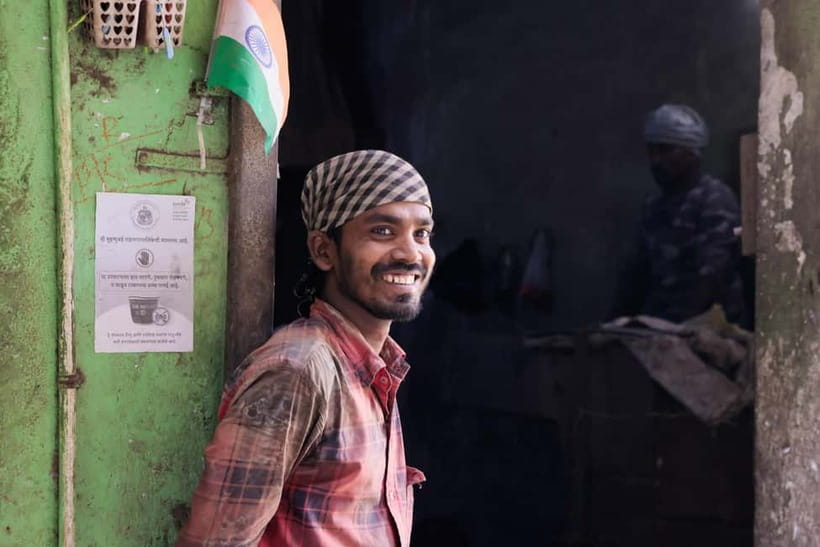
One of the most meaningful parts of this tour is the option to have lunch at a local home. The meal is described as a simple, hygienic vegetarian lunch, and the value comes less from the food being fancy and more from the chance to meet the family and talk.
For you, this is where the day stops being only about what’s outside. You get a human pause. You sit down, you eat something basic and clean, and you hear the kinds of daily-life questions that never fit into a factory view.
A local-home meal also keeps the tone respectful and structured. Your guide acts as the translator of boundaries—what’s okay, what isn’t, and how to ask without pushing.
If you have dietary needs beyond vegetarian, the tour data only guarantees vegetarian lunch, so you’d want to confirm your specifics with the provider before booking. If you’re comfortable with a simple vegetarian meal, this lunch is a strong value add because it’s part of the experience design, not an extra overpriced add-on.
You can also read our reviews of more guided tours in Mumbai





Practicalities that will save you on the day
This tour is easy on paper and real on the ground. You’ll walk, you’ll move between areas, and you’ll be near narrow pathways and everyday spaces.
Here are the basics I’d plan around:
- Wear comfortable shoes. This is a walking tour, and comfort matters more than looks.
- Bring a camera. You’ll want photos, but remember the tour asks for respect and doesn’t want inappropriate clothing like see-through outfits.
- Expect rules like no smoking. Simple, but it affects the vibe.
- Keep your pace steady. Your guide is moving you through residential and commercial areas, and stopping unpredictably slows the whole flow.
Also, the tour lasts 2 to 4 hours depending on timing, and it includes bottled mineral water. That little bottle can be more useful than you think, since you’re walking for a solid chunk of time.
One more consideration: this is not designed for wheelchair users, and the tour isn’t suitable for people over 95. If you fall outside that range, you may need a different Mumbai option that’s more accessible.
Price and value: why $6 can make sense here
At $6 per person, the price is startlingly low for a guided 2-hour walking experience in a complex neighborhood like Dharavi. Here’s how I’d think about value without ignoring risk or ethics.
You’re paying for:
- A local female guide
- A guided route through both commercial and residential areas
- Bottled mineral water
- Optional lunch at a local home
- Time in an English-language tour format that’s set up to answer questions
And importantly, you’re supporting education for local female students. Even if you don’t track it line-by-line, that support is the tour’s core mission.
The trade-off is you won’t be in a “luxury” comfort bubble. You’re in walking terrain, and you’ll follow the guide’s lead. But if you want an authentic, human-scale view of Mumbai, this is one of those costs that feels like it lines up with what you actually do.
If you choose optional hotel pickup and drop-off, that’s extra cost. The tour data says it uses an air-conditioned car, and the driver meets you at your car pickup and drop-off point. If you’re staying far from the meeting point or you hate the stress of navigating right before a walk, it can be worth paying for pickup.
Who this tour is best for (and who should choose something else)
This tour is a strong fit if you:
- Want to challenge stereotypes using real context, not slogans
- Like tours where you ask questions and get answers
- Prefer walking with a local guide who lives the neighborhood
- Appreciate a structured visit that includes both work life and home life
- Don’t mind being respectful and patient in tight spaces
It’s also a good choice for families, as long as everyone is comfortable walking and staying respectful in residential settings.
It may not fit you if:
- You need wheelchair accessibility
- You’re over 95
- You want a purely entertainment-style tour with lots of “viewpoints” and open space
- You’re uncomfortable with the idea of visiting an active working community
Final call: should you book this Dharavi walking tour?
If your goal is understanding Dharavi as a working neighborhood with real households and real industries, this tour is an easy yes. The most compelling part is the guide model: a local female university student leading in English, with education support built into the experience.
I’d book it if you’re open to walking in tight areas, you dress appropriately, and you treat the day like a conversation rather than a checklist. And I’d skip it if you need high accessibility or if long walking through narrow lanes is a deal-breaker.
If you do book, plan on comfortable shoes, bring your camera, and come ready to learn. Your best experience will come from asking thoughtful questions—then listening to the answers.
FAQ
How long is the Dharavi guided walking tour?
The tour duration is listed as 2 to 4 hours, depending on starting times and how the day runs.
Where does the tour start?
The meeting point can vary depending on the option you book. There’s also an optional hotel pickup and drop-off service.
Is hotel pickup and drop-off included?
Hotel pickup and drop-off are optional and cost extra. The tour includes bottled mineral water and a separate entrance, but pickup is not included by default.
What’s included in the tour besides the guide?
You get the 2-hour walking tour, visits to both commercial and residential areas, bottled mineral water, and an option for vegetarian lunch at a local home.
Do I get to have lunch on the tour?
Lunch is optional. If you choose it, you’ll have a simple, hygienic vegetarian lunch at a local home.
What language is the tour guide?
The live tour guide speaks English.
What should I bring, and what should I avoid?
Bring comfortable shoes and a camera. Smoking is not allowed, and see-through clothing is not allowed. You should also be respectful of the local community.
Is this tour wheelchair accessible?
No. It is not suitable for wheelchair users, and it is also not suitable for people over 95 years.