REVIEW · CITY TOURS
Mumbai: Exclusive Full-Day City Tour with Optional Caves
Book on GetYourGuide →Operated by India Tour · Bookable on GetYourGuide
Mumbai can feel like a movie on fast-forward, and this day tour slows it down. You get iconic landmarks, a real break for the Elephanta or Kanheri Caves, and a guided look at neighborhoods most people only pass by.
Two things I really like: the comfort of a private air-conditioned car with driver (you’re not wrestling buses all day), and the way the itinerary mixes grand architecture with lived-in Mumbai, including Dharavi Slum with a guide.
One thing to plan around: the caves are closed on Mondays, and in monsoon season the Elephanta ferry can be delayed or canceled due to wind—though the tour offers an alternative to see the Kanheri caves.
In This Review
- Key highlights you can plan around
- A full-day Mumbai mix that actually feels organized
- Starting with the Arabian Sea views: Gateway of India and Taj Palace
- Elephanta Caves ferry time: what you should expect on the water
- UNESCO caves choice: Elephanta vs Kanheri in real-life terms
- Passing the British-era landmarks, then meeting CST face-to-face
- Lunch break and the local shopping stop you’ll remember
- Gandhi at Mani Bhavan and viewpoint time at Hanging Gardens
- Dharavi Slum visit: what you should know before you go
- Price and logistics: is $69 per person good value?
- Who this tour suits best (and who should skip it)
- Notes from guides and drivers that change the day
- Should you book this Mumbai full-day tour with caves?
- FAQ
- What’s included in the tour price?
- How long is the tour?
- Do I visit Elephanta Caves or Kanheri Caves?
- Are the caves open every day?
- What happens in monsoon season if the ferry is canceled?
- What should I bring, and is anything not allowed?
Key highlights you can plan around
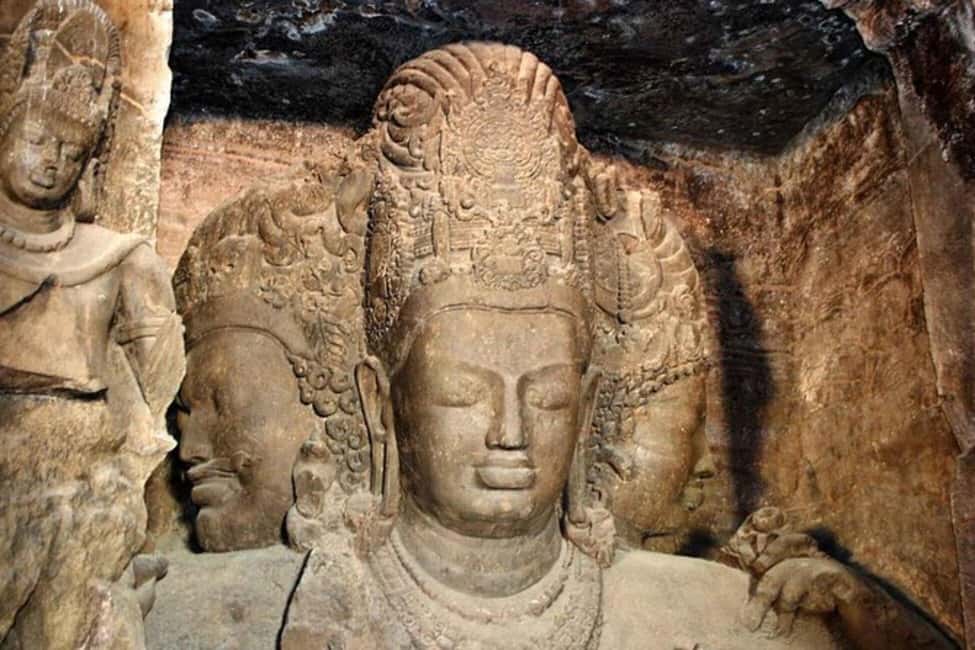
- Elephanta or Kanheri Caves (UNESCO site): pick your rock-cut temple experience, both guided.
- Skip-the-line entry: separate entrance can save time at busy attractions.
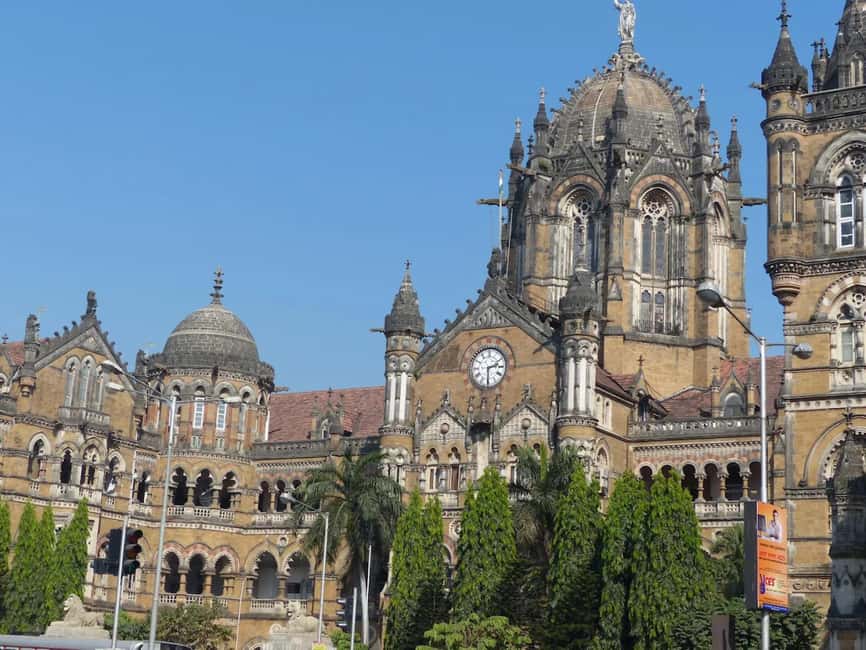
- CST in Victorian-Gothic style: get a focused stop at one of Mumbai’s architectural showpieces.
- Crawford Market + Marine Drive: trade museum time for market energy and sea views.
- Mani Bhavan and Hanging Gardens: Gandhi history plus viewpoints over the Arabian Sea.
- Dharavi Slum with a guide: see small-scale work and daily life with safety-first guidance.
A full-day Mumbai mix that actually feels organized
This is an 8-hour private city day that aims to cover the main mental postcards of Mumbai—without turning it into a checklist sprint. You’ll start with waterfront landmarks, then move through British-era architecture, museum and viewpoint stops, and end with a guided visit to Dharavi.
The private format matters. You’re not stopping every few minutes to negotiate with different groups, and the driver can position you for smoother transitions between areas. You also get an English guide, so you’re not just looking at buildings—you’re getting the story behind them, stop by stop.
You can also read our reviews of more city tours in Mumbai



Starting with the Arabian Sea views: Gateway of India and Taj Palace
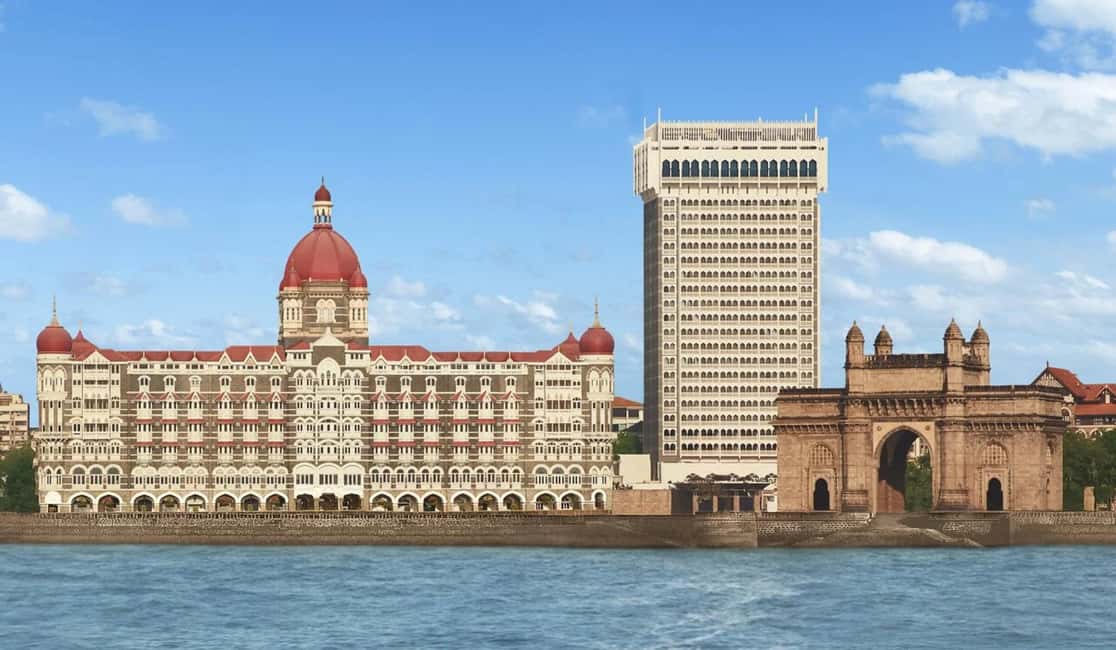
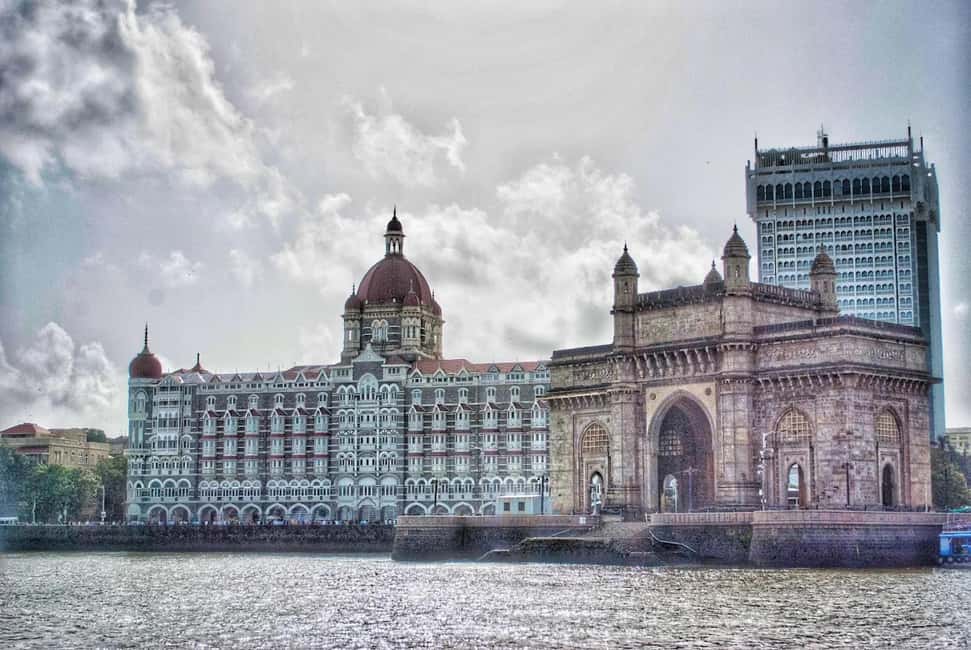
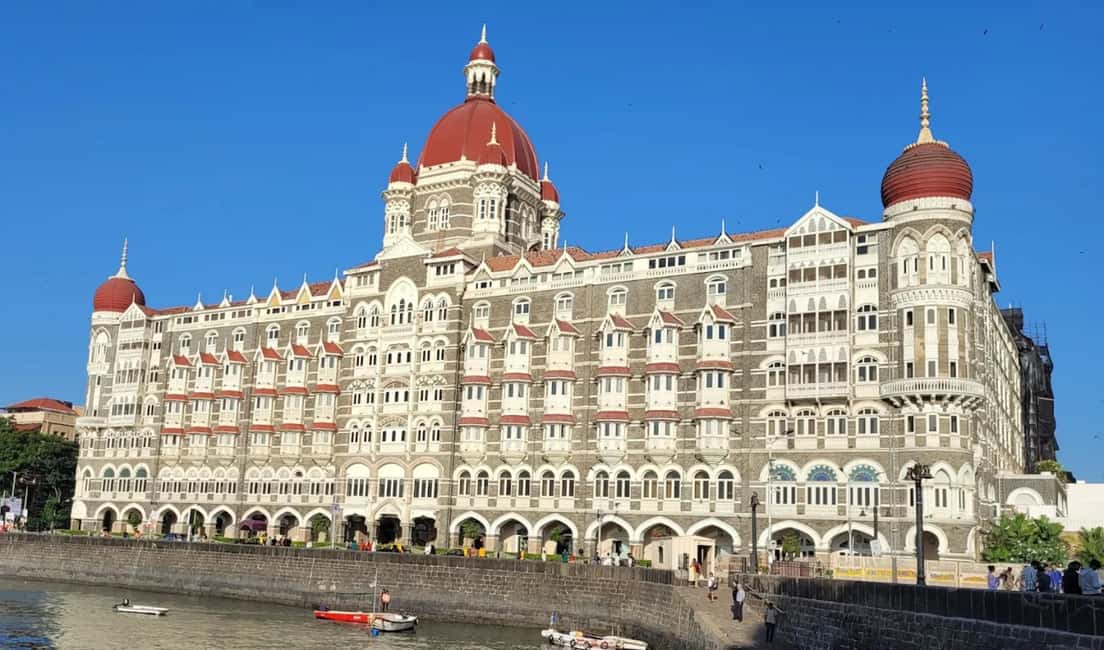
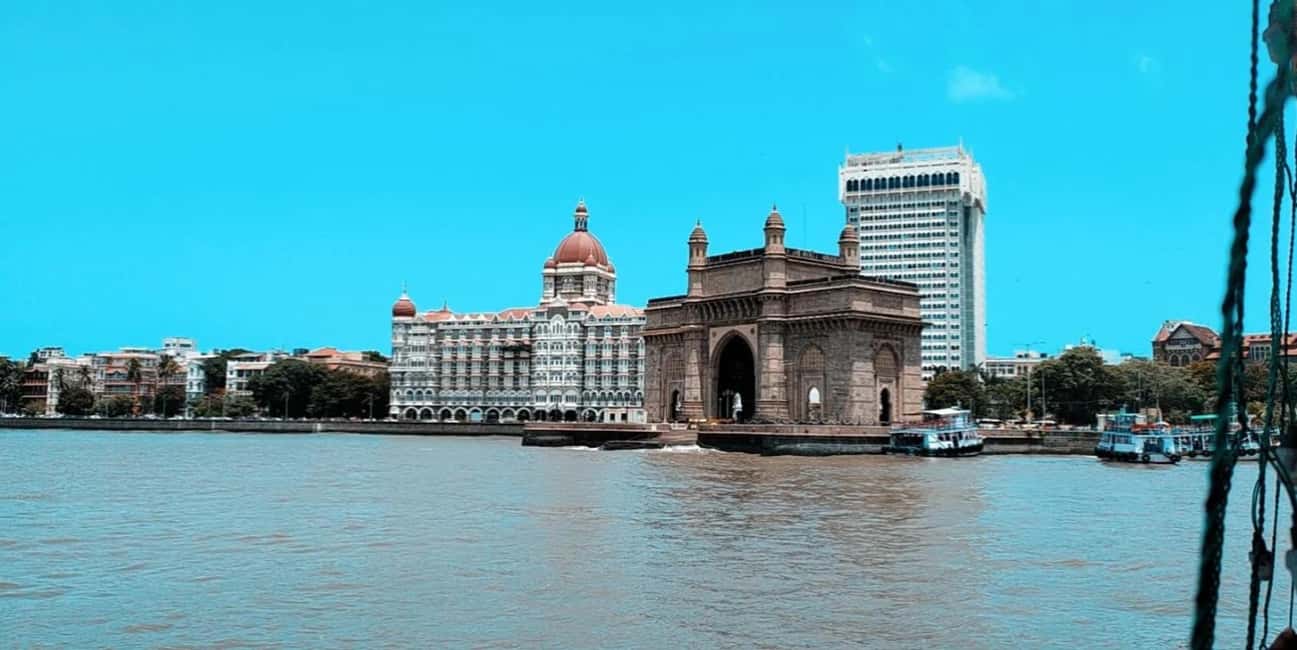
Your day kicks off with hotel pickup, then a visit to Gateway of India, Mumbai’s famous landmark facing the Arabian Sea. Even if you’ve seen photos, being there in person is different: the scale, the crowd energy, and the wide-open sea horizon make it feel like the city’s front door.
Next comes Taj Mahal Palace Hotel, a colonial-era icon that still signals Mumbai’s long history of global connections. You get a photo stop and guided visit time here, so you can take in the Victorian-era feel without having to linger like you’re attending a formal event.
Practical tip: wear comfortable shoes. This part includes short walks and photo moments where you’ll want to move quickly when the light is good.
Elephanta Caves ferry time: what you should expect on the water
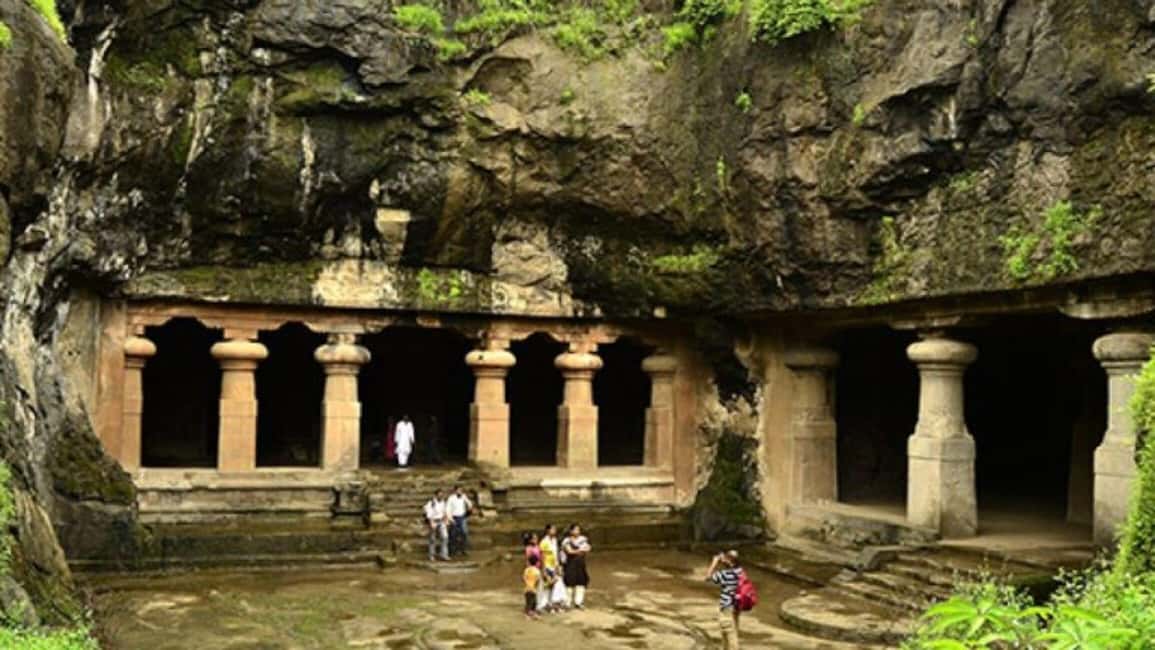
From the Taj area, you’ll head to the ferry and take the trip across to the Elephanta Caves. The ferry time is listed as 45 minutes each way, so you’ll get a calm stretch during what can be a long day.
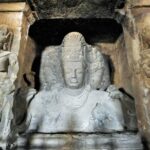
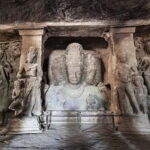
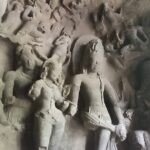
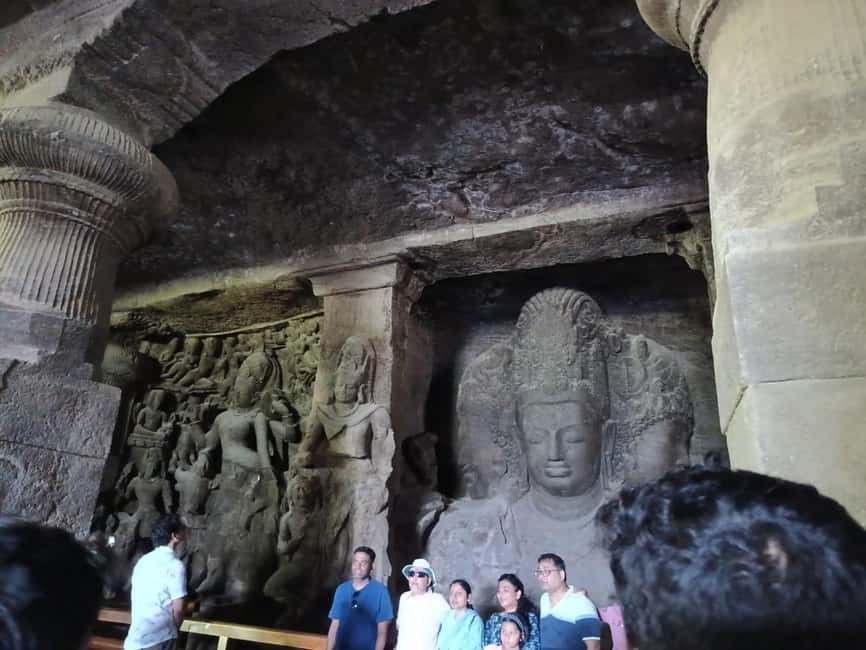
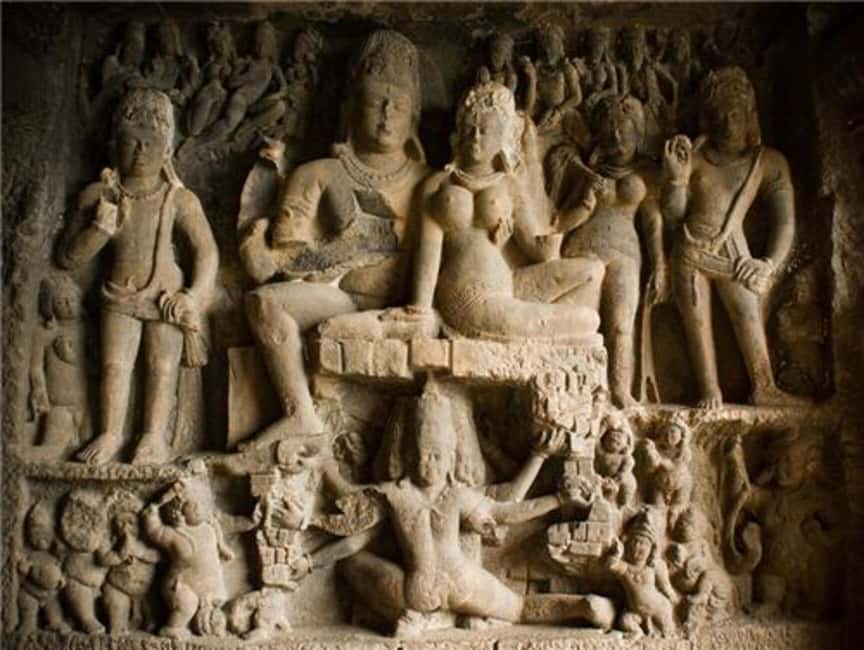
If you’re going for Elephanta, the caves are where the tour’s “wow factor” is built. You’ll explore ancient rock-cut temples dedicated to Lord Buddha, and your guide helps make sense of the sculptures and what they represent. Expect a guided experience rather than a quick wander—this is one of the stops where having context really improves the visit.
Small planning note: in monsoon season (July to mid-September), government ferry services may be delayed or canceled in strong winds. If that happens, the tour offers an alternative to visit Kanheri Caves in Mumbai.
UNESCO caves choice: Elephanta vs Kanheri in real-life terms
The big decision in this tour is simple: Elephanta Caves OR Kanheri Caves.
- Elephanta Caves are reached by ferry and are praised for their rock-cut sculptures and guided interpretation. If the ferry runs normally, this is usually the easiest way to get that classic “temples outside the city” feeling.
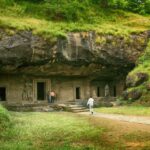
- Kanheri Caves are another set of rock-cut Buddhist monastery and prayer hall spaces, known for intricate carvings, sculptures, and inscriptions.
Either way, you’re looking at ancient stonework designed for silence and long attention spans. The difference is how you get there—and how the day feels. If you’re the type who hates boat rides when the weather looks shaky, you’ll probably feel more comfortable knowing the Kanheri option exists.
Passing the British-era landmarks, then meeting CST face-to-face
After the caves, the tour moves through the city by car, including views and pass-by stops at British-era architecture like Bombay High Court and the Rajabai Clock Tower at Mumbai University. These aren’t “big ticket” attractions for most visitors, but they’re important because they explain how Mumbai developed its colonial-era skyline.
Then you’ll do a short walk around Oval Maidan, an open ground surrounded by historic colonial buildings. It’s a good pause in the schedule: you can reset your legs, grab quick photos, and get bearings for the area.
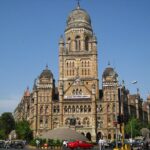
The highlight here is Chhatrapati Shivaji Maharaj Terminus (CST). This stop includes a photo moment plus guided time to appreciate CST’s UNESCO-listed Victorian-Gothic design. If you’ve only ever seen railway stations as practical places, CST changes that view. The building is ornate, precise, and dramatic in the way it turns movement into architecture.
You can also read our reviews of more tours and experiences in Mumbai






Lunch break and the local shopping stop you’ll remember
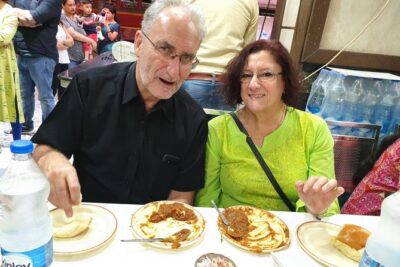
Lunch is included as a guided local restaurant break—so you’re not hunting during peak traffic. The tour doesn’t position lunch as a fancy show; it’s there so you can actually keep going for the second half of the day.
After lunch, you’ll visit Crawford Market, a busy bazaar focused on spices, fruit, handicrafts, and souvenirs. This is one of those places where you learn more from your senses than your guide’s facts. You’ll walk, look, and likely pick up a small thing you’ll actually use later—like spice mixes or practical souvenirs.
Then it’s a car ride along Marine Drive, also known as the Queen’s Necklace. This is a photo-and-sea-view stop by the window-and-brief-walk logic. The views are the point, and you’ll appreciate it more if you’re willing to slow down and watch the coastline rhythm for a few minutes.
Gandhi at Mani Bhavan and viewpoint time at Hanging Gardens
Next up is Mani Bhavan, a peaceful museum dedicated to Mahatma Gandhi. You’ll have a photo stop and guided visit time here, and the value is that it connects Gandhi’s life to the broader freedom movement story in a human scale—less like a textbook, more like a place where history happened.
After that comes Hanging Gardens atop Malabar Hill. This is your scenic viewpoint stop, with city and Arabian Sea views that help you understand Mumbai’s geography: hills, water, and dense neighborhoods in a single frame.
Bring sunglasses here. Even in cloudy weather, the light on the sea can make it feel like the day is brighter than it is.
Dharavi Slum visit: what you should know before you go
The last major portion of the tour is a guided visit to Dharavi Slum, described as one of Asia’s largest slums. This part isn’t about shock value. It’s about understanding daily life, community resilience, and how small-scale industries operate—things like pottery, leatherwork, and recycling.
Your guide helps you navigate the space respectfully, and the tour includes photo stop and guided time. One reason this stop gets strong marks from past guests is that it can feel intimidating at first, but the right guide makes you feel safe and oriented. In at least one case, the guide introduced a visitor to a family from the community and helped them see everyday life from inside a home setting. Another highlighted example was visiting a workplace where men produce clothing pieces—practical, hands-on, and grounded in real work.
That’s the key: your experience improves when you treat this as a human encounter, not a photo assignment. Ask your guide questions. Listen more than you talk. If you’re someone who needs lots of privacy, you might not love the crowd flow—this is still a community with its own pace.
Important note: the tour is listed as not suitable for pregnant women. It also involves time walking outdoors and navigating uneven areas typical of dense neighborhoods, so it’s worth taking the route and foot comfort seriously.
Price and logistics: is $69 per person good value?
At $69 per person for an 8-hour private day, the value depends on what you’d otherwise pay for in Mumbai.
Here’s what you’re getting for that price:
- A private guided tour with English guide
- Hotel pickup and drop-off
- Air-conditioned car with driver
- Entry help (including skip-the-line via a separate entrance)
- Water bottle
- Parking and all charges
- Caves visit (Elephanta or Kanheri), plus the full set of city stops
If you’ve ever tried to piece together Mumbai transport, entrance coordination, and a guide across multiple neighborhoods, you know how fast costs and stress pile up. This tour bundles the coordination. The one caution from past experiences: make sure it matches what you believe is included for transport, especially if any communication ever happens through a third-party message thread.
In other words: it’s priced like a serious day tour, not a bargain bus. But you’re not just buying sites—you’re buying time, comfort, and explanation.
Who this tour suits best (and who should skip it)
This tour is a strong match if you want:
- A single-day overview of Mumbai’s biggest visual landmarks and key cultural stops
- Comfort and pacing via a private air-conditioned car
- A guided visit at the caves and the chance to understand what you’re looking at
- A responsible, guided introduction to Dharavi, including how work happens there
You might want to look for a different option if:
- You’re sensitive to walking on uneven ground or long outdoor stretches
- You’re in the group the tour lists as not suitable for pregnant women
- You’re traveling on a Monday, since the caves are closed that day (and the tour can’t magic a UNESCO site into being open)
Notes from guides and drivers that change the day
The difference between a so-so city day and a great one is often the guide. In the feedback tied to this experience, several guides were specifically praised for how they explained things and answered questions.
For example, past guests named guides like Abdul and Saif for strong day-long interpretation. One guest highlighted Danish as a great tour guide and another mentioned Fahad for making the day fun and knowledgeable. Drivers also got real credit: Mahtab was praised for serious driving skills and safety, and at least one visitor noted the vehicle was new with proper AC, which matters when the afternoon heat is doing its thing.
You’ll also likely appreciate the small extras: one review mentioned the guide checking in about pauses during the day (including for eating), and another said the guide took good photos so the memories are easier to keep.
Should you book this Mumbai full-day tour with caves?
Book it if you want a private, guided day that pairs major landmarks with real neighborhood context—and you value comfort and structure over hopping around on your own. The combination of Gateway of India, Taj Mahal Palace, UNESCO caves, CST, Gandhi at Mani Bhavan, viewpoints at Hanging Gardens, and the guided Dharavi visit is a lot for one day, but it’s the kind of lineup that works best when someone else handles the timing.
Skip or reconsider if you’re traveling on a Monday, you’re not comfortable with uneven neighborhood walking, or you know monsoon ferry delays could be a dealbreaker. If you’re flexible and you like guided context, this is a solid way to get the Mumbai story in one go without turning it into chaos.
FAQ
What’s included in the tour price?
The tour includes a private guided tour, hotel pickup and drop-off, an 8-hour guided experience, a visit to Elephanta Caves or Kanheri Caves, an air-conditioned vehicle with an English guide, water bottle, and all charges and parking.
How long is the tour?
It runs for 8 hours.
Do I visit Elephanta Caves or Kanheri Caves?
You visit either Elephanta Caves or Kanheri Caves, with a guided experience for whichever option is scheduled.
Are the caves open every day?
No. Elephanta Caves and Kanheri Caves are closed on every Monday.
What happens in monsoon season if the ferry is canceled?
During monsoon season (July to mid-September), ferry services may be delayed or canceled due to strong winds. In that case, the tour offers an alternative option to visit the Kanheri Caves in Mumbai.
What should I bring, and is anything not allowed?
Bring comfortable shoes and sunglasses. Pets are not allowed, and the tour is listed as not suitable for pregnant women.